30 Minute Chess Lessons: A Smart Fit for Kids
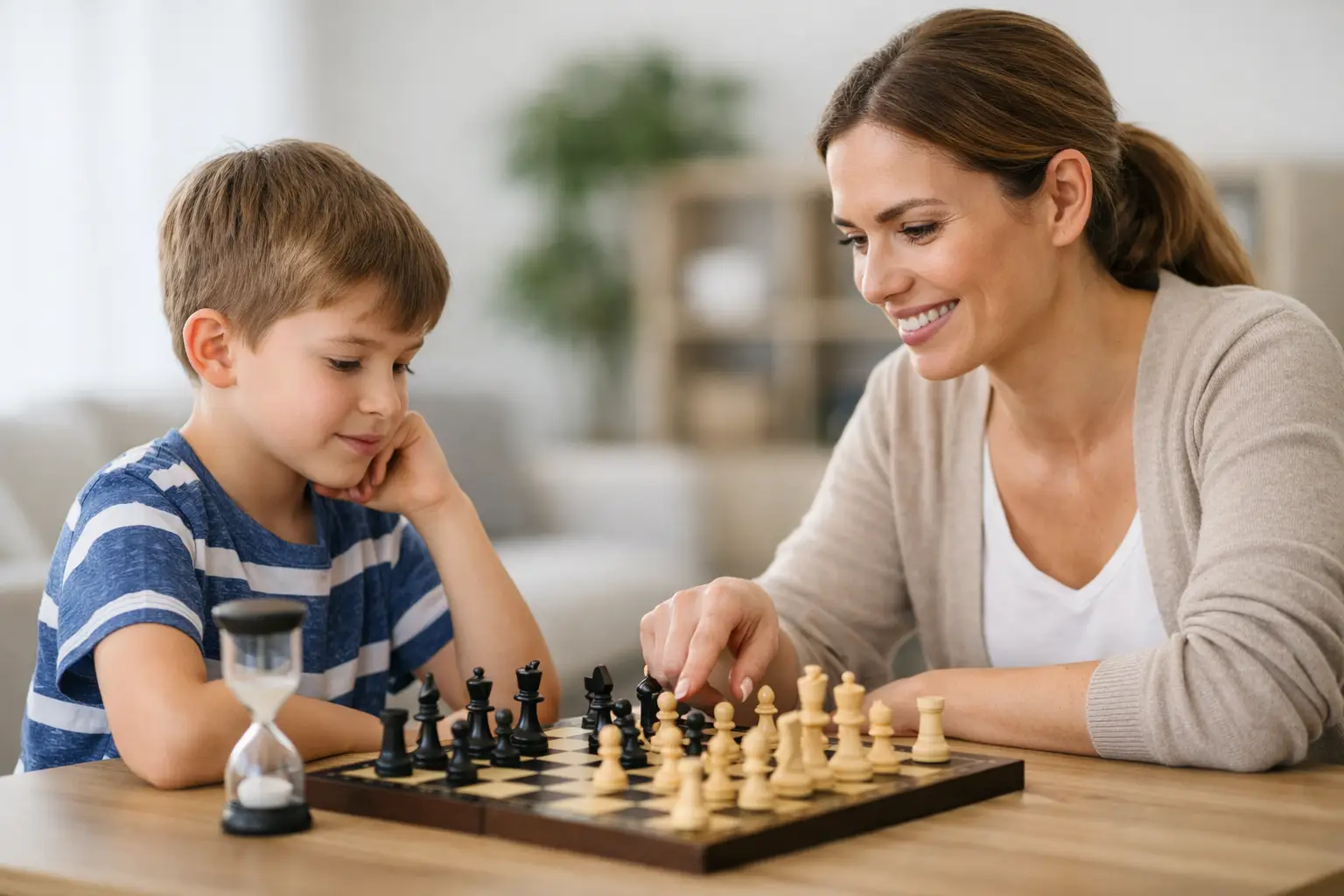
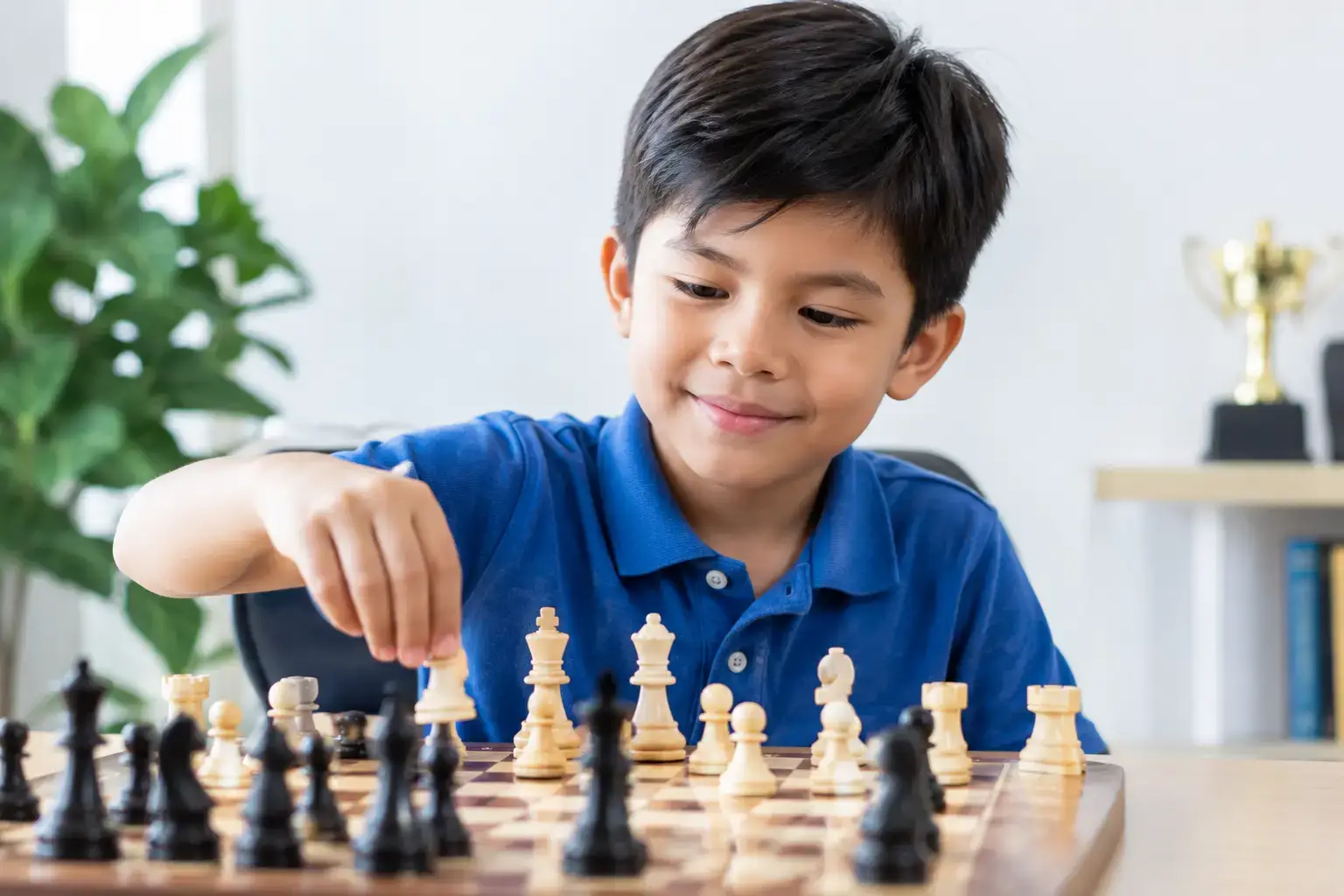
A child can learn a surprising amount of chess in half an hour when the lesson has a clear goal, a patient coach, and the child is actively involved. For many families, 30 minute chess lessons are not a compromise. They are the right amount of focused instruction to keep a young player engaged, making progress without adding another exhausting commitment to the week.
For a beginner, 30 minutes may mean learning how each piece moves and using that knowledge in a short guided game. For an experienced player, the same time can be used to spot tactical patterns, review a tournament game, or build a stronger opening habit. The difference is not the clock. It is whether the lesson is personal, structured, and matched to the child’s current level.
Why 30 Minute Chess Lessons Work for Young Players
Children learn best when they can concentrate, participate, and finish with a sense of success. A 30-minute lesson creates a natural window for that kind of work, especially for younger students and busy school-day schedules.
Chess requires mental energy. A child needs to look at the board, consider choices, remember rules, and explain what they see. After too long, attention can fade and even a fun activity can start to feel like homework. A shorter lesson helps a coach keep the pace purposeful: teach one idea, practice it immediately, correct mistakes kindly, and end with a clear win.
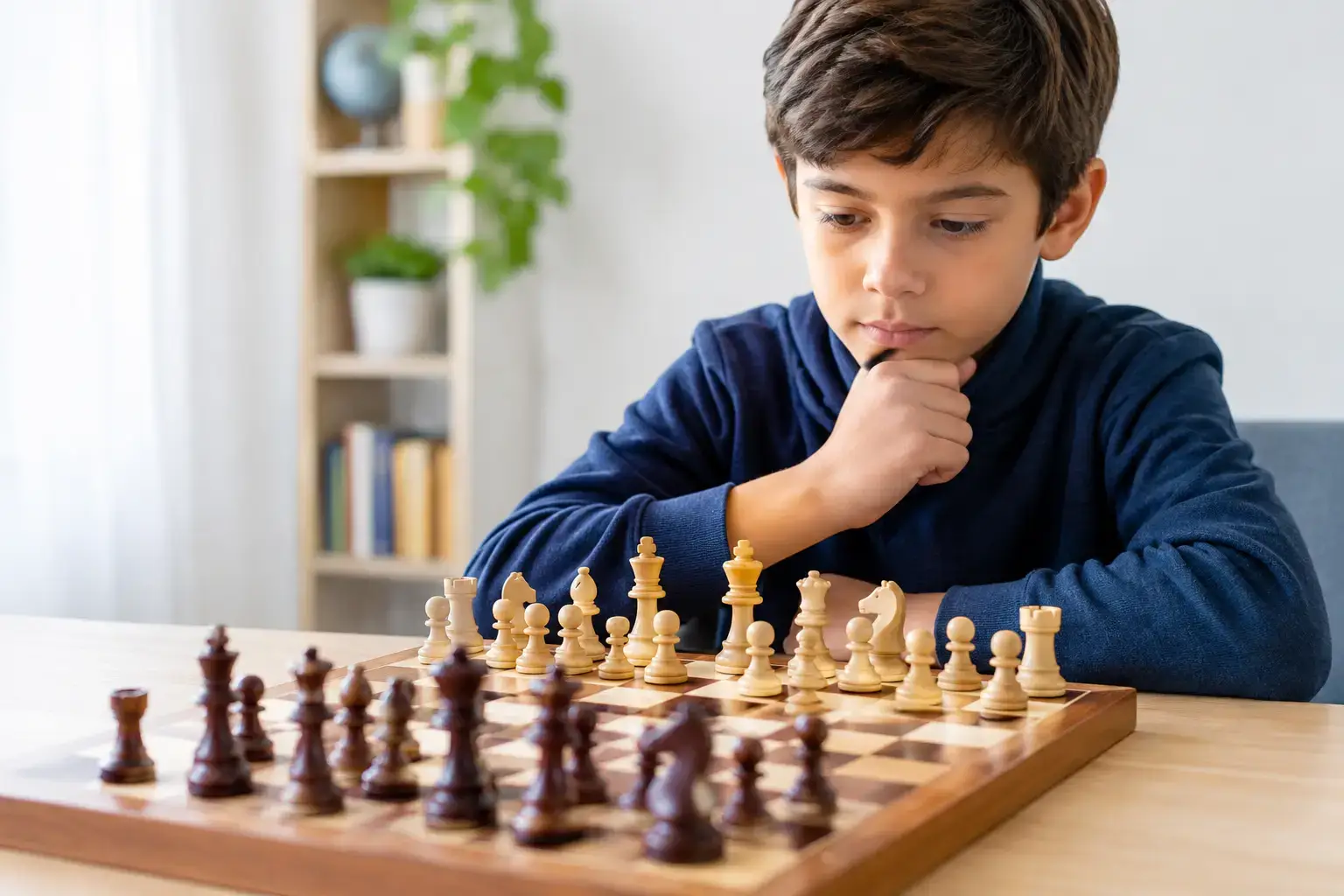
That does not mean every child should always take a 30-minute class. A focused 12-year-old preparing for a tournament may be ready for 45 or 60 minutes. Some children also benefit from a longer session when they are analyzing games in depth. But for many beginners ages 4 to 10, half an hour is an excellent starting point. It builds a consistent routine without overwhelming them.
What a Productive 30-Minute Lesson Looks Like
A strong short lesson is not a rushed lesson. It has a simple plan. The coach does not try to cover every chess concept at once, because that is how children leave confused instead of confident.
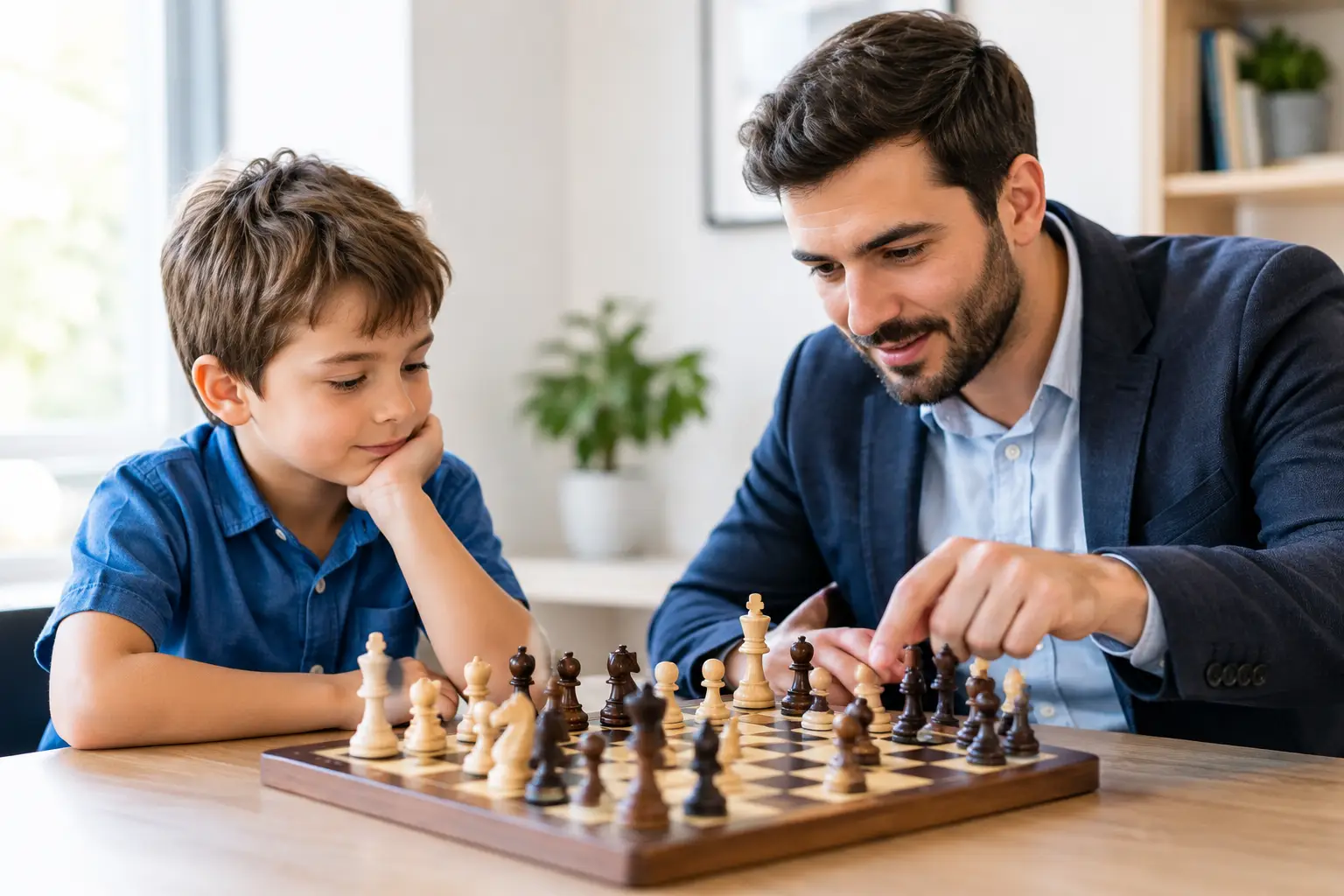
A typical session might begin with a quick check-in and a review of the previous lesson. This gives the child a chance to remember what they learned and helps the coach see whether the idea has truly stuck. Next comes one main skill, such as protecting pieces, recognizing check, developing knights and bishops, or noticing a one-move tactic.
The child then applies that skill. They may solve a few positions, play a mini-game, or talk through moves in a real game. This is the most valuable part of the lesson. Chess improvement does not come from hearing the answer. It comes from learning how to pause, look carefully, and make a decision.
The final minutes should reinforce progress. A good coach may recap the key idea, assign a small amount of optional practice, and tell the child exactly what they did well. Parents should come away knowing what was covered, what their child is working on next, and how the program is moving forward.
For Complete Beginners
At the beginning, progress should feel visible. A child might learn the board setup, piece movement, check and checkmate, and basic rules over a series of lessons. The goal is not simply to memorize rules. It is to help the child use them confidently in a real game.
Short sessions are particularly helpful here because beginners need time to absorb each concept. Learning how a knight moves is one thing. Seeing why that knight can attack two pieces at once is the next step. A patient coach can build those connections gradually.
For Players Ready to Compete
As children gain experience, 30 minutes can become a sharp, targeted training session. One week may focus on avoiding common opening mistakes. Another may be dedicated to reviewing a recent game and finding the moment where a better plan was available.
This format works especially well when lessons happen consistently. A child does not need to spend hours studying chess to improve. Regular coaching, thoughtful practice, and games with a purpose can create steady momentum over time.
The Benefits Go Beyond Chess Moves
Parents often enroll children in chess because they want an activity that is both enjoyable and mentally meaningful. Chess gives kids repeated practice in skills that matter far beyond the board.
A child learns to slow down before making a move. They learn that every choice has a consequence, that mistakes can be reviewed without embarrassment, and that a setback is not the end of the game. Those are valuable lessons in patience, resilience, planning, and self-control.
Chess can also build confidence in a very real way. When a child who once moved pieces randomly starts saying, “I saw that attack,” or “I knew I had to protect my king,” they can feel their own growth. That confidence comes from earned understanding, not empty praise.
The online format adds another practical benefit for families. There is no commute, no waiting room, and no need to squeeze another trip into an already full afternoon. Children can learn from home with a coach who keeps them involved, while parents get a clear view of the learning process.
How to Know if 30 Minutes Is Enough
The best lesson length depends on your child’s age, attention span, goals, and experience. Rather than choosing the longest option available, start with the format your child can enjoy and sustain.
Thirty minutes is often a great fit if your child is new to chess, under 10, easily distracted after school, or balancing sports, homework, and other activities. It is also ideal for families who value a predictable weekly routine. Consistency is more powerful than an occasional long session that leaves a child mentally tired.
A longer lesson may be a better choice if your child is already highly motivated, plays tournament chess, or needs deeper work on game analysis and strategy. Even then, some advanced students prefer short, frequent sessions because they stay energized and retain more between lessons.
The clearest answer usually comes from an assessment with a coach. A first lesson should show how your child responds to instruction, what they already know, and what pace will help them grow. There should be no pressure to guess or commit before you understand the plan.
What Parents Should Look for in an Online Chess Coach
A good chess player is not automatically a good teacher for children. Young students need someone who can explain ideas simply, adjust the lesson when they are confused, and make every session feel encouraging without lowering expectations.
Look for a coach who creates an individualized path rather than repeating the same lesson for every child. Your child may need extra support with basic rules, while another student may need help turning a winning position into checkmate. Personalized instruction makes the time count.
Communication matters, too. Parents should receive straight answers about progress, goals, and next steps. The best programs make chess feel fun while maintaining real structure. Children should look forward to lessons, and parents should be able to see what those lessons are building toward.
At Savushkin Chess, this child-centered approach helps students move from first moves to confident game play at a pace that makes sense for them. A free trial assessment can give families a clear starting point, with no payment and no commitment.
Small Sessions Can Create Lasting Progress
Thirty minutes may look modest on a calendar, but it can become a powerful weekly habit. Over time, a child learns not just how to move a rook or spot a fork, but how to think before acting, recover after mistakes, and stay with a challenge.
The right chess lesson should leave your child feeling capable and curious enough to return to the board. That is where meaningful progress begins.

Ready to see chess click for your child?
Book a free 20–30 minute trial lesson with one of our coaches — no commitment, no payment needed.