How to Analyze Kids Chess Games Without Overload
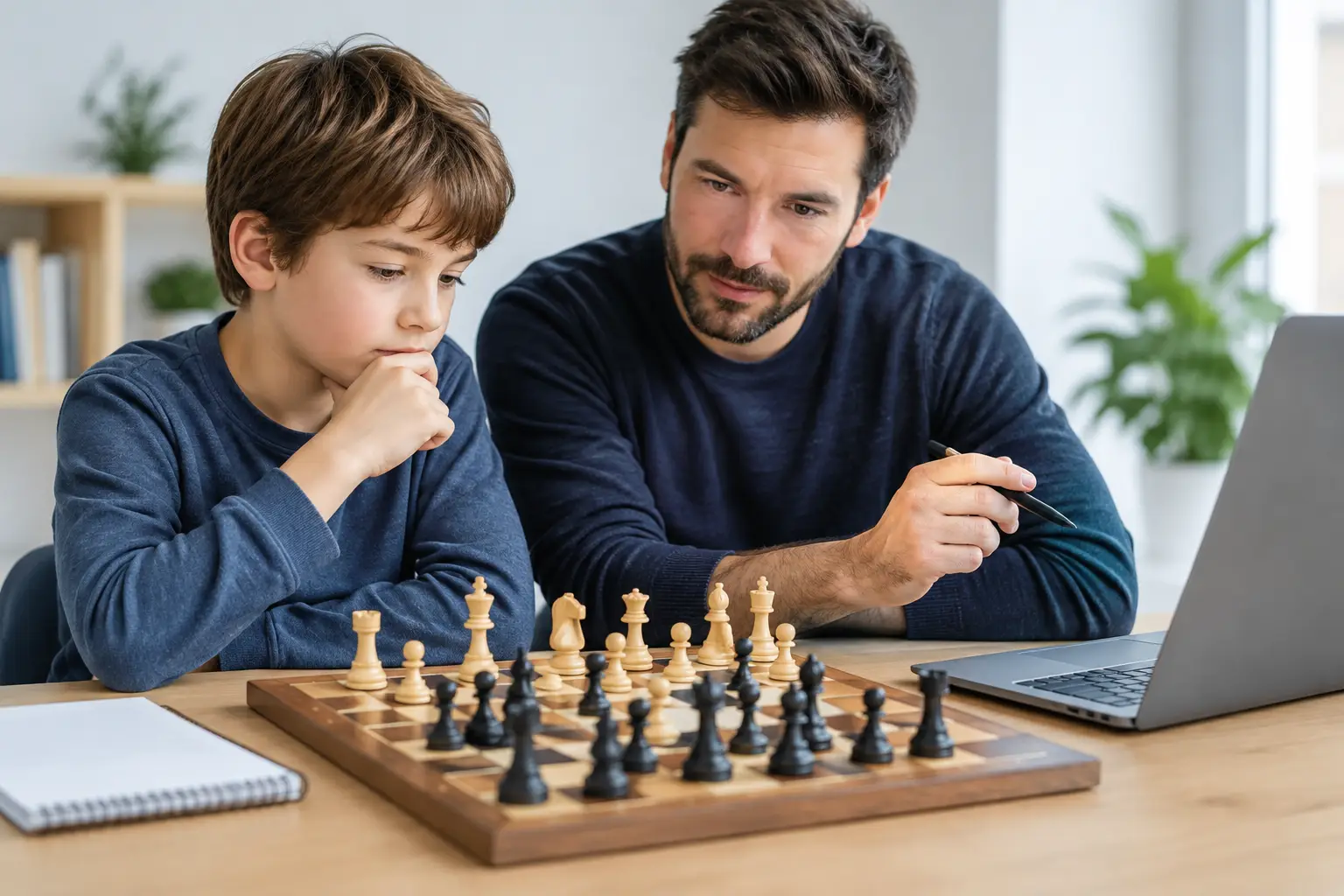
Your child finishes a game, looks disappointed, and says, “I was winning, then I lost my queen.” That is the perfect moment to analyze kids chess games - not to point out every mistake, but to help them understand one useful idea they can carry into the next game.
For young players, game review should feel like detective work, not a report card. The goal is not to prove that they missed a brilliant move. It is to build habits: looking for threats, protecting pieces, making a plan, and staying calm after an error. A short, supportive review can do more for progress than replaying an entire game with a long list of corrections.
Why Kids Need a Different Kind of Game Analysis
Adults can often study a loss for an hour and enjoy the challenge. Most children cannot, and they should not have to. A child who is new to chess may lose focus after ten minutes, while a tournament-ready player may be ready to study a critical position more deeply. The right approach depends on the child’s age, experience, and emotional state after the game.
If your child is upset, start by recognizing the effort before discussing the moves. A tough loss can still contain a great idea: perhaps they developed their pieces quickly, noticed a check, or fought back after falling behind. When children learn that analysis is about learning rather than blame, they are much more willing to examine their games honestly.
A helpful review has one main purpose: identify the moment that would most improve the child’s next game. Sometimes that is a missed checkmate. More often, it is a simple habit such as checking whether a piece is defended before moving it.
How to Analyze Kids Chess Games Step by Step
The best routine is short enough to repeat after nearly every serious game. Set aside 10 to 20 minutes, depending on the child’s attention span. If the game was especially emotional, wait until later that day or the next morning.
Let Your Child Tell the Story First
Before you open a chess engine or offer advice, ask your child what they remember. Questions such as “When did you feel good about your position?” and “Was there a move that surprised you?” give you valuable information. They also encourage the child to think independently rather than wait for an adult to announce the answer.
Let them replay the game from memory if possible. They may not recall every move, and that is fine. You are listening for how they were thinking. A child who says, “I saw a free pawn and took it,” may be ready to learn why checking the opponent’s reply matters. A child who says, “I did not know what to do,” may need more help with basic planning.
Find the First Important Turning Point
Do not begin with the final checkmate or the last blunder. Go back and look for the first moment when the game changed direction. This could be when a piece was left undefended, when a threat was missed, or when a good attacking chance was overlooked.
Use simple, concrete language. Instead of saying, “Your positional evaluation deteriorated,” try, “After this move, their bishop could take your rook. What could we check before moving next time?” Children learn faster when the lesson is connected to something they can see clearly on the board.
In many beginner games, the turning point is not complicated. It is usually one of these patterns: a piece was hanging, a check was missed, a capture was not noticed, or the king was left unsafe. Repetition is useful here. Young players need to see the same ideas many times before they become automatic.
Ask Questions Before Giving Answers
A coach or parent does not need to solve every position immediately. Pause at the key moment and ask your child to look for options. A simple thinking routine works well:
- What is my opponent threatening?
- Do I have a check, capture, or threat?
- Is the piece I want to move protected?
- What could my opponent do next?
These questions build calculation habits without making chess feel heavy. For a younger beginner, choose just one question, such as “Is anything attacking your king?” For a more experienced player, ask them to compare two candidate moves and explain which one they prefer.
The key is patience. Give your child time to look. Silence can feel uncomfortable, but rushing in with the answer removes the most valuable part of the exercise.
Show the Better Move on the Board
Once the child has had a chance to think, show the better idea. Keep the variation short. Two or three moves are usually enough for a young player to understand why the move works.
Then reset the position and let them play the better move themselves. This small step matters. Seeing a move is different from finding it, and finding it is different from playing it with confidence. Replaying the correct idea helps turn a lesson into a usable skill.
If the better move is too advanced to understand, simplify the lesson. A child does not need to memorize a five-move tactical sequence if the real takeaway is simply, “Before you attack, make sure your queen is safe.”
Use Chess Engines Carefully
Chess engines are powerful tools, but they can overwhelm children quickly. An engine may label a move a blunder even when the position was difficult for a young player to understand. It may also recommend moves that are technically best but far beyond the child’s current level.
A good rule is to review the game together first, then use an engine to check one or two important moments. Do not scroll through every red mistake marker. That often makes children feel as if they played badly from beginning to end, even when they showed real improvement.
When using engine feedback, translate it into a child-friendly lesson. Instead of saying, “The evaluation dropped from plus two to minus four,” say, “This move let your opponent win a piece. Let’s see what you could have noticed first.” The engine can confirm the position, but the parent or coach provides the teaching.
Focus on One Lesson Per Game
A single game may include missed forks, weak opening moves, an unsafe king, and a lost endgame. Trying to fix everything at once is a fast path to frustration. Choose one main lesson and, at most, one small positive habit to reinforce.
For example, after a game you might say, “You did a great job bringing out your knights and bishops. For the next game, let’s focus on checking whether your pieces are protected before you move them.” That gives the child a clear mission for the next round.
Over time, keep a simple record of recurring themes. You may notice that your child often misses knight attacks, castles too late, or trades pieces when ahead without considering the endgame. These patterns are far more useful than obsessing over one unusual mistake.
Match the Review to Your Child’s Level
Beginners benefit most from piece safety, checkmate patterns, opening principles, and basic tactics. At this stage, ask them to name every piece that is attacked or undefended. This builds board awareness.
Intermediate players can begin analyzing plans. Why did they choose to attack on one side of the board? Which pawn break or piece trade would improve their position? They should still study tactics, because most games at this level are decided by tactical oversights.
Competitive players need a more structured process. They can annotate their own games, identify candidate moves, calculate variations, and compare their thoughts with engine analysis afterward. A coach can be especially valuable here because the strongest lesson is not always the engine’s top move. It is often the decision-making habit that caused the mistake.
At Savushkin Chess, coaches use game analysis to create personalized next steps, so children know exactly what to practice rather than simply being told they need to improve.
What Parents Should Avoid During Game Review
Avoid reviewing a game immediately after every loss if your child is frustrated or tired. Avoid taking over the board and moving the pieces too quickly. And avoid comments such as “You should have seen that,” even when the move seems obvious to an adult.
Chess already teaches children that choices have consequences. They do not need extra pressure to learn that lesson. What they need is a calm adult who helps them turn a mistake into a manageable goal.
A better phrase is, “That was a tricky moment. Next time, what can we check before we make a move?” It keeps the focus on growth, not guilt.
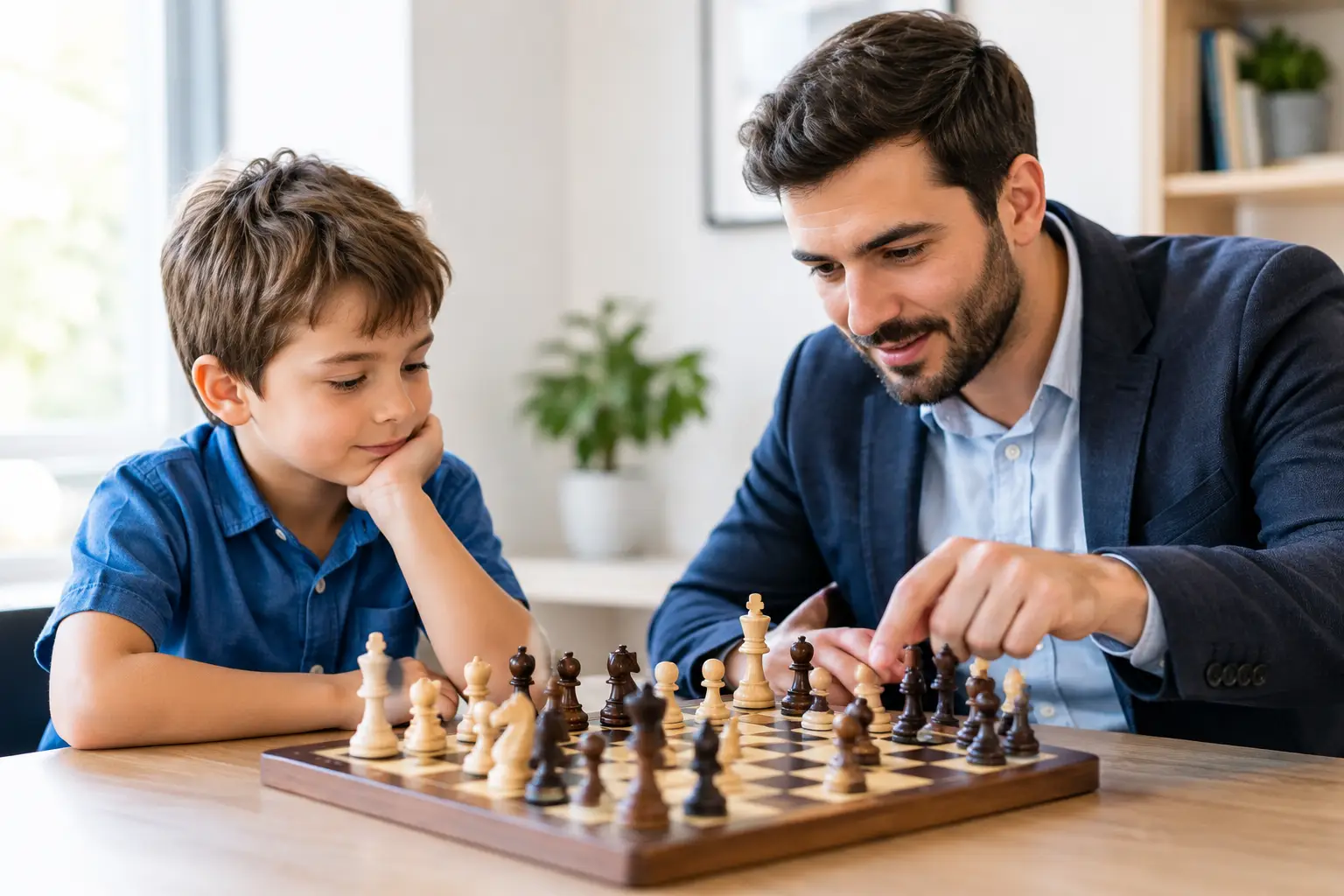
The next time your child finishes a game, resist the urge to find every error. Sit beside them, celebrate one thing they did well, and explore one position with curiosity. That small routine can turn each game - win, loss, or draw - into a step toward a more confident chess player.

Ready to see chess click for your child?
Book a free 20–30 minute trial lesson with one of our coaches — no commitment, no payment needed.