10 Benefits of Chess for Kids That Last
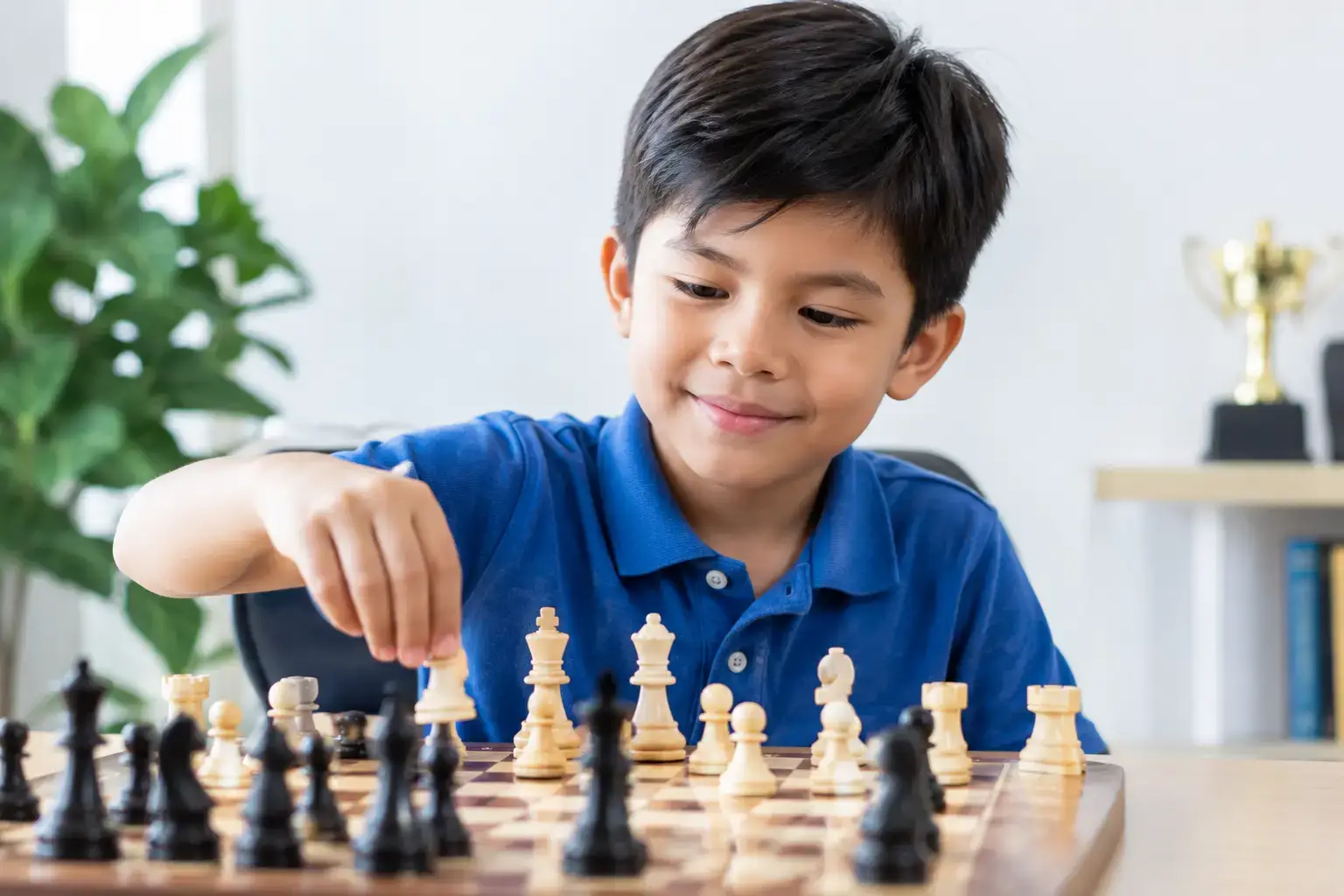
A child sits still for a chess game longer than they sit still for homework, and that usually gets a parent’s attention fast. One of the biggest benefits of chess for kids is that it teaches serious thinking in a format children actually enjoy. It feels like a game, but under the surface, kids are practicing focus, patience, planning, and emotional control every time they play.
That does not mean chess is magic, and it does not mean every child who learns chess will suddenly become calmer, sharper, and more organized overnight. But when chess is taught well - at the right level, with the right support - it can become one of the most productive activities a child adds to their week.
Why the benefits of chess for kids go beyond the board
Chess asks children to do something many activities do not. It asks them to slow down, look closely, think ahead, and live with the results of their choices. That combination is powerful because it builds habits that carry into school, sports, and everyday life.
For younger kids, the first win is often attention span. They start by learning how the pieces move, then gradually learn to stay with a position long enough to make a plan. For older kids, the growth is often more strategic. They begin to compare options, spot patterns, and think about consequences before acting.
The key point for parents is this: chess rewards process, not just talent. A child does not need to be a prodigy to benefit. In fact, many kids gain the most from chess when they start as complete beginners and build skill step by step.
10 benefits of chess for kids
1. Better focus and attention
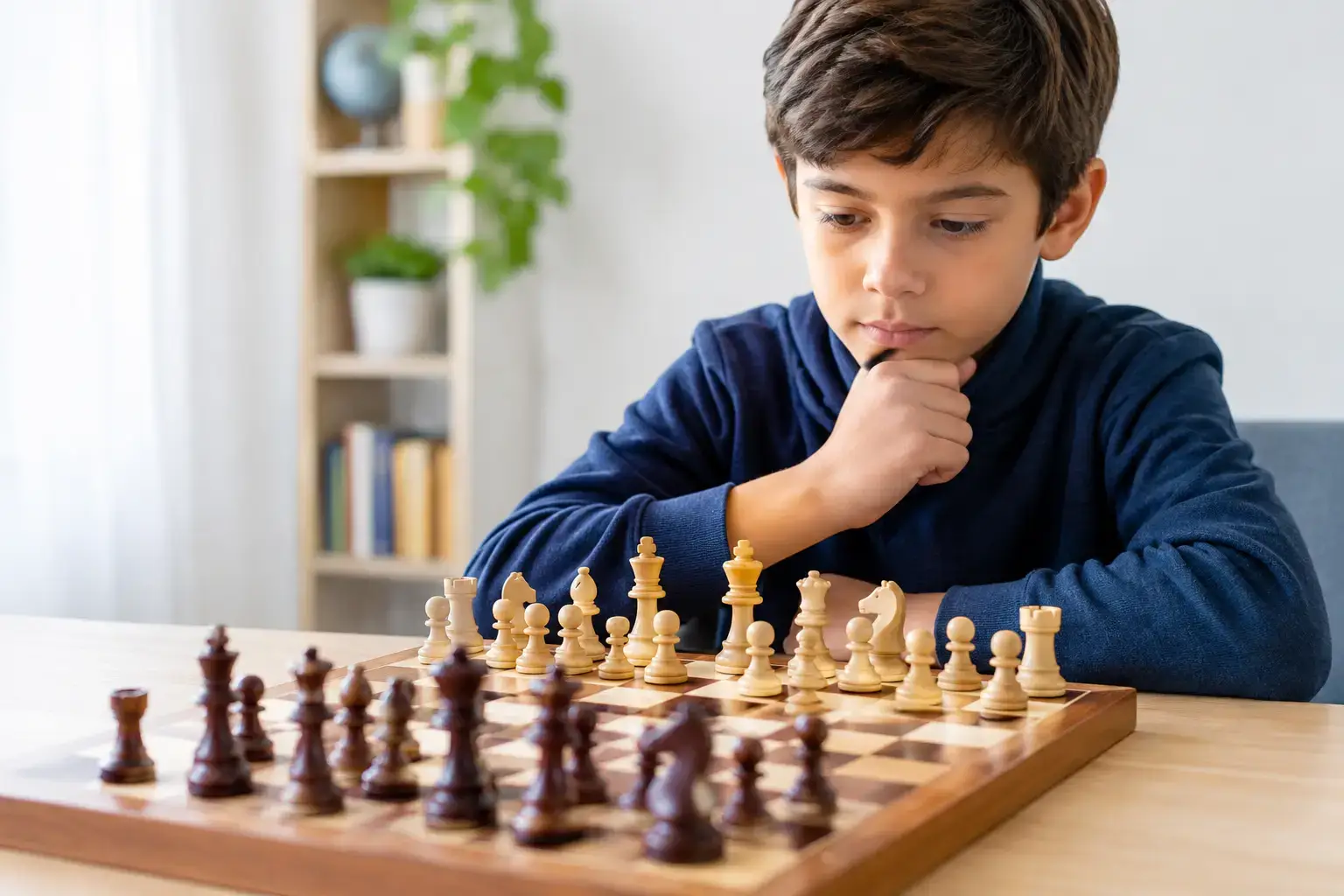
Chess trains kids to pay attention to details that matter. If they miss a threat, they lose material. If they rush, they often regret it a move later. Over time, children learn that concentration has a purpose.
This is especially helpful for kids who tend to bounce from one thing to the next. Chess gives them a clear reason to stay engaged. The board changes every move, and that keeps the brain active without the overstimulation that comes with many screen-based activities.
2. Stronger problem-solving skills
Every chess position presents a problem. Sometimes the problem is simple, like how to protect a piece. Sometimes it is deeper, like whether to attack now or improve the position first. Kids get repeated practice in breaking a big challenge into smaller decisions.
That kind of thinking helps beyond chess. Children begin to look at mistakes less dramatically and more practically. Instead of shutting down, they ask, what is the position now, and what is my best next move?
3. More patience
A lot of children want the answer right away. Chess pushes against that instinct. Good moves often come from waiting, evaluating, and resisting the urge to act too fast.
Patience does not develop in one lesson. Some kids improve quickly here, while others need time and reminders. But because chess gives immediate feedback, children start to connect patience with better results. That lesson sticks.
4. Improved memory
Chess involves remembering patterns, opening ideas, tactical themes, and checkmating concepts. Beginners might remember how a knight forks two pieces. More advanced players might recall common pawn structures or endgame techniques.
This is not rote memorization for its own sake. It is memory used in context, which tends to be more engaging and more useful. Kids remember because they want to play better, not because they were told to memorize a page.
5. Healthier decision-making
One underrated benefit of chess for kids is decision-making under pressure. Children learn that every move has consequences, and they cannot blame luck when the position goes wrong. That can be frustrating at first, but it is also incredibly valuable.
Chess teaches kids to gather information, compare options, and choose. Just as important, it teaches them to keep going after an imperfect decision. That resilience matters in school tests, sports competitions, and social situations where there is no perfect answer.
6. Emotional control
Few activities reveal frustration as honestly as chess. A blunder can happen in one second. A winning position can disappear just as quickly. Kids feel all of that, and with good coaching, they learn how to respond without falling apart.
This is where chess can be especially helpful for competitive children. They learn to handle disappointment, reset after mistakes, and respect the process of improvement. Not every child finds losing easy, but chess gives them regular, manageable chances to practice sportsmanship and composure.
7. Greater confidence
Confidence in chess is not built on empty praise. It comes from real progress. A child who could not castle properly a month ago now finishes a full game. A beginner who kept hanging pieces starts spotting tactics on their own. Those moments matter.
Because progress in chess is visible, kids can feel themselves getting stronger. For children who are cautious about trying new things, that sense of earned success can be a big deal. They start to trust their own thinking.
8. Strategic thinking
Chess is one of the clearest ways to teach a child that short-term choices affect long-term results. If they move a piece for a quick attack but weaken their king, they eventually see the trade-off. If they develop patiently, they often get a stronger position later.
This is not just advanced tournament thinking. Even young players can begin to understand simple strategy, like controlling the center, developing pieces, and making a plan. Those habits build mental discipline over time.
9. Respect for rules and structure
Children often thrive when expectations are clear. Chess has firm rules, but within those rules there is huge freedom. That balance works well for many kids, especially those who need structure without feeling boxed in.
They learn to follow a process, wait their turn, and play fairly. At the same time, they get to be creative. That mix of discipline and independence is one reason chess fits so well as an extracurricular activity.
10. A productive activity that can grow with your child
Some activities are great for one season and then fade out. Chess is different. A 5-year-old can start by learning piece movement and simple checkmates. A 10-year-old can begin playing full games and solving tactics. A teenager can work on calculation, openings, and tournament preparation.
That long runway is part of what makes chess worthwhile. It meets kids where they are, and it can keep challenging them as they grow.
What parents should know before starting chess
Chess works best when the experience matches the child. A curious beginner needs a different approach than a highly competitive player. Some children love the puzzle side. Others are motivated by games, ratings, or tournaments. There is no single right path.
It also helps to be realistic. Chess can build strong habits, but only with consistency. A child who plays once and quits after one frustrating loss will not see much benefit. A child who learns in a structured, encouraging environment usually does much better.
Teaching style matters too. If lessons are too advanced, kids get discouraged. If they are too repetitive, kids get bored. The sweet spot is clear instruction, steady challenge, and enough encouragement to keep going when the game gets tough.
How to help your child get the most from chess
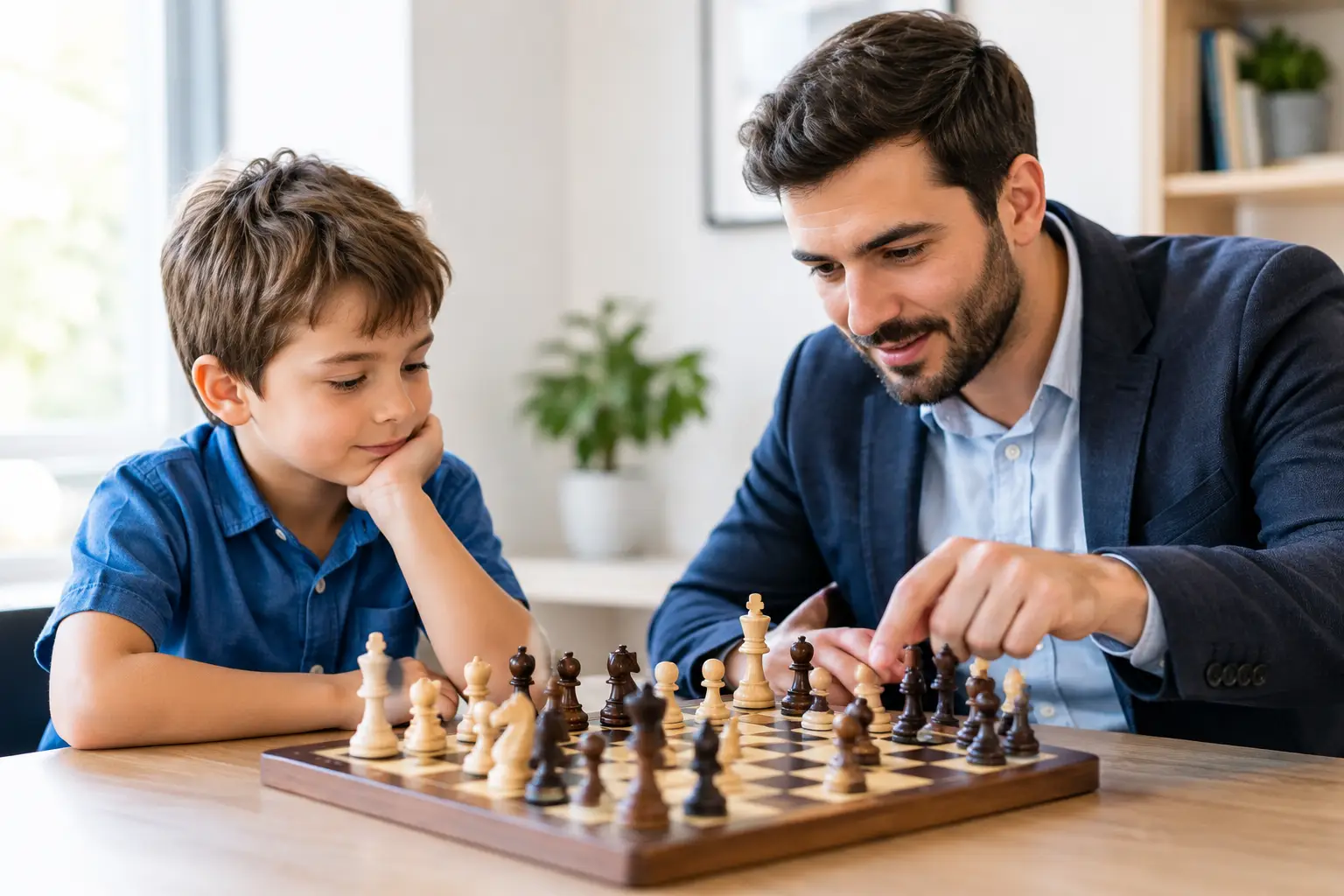
Parents do not need to know chess well to support progress. What matters most is creating a positive routine around it. A regular lesson time, chances to practice between sessions, and a calm response to wins and losses all help.
It is also smart to focus on improvement before competition. Tournaments can be exciting, but they are much more productive when a child understands basic habits first - how to check for threats, how to finish development, how to stay composed after a mistake. Strong fundamentals make competition less stressful and more rewarding.
If your child is just starting, guided instruction often makes the process smoother. At Savushkin Chess, that usually means meeting the child at their level, building a clear plan, and keeping lessons engaging enough that progress feels exciting, not heavy.
Are the benefits of chess for kids the same at every age?
Not exactly. Younger children often gain basic focus, listening skills, and confidence from early lessons. Elementary-age kids tend to show growth in planning, memory, and problem-solving. Older students often benefit most from deeper strategy, competitive discipline, and independent thinking.
Personality matters too. A quiet child may love the thoughtful pace of chess. A high-energy child may benefit from the challenge of slowing down and calculating. Some children take to chess right away, while others need time before the game clicks.
That is normal. The goal is not to force chess into every child’s life. It is to give them the chance to discover whether this kind of challenge brings out their best.
When chess is taught with patience, structure, and real encouragement, it becomes more than a game night skill. It gives children a place to think clearly, recover from mistakes, and see what steady effort can produce - and that is useful long after the pieces are packed away.

Ready to see chess click for your child?
Book a free 20–30 minute trial lesson with one of our coaches — no commitment, no payment needed.