10 Best Beginner Chess Drills for Young Kids
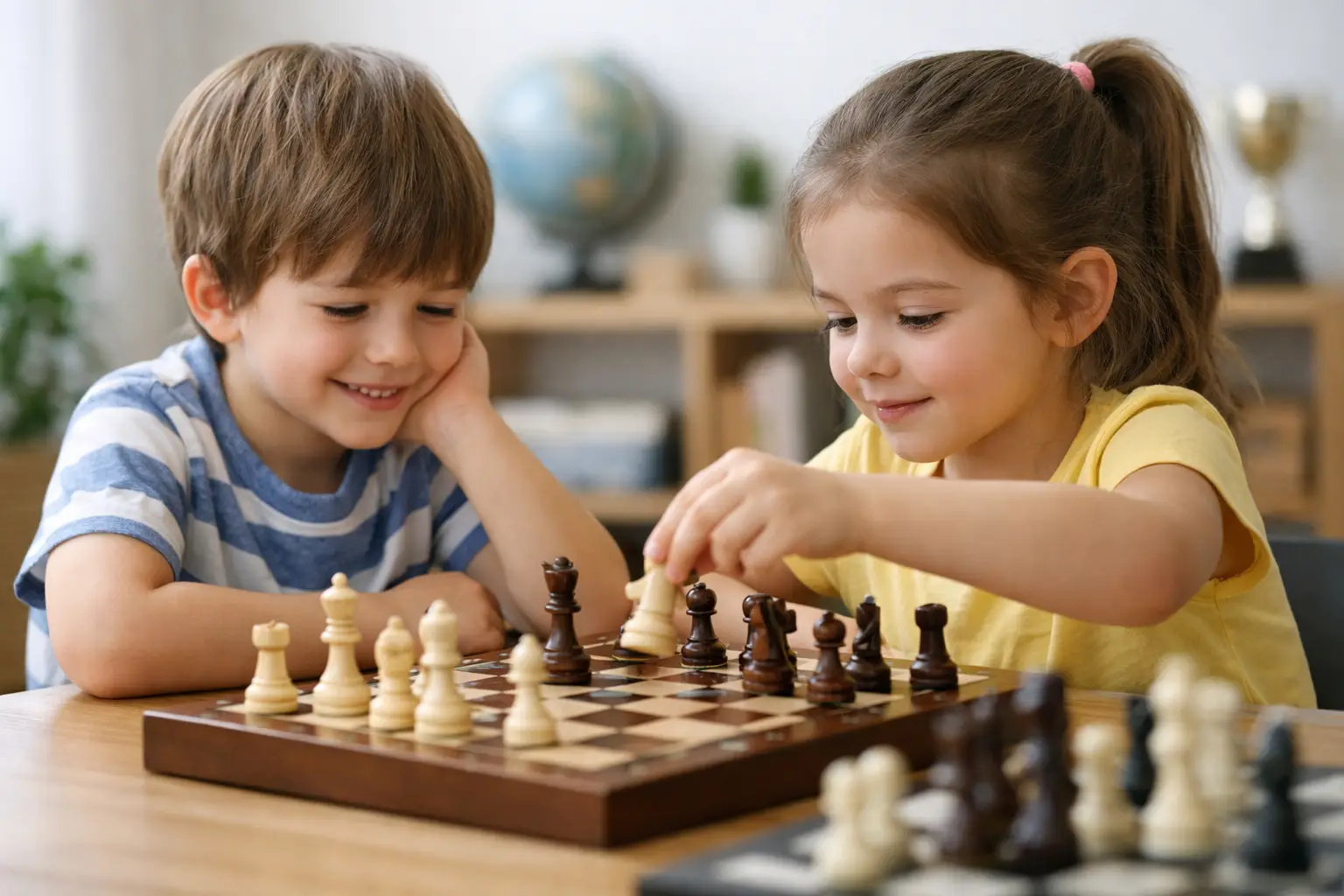
A child can know how every piece moves and still freeze when an opponent attacks. That is where the best beginner chess drills make a real difference. Short, repeatable exercises turn basic rules into instincts, helping young players spot threats, make calmer choices, and enjoy their first real games instead of feeling overwhelmed.
For parents, the goal is not to turn every practice session into a serious tournament. It is to give a child a clear next step. A good drill takes only a few minutes, has one simple purpose, and lets kids see progress quickly. Start with the drills below, keep sessions upbeat, and stop before chess begins to feel like homework.
Why Drills Work Better Than More Random Games
Full games are valuable, but they can be messy for beginners. A child may make 30 moves without getting enough practice in the one skill they need most, whether that is noticing an attacked piece or using a knight correctly.
Drills isolate a skill. They create repetition without boredom, especially when a parent or coach varies the position, uses a timer, or celebrates a new personal best. Once the skill becomes familiar, it is much more likely to appear in a real game.
The right difficulty matters. If a drill is too easy, a child rushes through it without thinking. If it is too hard, they guess. Aim for a challenge your child can solve with a little thought and occasional help.
10 Best Beginner Chess Drills for Kids
1. Piece Movement Race
Set up one piece and name a target square. Ask your child to move the piece legally to that square. Begin with pawns, rooks, bishops, and queens before adding knights and kings.
For example, place a rook on a1 and ask, “Can the rook reach e1?” Then add a friendly piece in its path and ask why the move no longer works. This drill builds board awareness and reinforces that sliding pieces cannot jump.
2. Knight Landing Squares
Knights deserve their own drill because their movement feels unusual to many new players. Put a knight in the center of an otherwise empty board and ask your child to point to every square it can attack.
Use the phrase “two in one direction, one to the side” rather than expecting a young child to memorize coordinates immediately. For younger players, place small markers on correct landing squares. For older beginners, give them 30 seconds to find all eight possible moves from d4.
3. Find the Attackers and Defenders
Choose a simple position with only a few pieces. Point to one piece and ask two questions: “Who is attacking it?” and “Who is protecting it?”
This is one of the most useful beginner habits because it slows down impulsive moves. Children who routinely check attackers and defenders lose fewer pieces for free. Start with one target piece, then gradually use positions where more than one answer is possible.
4. Hanging Piece Hunt
Set up a position where one side has a piece that is attacked but not defended. Ask your child to find the “hanging” piece before asking what move wins it.
At first, make the answer obvious: a bishop attacks an unprotected knight. Later, use a position with several pieces and let your child scan the board from left to right. The point is not speed alone. It is learning to look for loose pieces every turn.
5. One-Move Checkmate Puzzles
A checkmate puzzle gives beginners a satisfying finish line. Use very simple positions with a king, queen, and perhaps one rook. Ask your child to find a move that checks the king and leaves no escape.
Be careful not to give only puzzles where the queen does everything. Children also need to learn that their king helps in the endgame. A king and queen versus king setup is a useful next step, but it may require patient coaching at first.
6. Safe Capture or Unsafe Capture?
Place two pieces where a capture is available. Ask, “If you take this piece, what can take back?” Your child should say the move out loud before making it.
This drill teaches a crucial lesson: winning a piece is not always winning if your own piece is immediately lost. Use pawns and minor pieces first because their values are easier to understand. Once the idea is clear, introduce exchanges such as trading a bishop for a knight.
7. Pawn Promotion Challenge
Set a pawn on the second or third rank from promotion and give each side a king. The child’s job is to move the pawn forward safely and promote it. The opponent’s job is to stop it.
This drill makes pawn movement meaningful. It also teaches that pawns are not small, unimportant pieces. A passed pawn can become a queen, but only if the player pays attention to blockades, captures, and king support.
8. King Safety Check
Use a normal opening position after just a few moves. Ask your child to identify whether each king is safe, then ask what could make it safer. Common answers include castling, moving pieces away from danger, and not opening pawn lines near the king.
Keep the explanation practical. A beginner does not need a long lecture on opening theory. They need to recognize that an uncastled king in the center can become a target when lines open.
9. Three-Move Opening Plan
Instead of asking a child to memorize a long opening, set up the starting position and ask for a sensible three-move plan. The plan should usually include moving a center pawn, developing a knight or bishop, and preparing to castle.
After each move, ask one quick question: “What did that move help?” This encourages purposeful play. There are exceptions, of course. A child should respond to an immediate threat rather than blindly following an opening checklist.
10. Mini-Games With Fewer Pieces
Play a game using only kings, pawns, and rooks, or begin with a small set of pieces in the center. Fewer pieces mean fewer choices, so children can actually see tactics and plans.
Mini-games are especially helpful for kids who become discouraged in full games. They create frequent wins, losses, and lessons in a short time. Once your child handles the smaller board battles confidently, return to standard games and point out familiar ideas.
A Simple 15-Minute Practice Routine
Consistency beats occasional marathon sessions. Three or four short practices each week can build more confidence than one long session that ends in frustration.
A practical routine starts with three minutes of piece movement or knight squares. Spend the next five minutes on a tactical skill, such as hanging pieces or safe captures. Use four minutes for a mini-game or one-move mate puzzle, then finish with a three-minute review: “What did you notice? What will you check before your next move?”
Keep a simple record of wins, puzzle attempts, or skills practiced. Do not make it a pressure-filled scorecard. The record is there so your child can see that they once needed help finding knight moves and can now do it independently.
When a Parent Should Step In
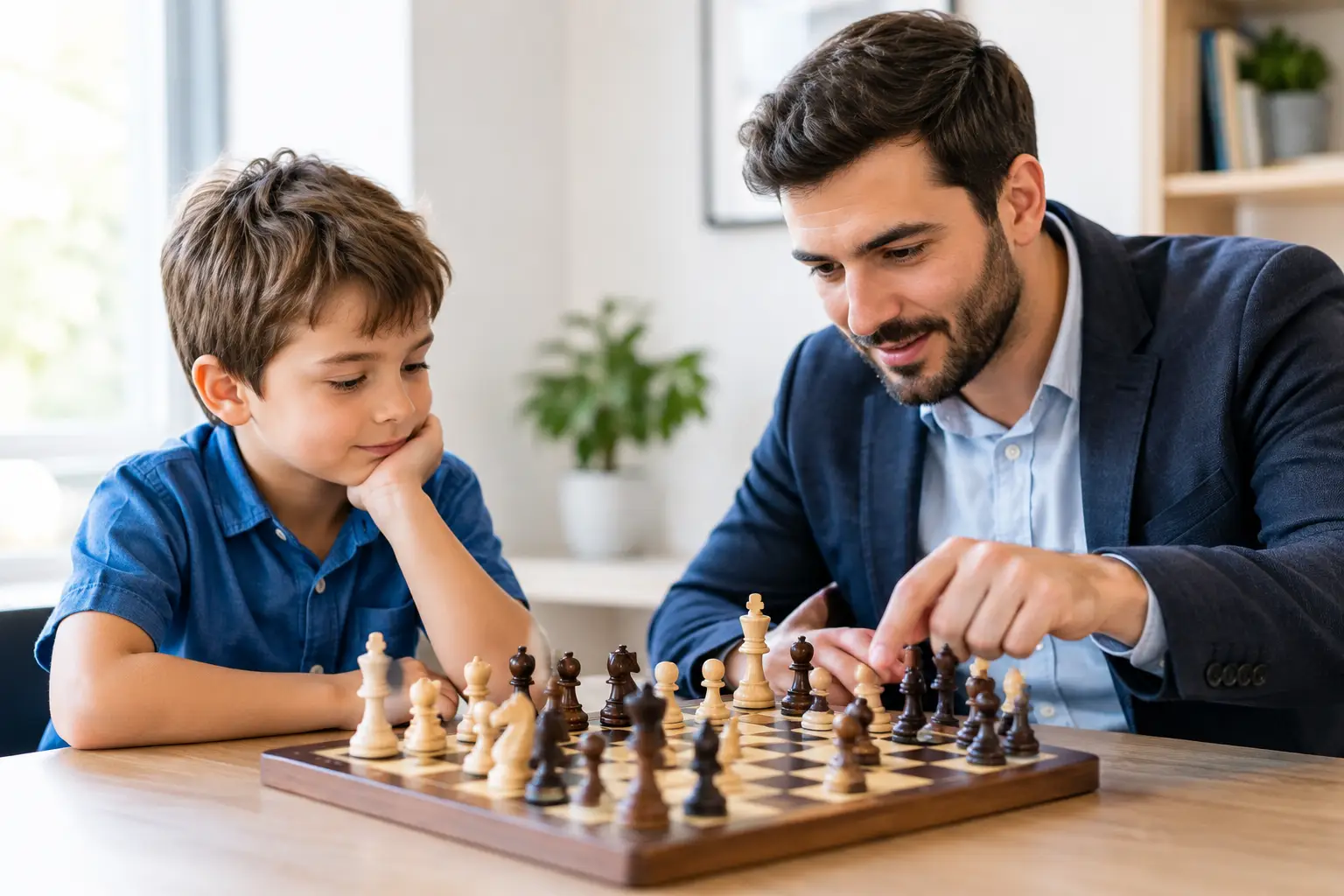
Parents do not need to know advanced chess to help. The most useful support is asking calm questions instead of giving the move. Try, “What is your opponent attacking?” “Is that piece protected?” or “What changed after that move?”
If your child is stuck, reduce the position rather than supplying the answer. Remove extra pieces, show one possible threat, or let them try again. A coach can add structure when progress stalls, particularly for children who are ready to move from puzzles into stronger games and tournament preparation. At Savushkin Chess, lessons use this same step-by-step approach so kids build skills they can use under real game pressure.
The best practice session ends with a child wanting one more puzzle, one more mini-game, or one more chance to spot the winning move. That curiosity is worth protecting. Give your young player small challenges, clear encouragement, and enough time to let the board start making sense.

Ready to see chess click for your child?
Book a free 20–30 minute trial lesson with one of our coaches — no commitment, no payment needed.