
7 Best Chess Sites for Children, by Learning Style
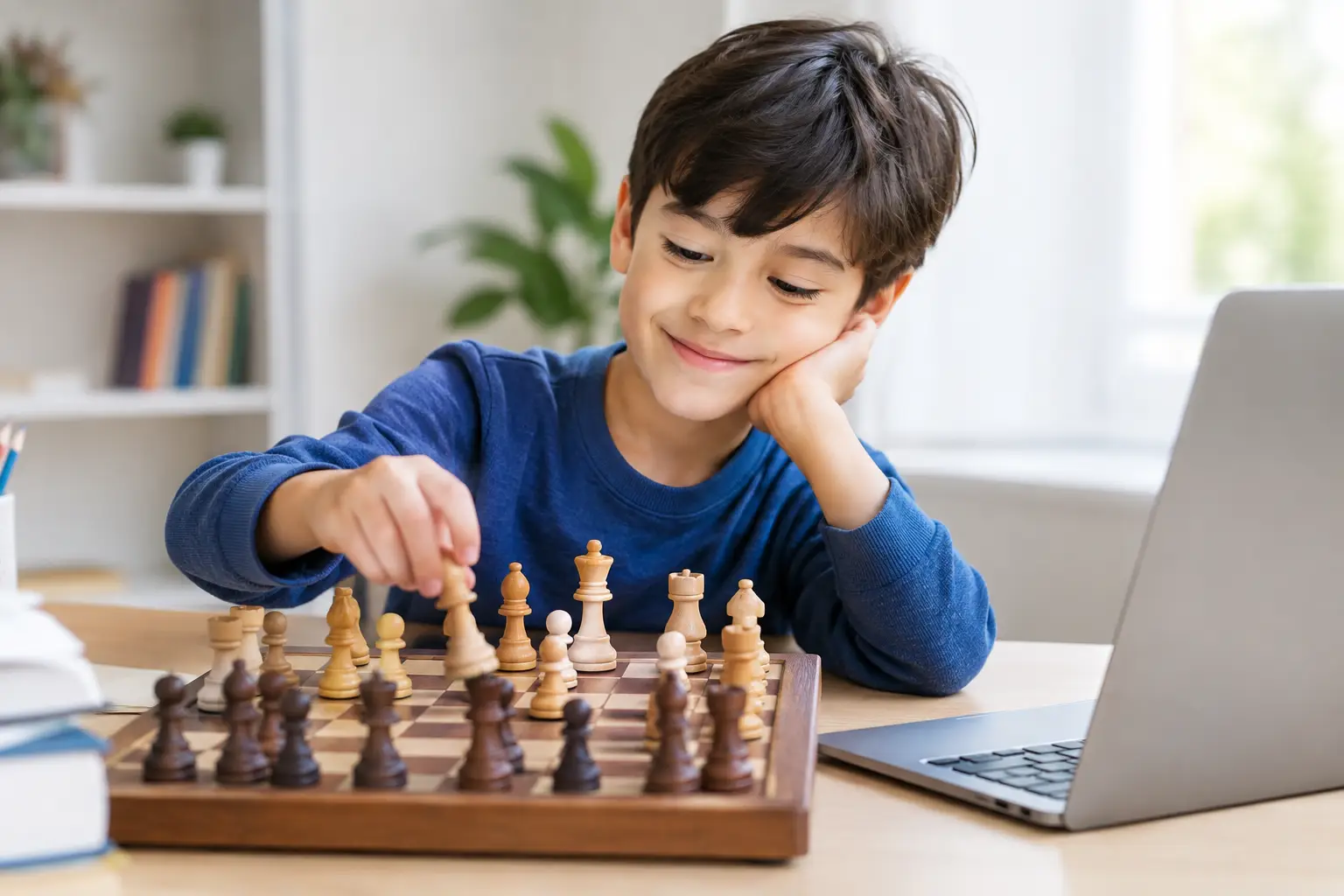
A chess site can turn a child’s first checkmate into a lasting hobby - or into 20 distracted minutes of clicking around and quitting. The best chess sites for children are not simply the ones with the most games. They give kids an age-appropriate place to learn, practice, make mistakes, and see progress without making parents worry about safety or wonder what their child is actually learning.
For most families, the right choice depends on what comes next. Does your child need to learn how the pieces move? Want daily puzzles and friendly games? Need a coach who can correct habits before they become frustrating? Here are seven strong options, along with the situations where each one makes the most sense.
What Makes a Chess Site Good for Kids?
A child-friendly chess platform should offer more than a bright design. Look for clear lessons, sensible privacy controls, and games matched to a child’s level. A six-year-old who is still learning legal moves needs a very different experience from a 12-year-old preparing for a school tournament.
Parents should also consider how much structure their child needs. Self-paced sites are excellent for curious, independent learners. They can be less effective for children who skip lessons, rush through puzzles, or get discouraged after a few losses. In those cases, regular live coaching provides accountability and a clear plan.
It also helps to separate playing from learning. Fast online games are exciting, but improvement comes from reviewing mistakes, practicing tactics, learning basic endgames, and talking through decisions. The strongest setup often combines a safe place to play with guided instruction.
7 Best Chess Sites for Children
1. ChessKid for younger beginners
ChessKid is designed specifically for children, making it an easy starting point for many families. Its kid-friendly lessons, puzzles, videos, and protected playing environment help beginners learn without being dropped into an adult-focused chess community.
This is a particularly good fit for children roughly ages 5 to 10 who respond well to colorful visuals and short activities. Parents may appreciate the family-oriented controls and the ability to monitor progress. The main trade-off is that a child can still click through content without fully understanding it. If lessons become too easy or progress stalls, a coach can add the explanation and challenge that an app cannot always provide.
2. Chess.com for variety and motivated players
Chess.com has a huge library of puzzles, lessons, bots, videos, and games. For a child who already enjoys chess and wants something new to do every day, that variety can be motivating. Older children and teens often like its competitive feel, ratings, clubs, and opportunities to play opponents from around the world.
The size of the platform is both its strength and its challenge. There is a lot to explore, which can make it harder for younger players to follow a purposeful path. Parents should set up privacy features carefully, discuss good online behavior, and encourage children to spend time learning between games. It is a better independent-practice tool for a child who can handle some freedom than a complete beginner who needs step-by-step teaching.
3. Lichess for free practice and clean tools
Lichess is popular with chess players because it offers free games, puzzles, analysis tools, and studies in a simple interface. It can be a practical option for families who want to play and practice without immediately committing to a subscription.
For children, Lichess works best with parent involvement. Its design is less playful than a kid-specific platform, and the range of tools may feel more appealing to older beginners, tournament players, and teens. A parent can help create an account, choose appropriate settings, and show a child how to review a game rather than immediately starting another one.
4. Chessable for building a study habit
Chessable focuses on repetition and memory. Its courses can help young players retain opening ideas, tactical patterns, and endgame positions through scheduled review. That can be useful once a child has a basic understanding of chess and is ready to study more consistently.
This is not usually the first site we would choose for a brand-new player. Memorizing moves before understanding the reasons behind them can lead to brittle knowledge. But for an older child who has learned fundamental principles and enjoys a routine, Chessable can support steady improvement. It works especially well when the material is selected by a coach who knows what the child is ready to learn.
5. ChessTempo for serious puzzle practice
ChessTempo is built around tactical training, which means spotting forks, pins, discovered attacks, mating patterns, and other ideas that decide real games. Children who love a challenge can improve their calculation and board vision by solving a small number of carefully chosen puzzles each day.
The site is more functional than playful, so it will not appeal to every young learner. It is best for children who already know the basics and can stay patient when a puzzle takes several minutes. A good rule is quality over quantity: five thoughtful puzzles with a quick explanation of the missed idea are more valuable than racing through 30 guesses.
6. ChessKid tournaments and school-based clubs
A site is sometimes most valuable because of the community built around it. Many schools, camps, and local chess programs use online platforms to organize supervised games and friendly tournaments. For a child who enjoys playing with familiar classmates, this can make chess feel social rather than solitary.
The quality of the experience depends on the adults organizing it. Ask whether games are supervised, how players are grouped by level, and whether children receive feedback afterward. A tournament is exciting, but it becomes a learning opportunity when a child is helped to understand one or two key moments from each game.
7. Live online coaching for personalized progress
No chess site can watch a child hesitate before a move, notice that they are guessing, or explain a mistake in language that makes sense to that specific child. That is where live coaching stands apart. One-on-one lessons give children a structured path from piece movement and checkmate patterns to tactics, strategy, and tournament preparation.
For children who are brand new to chess, coaching can build confidence before online play becomes intimidating. For stronger players, it can address the patterns that ratings and puzzle scores do not explain: rushing in winning positions, missing opponent threats, or relying too heavily on memorized openings. Savushkin Chess uses live, child-centered lessons and individualized plans so families can see what a child is working on and why it matters.
The trade-off is that coaching requires a scheduled commitment, while a practice site is available anytime. For many families, that structure is exactly the benefit. A short weekly lesson, followed by a few well-chosen games or puzzles, is often more productive than hours of unplanned screen time.
How to Choose the Right Platform for Your Child
Start with your child’s current stage, not their age alone. A seven-year-old who has been playing with a grandparent for a year may be ready for tactics and game review. A 13-year-old who has never played needs the same clear foundation as any other beginner.
If your child is just starting, prioritize a kid-friendly interface and basic lessons. Choose a site with short activities, limited distractions, and a safe playing environment. Do not worry about openings or ratings yet. Learning to protect pieces, recognize check, and enjoy a simple plan matters much more.
If your child already knows the rules, look for a balance of puzzles, slower games, and feedback. Rapid or blitz games can be fun, but they should not be the only activity. Children learn better when they have time to ask, “What is my opponent threatening?” before they move.
For a competitive child, choose tools that support tournament goals. That may mean regular game analysis, tactical training, classical time controls, and a coach who can identify the next skill to build. More games do not automatically create more improvement. Deliberate practice does.
A Simple Weekly Chess Routine That Works
A sustainable routine does not need to be complicated. Younger beginners may do best with one live lesson or guided session, two short puzzle practices, and one or two slower games each week. Keep sessions brief enough that chess remains enjoyable.
Older or more experienced players can add game review and longer practice blocks. After each game, have them identify one moment they felt unsure about. That question leads to better reflection than focusing only on whether they won or lost.
Parents do not need to become chess experts to support progress. Ask your child to show you a puzzle they solved, explain their favorite move from a game, or teach you a new checkmate pattern. When children explain an idea aloud, they strengthen their own understanding.
The best platform is the one your child will use with curiosity and consistency. Start with a safe, appropriate option, watch how they respond, and adjust when they are ready for more challenge. A patient next step is far more valuable than finding the most advanced site on day one.

Ready to see chess click for your child?
Book a free 20–30 minute trial lesson with one of our coaches — no commitment, no payment needed.


