Can Chess Improve Focus in Children?
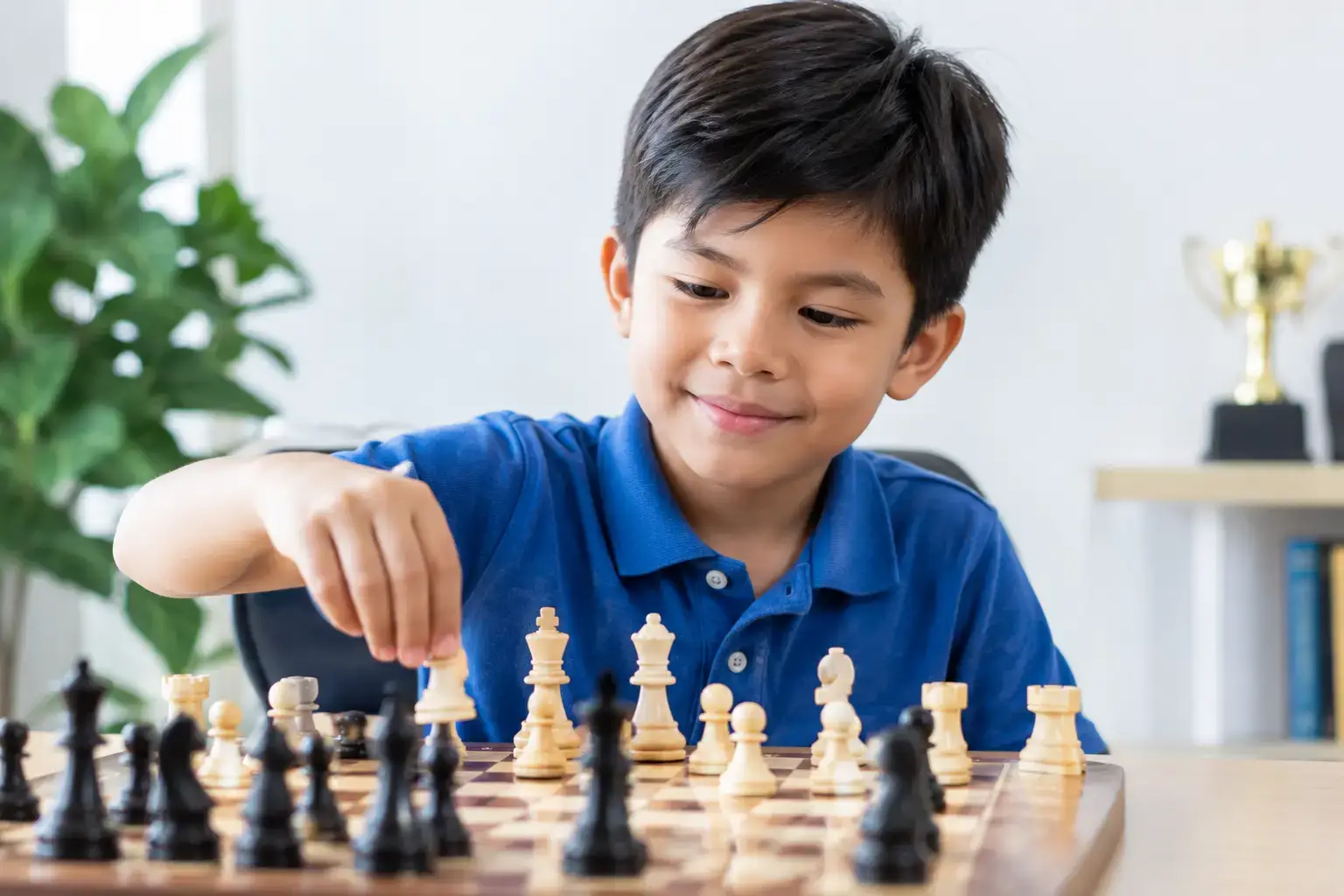
A child sits still for exactly three minutes during homework, then starts tapping a pencil, looking out the window, and asking for a snack. Later that same day, the same child spends twenty focused minutes trying to figure out a chess puzzle. That contrast is one reason so many parents ask: can chess improve focus in children?
The short answer is yes, it often can. But not by magic, and not in every situation. Chess does not flip a switch that suddenly makes a child attentive in school, calm at home, and organized in every part of life. What it can do is give children repeated practice in the mental habits that support focus - paying attention, slowing down, noticing details, and sticking with a task long enough to solve it.
That matters because focus is not just a personality trait. It is a skill. And like most skills, it gets stronger with the right kind of practice.
Can chess improve focus in children over time?
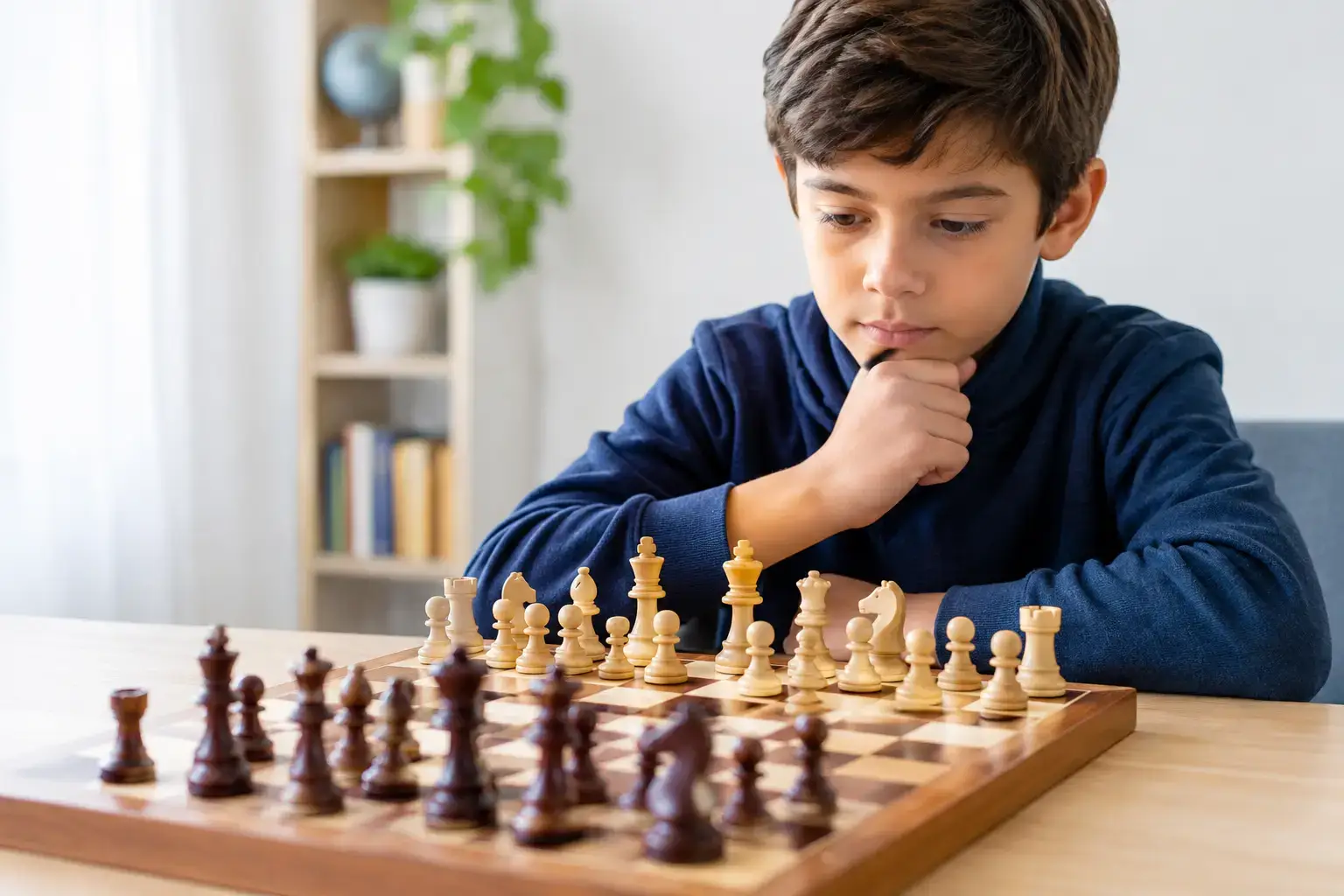
In many cases, yes. Chess asks a child to do something that modern life rarely demands for long: stay mentally present. During a game, children need to track the position, remember how pieces move, notice threats, and think ahead before acting. If they rush, they lose material. If they stop paying attention, they miss the opponent's plan.
That feedback is immediate and clear, which is part of why chess can be so effective. A child does not hear a vague message like, "try harder to focus." Instead, they learn a concrete lesson: "I moved too fast and hung my queen," or "I took my time and found the better move." Over time, those moments build awareness.
The strongest gains usually happen when chess is taught in a structured way. Random games can be fun, but guided instruction helps children learn how to think, not just what to move. When a coach consistently reinforces habits like checking for threats, scanning the whole board, and taking a breath before each move, children begin to build routines that support concentration.
Why chess helps some kids concentrate better
Chess works well for focus because it combines rules, challenge, and visible progress. Children are more likely to concentrate when an activity feels meaningful. Chess gives them a clear goal, a sense of control, and a problem they can actually solve.
It also rewards patience. Many kids are used to quick entertainment and instant feedback. Chess is different. It teaches that the best answer is not always the fastest answer. That is a powerful lesson for children who tend to act before thinking.
There is also a motivational piece that parents sometimes overlook. Kids often focus better when they care about the outcome. In chess, they usually do. They want to win the game, save the piece, solve the puzzle, or beat their own previous level. That personal investment can hold attention longer than a worksheet ever could.
For younger children, the visual nature of chess helps too. They are not only listening. They are seeing patterns, moving pieces, and interacting with the position. For many learners, especially active ones, that combination is easier to stay engaged with than purely verbal instruction.
What chess is really training
When parents ask whether chess improves attention, they are often talking about a few different abilities at once. Chess can support several of them.
First, it trains sustained attention. A child has to stay with one problem for more than a few seconds. Even short games require continued mental effort.
Second, it builds selective attention. Good players learn to ignore distractions and focus on the details that matter - attacked pieces, open lines, checkmate threats, and tactical patterns.
Third, it develops impulse control. One of the most common beginner mistakes is making the first move that looks good. Chess teaches children to pause, evaluate, and compare options.
Finally, it strengthens mental stamina. Not every position is exciting. Some require patience. Learning to stay calm and think anyway is a valuable skill that carries beyond the board.
These are exactly the kinds of habits many parents want to see grow, whether the goal is better homework routines, improved classroom behavior, or more confidence in structured activities.
What parents should expect - and what they should not
It is reasonable to hope that chess will help a child become more focused. It is not realistic to expect overnight transformation.
Some children show changes quickly. A parent may notice that their child is thinking before acting, sitting longer with puzzles, or becoming more comfortable with quiet concentration. Other children improve more gradually. The benefit often depends on age, personality, teaching quality, and consistency.
It also depends on what kind of focus challenge a child has. If a child is simply inexperienced with structured thinking, chess can help a lot. If a child has significant attention difficulties, chess may still be useful, but it should be viewed as one supportive activity, not a stand-alone fix.
This is where expectations matter. Chess can strengthen the habits behind focus. It cannot replace sleep, movement, healthy routines, or professional support when those are needed.
Can chess improve focus in children with short attention spans?
Often, yes - especially when lessons are paced well and matched to the child.
A common mistake is assuming focus only grows through long, serious sessions. For many kids, especially beginners, that backfires. Better results usually come from short bursts of high-quality thinking. A 30-minute lesson with strong coaching, active participation, and the right level of challenge can do far more than an hour of frustration.
Children with short attention spans usually respond best when chess is taught as a sequence of manageable wins. Learn one pattern. Solve two puzzles. Play a short game. Review one mistake. That rhythm keeps the brain engaged without overload.
The other key is success. If chess feels confusing every time, a child drifts. If the lesson is too easy, the same thing happens. The sweet spot is challenge with support. That is where real concentration starts to grow.
How structured chess lessons make the difference
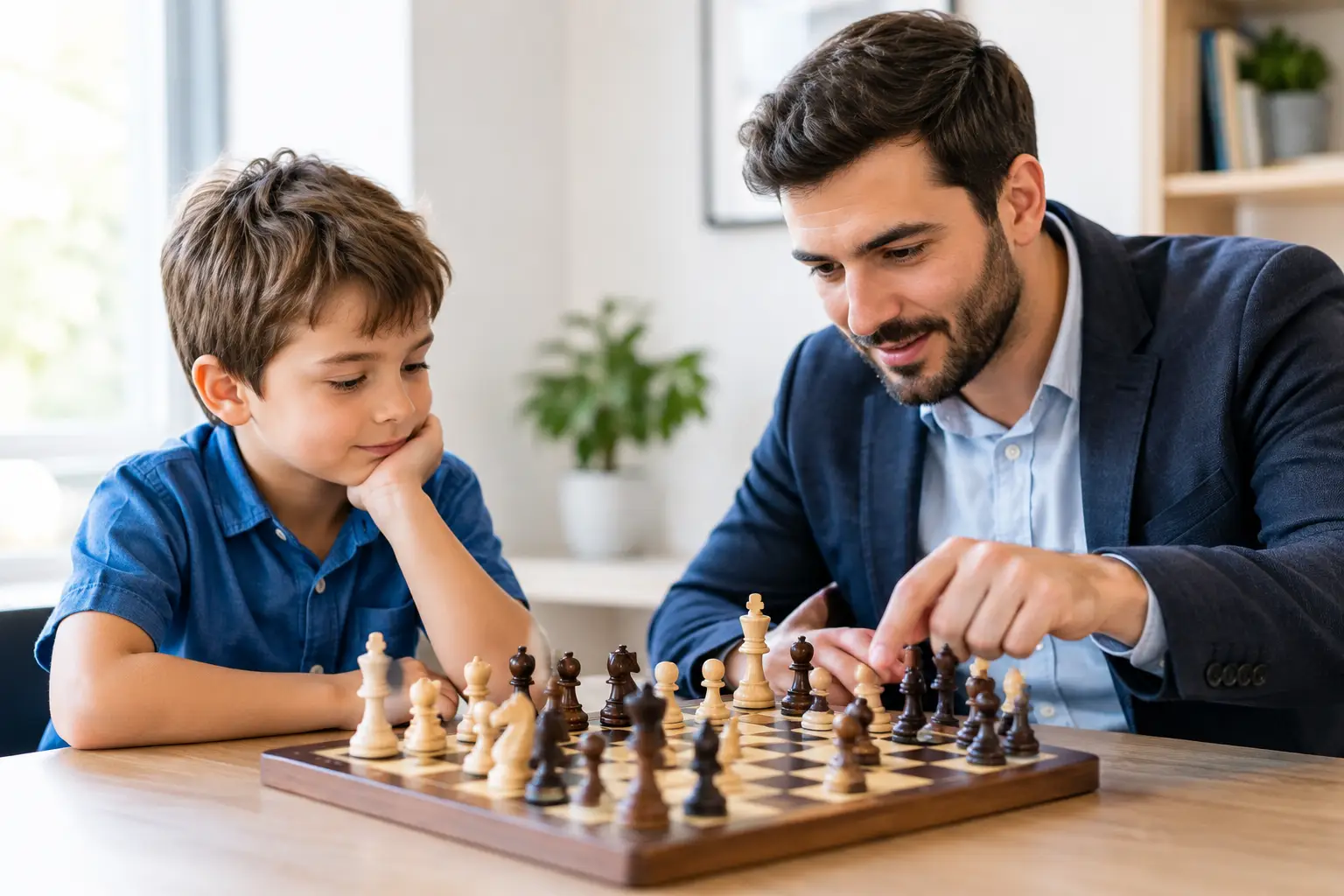
This is why coaching matters. A child left alone with an app may learn rules, but not necessarily better focus. A strong coach teaches attention deliberately.
For example, a coach might ask a child to follow the same checklist before every move: What is my opponent threatening? Which pieces are undefended? Do I have a check, capture, or attack? That routine slows impulsive play and builds mental discipline.
Coaches also know how to keep children engaged without letting lessons become chaotic. They adjust pacing, mix instruction with practice, and challenge the student just enough to hold attention. Parents often notice that children focus longer when someone is guiding the process, encouraging them, and keeping the session organized.
At Savushkin Chess, this structured, child-centered approach is a big part of why families see progress. Kids are not just playing games. They are learning how to think through them step by step.
Signs chess is helping your child focus
Parents usually see progress in small ways before they see it in big ones. A child may start checking the board before moving instead of rushing. They may stay with a puzzle longer instead of giving up right away. They may become more comfortable sitting through a full lesson and remembering key ideas from the previous week.
You might also notice better frustration tolerance. That counts. Focus is not only about looking at one thing. It is also about staying mentally engaged when the task gets hard.
Some parents later see crossover into schoolwork or other activities. A child may plan more carefully, listen longer, or show more patience with multi-step tasks. That transfer is real for some kids, but it is not automatic. The more chess thinking is reinforced consistently, the more likely those habits are to carry over.
When chess may not help as much
Chess is a strong tool, but it is not the right fit for every child at every moment.
If a child strongly dislikes slow-paced thinking games, forcing chess can create resistance rather than focus. If lessons are poorly matched to skill level, kids can become bored or discouraged. And if a child is already overloaded with activities, adding one more thing may hurt attention instead of helping it.
That does not mean chess has no value. It means the setup matters. The lesson length, teaching style, coach-child match, and overall family schedule all affect results.
Parents get the best outcome when they treat chess as a steady practice, not a pressure test. The goal is not perfect behavior at the board. The goal is gradual growth in attention, patience, and self-control.
If you are wondering whether chess is worth trying, the best question is not "Will this fix focus?" It is "Will this give my child a structured, enjoyable way to practice focus?" For many children, the answer is yes - and that can be the start of meaningful change, one thoughtful move at a time.

Ready to see chess click for your child?
Book a free 20–30 minute trial lesson with one of our coaches — no commitment, no payment needed.