Can Shy Children Learn Chess? Yes, Here’s How
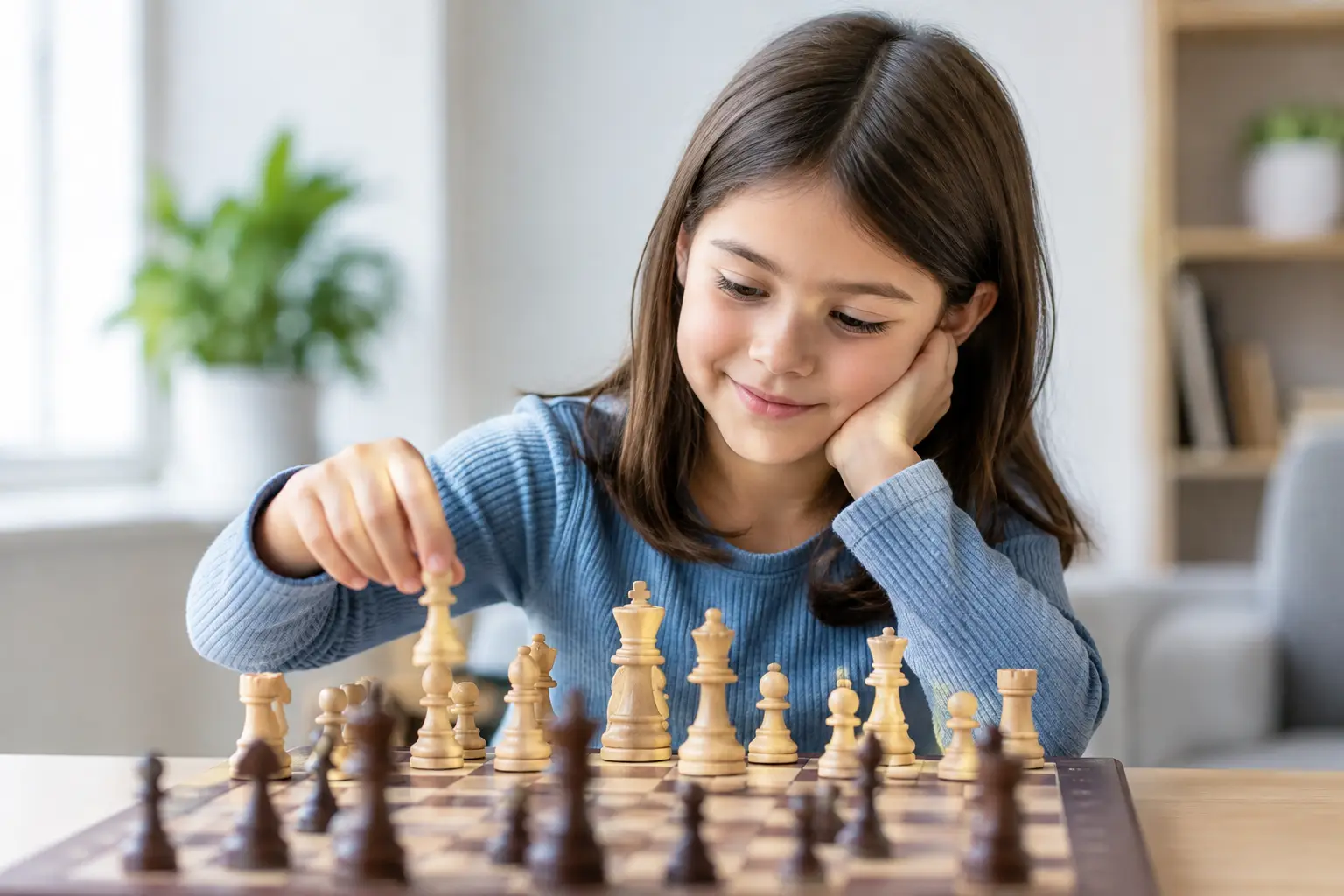
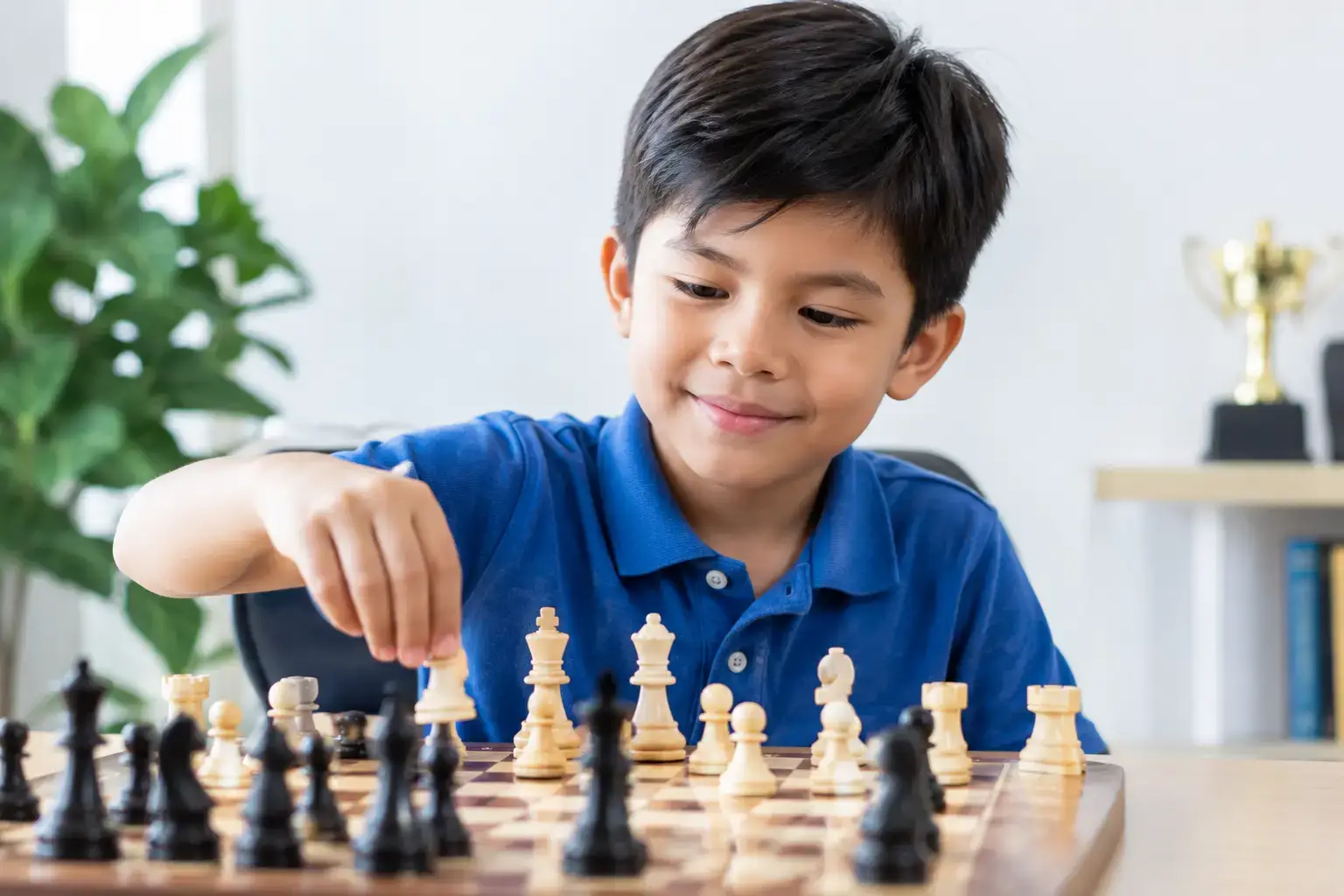
A child does not need to be the loudest one in the room to become a strong chess player. In fact, many thoughtful, observant children are naturally drawn to the quiet concentration chess offers. So, can shy children learn chess? Absolutely. The key is giving them a setting where they can think, ask questions, make mistakes, and improve without feeling put on the spot.
For parents, shyness can sometimes make a new activity feel like a risky choice. Will my child speak to the coach? Will they freeze during a game? Will competitive play make them anxious? These are fair questions. With patient instruction and the right pace, chess can become a low-pressure way for a child to build real confidence - one move at a time.
Why Chess Can Be a Great Fit for Shy Children
Chess rewards qualities that shy children often already have: careful observation, patience, listening, and the ability to focus deeply. A child does not have to shout an answer, race around a field, or join a noisy group to participate. They can look at the board, consider their choices, and communicate when they are ready.
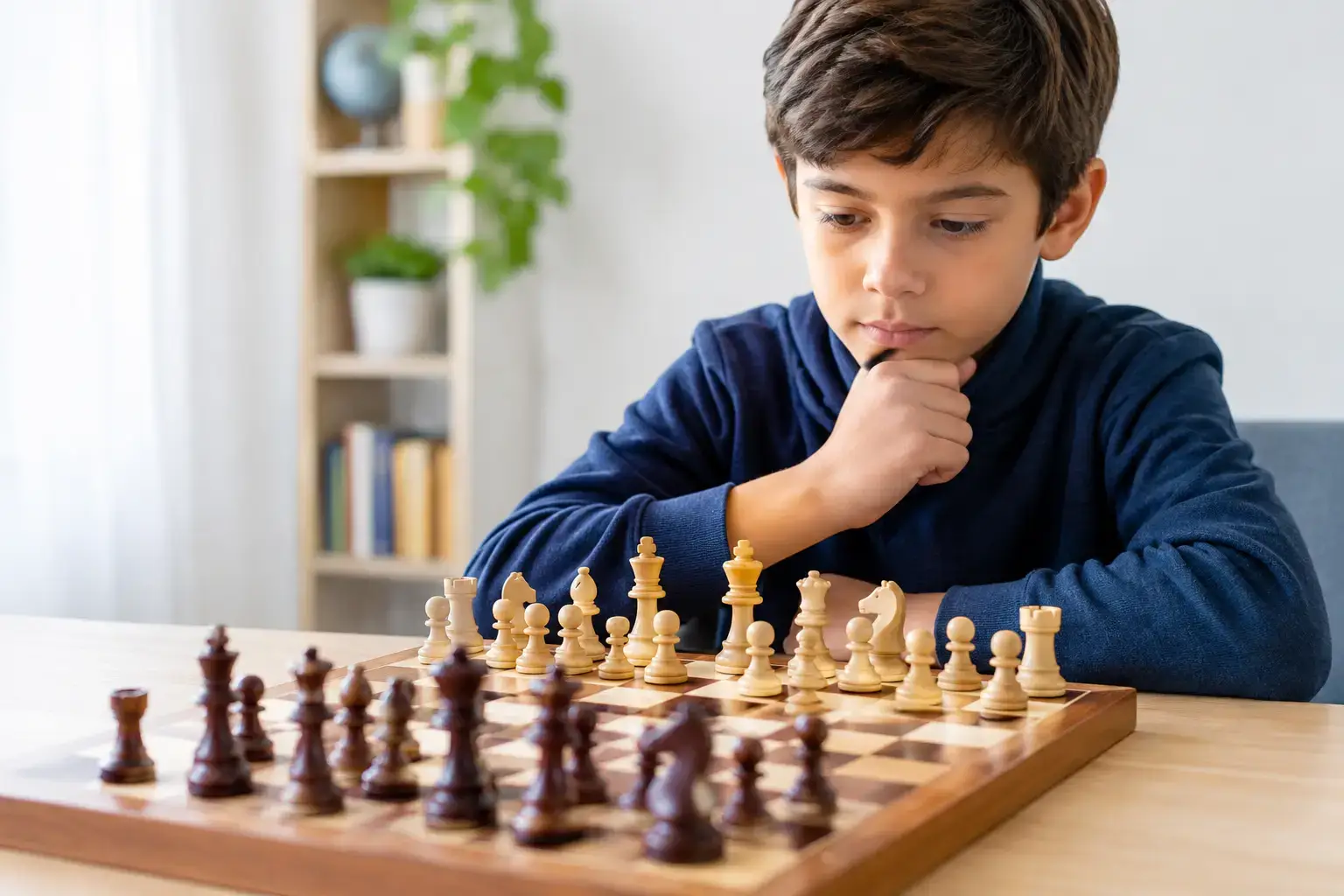
That quiet space matters. In chess, a pause is not a problem. Taking time to think is part of the game. Children learn that they do not need to have an instant answer to be capable. They can study the position, test an idea, and decide on a move.
Chess also creates a clear structure. Each piece has a job. Each game has rules. Each lesson can build from one small skill to the next. For a child who feels overwhelmed by unstructured social situations, that predictability can make learning feel safer and more enjoyable.
Of course, every child is different. Some shy children want immediate one-on-one interaction, while others need a few lessons before they are comfortable talking much. The goal is not to change a child’s personality. It is to help them feel secure enough to participate in their own way.
Can Shy Children Learn Chess Online?
Online chess lessons can be especially helpful for children who find a new classroom or group setting intimidating. Learning from home removes several pressure points at once: unfamiliar rooms, noisy transitions, and the feeling of walking into a group where everyone else already knows one another.
In a live, coach-led online lesson, a child can focus on the board and the coach without a room full of eyes on them. They may start by answering with short responses, pointing to a move on the screen, or simply listening closely. As trust grows, many children begin asking more questions and sharing their ideas naturally.
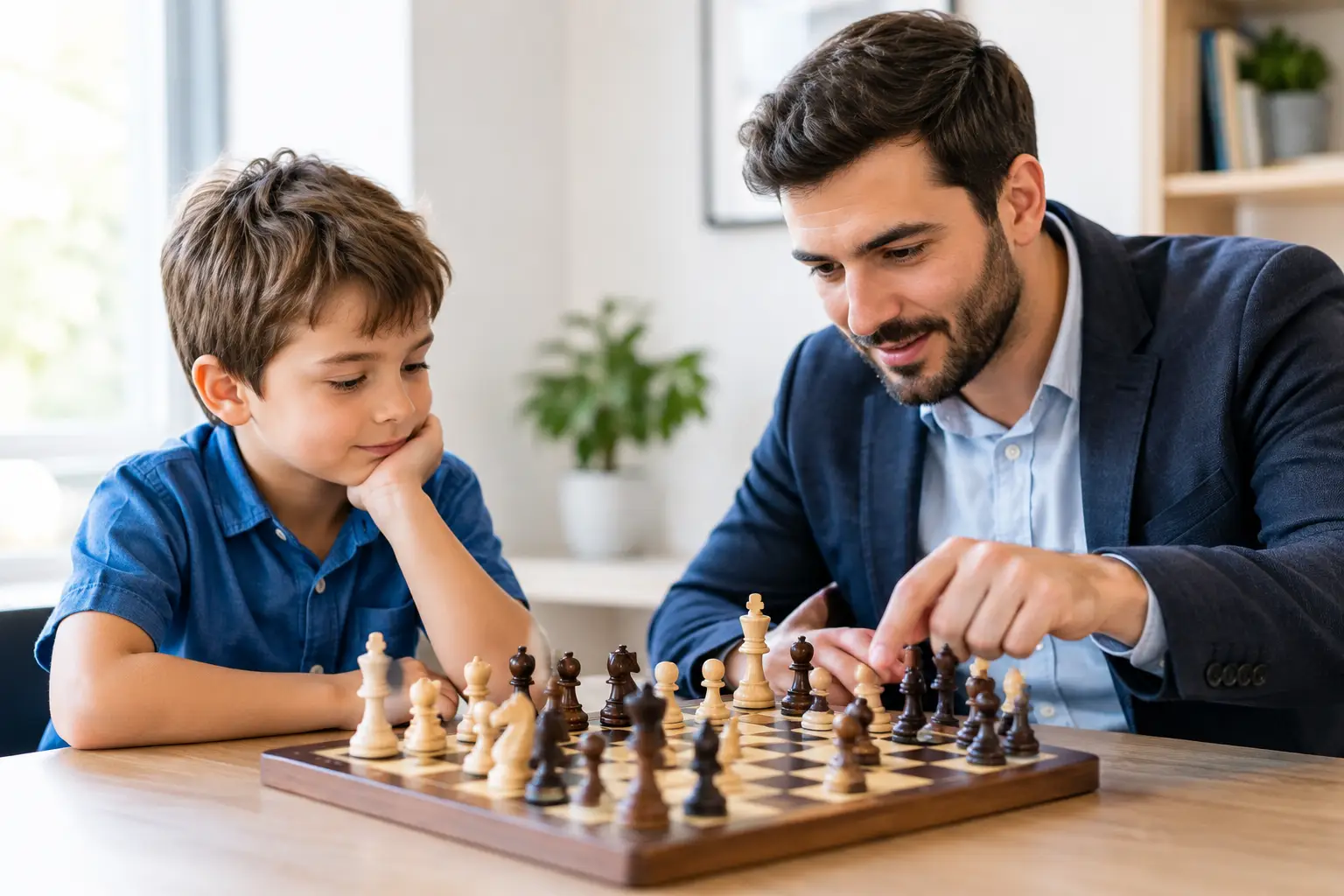
One-on-one instruction gives a coach the chance to notice those small changes. A good coach does not mistake quietness for lack of interest or understanding. They give the child time to think, explain ideas in simple steps, and celebrate progress without making a big public spectacle of it.
For some children, a small group can also work well after they have learned the basics. Playing with peers can be motivating and fun. But group lessons should feel supportive, not like a test. A shy beginner may benefit most from individual lessons first, then move into friendly games or small tournaments when they are ready.
What Helps a Shy Child Feel Comfortable Learning Chess
The first few lessons set the tone. Children are more likely to stay engaged when they know what to expect and feel that mistakes are normal. A coach should begin with approachable goals, such as learning how the pieces move, spotting a simple checkmate pattern, or winning a pawn with a basic tactic.
Parents can help by avoiding pressure-heavy language. Instead of asking, “Did you win?” try asking, “What was one move you liked?” or “What did you learn today?” These questions keep the focus on effort and discovery rather than performance.
It also helps to let the child have some control. They might choose the color of their pieces, pick a puzzle theme, or decide whether they want to explain a move aloud or show it on the board. Small choices can make a new experience feel much more manageable.
A predictable routine is another confidence builder. When lessons happen at a familiar time and follow a clear pattern - review, new idea, practice, game - children know what is coming. That sense of control often makes it easier for them to speak up.
Build Confidence Through Small, Visible Wins
Confidence in chess rarely comes from one dramatic victory. It comes from seeing proof of improvement. A child learns to set up the board independently. Then they remember how the knight moves. Then they spot a fork in a puzzle. Soon, they can explain why protecting the king matters.
Those moments add up.
For shy children, visible progress is especially powerful because it gives them something concrete to trust. They do not have to feel outgoing before they can feel successful. They can see that they solved a problem, learned a pattern, or played a smarter game than they did last month.
Coaches and parents should praise specific actions rather than offering vague compliments. “You slowed down and checked whether your king was safe” is more helpful than simply saying, “Good job.” Specific feedback teaches children what they did well and what they can repeat next time.
Losses need the same calm approach. Chess involves mistakes, even for experienced players. If a child loses a piece or misses a checkmate, the best response is curiosity: “What did you notice after that move?” This turns a discouraging moment into a lesson, not a judgment.
When Competition Helps - and When It Can Wait
Tournament chess can be exciting, but it should not be the first goal for every shy child. Some children love the challenge once they understand the rules. Others need more time playing relaxed games before they are ready to use a clock, sit across from unfamiliar opponents, or handle the ups and downs of a tournament.
There is no prize for rushing. A child who builds solid skills and confidence in a comfortable setting may be better prepared for competition later than one who is pushed into it too soon.
When the time is right, competition can actually support confidence. Chess gives children a clear way to test their preparation. They learn to greet an opponent, shake off a tough loss, recover after a mistake, and recognize that one game does not define them. These are valuable skills far beyond the chessboard.
Start small if your child shows interest. A casual online game, a coach-guided practice match, or a beginner-friendly event can be a much better first step than a high-stakes tournament. Watch their reaction afterward. If they are proud, curious, or eager to try again, that is a good sign. If they seem drained or distressed, slow the pace and return to skill-building.
Signs Your Child Is Ready to Start
Your child does not need to be highly social, competitive, or confident to begin chess. They only need some curiosity and a learning environment that respects their pace. A child may be ready if they enjoy puzzles, like games with rules, ask questions about how things work, or can focus on a short activity with support.
For younger beginners, short lessons often work best. A 30-minute session can feel achievable and leave them wanting more. Older children may prefer longer lessons once they are engaged, especially if they want to analyze games or prepare for tournaments.
The coach-child match matters, too. Look for someone who is encouraging, clear, and comfortable teaching beginners. The right coach knows when to ask a question, when to demonstrate an idea, and when to give a child a little extra thinking time. At Savushkin Chess, that child-centered approach is part of helping students develop skill and confidence together.
Shyness is not a barrier to chess. It may simply mean your child needs a calmer start, a patient teacher, and room to grow at their own pace. Give them a board, a supportive guide, and permission to learn without pressure. The first confident move may come quietly, but it can lead to much bigger things.

Ready to see chess click for your child?
Book a free 20–30 minute trial lesson with one of our coaches — no commitment, no payment needed.