Chess Benefits for Kids Parents Can See
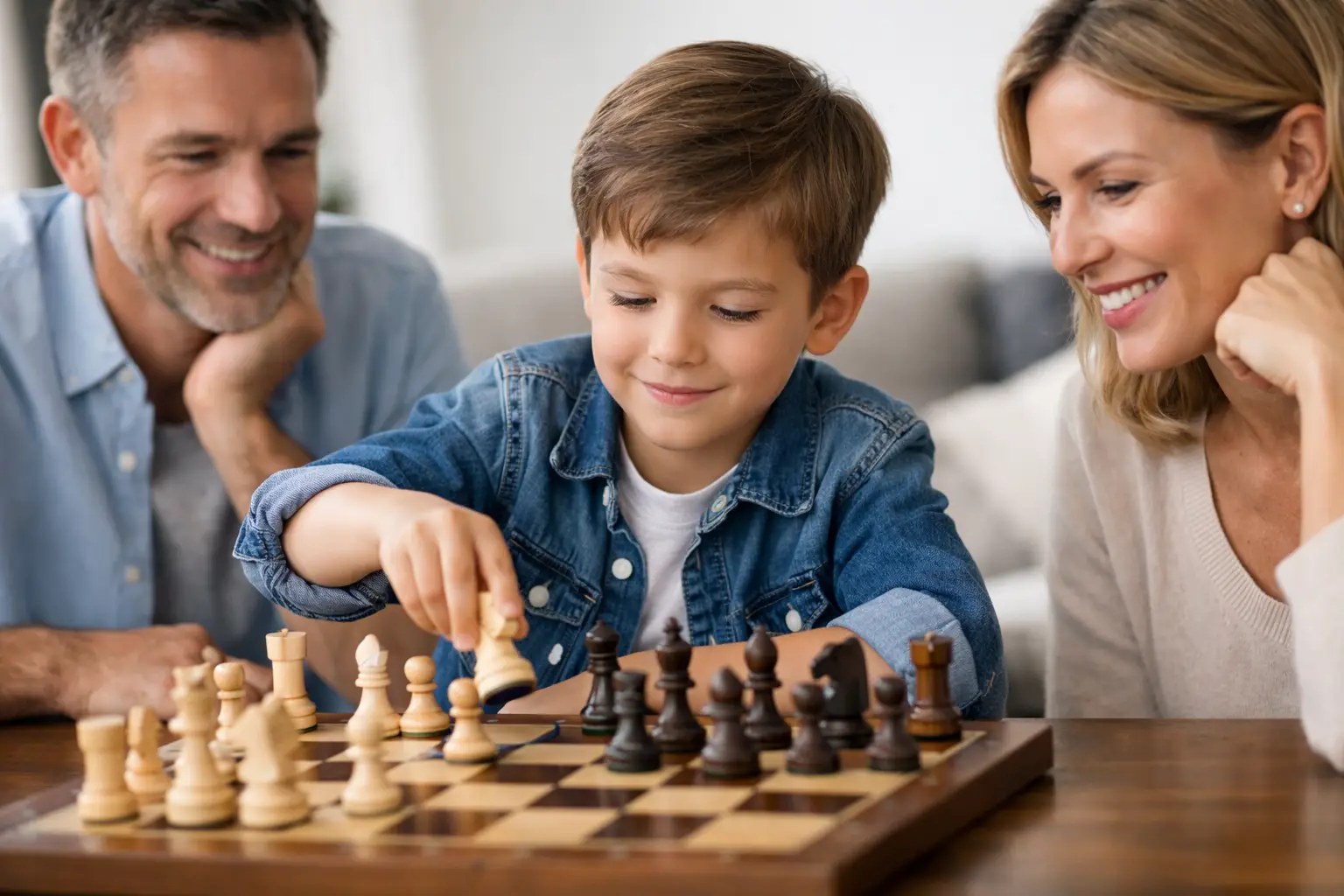
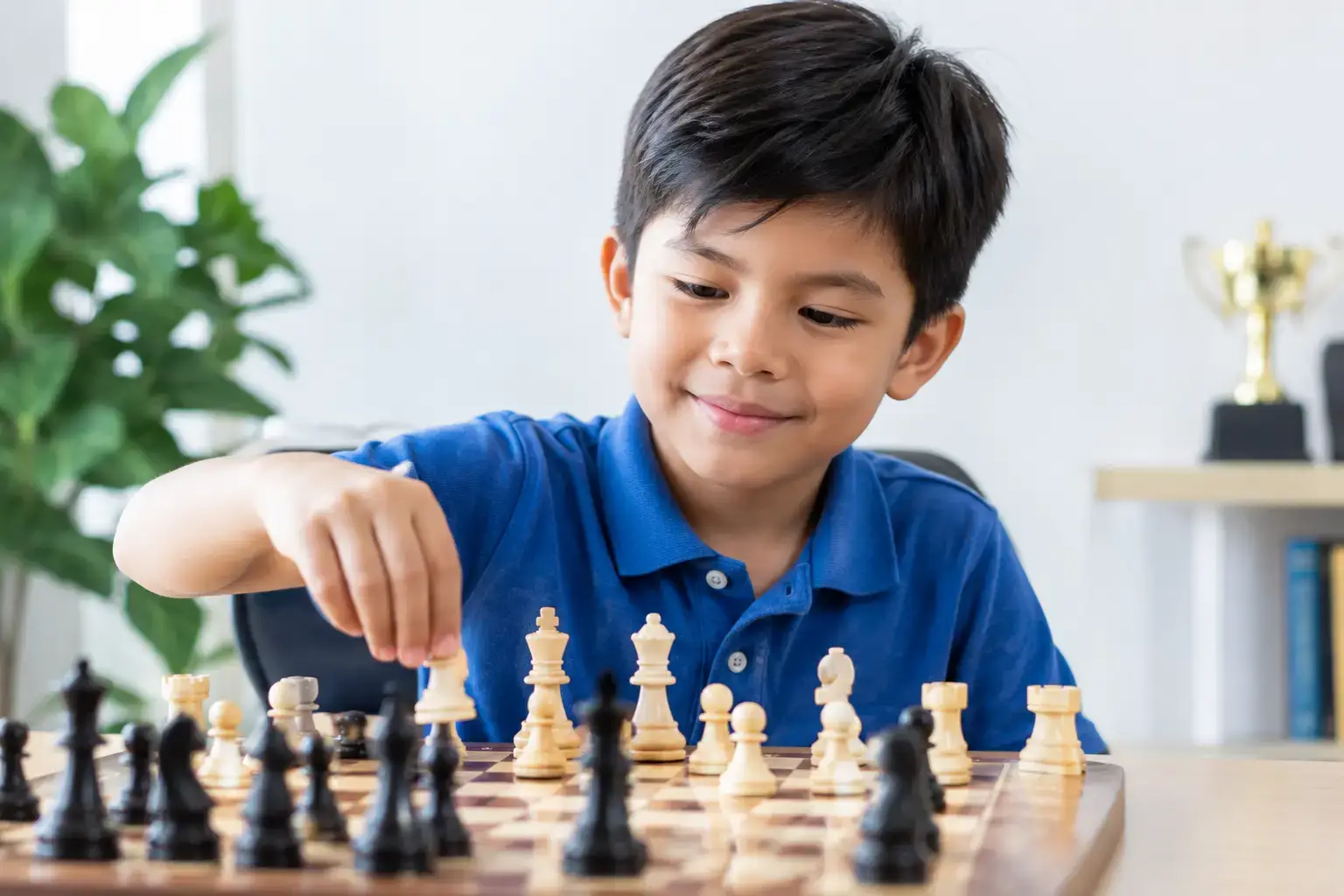
A child pauses before moving a knight. They have spotted an attack, but they also see that rushing could lose their queen. That small pause is where many chess benefits begin. Chess gives children a fun reason to slow down, think ahead, make a choice, and learn from what happens next.
For parents, the appeal is bigger than teaching the rules of a classic game. A well-taught chess lesson can help a child practice focus, patience, planning, and emotional control in a setting where mistakes are normal and improvement is visible. The key is keeping the experience age-appropriate, encouraging, and structured enough for real progress.
Chess Benefits That Matter Beyond a Win
Chess is not a magic shortcut to better grades or perfect behavior. Children still need sleep, reading, movement, supportive adults, and time to play. But regular chess practice gives them a repeatable way to exercise useful skills - and see why those skills matter.
Focus becomes something a child can practice
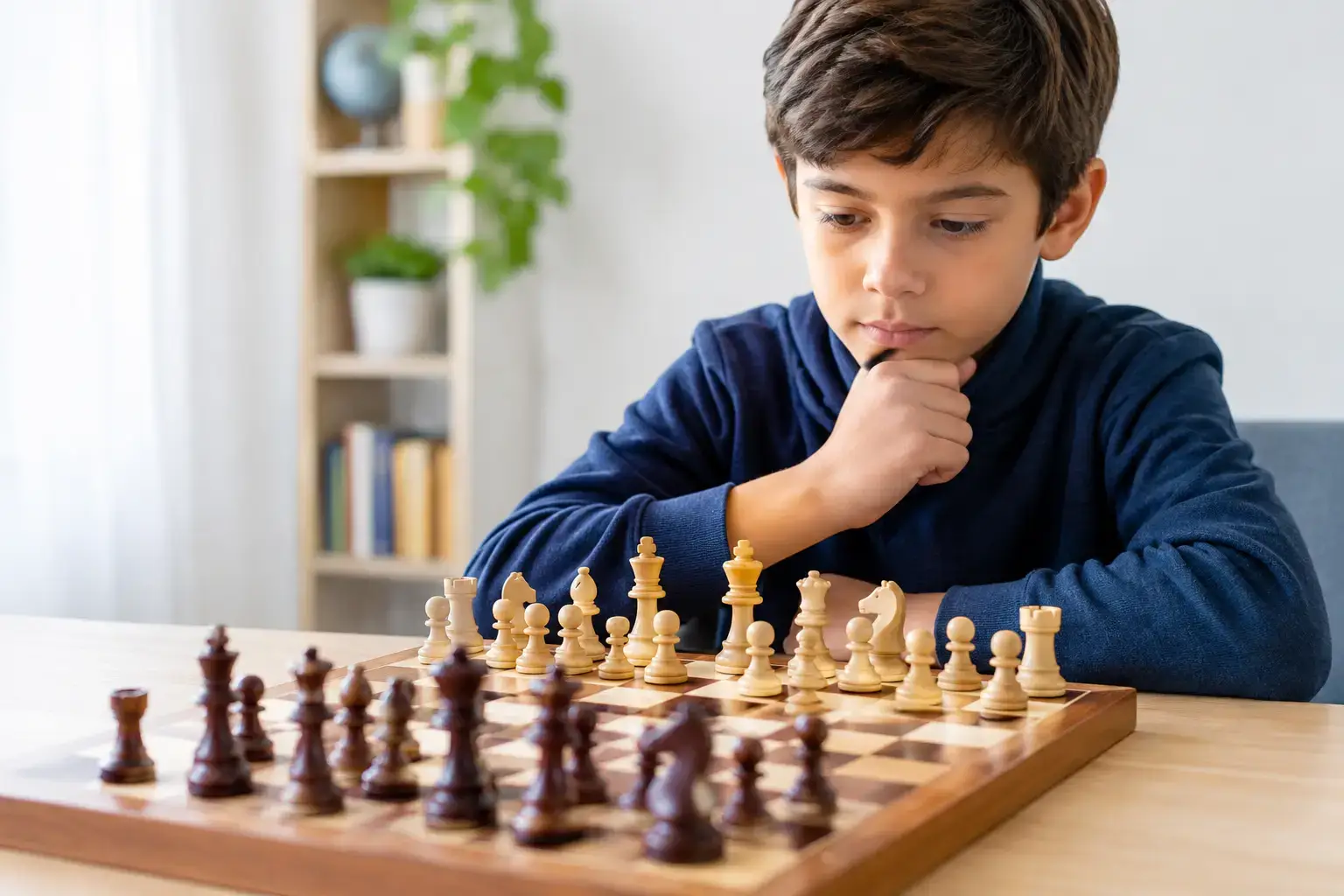
At the board, attention has a purpose. A child who looks away for one move may miss a threat, leave a piece hanging, or overlook a chance to win material. Over time, they start asking better questions before they move: What changed? What is my opponent planning? Is my king safe?
That does not mean every child will sit perfectly still for an hour. Younger beginners often need shorter lessons, movement breaks, puzzles, and plenty of positive feedback. A focused 30-minute lesson can be far more productive than a long session that feels like a chore. With the right pace, children learn that concentration is not a talent they either have or lack. It is a habit they can build.
Planning ahead becomes more concrete
Chess makes cause and effect easy to see. If a player moves a pawn, a diagonal may open. If they develop pieces too slowly, their king may be vulnerable. If they trade without checking the position, they may give away an advantage.
For children, this is strategic thinking in a very practical form. They learn to compare options instead of grabbing the first move they notice. They begin to understand that a good decision may not provide an immediate reward. Sometimes the best move is quiet: protect a piece, improve a position, or prepare an attack for later.
Those lessons can carry into schoolwork and daily routines. A child who gets used to asking, “What happens next?” has a helpful starting point for organizing an assignment, preparing for a test, or handling a problem with a friend.
Patience has a visible payoff
Many children want to move quickly, especially when they first learn chess. It is exciting to capture pieces and chase checkmate. Yet the game gently teaches that speed without thought creates problems.
A patient player checks the board one more time. They notice that the opponent’s bishop is attacking their rook. They see a simple defense. They avoid a mistake that felt invisible just seconds earlier.
This is one reason chess can be especially valuable for energetic children. The goal is not to make a child less lively or less creative. It is to give that energy a direction. Chess rewards the moment between impulse and action, which is a useful skill far beyond the board.
Confidence grows through earned progress
Chess offers clear milestones. A child can learn how each piece moves, solve a checkmate-in-one puzzle, use an opening principle, win a game with a plan, or recover after losing a piece. Each step gives them evidence that practice works.
That kind of confidence is different from empty praise. A coach can say, “You found the threat before I pointed it out,” or “You remembered to bring your king to safety.” The child knows exactly what they did well and what to try next time.
For beginners, small wins matter. For more experienced players, confidence may come from analyzing a difficult loss and recognizing one decision they can improve. Both experiences build resilience: I do not have to be perfect to get better.
Losing becomes part of learning
Every chess player loses games, including strong tournament players. For children, that can be frustrating at first. It can also become one of the game’s most valuable lessons.
A supportive chess environment does not treat a loss as proof that a child is not good enough. It treats the game as information. Where did the position change? Was there a missed threat? Did the player move too fast? Was there a stronger plan?
This approach helps children separate their identity from the result. They lost a game; they are not a loser. They made a mistake; they can learn the pattern and respond differently next time. Parents can reinforce this at home by praising effort, thoughtful choices, and good sportsmanship rather than asking only, “Did you win?”
Communication and social skills get practice, too
Chess can be quiet, but it is not isolating. Children learn how to greet an opponent, take turns, follow rules, handle a disagreement respectfully, and show grace after a win or loss. In live lessons, they also learn to explain their thinking: “I moved here because I was protecting my king.”
Explaining a move is powerful. It shows whether a child truly understands an idea, and it gives a coach a chance to correct misunderstandings without making the child feel embarrassed. For shy children, chess can provide a comfortable shared topic. For highly social children, it offers a structured setting to practice listening and self-control.
Which Chess Benefits Depend on How a Child Learns
The benefits of chess are strongest when the experience fits the child. A four-year-old who is just learning piece movement needs a different approach than a 13-year-old preparing for tournament games. Throwing either child into complicated games too early can turn curiosity into frustration.
Guided instruction helps because it creates a clear path. Beginners need the fundamentals: board setup, piece movement, check, checkmate, safe captures, and simple tactics. As they gain confidence, they can work on opening principles, calculation, strategy, endgames, and tournament habits.
Feedback matters just as much as content. If every lesson feels like a test, children may become afraid to make moves. If every move is praised equally, they may not know what to improve. The best balance is specific encouragement with honest guidance: celebrate the good idea, explain the missed opportunity, and give the child another chance to apply the lesson.
Online chess can work especially well for busy families when it is live and interactive. A child can learn from home, receive individual attention, and fit lessons around school and activities. Still, screen-based learning is not automatically effective. The coach needs to keep the child engaged with questions, puzzles, game review, and goals that match their level.
How Parents Can Help Benefits Stick
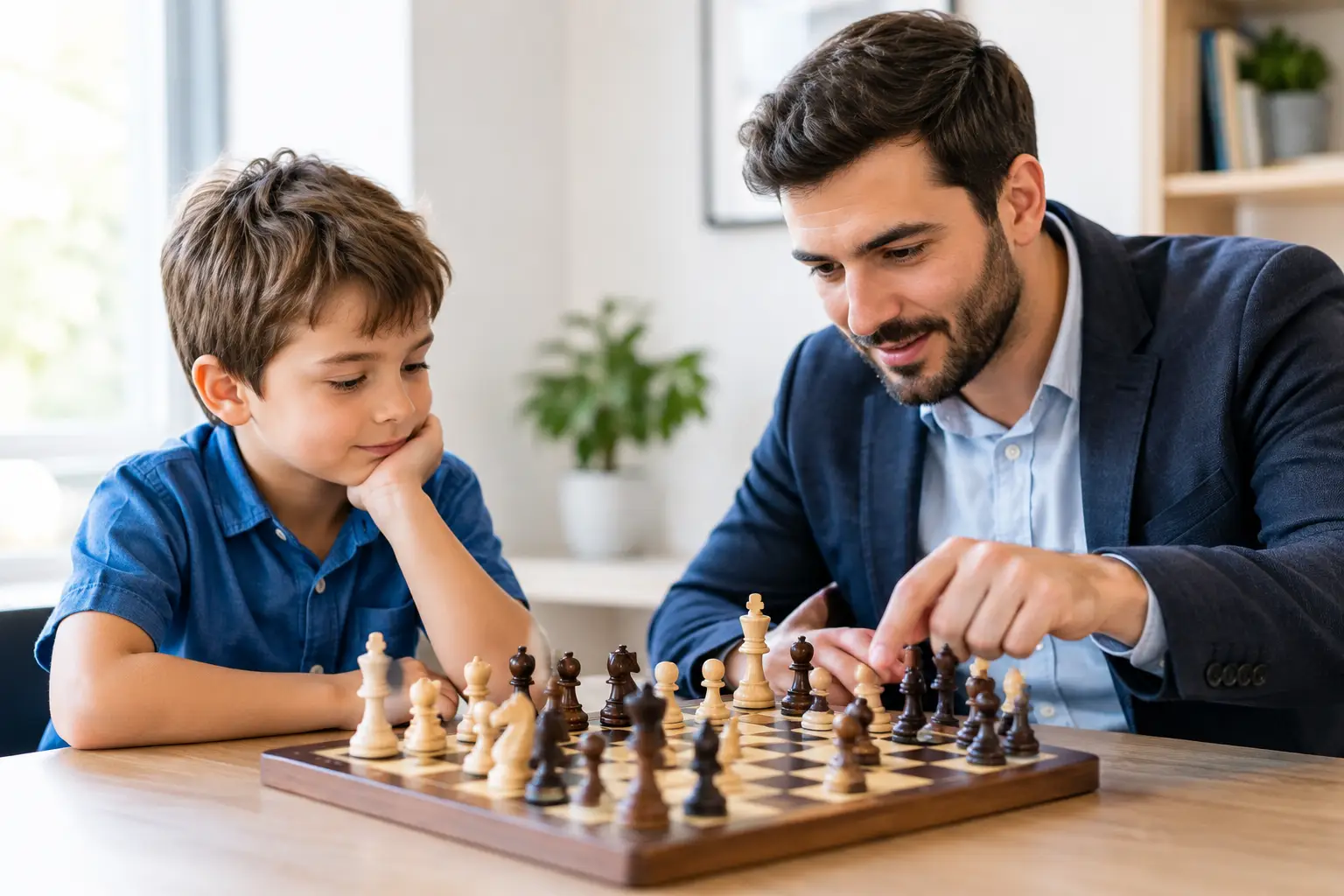
Parents do not need to know chess well to support a young player. A few simple habits make a meaningful difference. Ask your child to show you one idea from the lesson. Let them teach you how a piece moves or explain why a move was strong. Teaching someone else reinforces learning and gives children a moment to feel capable.
Keep practice short and positive, especially at the beginning. Ten thoughtful minutes spent solving a puzzle or reviewing one position can be more useful than playing several rushed games. If your child loses, start with curiosity: “What was the trickiest moment?” That question invites reflection without adding pressure.
It also helps to set expectations around progress. Chess improvement is rarely a straight line. A child may understand a new idea in a lesson and still miss it in their next game. That is normal. Repetition turns knowledge into a habit.
When Coaching Makes a Difference
A motivated child can learn a great deal from playing with family members or using chess apps. Those options can be fun and useful. But they do not always identify why a child keeps losing pieces, overlooks checkmate, or loses interest after a few games.
Personalized coaching can make progress clearer. A coach can spot whether a child needs help with attention, board vision, tactical patterns, confidence, or basic rules. They can adjust the lesson speed, choose positions that are challenging but manageable, and give parents a clearer picture of what their child is working toward.
At Savushkin Chess, that child-centered structure is the goal: make lessons enjoyable enough that kids want to return, while building the skills that lead to stronger games and greater confidence. For some children, the next step is simply learning to love the game. For others, it is preparing to compete. Both journeys deserve patient, thoughtful instruction.
The best next move is often a small one: put a board in front of your child, let them be curious, and give them room to think before they move.

Ready to see chess click for your child?
Book a free 20–30 minute trial lesson with one of our coaches — no commitment, no payment needed.