
Chess Camp Comparison: What Parents Should Check
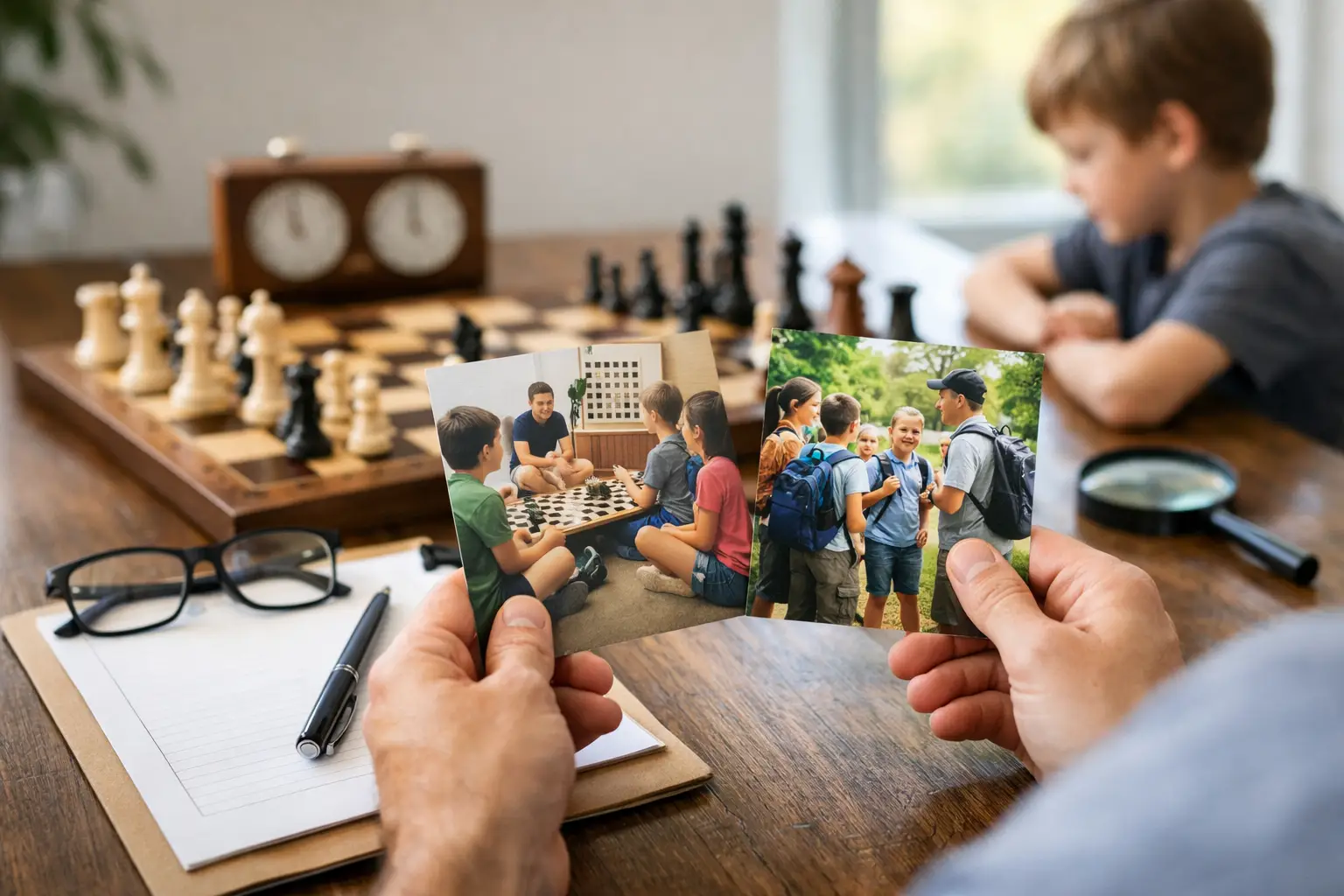
A flyer can make every program look like the perfect summer plan: smiling kids, chessboards, trophies, and promises of “fun learning.” A useful chess camp comparison looks past the photos. The best choice depends on your child’s current level, personality, schedule, and goals - whether that means learning how the pieces move or preparing for the next tournament.
For many families, chess camp is more than child care with a board game added. It can be a focused opportunity for a child to build patience, confidence, problem-solving skills, and the habit of thinking before acting. But those results come from the quality of the coaching and structure, not simply from the word “chess” in a camp title.
Chess Camp Comparison: Start With Your Child’s Goal
Before comparing prices or locations, decide what a successful camp experience would look like for your child. A complete beginner may need a gentle introduction that makes the game feel welcoming. A child who already plays online may need help slowing down, spotting basic tactics, and learning to finish games thoughtfully. A tournament player may need targeted work on openings, calculation, endgames, and game analysis.
A broad, recreational camp can be a great fit for a young child who wants to try chess with friends. It may not be the right fit for a motivated player who needs individual feedback. On the other hand, an intensive competitive camp can feel discouraging for a first-time player if the pace is too fast.
Ask the camp how it places children by level. “All abilities welcome” sounds inclusive, but it does not explain how a coach will teach a 5-year-old beginner and a confident 12-year-old tournament player in the same room. Strong programs assess students, group them thoughtfully, and adjust instruction as children progress.
Compare the Teaching, Not Just the Activities
Some camps use chess as one activity among crafts, outdoor games, and themed events. Others are built around chess instruction. Neither approach is automatically better, but parents should know which one they are buying.
A skill-building chess camp should have a visible learning plan. Children might start with board vision and piece safety, then move into checkmate patterns, tactical ideas such as forks and pins, and practical game-play habits. More experienced students should receive instruction that goes beyond puzzles, including how to evaluate positions, make a plan, and learn from their own games.
Look for a balance between teaching and playing. Children need real games to test what they are learning. Yet a camp where kids simply play game after game can reinforce rushed moves and repeated mistakes. The most productive format usually alternates between a short lesson, guided practice, supervised games, and feedback from a coach.
Questions worth asking a camp director
You do not need to be a chess player to evaluate a program. Ask how much time is spent on direct instruction, how games are supervised, and what happens when a child gets stuck. Ask whether coaches review student games or only announce winners.
Also ask how the camp keeps children engaged. For younger learners, a coach needs more than chess knowledge. They need clear explanations, patience, energy, and the ability to make a tricky idea feel achievable. A child who leaves proud of one new skill is far more likely to keep learning than a child who feels corrected all day.
Class Size Changes the Experience
Class size is one of the biggest differences in any chess camp comparison. In a large group, a coach may give an entertaining lesson, but individual attention is limited. That can work well for general exposure and social fun. It becomes less effective when a child has gaps in understanding or needs help at a specific level.
Smaller groups make it easier for coaches to notice whether a student understands the lesson, is quietly frustrated, or is ready for a bigger challenge. One-on-one instruction offers the clearest path for personalized progress, especially for children with tournament goals, busy schedules, or very different starting points than their peers.
There is a trade-off. Group camps give children the social energy of meeting other young players, while private coaching is highly targeted but less camp-like. Some families get the best of both: a social camp experience during school breaks and consistent individual lessons throughout the year.
For online programs, ask about the live class size and whether the coach can see each student’s work. A live online lesson should still feel interactive. Children should be able to ask questions, solve positions, play practice games, and receive direct coaching rather than watch a long presentation on a screen.
Check Coach Credentials and Child Experience
A strong player is not always a strong teacher. Competitive experience matters, particularly for advanced students, but teaching children requires its own skill set. The coach should be able to explain ideas simply, correct mistakes without embarrassment, and motivate students after a tough loss.
Ask who will actually teach your child. Some camps use a featured chess expert in their marketing, then assign most daily instruction to counselors with limited chess experience. There is nothing wrong with assistant coaches, but parents deserve a straight answer about the lead instructor’s qualifications and role.
For younger children, safety and supervision deserve equal attention. Find out how check-in and pick-up work, how the program handles breaks, and what the staff-to-child ratio is outside lesson time. If camp is online, ask how the platform is managed, whether sessions are live, and how parent communication works.
Look Closely at Schedule and Value
The lowest advertised price is not always the best value. A five-day camp may include only a short amount of actual chess instruction each day. Another option may cost more but provide smaller groups, longer coached sessions, materials, game review, and a clear progress report.
Compare the total number of instructional hours, not just the number of camp days. Check whether there are extra charges for early drop-off, late pickup, tournament events, supplies, or online platform access. Transparent programs make these details easy to understand before registration.
Scheduling matters, too. A full-day local camp can be ideal for parents who need coverage during work hours. A live online program can be a better fit for families who travel, live far from a chess club, or need lessons that work around sports and summer plans. Online instruction also removes commuting time, which can make it easier to maintain momentum after camp ends.
Savushkin Chess, for example, uses live, coach-led online lessons with individualized plans, making it possible for children to continue developing after a summer program rather than starting over each season.
Decide What “Progress” Should Mean
Be cautious with promises that a child will become an expert in one week. Chess rewards steady practice. A good camp can create a meaningful jump in confidence and understanding, but lasting improvement comes from what happens next.
The strongest programs can explain how they measure progress. For beginners, that may mean knowing the rules independently, recognizing checkmate, and playing a complete game with good habits. For developing players, it may mean fewer one-move blunders, stronger tactical awareness, and better use of time. For competitive students, progress may include analyzed games, a focused training plan, and tournament readiness.
Ask whether parents receive feedback. A short note about what a child learned, what they enjoyed, and what to practice next can be surprisingly valuable. It gives families a clear picture of the experience and helps the child feel that their effort was noticed.
A Better Choice Than the “Best” Camp
There is no single best chess camp for every child. The right one is the program where your child is challenged without feeling overwhelmed, supported without being carried, and excited to play another game tomorrow.
If you can, let your child try a short class, assessment, or introductory session before committing to a full package. Watch for the signs that matter: Do they understand the coach? Do they feel comfortable asking questions? Do they come away talking about a new idea they want to try?
That spark is worth paying attention to. When chess feels both fun and purposeful, a summer camp can become the beginning of a skill your child carries confidently into the school year and beyond.

Ready to see chess click for your child?
Book a free 20–30 minute trial lesson with one of our coaches — no commitment, no payment needed.


