Chess Coach Qualifications Parents Should Check
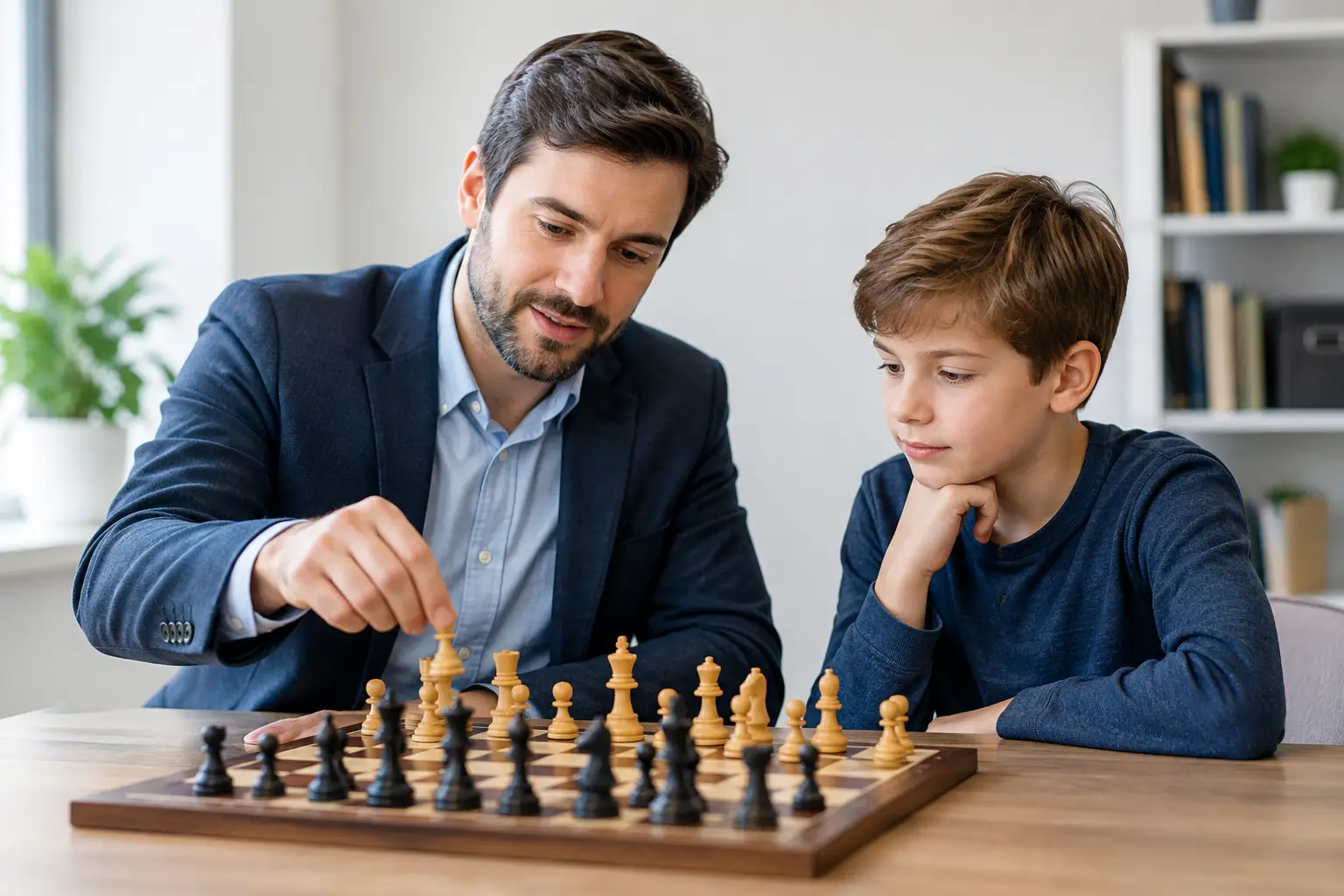
A child can know how each piece moves and still feel lost the moment a real game begins. That gap is where a good coach matters. The most useful chess coach qualifications are not limited to trophies, titles, or a high online rating. For parents, the real question is whether a coach can turn chess knowledge into clear, enjoyable progress for your child.
A strong coach helps a beginner feel capable, gives an ambitious player a plan, and knows when to slow down or raise the challenge. Here is what to look for before committing to lessons.
Chess Coach Qualifications That Matter Most
Proven chess knowledge and competitive experience
A coach should have a solid command of the game, including tactics, strategy, opening principles, endgames, and tournament rules. Competitive experience can be valuable because it teaches a coach what pressure feels like, how to prepare for games, and how to recover after a mistake.
That said, a title or rating is not the whole story. A master-level player may be an excellent coach, but a high rating alone does not prove that person can teach a seven-year-old how to spot a fork without making the lesson confusing or discouraging. For a young beginner, teaching ability often matters more than advanced opening knowledge. For a tournament-focused teen, both may be essential.
Ask about the coach's playing background, but also ask what levels and ages they regularly teach. A qualified coach can explain how their experience benefits your child's current stage, not simply list accomplishments.
The ability to teach children, not just chess
Children learn differently from adults and from one another. A four-year-old may need short activities, repetition, and visual examples. A motivated 12-year-old may enjoy analyzing a tournament game and setting a rating goal. Good youth coaches adjust without lowering expectations.
Look for someone who can break down a big idea into small, usable steps. Instead of saying, "Control the center," a child-centered coach might show how central pawns give knights more squares, then let the student try it in a short position. The child learns the reason behind the move, not just a rule to memorize.
Patience is part of the job. So is keeping the lesson active. Young players need chances to answer questions, make decisions, play practice positions, and review their own thinking. A coach who talks for most of the lesson may know chess well, but that format will not serve every child.
A clear plan for progression
The best chess coaching is structured, even when it feels fun. A beginner needs to learn piece movement, check and checkmate, safe captures, basic tactics, and simple opening habits in a sensible order. Skipping ahead to complicated openings can make a child look busy without building a foundation.
For more experienced players, the plan should become more specific. It may include tactical calculation, positional decisions, endgame technique, game analysis, time management, and tournament preparation. The right sequence depends on the student. A player who misses one-move threats needs different work than a player who plays solidly but has no plan in quiet positions.
Ask a prospective coach how they assess a student's starting point and how they measure improvement. You should hear more than "we play games every week." A useful answer includes observation, targeted lessons, practice, and regular adjustments based on the child's actual games.
Credentials Are Helpful, but Communication Builds Trust
Formal credentials can offer reassurance. Depending on the coach and location, these may include national federation ratings, recognized chess titles, coaching certifications, tournament experience, or a record of working with school chess programs. They are meaningful signals, particularly for families seeking high-level competitive instruction.
Still, credentials should be considered alongside communication. A parent should understand what the child is learning, where improvement is showing, and what comes next. This does not require a lengthy report after every lesson. A short update about a new skill, a recurring challenge, or a suggested practice habit can make a big difference.
Clear communication is especially important in online lessons. Parents should know how the coach will use the chessboard, share positions, assign practice, and review games. The technology should support the lesson, not become the lesson.
At Savushkin Chess, personalized instruction begins with understanding the child's level and goals, whether that means enjoying a first game or preparing for tournament play. That starting point helps make the next lesson purposeful rather than generic.
Safety and Professionalism Are Non-Negotiable
When choosing an online coach for a child, safety and professionalism deserve the same attention as chess skill. Parents should feel comfortable asking how lessons are conducted, what platform is used, whether a parent can observe, and how communication is handled outside scheduled sessions.
A professional coach respects boundaries, starts and ends lessons on time, communicates clearly, and creates a calm learning environment. They should never shame a child for losing, forgetting a rule, or taking time to answer. Chess naturally includes mistakes. A coach's response to those mistakes shapes whether a child becomes resilient or starts to fear the board.
For younger children especially, it helps when a parent can be nearby for the first few online lessons. You can see whether the child is engaged, whether instructions are understandable, and whether the coach creates a positive rhythm. As confidence grows, many children become more independent in the session.
How to Evaluate a Coach Before You Commit
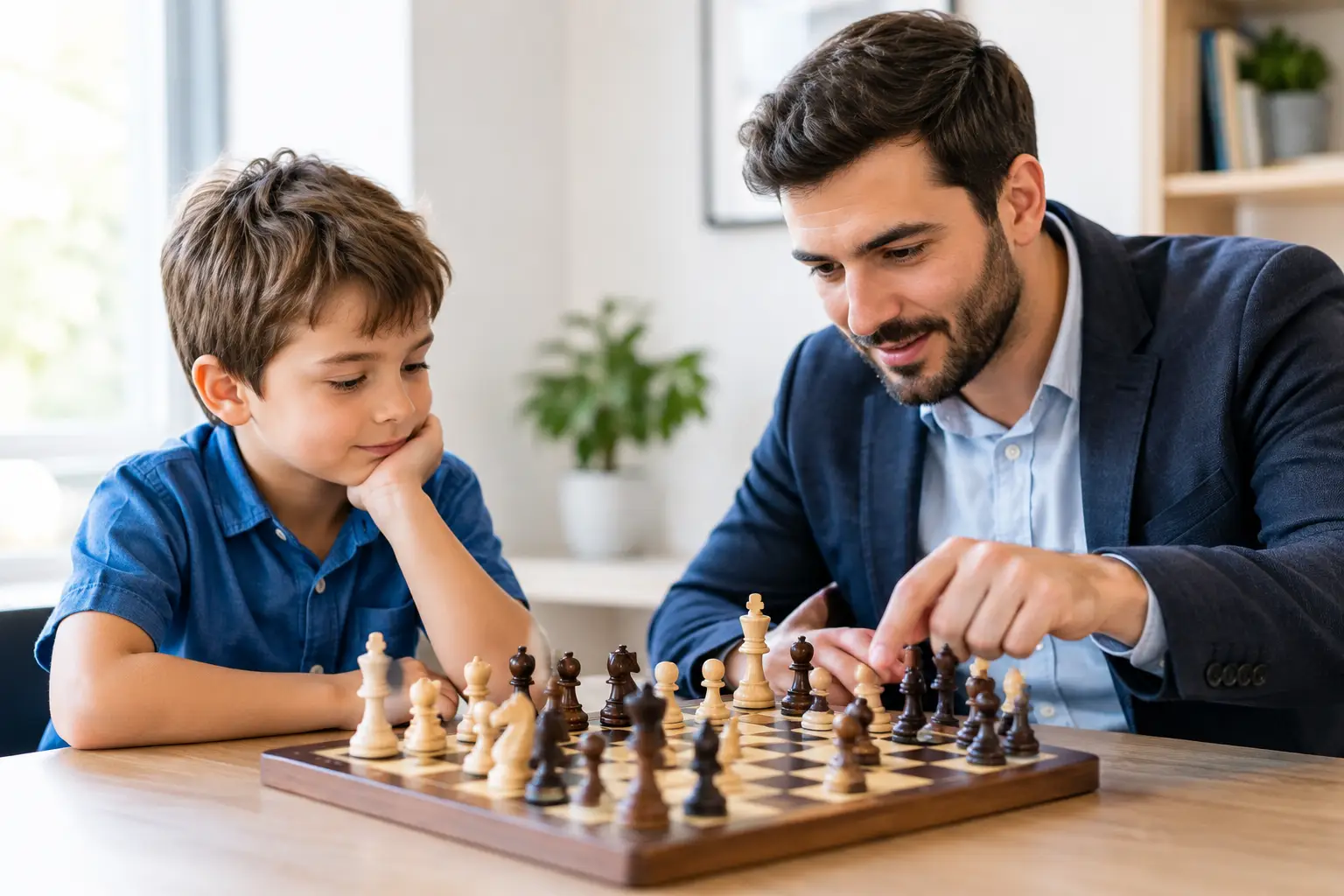
A trial lesson is often more revealing than a profile page. During that first meeting, notice how the coach speaks to your child. Do they ask questions and listen to the answers? Do they explain mistakes kindly? Do they adapt when the child already knows a concept or needs more time?
You can also listen for the balance between praise and correction. "Great job" feels good, but specific feedback is more useful: "You noticed the loose knight before you moved. That is the habit strong players build." Children gain confidence when they understand what they did well and what to try next.
After the lesson, ask your child a few simple questions: Did you enjoy it? Did you understand what you practiced? Would you feel comfortable asking the coach a question next time? A child does not need to be excited about every difficult exercise, but they should feel safe, seen, and motivated to return.
It is also reasonable to ask the coach directly about their approach. Helpful questions include:
- How do you teach complete beginners differently from tournament players?
- How do you keep online lessons engaging for this age group?
- What does progress look like after several lessons?
- How do you use a child's own games to guide future instruction?
- What can parents do at home without turning chess into pressure?
A qualified coach will answer these questions plainly. There should be no vague promises of instant results and no pressure to purchase a large package before you understand the fit.
Match the Coach to Your Child's Goal
There is no single perfect set of chess coach qualifications for every family. If your child is brand new to chess, prioritize warmth, structure, and a coach who makes the basics feel achievable. If your child wants to compete, look for stronger tournament experience, disciplined game analysis, and a plan that includes preparation and post-game review.
Some children need a gentle introduction before they are ready for competitive goals. Others are energized by challenge and want to know exactly how to improve. The right coach recognizes both paths and can help a player move from one to the other at the right time.
The best sign is simple: after a lesson, your child should have learned something specific and want another chance to use it. That combination of skill, encouragement, and forward momentum is worth far more than an impressive title on its own.

Ready to see chess click for your child?
Book a free 20–30 minute trial lesson with one of our coaches — no commitment, no payment needed.