
Chess Coaching Success Stories: What Progress Looks Like
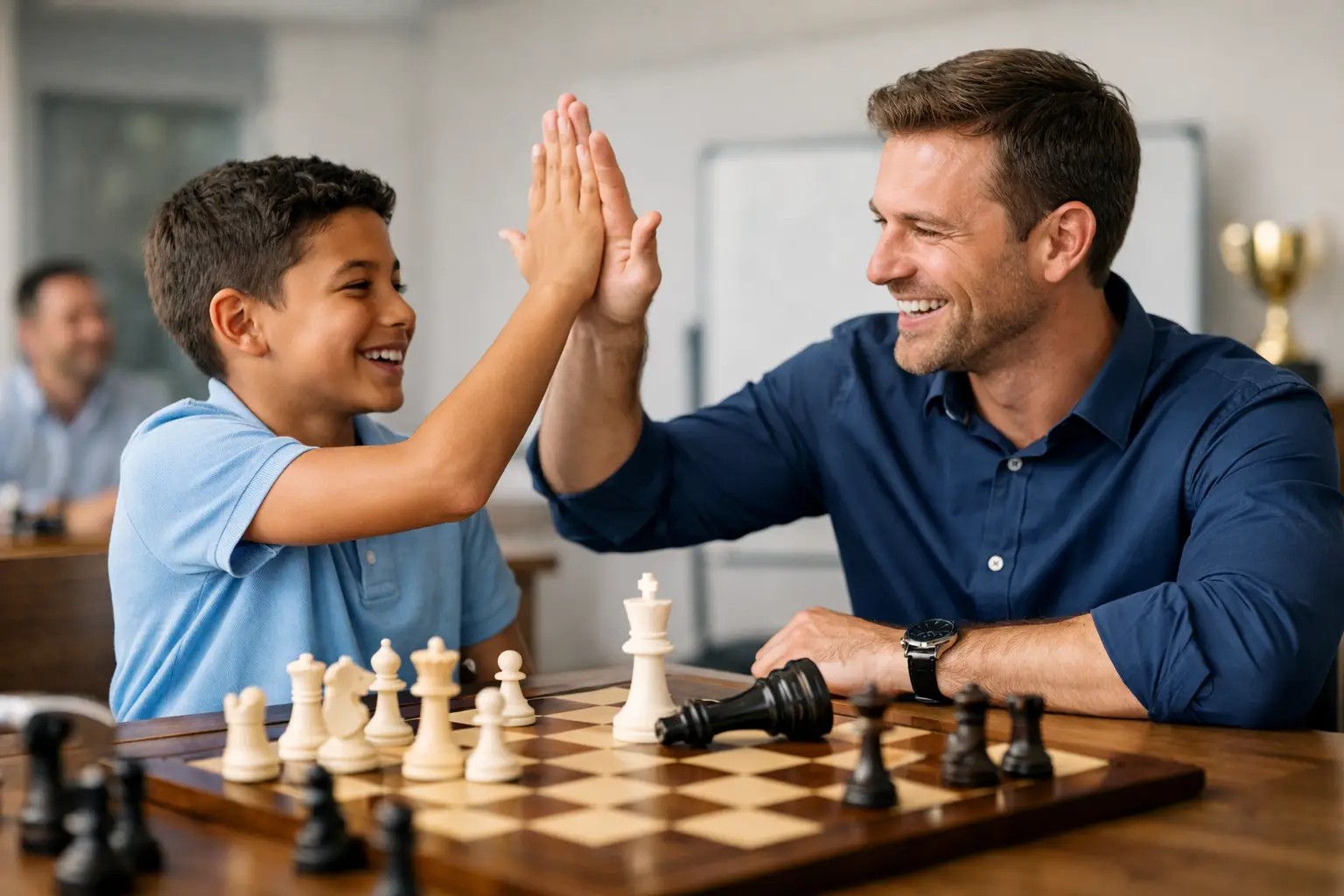
A child who once rushed every move starts pausing to ask, “What is my opponent threatening?” Another who was nervous about playing strangers joins a first tournament and comes home excited to practice. The best chess coaching success stories are rarely about a single dramatic win. They are about the small, visible changes that add up: better focus, calmer decision-making, stronger confidence, and a real desire to keep learning.
For parents, that distinction matters. Chess progress is not always a straight line, especially for children. A child may learn a new tactic quickly but need more time to build patience. Another may be ready for competition before they can explain every strategic idea. Personalized coaching helps meet each child where they are, then gives them a clear next step.
What Chess Coaching Success Really Means
A successful lesson plan looks different for a 5-year-old beginner than it does for a 13-year-old preparing for tournament games. For a young beginner, success may mean knowing how every piece moves, finishing a complete game, and handling a loss without tears. For an experienced player, it may mean calculating more carefully, recognizing tactical patterns, or managing the clock with confidence.
The shared thread is progress that a child and parent can actually see. Good coaching does not simply fill a lesson with puzzles or memorized openings. It connects each skill to real games. Children learn why it matters to develop their pieces, protect their king, check for threats, and review the moves that changed a game.
That structure is especially helpful online. With a patient coach, an interactive board, and regular feedback, a child can stay engaged while learning at a pace that fits their attention span and goals. Shorter lessons may be ideal for a new or very young player. Longer sessions can give competitive students time to analyze games in depth. Neither approach is automatically better. The right format depends on the child.
Chess Coaching Success Stories Often Start Small
One common story begins with a child who enjoys chess but has no consistent plan. They may know a few tricks, play quickly, and win against family members, yet become frustrated when games get harder. Early coaching focuses on fundamentals: piece safety, checkmate patterns, simple tactics, and the habit of looking at the whole board before moving.
At first, the improvement can look modest. The child stops leaving queens hanging. They spot a fork they would have missed a month earlier. They start saying, “Wait, I need to check,” before making a move. Those are meaningful wins because they show that the child is building a process, not just hoping for a lucky tactic.
Over time, that process changes how they feel about difficult positions. Instead of assuming a game is lost after one mistake, they learn to ask useful questions: Can I create a threat? Can I improve my worst piece? Is there a way to trade into an easier ending? Chess becomes less about being naturally talented and more about thinking one move at a time.
The beginner who learns to finish games
Many beginners understand check but do not fully understand checkmate. They may chase the opponent’s king around the board or accidentally allow stalemate. A coach can slow the game down and teach practical finishing patterns, such as using a king and queen together or coordinating two rooks.
The success story is not just that the child learns a checkmate pattern. It is that they begin to trust themselves in the final stage of a game. That confidence often carries into other areas of learning. They see that a confusing problem can become manageable when it is broken into clear steps.
The fast player who learns patience
Some children naturally play at lightning speed. Their enthusiasm is wonderful, but quick moves can lead to avoidable mistakes. Telling a child to “slow down” is usually not enough. They need a routine they can use before every move.
A coach might help them build a simple mental checklist: look for checks, captures, and threats; make sure the chosen piece is safe; then consider the opponent’s best reply. With repetition, the checklist becomes a habit. Parents often notice the change outside chess too: a child becomes more willing to pause, listen, and think before responding.
From Online Lessons to Real Tournament Confidence
Tournament readiness is another powerful chapter in chess coaching success stories. A child does not need to be a future champion to benefit from competition. Playing in a local or online event can teach preparation, sportsmanship, time management, and resilience.
Still, tournaments should not be rushed. A child who is still learning basic rules may feel overwhelmed in a long event. A coach can help families decide when the timing is right by looking at practical readiness: Can the child play a complete game independently? Do they understand touch-move rules if applicable? Can they use a clock without panicking? Are they able to recover emotionally after a loss?
When the answer is yes, preparation becomes specific. Students practice using a clock, learn how to record or review important moments, and play training games that reflect tournament conditions. They also learn that a tournament result is feedback, not a label. A tough loss can reveal a gap in opening principles, calculation, or endgame knowledge. That gives the next lessons a purpose.
For some children, the biggest milestone is earning a medal or improving a rating. For others, it is sitting down for round one without needing a parent beside them. Both are real signs of growth.
Why Personalized Feedback Changes the Outcome
Children learn differently, and chess makes that obvious. One student may need visual examples and repeated practice. Another may understand an idea quickly but lose focus during long explanations. Some respond well to a competitive challenge, while others need more encouragement before they are ready to take risks.
Personalized coaching turns those differences into a plan. Rather than assigning the same material to every child, a coach can review actual games and identify the pattern behind repeated mistakes. Maybe the child is missing back-rank threats. Maybe they start strong but struggle when pieces come off the board. Maybe they know tactics but choose moves too quickly.
Then practice has a clear reason. A puzzle is not just a puzzle. An endgame lesson is not just another topic. Each activity connects to something the child has already experienced over the board. That connection makes lessons more memorable and helps children use what they learn when a real opponent is waiting.
Parents benefit from this clarity as well. Regular communication should make it easy to understand what a child is working on, what has improved, and what comes next. Progress does not need to be mysterious.
How Parents Can Support a Child’s Progress
The most helpful parent role is not becoming a second coach at home. It is creating a positive rhythm around learning. Ask your child what they noticed in a game, not only whether they won. Celebrate a thoughtful move, a well-handled loss, or the courage to enter a tournament.
It also helps to keep expectations realistic. Some weeks bring visible breakthroughs. Other weeks are about repetition, review, and learning from mistakes. A child who loses several games may still be improving if they are taking more time, recognizing threats, and using new ideas. Results tend to follow those habits, but they do not always arrive on the same schedule.
Consistency matters more than cramming. One focused lesson each week, along with a few enjoyable practice games or puzzles, can build far more than an occasional burst of activity. If motivation dips, the answer may be a shorter lesson, more game play, or a fresh goal rather than pressure.
At Savushkin Chess, the goal is to give children a structured path without taking the joy out of the game. The strongest outcomes come when a child feels supported enough to try, make mistakes, and return to the board ready to think again.
A great chess story does not end with a rating, a trophy, or a completed lesson package. It continues when a child faces a complicated position, takes a breath, and believes they can figure out the next move.

Ready to see chess click for your child?
Book a free 20–30 minute trial lesson with one of our coaches — no commitment, no payment needed.


