
Chess Coaching Success Story: A Child’s Growth
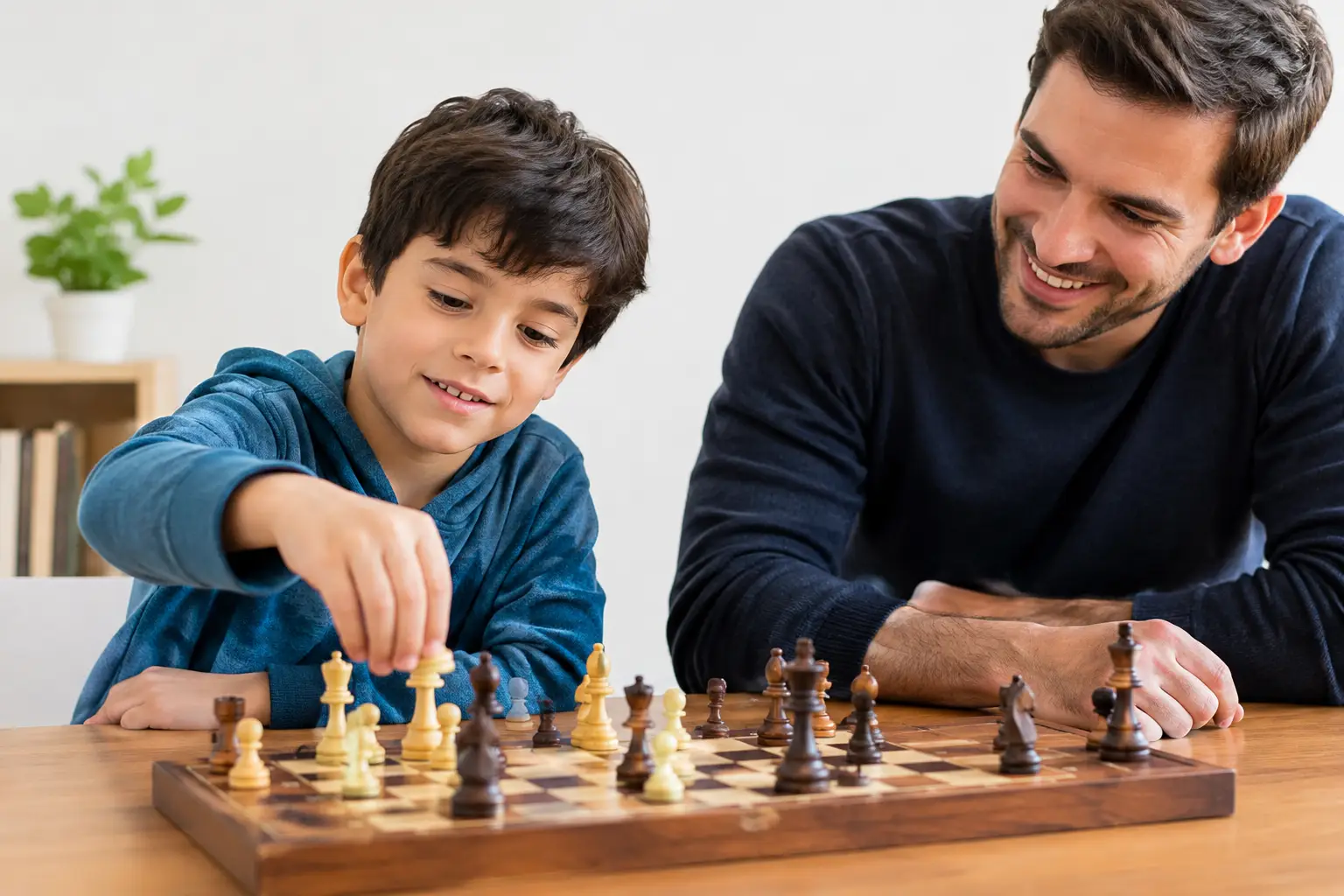
A chess coaching success story with a child rarely begins with a dramatic checkmate. More often, it starts with a child who likes the pieces but loses interest after a few moves, feels upset when they lose, or has no idea what to do once the opening is over. The real win is watching that same child begin to slow down, spot threats, explain a plan, and sit down for a game with genuine confidence.
For parents, that progress matters because chess is not only about rating points or trophies. It is about building focus, patience, decision-making, and the confidence to work through a challenge instead of walking away from it.
A realistic chess coaching success story for a child
Consider Maya, an energetic 8-year-old who had learned how the pieces moved from a family member. She loved the queen, rushed every move, and celebrated whenever she captured something. But she also became frustrated when her opponent captured her queen right back.
Maya was not lacking intelligence or interest. She simply had not yet learned the habits that make chess enjoyable: looking at the whole board, asking what her opponent wants, and choosing a move for a reason.
Her first coaching sessions were intentionally simple. Rather than filling her head with opening names or advanced tactics, her coach focused on a few repeatable questions:
- What is your opponent attacking?
- Is any of your piece undefended?
- Can you make a safe move that develops a piece or protects your king?
- Before you move, what might happen next?
Those questions changed the pace of Maya’s games. At first, she needed reminders every turn. Within a few weeks, she began saying them aloud on her own. That is a meaningful milestone for a young beginner. She was no longer moving only because a piece could move. She was starting to think.
Maya is a representative example, not a promise that every child will progress on the same schedule. Some children improve quickly in tactics but need time to handle losses. Others show excellent patience from the beginning but need more practice recognizing patterns. Good coaching responds to the child in front of the coach.
What changed beyond the chessboard
The most encouraging part of Maya’s progress was not a single game result. It was her response when things went wrong.
In one early practice game, she missed a simple fork and lost her rook. Her usual reaction would have been to ask to restart. This time, her coach paused the game and asked, “What can we still do with the position?” Maya found a way to trade queens, simplify the board, and keep playing. She still lost, but she finished the game and reviewed the critical moment afterward.
That is the kind of progress parents often notice at home and at school, too. Chess gives children a safe place to practice making a mistake, staying calm, and trying again. The board gives immediate feedback, but it does not judge them. A move can be reconsidered, a game can be reviewed, and a better choice can be practiced next time.
For many children, that steady routine strengthens habits that reach beyond chess: pausing before reacting, listening carefully, following a process, and taking pride in improvement.
Why structure makes the difference
A child can learn plenty from casual games, puzzles, and videos. Those tools can be fun and useful. But they do not always show a child why they missed a tactic, what skill should come next, or how to stay engaged when the material becomes difficult.
Personalized coaching adds direction. A strong coach observes how a child thinks, then creates a path that fits their current level. For a complete beginner, that may mean learning piece safety, checkmate patterns, and basic opening principles. For a child who already knows the rules, it may mean tactical vision, calculation, planning, and tournament preparation.
At Savushkin Chess, live online lessons are built around that kind of clear progression. A coach can adjust the pace in real time, celebrate a breakthrough, and revisit a concept before confusion becomes discouragement. Parents also get a clearer picture of what their child is learning and what to expect next.
Structure does not mean making every lesson feel like school. For younger children especially, the best lessons blend instruction with short games, visual examples, tactical challenges, and plenty of encouragement. The goal is to keep the child thinking while helping them want to come back next week.
The milestones parents can actually watch for
Ratings and tournament medals can be exciting, especially for children who enjoy competition. Still, they are not the only evidence that coaching is working. In the first months, parents may see progress in smaller but very real ways.
A child may begin setting up the board independently, naming why a move is unsafe, or remembering to castle without being prompted. They may spend longer considering a move instead of playing instantly. They may lose a game and ask to review it rather than declaring chess unfair.
Later, the progress becomes more visible in game play. The child starts spotting forks, pins, and checkmate threats. They develop their pieces more naturally, protect their king, and avoid giving away material for no reason. They can explain a basic plan in words: “I want to trade pieces because I am ahead,” or “I need to stop their pawn before it promotes.”
For a child ready for tournaments, coaching can also include practical skills that casual play does not teach well. They learn how to use a clock, record moves when appropriate, recover after a difficult round, and focus on their own game rather than worrying about an opponent’s rating.
Success is not always a straight line
Parents sometimes worry when a child has a bad lesson or loses several games in a row. That concern is understandable, but temporary setbacks are part of learning chess.
A child may suddenly struggle after learning a new idea because they are trying to apply it while also remembering everything they already know. Another child may do well in lessons but freeze in their first tournament. Neither situation means the coaching is failing. It usually means the child needs more guided practice and a little time.
The right response depends on the child. A highly competitive player may need help separating effort from outcome. A cautious child may need permission to take risks and make mistakes. A younger student may benefit from shorter lessons, while an older child aiming for tournament growth may be ready for a longer session and more detailed game analysis.
That is why one-size-fits-all chess programs can fall short. Children do not all learn at the same pace, and they do not all need the same kind of encouragement.
How parents can support progress without becoming the coach
You do not need to know chess well to help your child succeed. Your role is not to correct every move. It is to make practice feel manageable and keep the experience positive.
A simple routine works best. Encourage your child to play a few thoughtful games each week, solve age-appropriate puzzles, and share one thing they learned after a lesson. Instead of asking, “Did you win?” try asking, “What was your best idea?” or “What would you try differently next time?” Those questions keep the focus on learning.
It also helps to protect the fun. If your child is tired, frustrated, or not ready for a long game, a short puzzle session may be enough. Consistency beats pressure. Ten focused minutes several times a week can be more valuable than one forced hour.
For families considering coaching, a trial assessment can provide a useful starting point. It gives the coach a chance to see what the child already knows, how they respond to instruction, and what type of learning plan makes sense. Parents should come away with straight answers about level, goals, and the next practical step - no pressure and no confusing fine print.
A child does not need to become a champion for chess to be a success. When they learn to pause, think, recover, and keep trying, they are carrying something valuable away from every game.

Ready to see chess click for your child?
Book a free 20–30 minute trial lesson with one of our coaches — no commitment, no payment needed.


