Chess Coaching Versus Chess Club: Which Fits?
A child comes home from chess club excited about a tricky checkmate, then sits down for the next game and is not sure what to do after the opening. That gap is where many parents start comparing chess coaching versus chess club. Both can help children enjoy the game, make friends, and think more carefully. But they create progress in very different ways.
The best choice depends on your child’s age, experience, personality, and goals. A social beginner who needs a fun introduction may thrive in a club. A child who wants clear improvement, personalized feedback, or tournament preparation often benefits from coaching. For many families, the strongest answer is not either-or. It is knowing what each option is designed to do.
Chess Coaching Versus Chess Club: The Core Difference
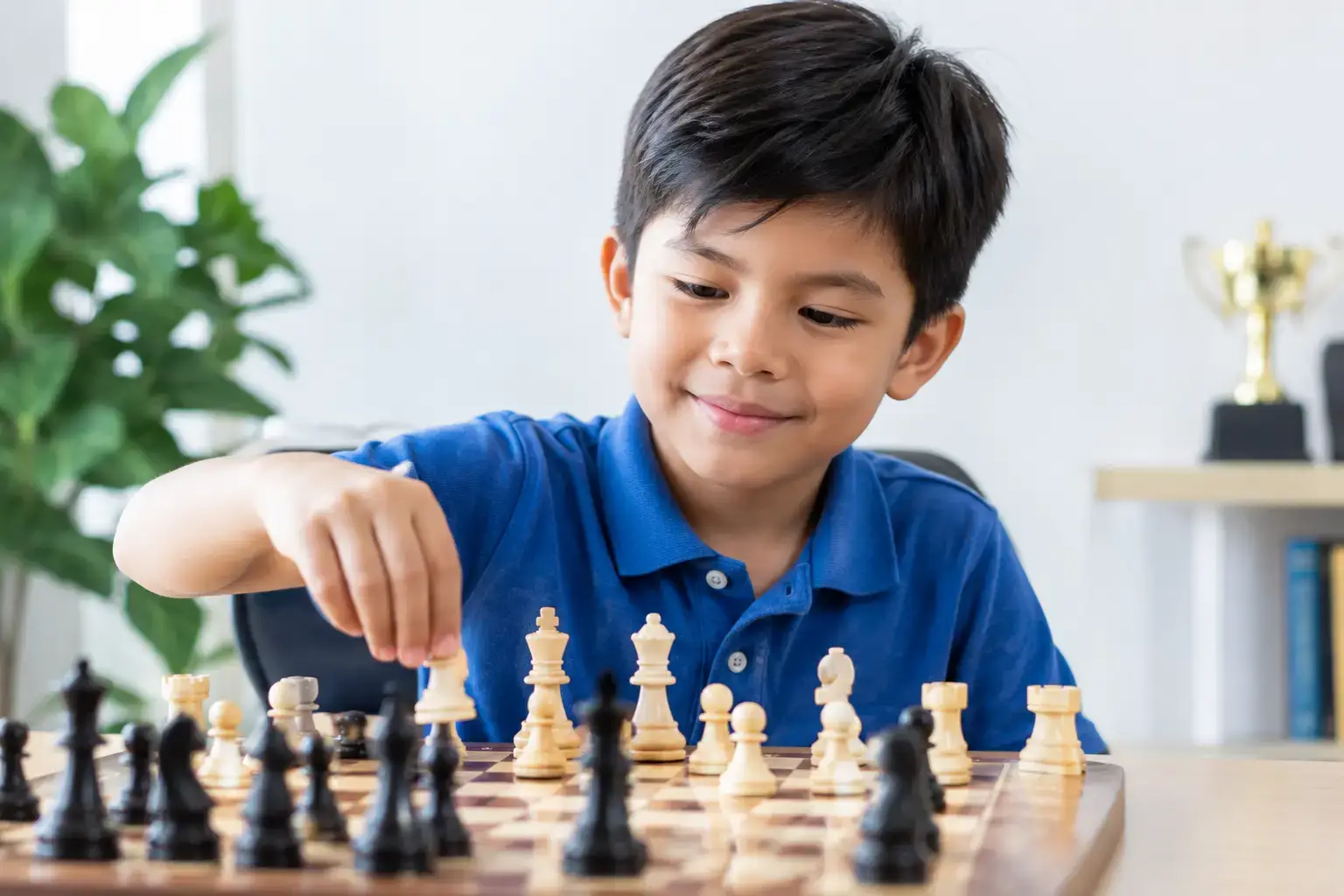
A chess club is usually a group environment. Children may play casual games, solve puzzles, watch a short lesson, and participate in friendly competitions. The atmosphere can be lively and motivating, especially for kids who enjoy learning alongside peers.
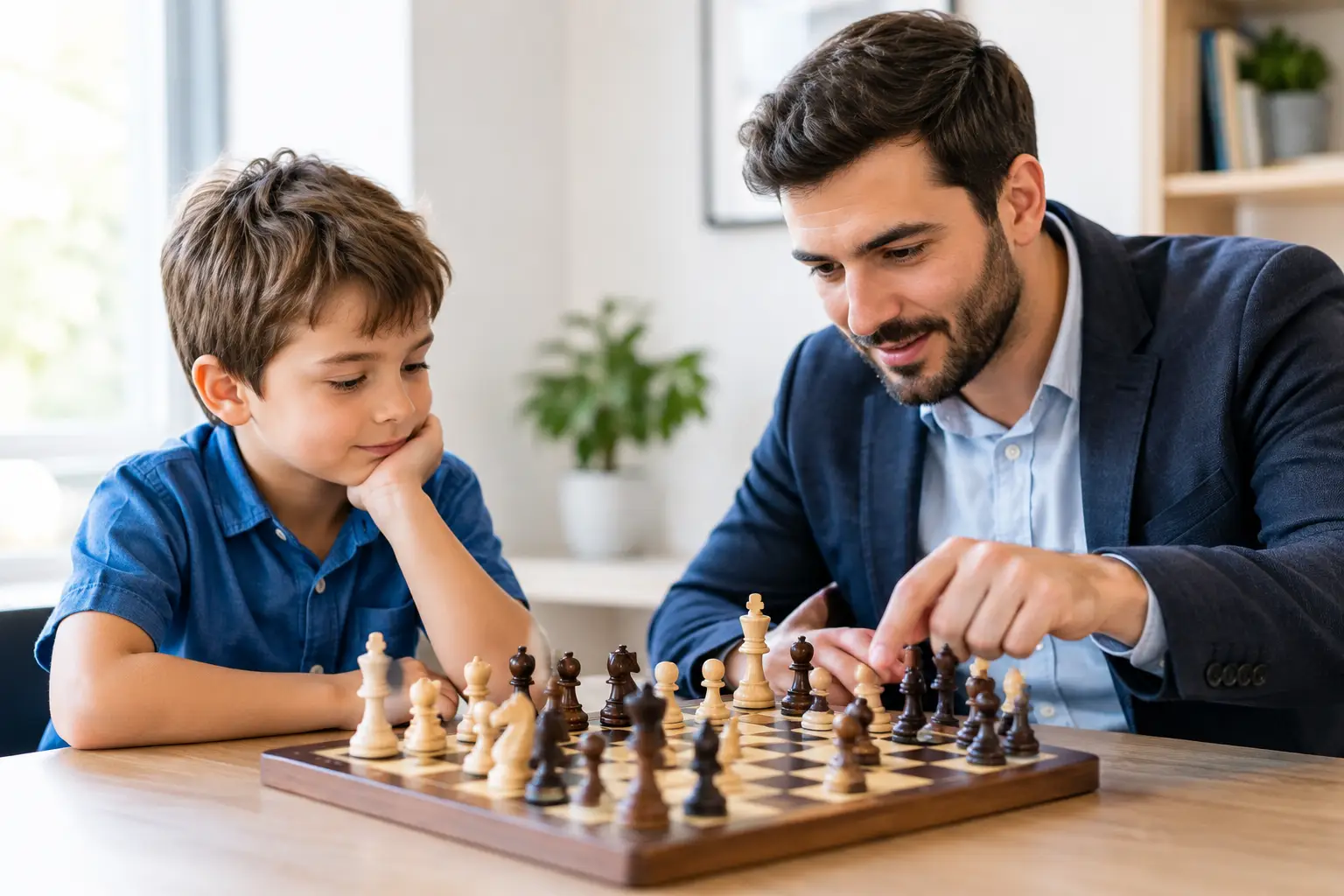
Chess coaching is built around instruction. A coach assesses what a child already understands, identifies the next skill to develop, and teaches it in a sequence that makes sense. Instead of simply telling a student to control the center, a coach can notice whether the child is losing pieces, missing opponent threats, rushing decisions, or struggling to create a plan.
That distinction matters because chess improvement is rarely linear. Two children can know the same opening moves while needing completely different help. One may need to practice checkmate patterns. Another may need to slow down and ask, What is my opponent threatening? A personalized lesson gives that child focused attention at the moment it is most useful.
What Children Get From a Chess Club
Clubs offer something coaching cannot fully replace: a regular community of young players. For a child who is shy about trying a new activity, seeing other kids make mistakes and laugh about their games can make chess feel much less intimidating.
A good club also gives children frequent chances to play. That matters. Chess is learned through practice, and children need real positions, real decisions, and occasional losses to understand how the pieces work together. A club can make this practice feel like play rather than homework.
For beginners, a club is often a low-pressure starting point. They can learn piece movement, basic rules, simple tactics, and chess etiquette while deciding whether the game truly interests them. Parents may also appreciate that clubs are often less expensive than private lessons.
Still, group instruction has limits. In a room full of children with different levels, the teacher has to choose one topic and one pace. A child who already understands the lesson may get bored. A child who is confused may stay quiet, then spend the rest of the game repeating the same mistake.
Club time can also lean heavily toward games. Playing is valuable, but playing without feedback can reinforce habits. If a child keeps bringing the queen out too early, overlooking loose pieces, or resigning when a game becomes difficult, those patterns may continue until someone helps them see why they happen.
What Children Get From Chess Coaching
Coaching gives a child a clear path forward. Early lessons often focus on fundamentals: how the pieces move, check and checkmate, opening principles, piece safety, and simple tactics. As the child grows, lessons can move into calculation, strategy, endgames, time management, and tournament preparation.
The key benefit is immediate feedback. During a one-on-one lesson, a coach can pause after a move and ask questions that build better thinking habits: Which pieces are attacked? Is your king safe? What changed after your opponent’s move? Is there a simpler way to win material?
Those questions help children become more independent at the board. Rather than memorizing a list of rules, they learn a process for making decisions. That is especially helpful for young players, who may understand an idea during a group lesson but need repeated, patient practice before they can use it in a real game.
Personalized coaching also makes progress easier for parents to see. A structured learning plan can show what a child is working on now, what comes next, and where extra practice will help. At Savushkin Chess, for example, live online lessons are designed around the child’s current level and pace, so families can begin with an assessment instead of guessing which class level fits.
Online coaching can be particularly practical for busy families. There is no drive to a weekly meeting, and lesson length can match a child’s attention span. A focused 30-minute session may be a better fit for a younger beginner than a long group class, while an older tournament player may benefit from a deeper 60-minute review.
Which Option Fits Your Child?
Start with your child’s reason for playing chess. If they mainly want to have fun, meet friends, and play a few games each week, a club may be exactly right. It keeps the game social and gives them room to explore without pressure.
If your child asks why they lost, wants to beat stronger opponents, or feels frustrated by mistakes they cannot explain, coaching can provide the direction they are looking for. This is also true for children who are competitive but need help turning enthusiasm into consistent habits.
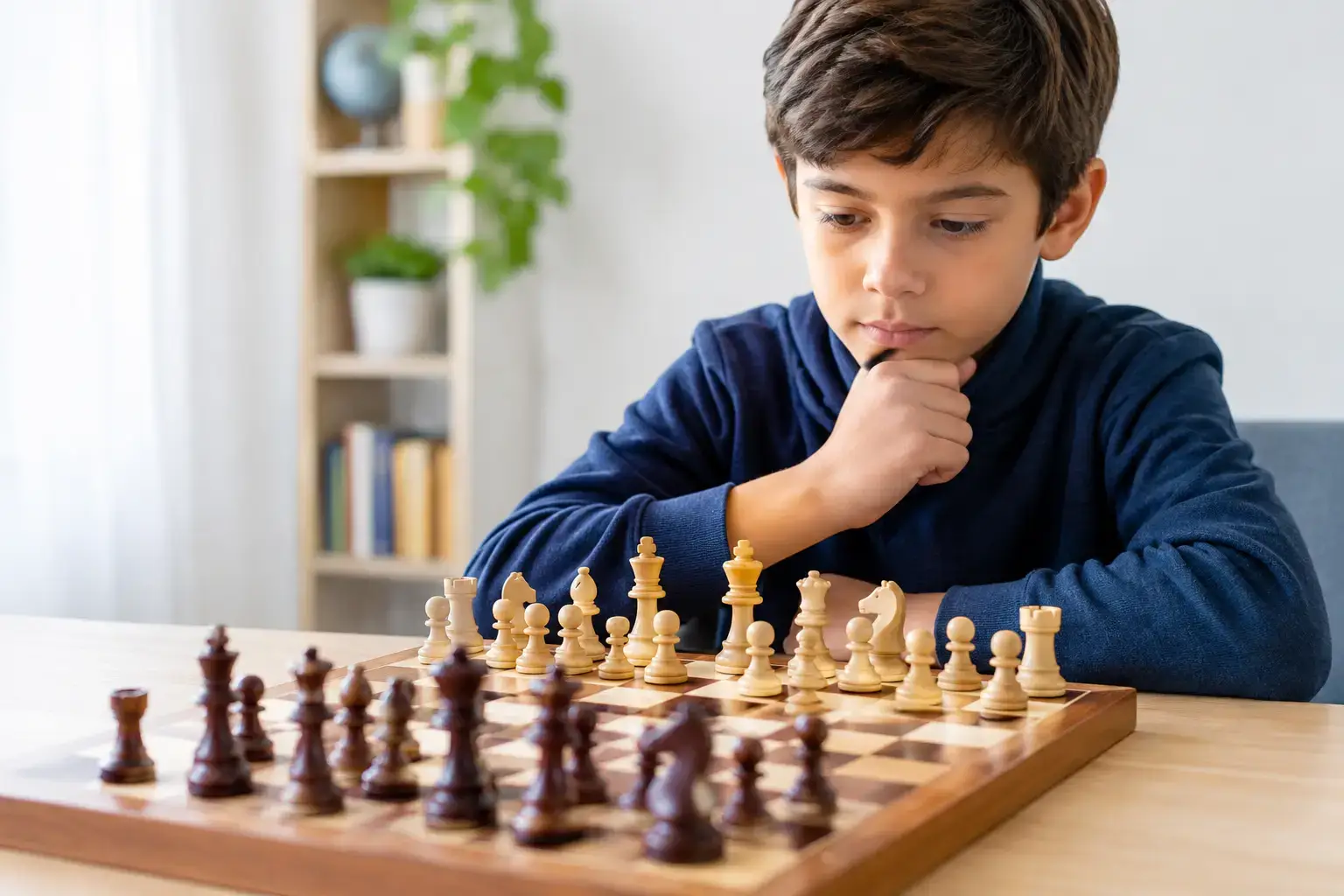
Age and temperament matter, too. A confident child may jump happily into a large club. A quieter child may learn more in one-on-one coaching, where there is time to ask questions without worrying about being wrong in front of peers. Very young children often need a coach who can adjust the lesson quickly, use engaging examples, and keep the pace calm and encouraging.
Consider attention as well. Some children focus better when surrounded by peers. Others get distracted by the noise, waiting time, or temptation to chat between games. Neither response is a problem. It is simply useful information about the learning environment your child needs.
When a Club Is Not Enough
Parents often notice a few signs that it may be time to add coaching. Perhaps a child plays often but does not seem to improve. Maybe they know many opening moves but lose track of basic tactics. They may win against beginners yet become discouraged when facing stronger players.
Tournament goals are another turning point. Tournament chess requires more than knowing the rules. Children need to manage the clock, recover after an error, record or review games when appropriate, and stay focused through longer rounds. They also need a dependable thought process when they are nervous or facing an unfamiliar position.
A coach can use the child’s own games as teaching material. That is far more useful than a generic lesson alone. Reviewing one missed fork or one overlooked check can reveal a pattern that becomes the focus of the next lesson.
Can Your Child Do Both?
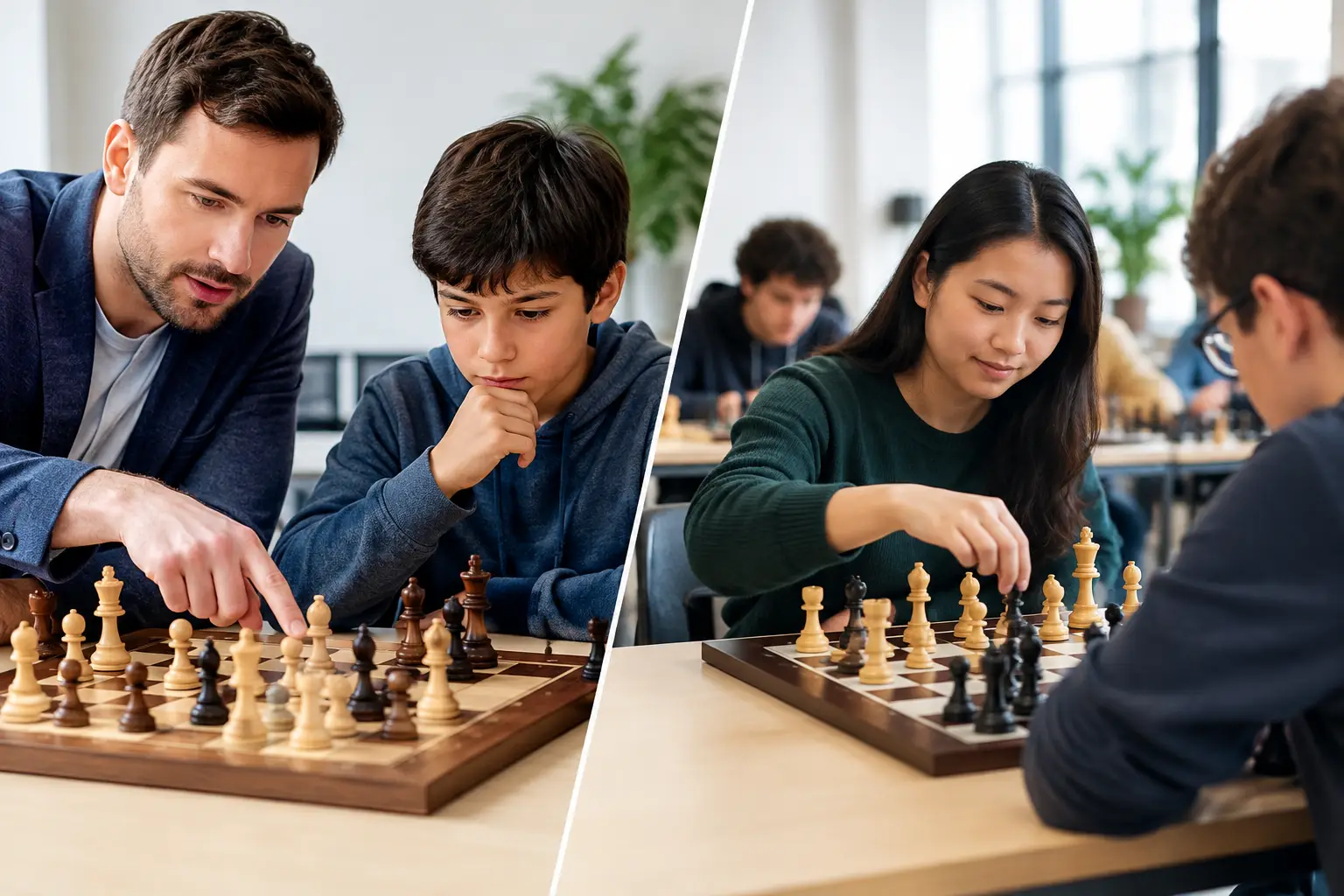
Yes, and for many children, this combination works beautifully. Coaching provides the instruction and correction. Club play provides practice, friendships, and a chance to test new skills against different opponents.
The balance should stay realistic. A child does not need a packed chess schedule to improve. One regular coaching session plus a club meeting or a few thoughtful games each week can be plenty. The goal is steady momentum, not turning a game your child loves into another source of pressure.
If your child is new to chess, it can make sense to begin with coaching for a short period so they build confidence with the basics. Once they can play independently and understand simple game rules, club participation may feel much more enjoyable. If they are already active in a club, coaching can target the specific obstacles that group play has not solved.
A Simple Way to Decide
Ask three practical questions. First, does your child need more social play or more individual guidance? Second, are they having fun while making visible progress? Third, what would make chess feel rewarding six months from now: new friends, stronger results, tournament readiness, or a combination of all three?
There is no prize for choosing the most intensive option. The right choice is the one your child can enjoy consistently and that gives them the support they need at their current stage. A welcoming club can create a lifelong love of the game. Thoughtful coaching can turn that love into confidence, discipline, and real skill.
Watch how your child responds after a few weeks. The best chess environment is not just the one where they play more games. It is the one where they feel proud to think, try, learn from a loss, and sit down eagerly for the next move.

Ready to see chess click for your child?
Book a free 20–30 minute trial lesson with one of our coaches — no commitment, no payment needed.