
Chess Endgame Guide Children Can Learn From
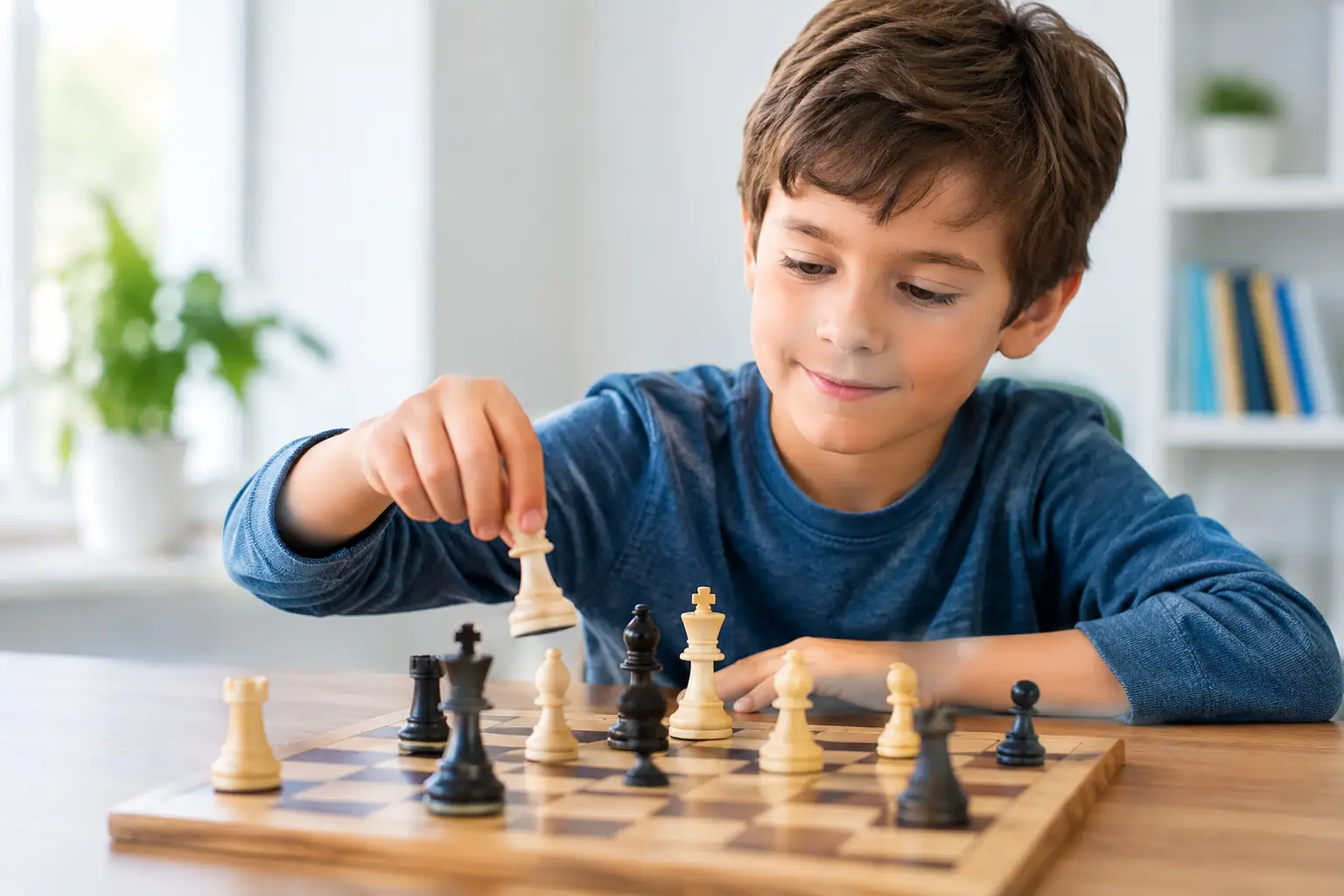
A chess endgame guide children can actually use should not begin with a page of complicated positions. It should begin with a moment every young player recognizes: most pieces are gone, the board suddenly feels huge, and they are not sure what to do next. Endgames are where children learn that chess is not only about clever attacks. It is also about patience, planning, and finishing the job.
For parents, this is encouraging news. A child does not need to memorize dozens of advanced endings to improve. A few clear ideas, practiced regularly, can turn frustrating late-game positions into confident decisions. Better still, endgame study builds skills that show up beyond chess: concentration, careful calculation, and the ability to stay calm when the answer is not immediate.
Why Endgames Matter So Much for Young Players
Beginning players often spend most of their energy on openings and tactics. That makes sense. Capturing a queen or spotting a checkmate is exciting. But many games are decided after the early fireworks have ended, when each move matters more because there are fewer pieces left to hide a mistake.
Endgames teach children to slow down. They learn to count pawns, protect their king, notice whose pawn can become a queen first, and make a plan instead of moving the first piece they see. A child who understands a basic king-and-pawn ending has a practical advantage over an opponent who only knows how to attack.
There is also a confidence benefit. Young players can feel discouraged after losing a winning position. When they know a reliable method for converting an extra pawn or checking with a rook, they begin to trust their own thinking. That confidence comes from repetition and understanding, not from being told to "play better."
A Chess Endgame Guide Children Can Remember
The best early endgame lessons are simple enough to say out loud during a game. Rather than teaching a child ten rules at once, focus on a few habits that apply again and again.
Bring the king into the game
In the opening and middlegame, the king needs safety. In an endgame, the king becomes one of the strongest pieces on the board. Children often leave their king in the corner out of habit, even when queens have been traded and no serious attack remains.
Teach your child to ask, "Where can my king help?" Usually, the answer is toward the center or toward a passed pawn. A king that reaches the middle can protect pawns, attack enemy pawns, and support its own pawn on the way to promotion.
One useful family practice game is king versus king and pawn. Give one side a king and a single pawn, then ask the child to guide the king in front of the pawn. This small exercise introduces a major endgame truth: the king often leads the way.
Passed pawns need a plan
A passed pawn is a pawn with no opposing pawn in front of it or on nearby files that can stop it. Children love passed pawns because they can see the goal: reach the last rank and get a queen. The challenge is learning not to push the pawn too quickly.
A pawn may need support from the king first. If it advances alone, the opposing king can often catch it. Encourage children to look at the square in front of the pawn and ask whether their king can protect that path. In many beginner endgames, patience wins. Move the king first, then push the pawn when it is safe.
Count before trading
When the board is simplified, children sometimes trade pieces automatically because they have heard that exchanges are good when ahead. That idea is useful, but it needs one more step: count the pawns.
If a child is up a piece and has enough pawns to win, trading can make the game easier. If they are down several pawns, however, a trade might remove their last chance to create counterplay. Before an exchange, teach this quick pause: "After we trade, who has more material, and whose king is more active?"
This habit prevents many avoidable mistakes. It also helps children understand that chess decisions depend on the position, not a one-size-fits-all rule.
Use rooks from behind pawns
Rook endgames are common because rooks often survive while other pieces are exchanged. They can also be tricky, even for experienced players. One clear beginner rule is especially valuable: put the rook behind a passed pawn, whether it is your pawn or your opponent's.
From behind, the rook has room to give checks and support promotion. A rook placed in front of its own pawn can get in the way. Children do not need to know every exception right away. They need a dependable starting point and enough practice to recognize it in a real game.
The First Endgames Worth Learning
A structured progression keeps endgame learning fun instead of overwhelming. Start with positions that give a child a visible mission and a clear result. Once those feel comfortable, add more pieces gradually.
The most useful foundation includes these five endings:
- King and queen versus king, to learn how to deliver a basic checkmate without stalemating.
- King and rook versus king, which develops coordination and patience.
- King and one pawn versus king, where children learn to use their king actively.
- Simple pawn races, which teach counting and forward planning.
- Rook and pawn endings with only a few pawns, so the child can practice active-rook ideas.
Do not rush through this list. A child who can explain why the king must move closer in a pawn ending has learned more than a child who has watched a coach demonstrate twenty positions. At Savushkin Chess, coaches often return to the same essential endings in new forms, because real progress comes when a child recognizes the idea independently.
How Parents Can Practice Without Becoming the Coach
You do not need to be a tournament player to help your child improve at endgames. Your role is to create a calm routine and ask good questions. Ten focused minutes two or three times a week can be more effective than a long session once a month.
Set up a small position on a physical board or online board. Remove the extra pieces. A full board can distract younger children, while a simple ending makes the goal easy to see. Ask your child to say their plan before they move. If they say, "I will push my pawn," follow up with, "Where does your king need to be first?"
Try not to correct every move immediately. Let the position teach the lesson when possible. If their pawn races ahead and gets captured, reset the position and ask them to find a different plan. This keeps practice positive and gives children ownership of the solution.
For ages 4 to 7, keep practice visual and brief. Use phrases such as "bring your king to help" and "walk your pawn safely." For ages 8 to 12, introduce counting squares in pawn races and identifying passed pawns. Teen players can begin discussing opposition, triangulation, and more detailed rook endings, especially if tournament competition is a goal.
Common Mistakes and What They Really Mean
When a child forgets to activate the king, it usually does not mean they are weak at chess. It means they are still using middlegame thinking in an endgame position. A simple reminder that the king is now a fighter can change their approach.
When a child promotes a pawn but cannot checkmate, that is not a wasted success. It shows exactly what to practice next: queen-and-king checkmate, then rook-and-king checkmate. Each gap is a useful next step, not a reason for frustration.
When a child moves too fast in a winning ending, the issue is often excitement. Encourage a short endgame checklist: Is my king active? Is my pawn safe? What does my opponent want? This takes only a few seconds and builds the pause that strong players use under pressure.
Let Progress Be Visible
Endgame improvement is easy to measure. A child who once needed hints to win king and pawn versus king may soon solve it alone. A player who rushed every pawn may begin waiting for king support. Those small changes are real signs of stronger chess thinking.
Celebrate effort along with results. Winning a practice position matters, but so does noticing a better plan after a mistake. Give your child positions that are challenging enough to require thought and simple enough to make success feel reachable. With steady practice, the quiet final phase of the game can become the part of chess where they feel most composed and capable.

Ready to see chess click for your child?
Book a free 20–30 minute trial lesson with one of our coaches — no commitment, no payment needed.


