Chess Learning Tools Kids Actually Use and Enjoy
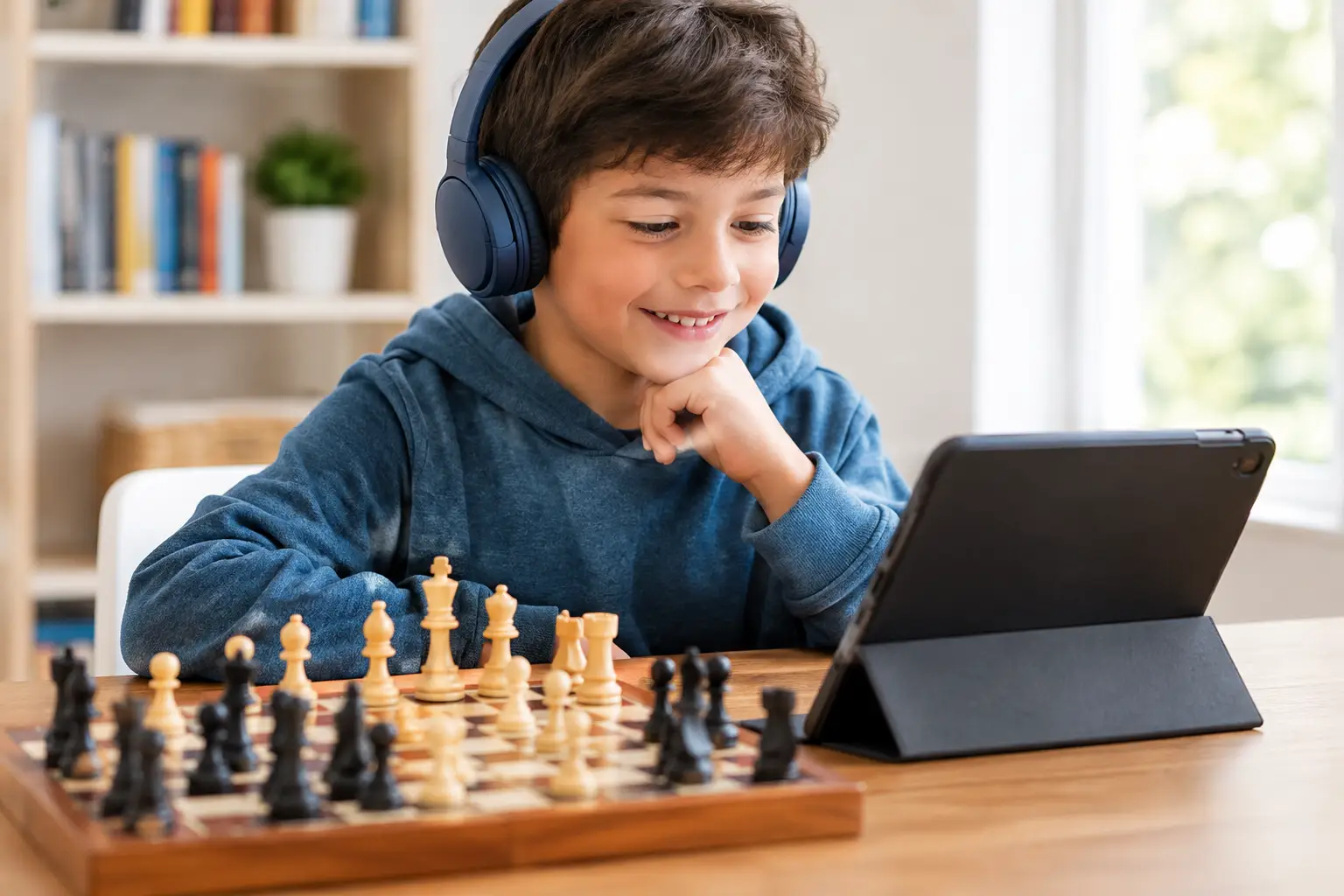
A child who can name every piece may still freeze when an opponent attacks their queen. Another child may race through puzzles but lose interest the moment the game gets difficult. That is why the best chess learning tools kids use are not simply the flashiest apps or the most expensive boards. They are the tools that meet a child at the right stage, keep learning active, and turn new ideas into confident moves.
For parents, the goal is not to fill every free minute with chess activities. It is to build a simple routine that makes progress visible. A young beginner needs to understand how the pieces move. A developing player needs to spot patterns, slow down, and learn from mistakes. A tournament-minded student needs structured practice, game analysis, and feedback from someone who knows what to teach next.
Start With the Child, Not the Tool
Before choosing a chess resource, consider what your child can already do independently. Can they set up the board? Do they understand check and checkmate? Can they play a complete game without reminders? Do they get upset after losing, or are they eager to find out what happened?
These answers matter more than age alone. A curious 5-year-old may be ready for short guided puzzles, while a 10-year-old who has played casually for years may need help breaking habits like moving too quickly or leaving pieces undefended.
Also consider attention span. A 20-minute tool used consistently is more valuable than an hour-long program that becomes a weekly argument. For younger children, a short activity with a clear finish line works best: solve three checkmate puzzles, play one mini-game, or practice how a knight moves. Older students can usually handle longer lessons and more detailed game review, especially when they understand the purpose behind the work.
Chess Learning Tools Kids Need at Each Stage
Early beginners: make the board feel familiar
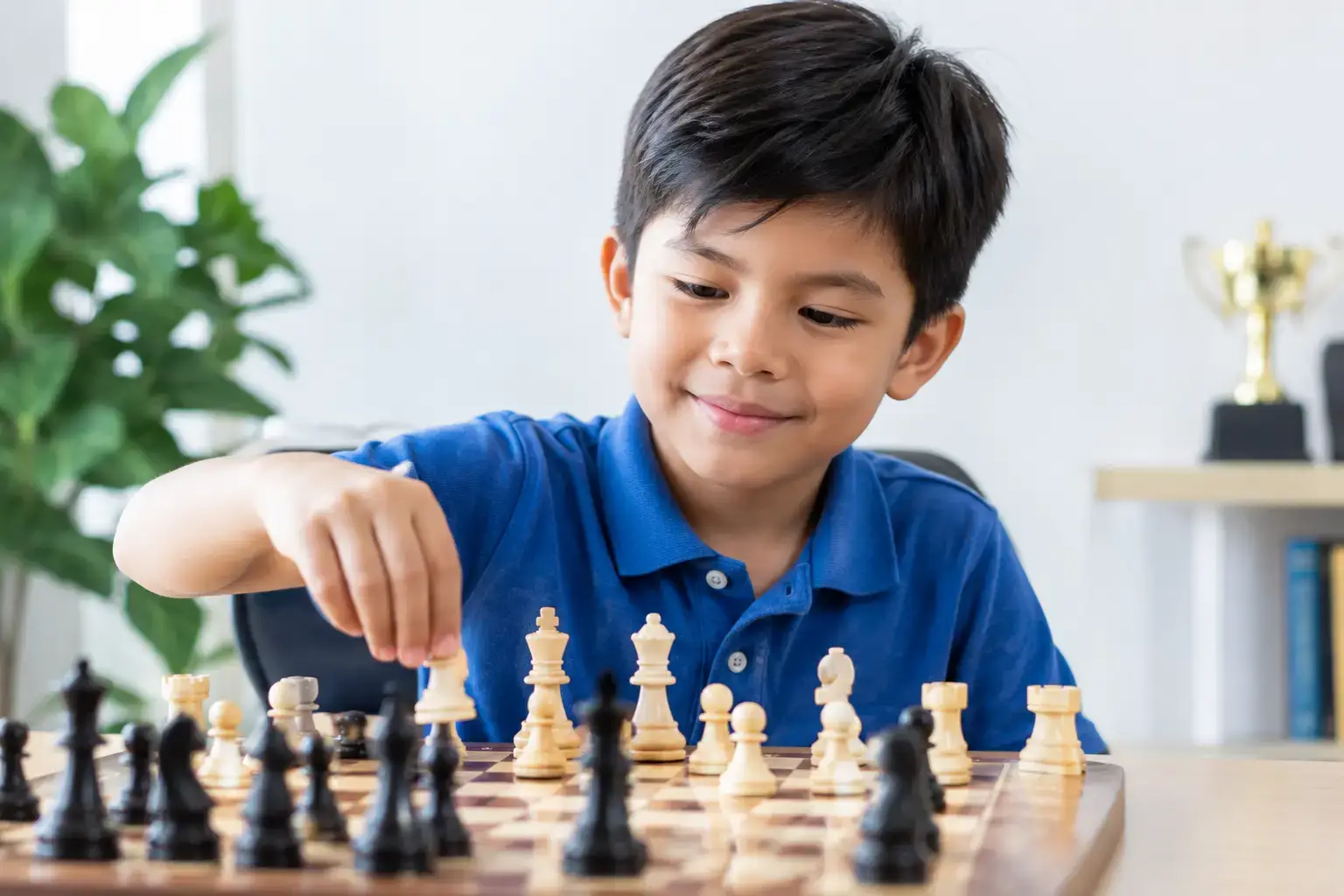
For children ages 4 to 7, a physical chess set is often the best place to begin. Moving real pieces helps young learners connect the lesson to the board. Choose pieces that are sturdy, easy to tell apart, and large enough for small hands. A board with coordinates along the edges can also make it easier to teach squares later.
At this stage, mini-games are more useful than full games. A child can practice capturing pawns with a rook, race knights to a target square, or learn how the king moves without worrying about every rule at once. These small challenges reduce frustration and give children quick wins.
Picture-based worksheets and simple chess stories can help too, but they should support play rather than replace it. A child learns faster when they point to a piece, move it, and explain what it can do. If they only tap an answer on a screen, it can be harder to see whether they truly understand.
New players: build pattern recognition
Once a child can play a basic game, chess puzzles become useful. A good puzzle asks one focused question: Can you find checkmate in one? Can you win an unprotected piece? Can you stop your opponent's threat?
Puzzle apps and online trainers can make practice feel like a game, and many children enjoy earning points or reaching a new level. The trade-off is that children can start guessing. If they solve puzzles quickly but cannot explain the idea, slow the process down. Ask, “What is your opponent threatening?” or “Which pieces are protecting that square?”
A puzzle book can be surprisingly effective for children who get distracted by screens. It encourages them to look carefully, visualize moves, and write down answers. It also gives parents a simple way to see which positions are becoming easier and which themes need more practice.
Developing players: connect practice to real games
As children improve, tools need to help them think during a real game, not just recognize a familiar puzzle pattern. This is where annotated games, opening guides, and game-review software can help.
A child does not need to memorize long opening variations. They do need to understand useful opening habits: develop pieces, protect the king, control the center, and avoid moving the same piece repeatedly for no reason. Short opening lessons followed by practice games are far more productive than memorizing ten moves without knowing why they matter.
Game review tools can point out missed tactics and major mistakes. That feedback is valuable, but it should not become a scorecard. A computer may show the strongest move, yet a child still needs to understand why their move failed and what clue they missed. The best review starts with the child's own thoughts: “Where did you feel unsure?” “When did the position change?” Then use the tool to investigate one or two important moments.
Create a Small, Useful Chess Tool Kit
More resources do not automatically create faster progress. In fact, too many apps, videos, books, and puzzle feeds can make a child jump from one activity to another without building depth.
For most beginner and intermediate students, a practical tool kit includes a physical board, a source of age-appropriate puzzles, a place to play thoughtful games, and a record of what they are learning. That record can be as simple as a notebook. After a game, a child can write one thing they did well, one moment they would change, and one idea to practice next time.
This small habit does something powerful: it teaches children that a loss is information, not a verdict. Over time, they begin to notice their own patterns. Maybe they miss back-rank threats. Maybe they trade pieces when ahead but forget to protect pawns. Maybe they play well until they rush near the end. Those observations give practice a purpose.
When Screens Help and When They Get in the Way
Online chess tools are convenient for busy families. Children can solve puzzles, watch a short lesson, play a game, or meet a coach without leaving home. For families balancing school, sports, and different schedules, that flexibility is a real advantage.
Still, screen-based chess works best when it is active. Watching video after video can feel productive without creating a lasting skill. After a short lesson, ask your child to set up the position on a board, explain the idea back to you, or play a game using that theme. If the lesson was about forks, challenge them to find one knight fork in their next game.
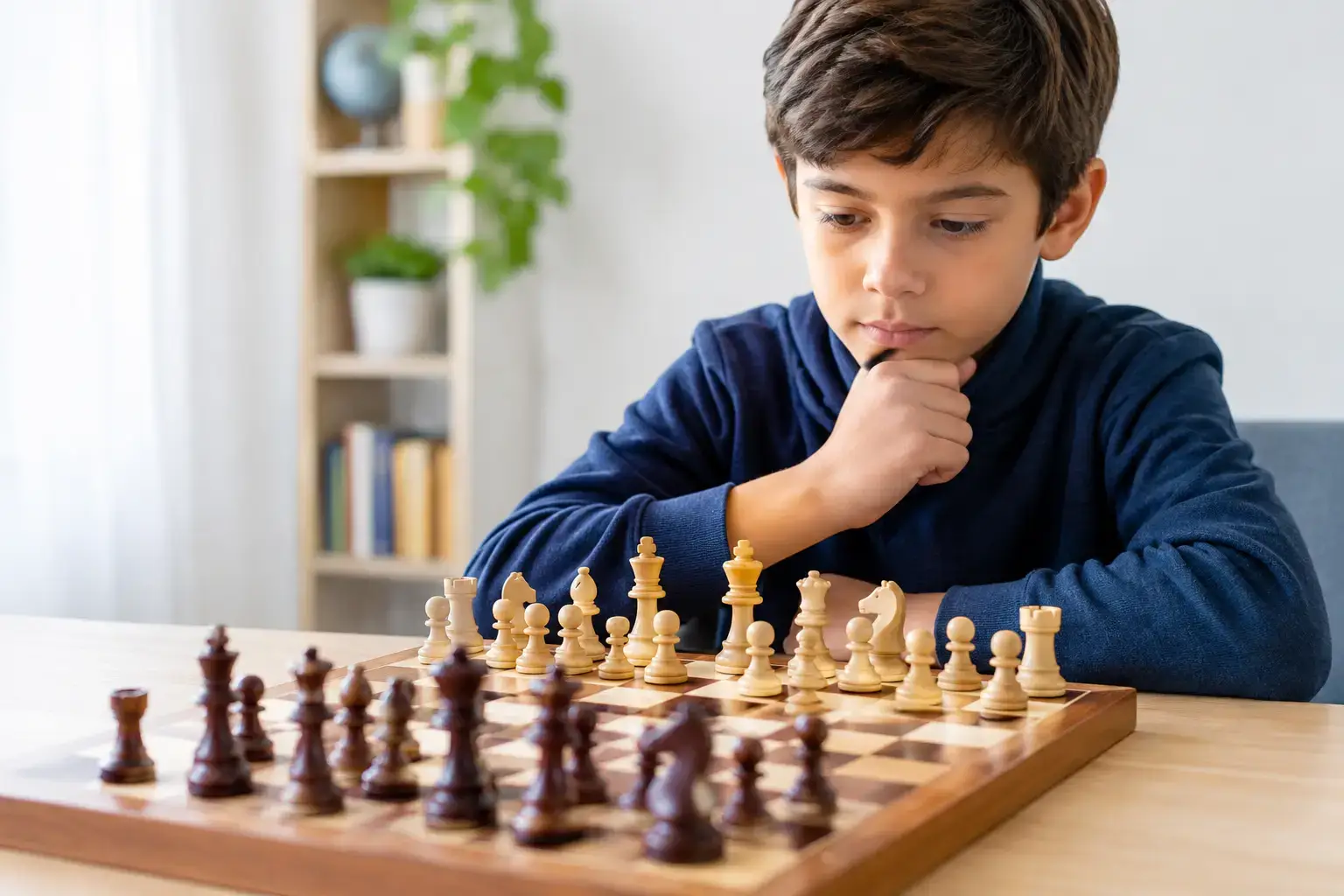
Parents should also watch for speed-based habits. Fast games can be fun, but they often teach children to move before they look. Slower games give young players time to use a simple thinking routine: check for threats, look for checks and captures, and make sure the chosen piece is safe. Children do not need perfect concentration right away. They need repeated opportunities to practice stopping before they move.
Why Guidance Matters More as Chess Gets Harder
Independent tools are excellent for repetition. They are less reliable at diagnosing why a child is stuck. A child may keep missing the same tactical idea because they do not scan the whole board. They may know the rules but lack a plan. Or they may be capable of more challenging work but have lost confidence after a few tough games.
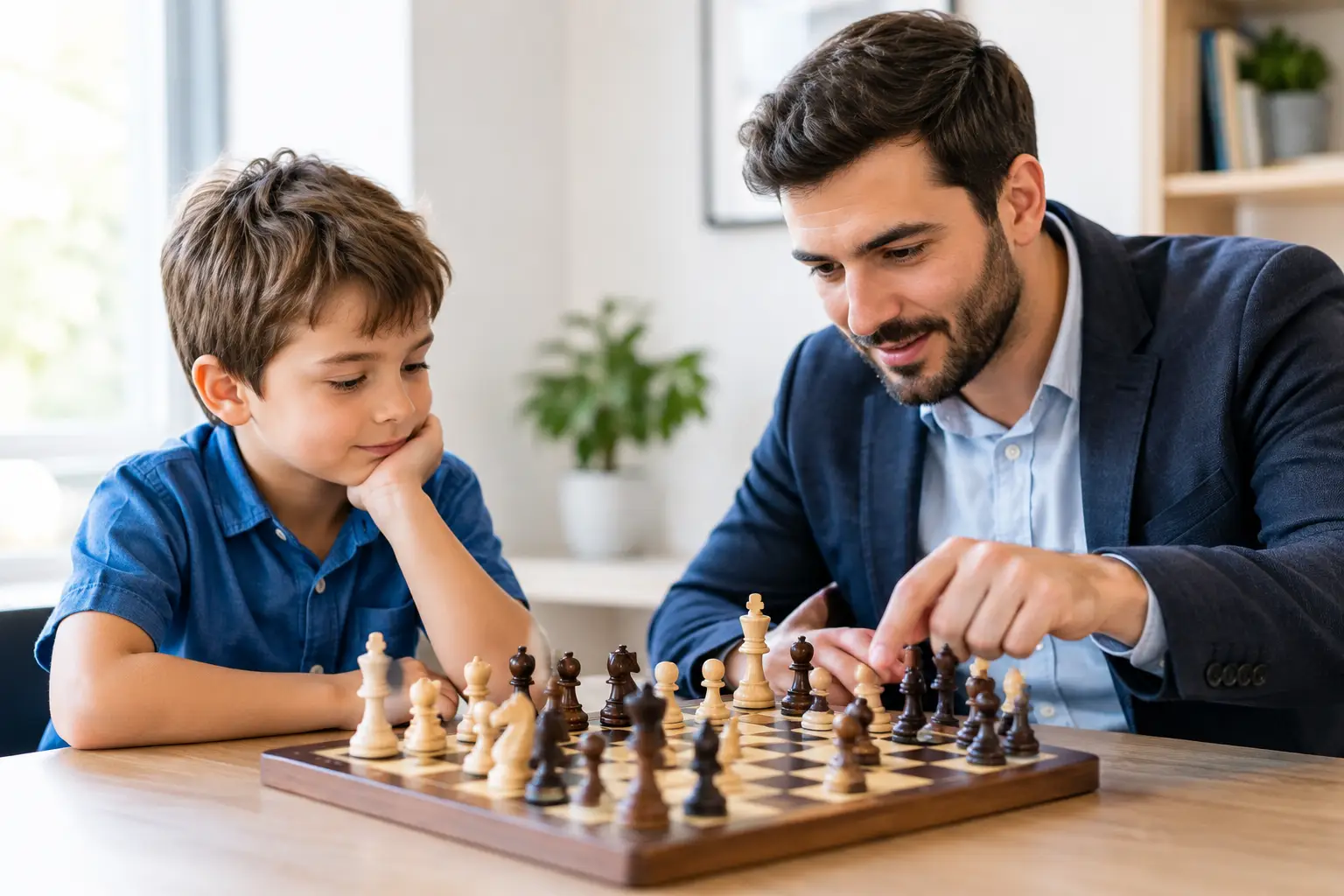
A skilled coach can spot those gaps quickly and adjust the next lesson. Instead of giving every student the same puzzle set, a coach can use a child's own games to teach the right concept at the right time. That makes learning personal and keeps goals realistic.
Live instruction also gives children a place to ask questions without feeling judged. For a beginner, that may mean practicing how to respond to check. For a stronger player, it may mean analyzing a tournament game and learning how to manage time under pressure. At Savushkin Chess, lessons are built around that kind of step-by-step progression, so children can enjoy the game while developing skills that show up at the board.
A Simple Way to Test Any New Tool
Try one new resource for two weeks before adding another. Decide what success looks like first. Your child might complete five puzzles thoughtfully, play two slower games, or remember to check whether a piece is protected before moving it.
Then pay attention to more than results. Is your child engaged? Can they explain what they learned? Are they becoming more patient in games? A tool that produces a few wrong answers but encourages careful thinking may be better than one that delivers easy points and no lasting lesson.
The right chess tool should leave your child wanting to try one more position, one more game, or one more idea. That spark, supported by clear guidance and steady practice, is where confident young chess players begin.

Ready to see chess click for your child?
Book a free 20–30 minute trial lesson with one of our coaches — no commitment, no payment needed.