Chess Lesson Package Benefits for Growing Players
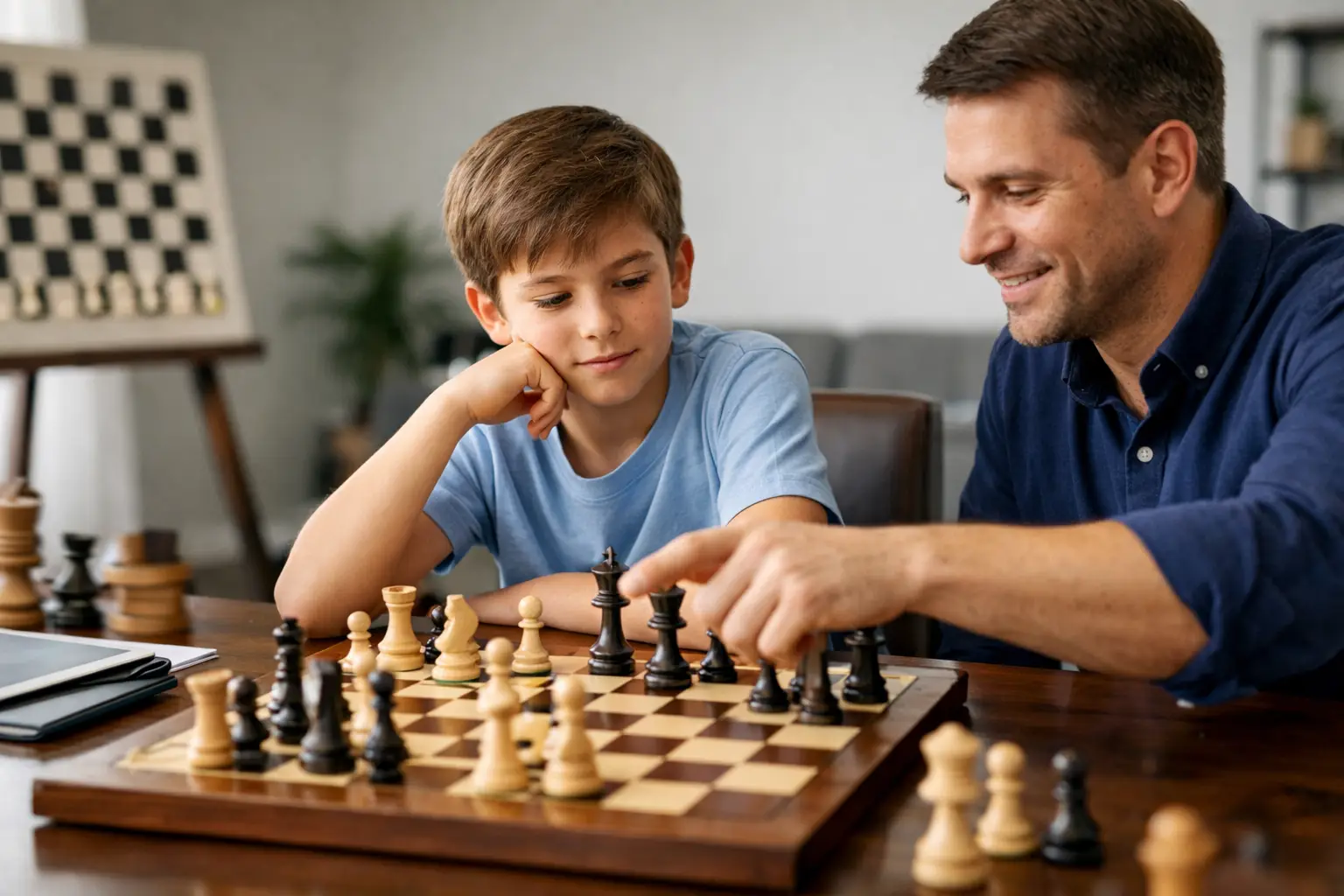
A child can learn how the pieces move in one afternoon. Turning that knowledge into calm decisions, smart plans, and confidence over the board takes more than a few scattered lessons. That is where chess lesson package benefits become clear: regular, coach-led instruction gives young players the time and structure to grow without rushing the process.
For parents, a lesson package is not simply a way to schedule several classes at once. It is a plan for consistent skill building. Your child gets to work with a coach who learns how they think, notices where they get stuck, and adjusts the next lesson accordingly. Chess stays fun, but progress has a direction.
Why One-Off Lessons Rarely Tell the Full Story
A single chess lesson can be exciting. A child may learn a new checkmate pattern, spot a clever fork, or finally understand why castling matters. But chess is a game of recall and decision-making. Young players need repeated chances to recognize patterns, use them in real games, make mistakes, and discuss those mistakes with someone who can explain what happened.
That process is hard to create with an occasional lesson. If too much time passes between sessions, the coach often has to spend valuable minutes reviewing old material. The child may remember the idea but not know when to use it. A consistent package creates momentum. Each lesson can build naturally on the last one, with practice games and small goals connecting the work.
This matters even more for beginners. Children ages 4 to 8 often learn best through short, repeated exposure. They need time to name the pieces, understand safe and unsafe squares, and practice taking turns without feeling overwhelmed. Older beginners may move through the basics faster, but they still need repetition before strategic ideas become habits.
The Biggest Chess Lesson Package Benefits for Kids
A coach can teach the child, not a generic curriculum
Every child arrives with a different starting point. One may know the rules but hang pieces every game. Another may be careful and accurate but afraid to attack. A stronger player may have good tactical vision but struggle with opening plans or time management.
With a package, the coach has enough time to identify those patterns. Lessons can then be organized around the child’s real needs instead of following a fixed script. That personalization is especially valuable online, where focused one-on-one attention can keep a child engaged and make it easier for the coach to respond in the moment.
A good learning plan also changes as the child improves. Early lessons may focus on piece movement, checkmate, and simple tactics. Later, the coach can introduce calculation, positional thinking, opening principles, endgames, and tournament preparation at the right pace.
Progress becomes visible and encouraging
Kids are more likely to stick with chess when they can feel themselves getting better. A package creates natural checkpoints: a child starts seeing threats before they happen, finishes games with more confidence, or begins explaining their own plan instead of waiting for prompts.
Parents benefit from that visibility, too. Rather than wondering whether a lesson was useful, they can see a longer story of development. Clear communication from the coach helps parents understand what their child is practicing, what is improving, and what comes next. The goal is not to turn every lesson into a report card. It is to make progress easy to recognize.
Small wins count. For one player, progress may mean remembering to protect a piece. For another, it may mean staying focused through a full tournament game. Those moments build confidence because children see that chess rewards effort, patience, and thoughtful practice.
Consistency builds focus beyond the chessboard
Chess asks children to pause before acting. They learn to look at the whole board, consider what their opponent wants, and make a choice with a reason behind it. Those habits do not appear overnight, especially for energetic young learners.
Regular coaching gives children a dependable place to practice focus. Over time, many parents notice that their child is better at sitting with a challenging problem, recovering after a mistake, and explaining their thinking. Chess is not a substitute for school support or a guarantee of academic outcomes, but it can be a meaningful way to practice concentration and self-control in a setting that feels like play.
The right lesson length matters here. A 30-minute session can be excellent for a younger beginner or a child with a busy schedule. A 45-minute lesson often gives developing players time for instruction and a guided game. A 60-minute format may suit an older child preparing for competition or working through more detailed analysis. Longer is not automatically better. The best format is the one your child can enjoy and engage with consistently.
Real games turn knowledge into skill
Children can memorize chess rules and still freeze when the game changes. That is why coached practice matters. During real games, a coach can ask useful questions: What is your opponent threatening? Which pieces are not protected? Is there a safer move? What is your plan after this exchange?
These questions help a child move from guessing to thinking. Instead of being handed every answer, they begin to develop a process they can use independently. After the game, reviewing a few key moments is often more valuable than racing through every move. The child learns that a loss is not a failure. It is information for the next game.
When a Package Makes the Most Sense
A lesson package is a strong fit when your child wants more than a casual introduction to chess. It works well for complete beginners who need a friendly, structured foundation and for experienced young players who want to sharpen tactics, improve game analysis, or prepare for tournaments.
It is also helpful for families who want a predictable routine. Online lessons remove travel time, and recurring sessions can become a positive part of the week. For busy parents, that structure is often just as valuable as the instruction itself.
Still, packages are not one-size-fits-all. If a child is only curious about chess and has never tried it, starting with an assessment or trial lesson can be the sensible first step. A patient coach can gauge interest, attention span, and current knowledge before recommending a format. There should be no pressure to choose a schedule that does not fit your family.
What a Strong Lesson Package Should Include
Not all packages provide the same experience. The number of lessons matters, but the quality of the learning relationship matters more. Look for instruction that includes an initial assessment, a clear plan, live interaction, and regular feedback for parents.
The coach should make chess understandable without talking down to the child. Young players need encouragement, but they also need honest, specific guidance. “Good job” feels better when it is followed by a reason: “You noticed your opponent’s threat before moving,” or “You used your rook actively in the endgame.” That kind of feedback teaches children what successful thinking looks like.
A strong package should also leave room for enjoyment. Some children love puzzles. Others become motivated by friendly games, themed challenges, or the chance to prepare for their first tournament. At Savushkin Chess, the aim is to pair clear progression with lessons that keep children eager to return.
How Parents Can Help Without Becoming the Coach
You do not need to know chess well to support your child. The best help is usually simple: protect the lesson time, ask what they enjoyed, and let them explain one idea they learned. Teaching someone else is a powerful way for a child to remember a concept.
Try to praise effort and thoughtfulness rather than only wins. A child who loses but takes time to check for threats may be making more meaningful progress than a child who wins by chance. If they are frustrated, remind them that every strong player studies mistakes. The coach can handle the technical details; your role is to make learning feel safe and worthwhile.
The value of a chess package is not measured by how many openings a child can recite. It shows up when they sit down at the board, take a breath, and believe they can figure out the next move. With steady guidance, that confidence has room to grow.

Ready to see chess click for your child?
Book a free 20–30 minute trial lesson with one of our coaches — no commitment, no payment needed.