
Chess Lesson Trial Review: What Parents See
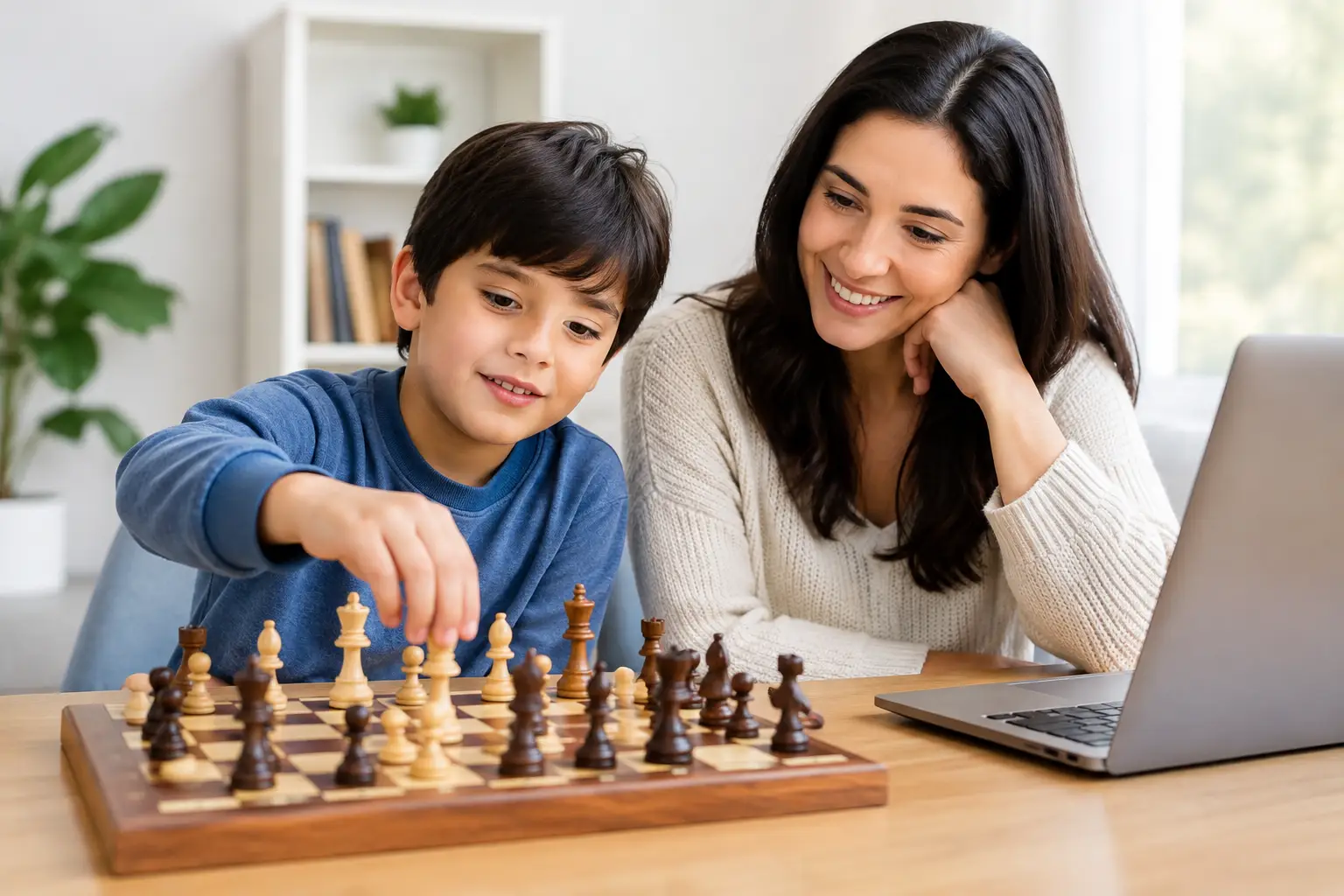
Your child sits down for an online chess trial, moves a few pieces, answers a question, and maybe smiles when they spot a checkmate. But a chess lesson trial review should look beyond whether they had fun for 30 minutes. The real question is whether the lesson gives your child a clear, encouraging starting point - and gives you confidence that progress will follow.
For parents, a trial class is not about finding a coach who can show off the most advanced tactics. It is about seeing how that coach reads your child: their current skills, attention span, confidence level, and learning style. A great first lesson makes chess feel welcoming while quietly building the structure that helps children improve.
A Chess Lesson Trial Review Starts With Your Child
Every child comes to chess with a different starting point. A 5-year-old who has never touched a board needs something very different from a 12-year-old who knows the rules but keeps losing pieces in games. That is why a useful trial should not feel like a one-size-fits-all demo.
Watch whether the coach meets your child where they are. For a beginner, that may mean checking piece movement, setting up the board correctly, and introducing a simple idea such as protecting a piece. For a more experienced player, it could mean discussing a recent game, identifying a tactical pattern, or asking why a move was chosen.
The best coaches do not rush to correct every mistake. They ask questions that help a child think: “What is your opponent attacking?” or “Which piece can help?” This approach builds decision-making, not just memorization. It also shows your child that chess is a game they can understand step by step.
Engagement matters, especially for younger children. Look for a coach who keeps the pace moving, celebrates effort, and adjusts when attention drifts. A child does not need to be excited every second, but they should leave feeling capable rather than overwhelmed.
What a Strong Trial Lesson Should Include
A free trial assessment should have enough structure to show how future lessons will work. It does not need to cover everything in one session. In fact, trying to cram openings, tactics, endgames, and tournament rules into a short trial is usually a warning sign.
Instead, a strong lesson often begins with a quick conversation and a simple skills check. The coach may ask what your child already knows, whether they play at school or online, and what they enjoy about chess. This creates a baseline without making the child feel tested.
From there, the coach should teach one or two ideas at the right level. Your child might practice spotting an undefended piece, use a basic checkmating pattern, or learn why developing pieces early helps in the opening. The exact topic matters less than the way it is taught: clearly, patiently, and with chances for your child to respond.
There should also be a moment of real play or problem-solving. Chess is learned through action. When children make choices on the board, a coach can see whether they are calculating ahead, noticing threats, or simply moving the first piece they see. That information is valuable when creating an individualized learning plan.
By the end, you should understand what the coach observed and what comes next. At Savushkin Chess, the goal of the trial is not to pressure families into a decision. It is to provide straight answers about your child’s level, the right lesson length, and the skills that deserve attention first. No payment, no commitment, and no fine print should mean exactly that.
How to Evaluate the Coach, Not Just the Lesson
Parents do not need to know chess notation or recognize a sophisticated tactic to judge a trial class. Focus on how the coach communicates.
First, notice whether explanations are age-appropriate. A skilled competitive player is not automatically a skilled teacher. Children need plain language, visual examples, and enough repetition to make an idea stick. If your child is confused, does the coach rephrase the concept calmly or simply repeat the same explanation louder and faster?
Next, pay attention to the balance of encouragement and correction. Praise should be specific. “Great job noticing that your queen was attacked” teaches more than a general “good job.” Corrections should also be useful. Rather than saying, “That move is bad,” a child-centered coach might explain, “Before moving, let’s check whether this piece is safe.”
Finally, consider how the coach handles mistakes. Chess guarantees mistakes. The right teacher turns them into learning moments instead of reasons for embarrassment. This is especially important for children who are shy, perfectionistic, or hesitant to try new activities.
A coach should also be comfortable speaking with you after the lesson. You deserve a clear picture of what your child knows, where they may struggle, and how lessons could support their goals. Whether your family wants a fun weekly activity or tournament preparation, the plan should fit the child rather than force the child into a preset path.
Questions to Ask After a Chess Lesson Trial
You do not need a long checklist. A few direct questions can reveal whether the program is a good match. Ask what level the coach believes your child is currently at and which skills should come first. Ask how progress is tracked over the next few months, not just from lesson to lesson.
It is also helpful to ask how much practice is expected between sessions. For some children, a few short puzzles or one casual game each week is enough to reinforce a lesson. For a child preparing for tournaments, the coach may recommend more consistent practice and game review. A realistic plan is better than an ambitious routine that becomes stressful after two weeks.
If scheduling is important, clarify lesson length and format before enrolling. A focused 30-minute session may be ideal for a young beginner, while a 45- or 60-minute lesson may better serve an older child working on deeper analysis. More time is not always better. The best format is the one that matches your child’s focus and goals.
What a Trial Can and Cannot Tell You
One class can reveal a lot, but it cannot predict every outcome. Your child may be quiet because they are meeting a new teacher, tired after school, or unsure how online lessons work. A reserved first session does not necessarily mean chess is not for them.
Likewise, one exciting lesson does not guarantee that every week will feel effortless. Meaningful improvement takes repetition. Children need time to recognize patterns, slow down before moving, learn from losses, and apply lessons in real games.
What the trial can tell you is whether the foundation is right. Did your child feel respected? Did the coach make chess understandable? Did the class have a clear purpose? Could you see a sensible next step? If the answer is yes, that is more valuable than a flashy presentation.
For competitive families, the trial should also start an honest conversation about readiness. Tournament progress may be a realistic goal, but the route depends on the child’s current level, willingness to practice, and response to competition. A trustworthy coach will not promise instant rating gains. They will explain the skills, habits, and game experience needed to get there.
The Best Sign to Look for Before You Enroll
The strongest sign is not that your child won every mini-game or solved every puzzle immediately. It is that they want to try again. When a child leaves a trial saying, “Can I show you what I learned?” or “When is my next chess class?” you have something worth building on.
Choose a program that pairs that excitement with a thoughtful plan. Chess can become a lasting source of confidence, focus, patience, and strategic thinking when children are taught with warmth and clear direction. A good trial does not make big promises. It helps your family see the next right move.

Ready to see chess click for your child?
Book a free 20–30 minute trial lesson with one of our coaches — no commitment, no payment needed.


