Chess Lessons for 5 Year Olds Online
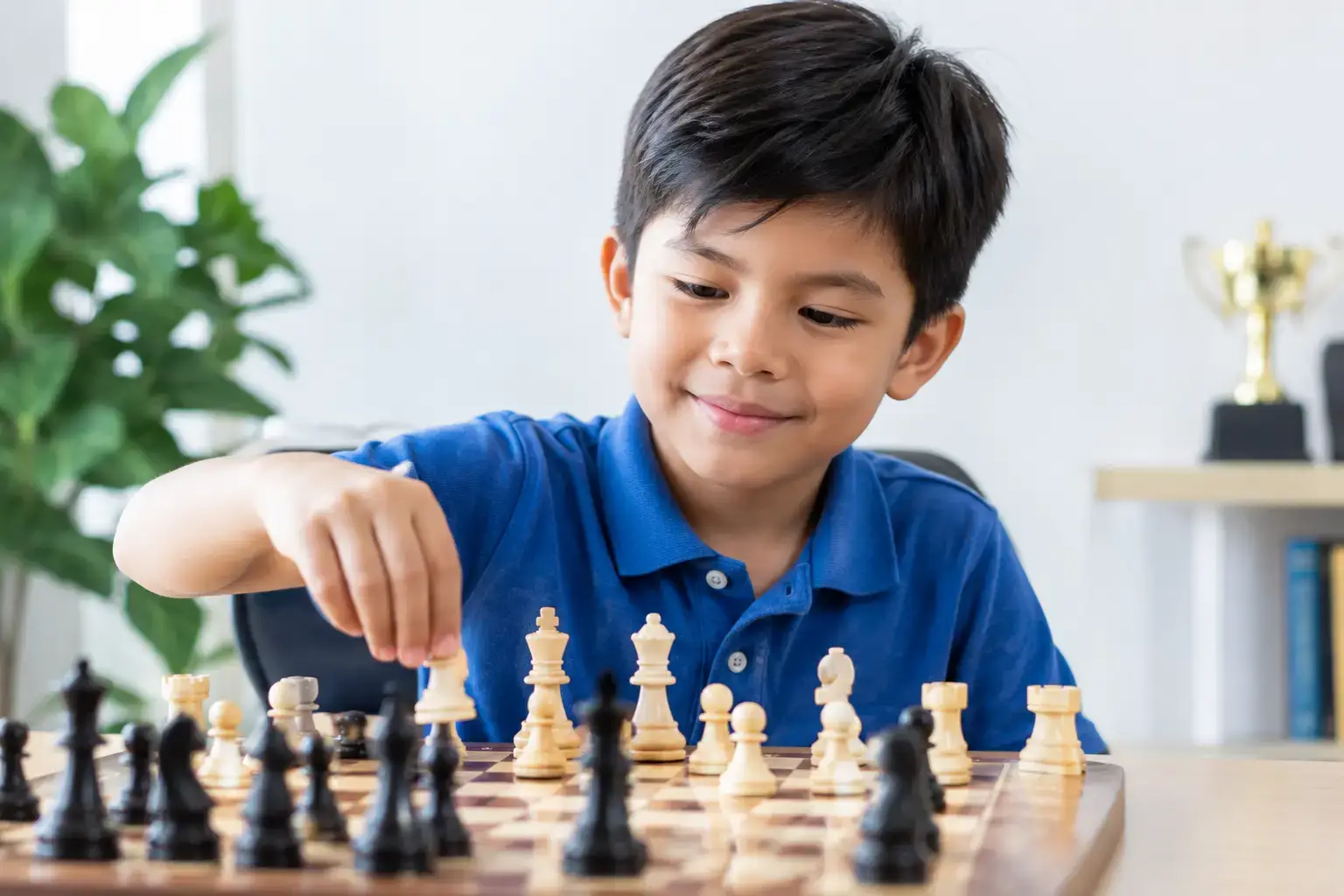
A 5-year-old does not need a lecture on opening theory. They need a coach who can turn “the knight moves funny” into a real skill, keep attention for the full lesson, and make progress feel exciting. That is why chess lessons for 5 year olds online only work well when they are built for this age from the ground up.
For parents, the real question is not whether chess is good for kids. It is whether online chess can hold a young child’s attention, teach the basics clearly, and lead to visible improvement without turning into screen-time babysitting. The answer is yes - when the lesson format, coach, and pace are right.
Are online chess lessons right for a 5-year-old?
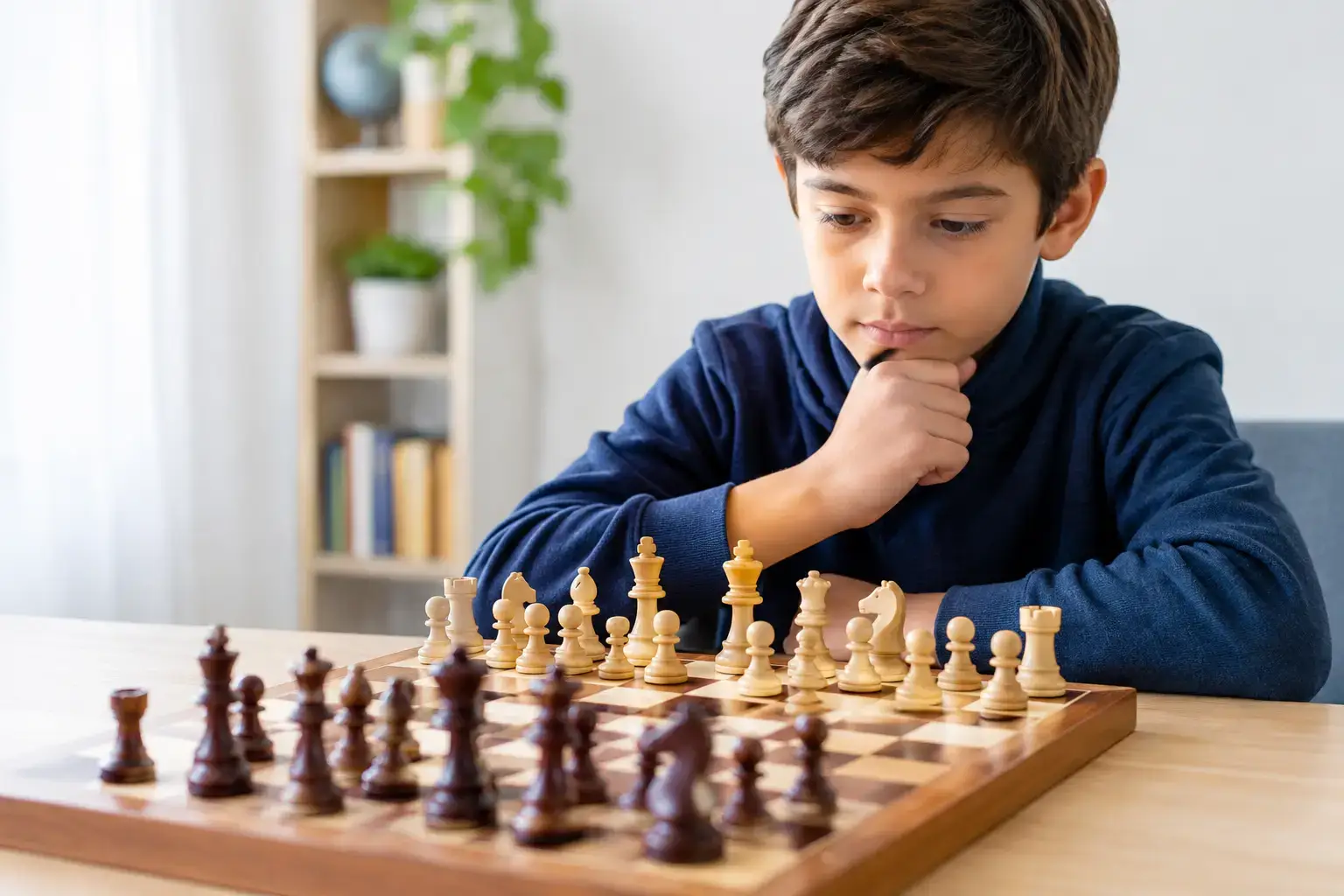
They can be an excellent fit, but not every child is ready in the same way. Some 5-year-olds are eager to follow directions, recognize patterns, and sit for short structured activities. Others still need more movement, more repetition, or a shorter lesson length. That does not mean chess is a bad choice. It means the teaching has to match the child.
A strong early program does not expect kindergarten-level students to behave like mini tournament players. It uses simple language, visual learning, and lots of interaction. Young beginners learn best when the coach asks questions often, gives immediate feedback, and keeps the child actively involved instead of just talking at them.
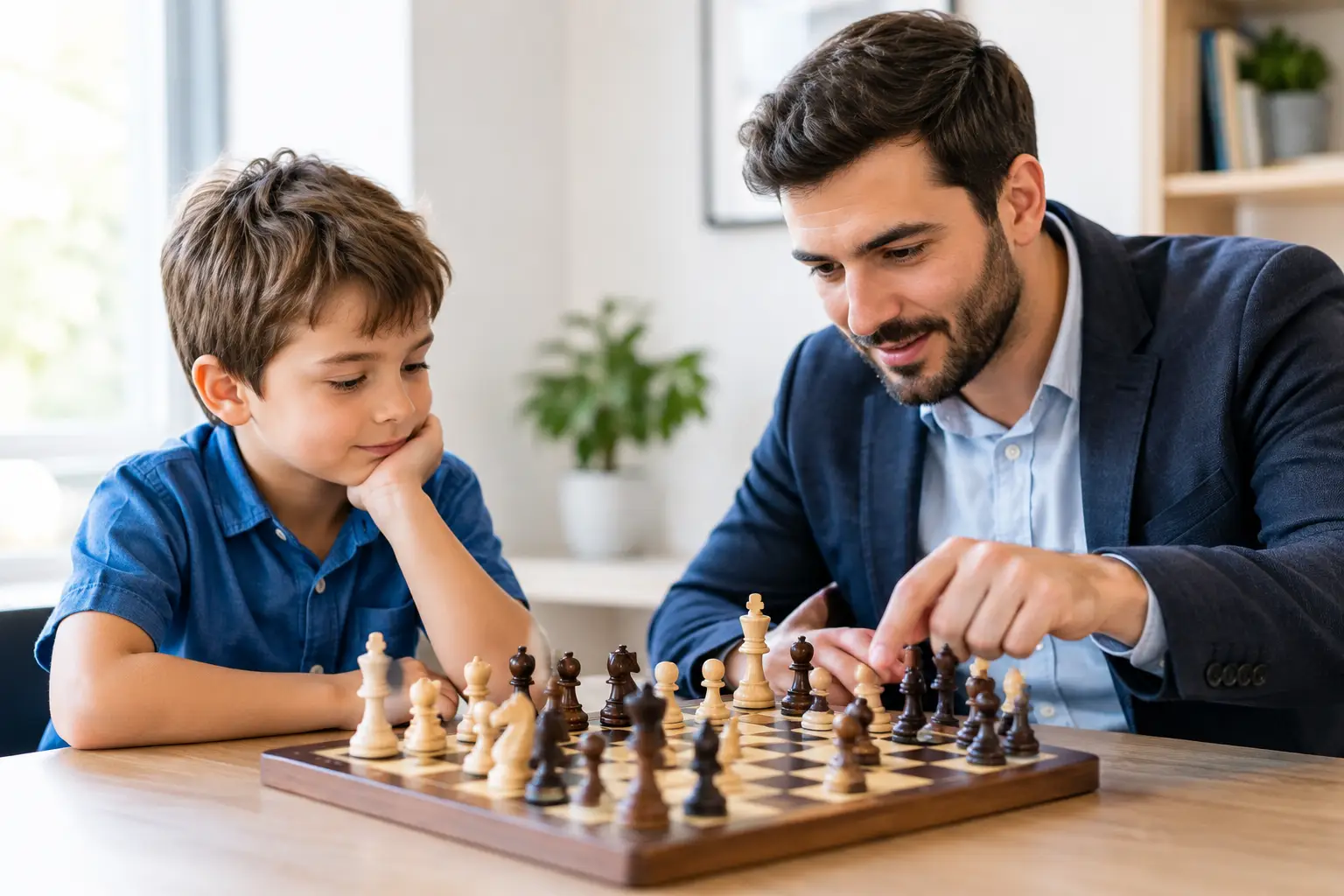
This is one reason many parents are surprised by how effective online instruction can be. In a live one-on-one setting, a coach can keep a child engaged almost continuously. There is very little waiting around. The lesson moves at the student’s pace, and the coach can quickly switch from explanation to puzzle to mini-game when attention starts to drift.
What good chess lessons for 5 year olds online should include
At this age, structure matters more than complexity. A quality lesson should feel organized and playful at the same time. That balance is what helps a child stay focused long enough to actually learn.
The first thing to look for is age-appropriate pacing. Five-year-olds usually do best with short, focused segments. A coach might spend a few minutes reviewing piece movement, then shift into a simple practice position, then end with a very short guided game. This keeps the lesson moving without feeling rushed.
The second piece is clarity. Young children do not need long explanations about strategy. They need concrete ideas they can see and use right away. “Protect your pieces.” “Look for checks.” “What is the safest square?” Those small habits build real chess understanding over time.
The third piece is encouragement with standards. Kids this age respond to praise, but they also benefit from clear correction. A good coach does both. They celebrate effort, keep the mood positive, and still teach the child to slow down, notice threats, and think before moving.
Finally, the best programs give parents a clear sense of progress. At 5, progress may not look like memorizing openings or winning rated events. It may look like recognizing all the pieces consistently, finishing a lesson with focus, spotting simple tactics, and playing a complete beginner game with less help than before. Those are meaningful milestones.
What a 5-year-old can realistically learn
Parents sometimes worry that age 5 is too early. In most cases, it is not too early for a well-taught beginner. It is simply too early for the wrong teaching style.
A 5-year-old can absolutely learn the board, the names and movement of the pieces, basic check and checkmate ideas, simple captures, and early pattern recognition. They can also begin developing habits that matter far beyond chess, including patience, turn-taking, concentration, and listening closely before acting.
What they usually cannot do yet is absorb long abstract explanations or maintain high-level focus for extended periods. That is why shorter lessons often work better than longer ones at the beginning. Thirty minutes can be very productive for a young child when every minute is interactive.
It also depends on personality. Some children love rules and pattern games right away. Others need time to warm up. A strong coach notices the difference and adjusts. That flexibility is one of the biggest advantages of live online instruction over a generic video course.
Why live coaching beats passive apps for beginners
Apps can be useful for practice, but most 5-year-olds do not learn best by clicking through chess exercises alone. They need human guidance. They need someone to notice confusion immediately, explain a rule in simpler words, and redirect attention when energy starts to dip.
That is where live lessons stand apart. A coach can ask, “Why did you choose that move?” and help the child build thinking habits instead of just guessing. They can see whether the student truly understands how a bishop moves or is only remembering it for one puzzle. They can also adapt in real time if the child is tired, excited, shy, or distracted.
For parents, there is another benefit: visibility. In a coached lesson, progress is easier to see and easier to trust. You are not left wondering whether your child is learning or just tapping through exercises. You can hear the interaction, get direct feedback, and understand what comes next.
How to choose the right online chess coach
The best coach for a 5-year-old is not always the strongest player in the room. Competitive experience matters, but teaching young children is its own skill.
Look for a coach or program that has clear experience with early learners. Teaching a teenager is very different from teaching a kindergartener. Young students need warmth, patience, and a lesson structure designed for short attention spans. They also need a coach who can make the session feel fun without losing control of the lesson.
It helps when the program offers an assessment or trial lesson first. That gives parents a chance to see how the coach interacts with the child, how the child responds to online instruction, and whether the format feels like a good match. A no-pressure trial is especially helpful at this age because readiness can vary from one child to another.
You should also expect a plan, not just isolated lessons. Even for beginners, good instruction follows a sequence. First piece movement, then simple board awareness, then checks, then basic tactics, then beginner games. When that path is clear, children build confidence faster because each lesson connects to the last.
At Savushkin Chess, this structured, child-centered approach is a big part of what families value. The goal is not just to keep kids entertained for half an hour. It is to help them enjoy the game, improve steadily, and feel proud of what they can do.
Signs the lessons are working
Results at age 5 should be visible, but they should also be realistic. A good early chess program creates momentum. Your child may start talking about pieces at the dinner table, asking to play at home, or showing more confidence when solving simple positions. Those are strong signs.
You may also notice growth in habits that support learning in general. Many parents see better focus, more patience with turn-based activities, and greater willingness to think before acting. Chess does not magically transform every child overnight, but a structured lesson can reinforce exactly those skills in a way that feels engaging rather than forced.
If your child is constantly frustrated, zoning out, or dreading lessons, that is worth paying attention to. Sometimes the issue is timing or readiness. Sometimes it is the wrong coach or lesson length. The solution is not always to quit. Often, it is to adjust the format.
A smart way to start
If you are considering chess lessons for 5 year olds online, start simple. Choose a live program with real beginner experience, a patient coach, and a lesson length that fits a young child’s attention span. Give it enough time to see a pattern, but not so much time that your child gets stuck in the wrong setup.
At this age, the best first step is not chasing fast results. It is building a positive relationship with learning chess. When a child feels successful early, they are far more likely to stay with it, improve steadily, and eventually grow into stronger game play.
A good first lesson should leave your child feeling proud, curious, and ready to come back for more. That is where real progress begins.

Ready to see chess click for your child?
Book a free 20–30 minute trial lesson with one of our coaches — no commitment, no payment needed.