
Chess Lessons for Kids That Build Real Skills
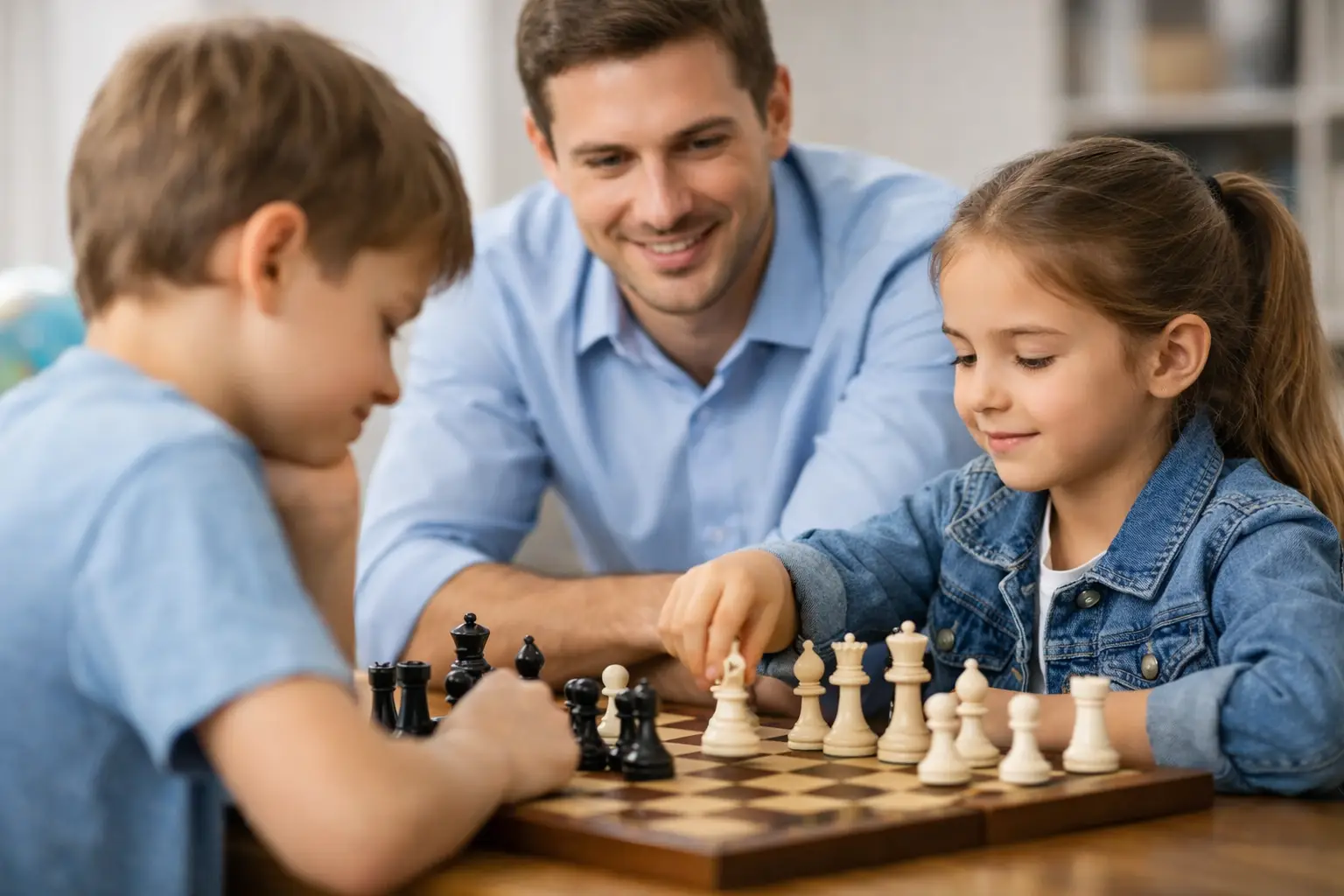
A child who learns chess by clicking through puzzles can certainly pick up a few tricks. But when the board gets complicated, the clock is running, and an opponent makes an unexpected move, they need more than memorized answers. Great chess lessons help children learn how to think: pause, look carefully, make a plan, and recover calmly when a plan changes.
For parents, that difference matters. Chess can be a fun after-school activity, but it can also become a practical place for kids to practice focus, patience, decision-making, and confidence. The right lesson format makes the experience feel encouraging rather than overwhelming, especially for a beginner who is still figuring out how every piece moves.
What Kids Should Gain From Chess Lessons
A strong chess program is not built around filling a child’s head with openings and chess vocabulary. It is built around clear progression. Kids need the rules first, then simple tactical ideas, then the ability to recognize patterns and make decisions in real games.
For a young beginner, progress may mean setting up the board correctly, spotting an attacked piece, or remembering to check for checks before moving. For an experienced player, it may mean calculating two or three moves ahead, evaluating trades, or staying composed after a mistake. Both are real progress, and both deserve to be noticed.
The broader benefits show up gradually. A child who rushes through every move begins to slow down and scan the board. A child who feels discouraged after losing learns that a loss can reveal what to practice next. These lessons do not turn every child into a tournament champion, nor should that be the only goal. They give children a repeatable way to approach challenges with more thought and resilience.
Why Live Chess Lessons Work So Well for Children
Chess is often taught through videos, apps, or large group clubs. Each can have a place. Apps are useful for quick puzzle practice, and a chess club can make the game social. But neither automatically tells a child why a move was missed or what to focus on next.
Live instruction provides that missing feedback. A coach can see whether a student understands a concept or is simply guessing. If a child keeps leaving pieces undefended, the coach can pause the game, explain the pattern in plain language, and give them a chance to apply it immediately. That is much more effective than assigning a general set of exercises and hoping the lesson sticks.
One-on-one instruction is especially helpful when children are at very different stages. Some kids need a playful introduction with short activities and frequent encouragement. Others are ready to study tournament games and sharpen their opening choices. A personalized lesson plan meets the child where they are instead of asking them to keep pace with a group that may be too fast or too slow.
Online lessons also solve a practical family problem: time. Parents do not have to add another drive across town to an already busy week. With a coach, a board on screen, and a familiar space at home, children can receive focused instruction without the rush before and after class.
What a Good First Lesson Looks Like
A first lesson should feel like an assessment, not a test. The goal is to understand the child’s current level, personality, and learning style. A coach may ask the student to set up the pieces, play a few moves, solve a simple position, or explain what they notice on the board.
For complete beginners, the first win may be learning that the knight jumps while the bishop moves diagonally. For a child who already plays casually, the coach might look for habits such as moving too quickly, missing opponent threats, or trading pieces without a reason. These small observations create a much more useful starting point than choosing a random lesson level.
Parents should come away with straight answers. Is their child a true beginner, an early intermediate player, or ready for competitive preparation? What should they work on first? How often should they take lessons? A trustworthy program explains the path clearly and does not pressure families to commit before they understand what their child needs.
The Building Blocks of Effective Chess Lessons
Children learn best when each lesson has a clear objective and enough repetition to make it useful. The exact order can vary, but good instruction usually develops several connected skills over time.
Rules, safety, and piece awareness
Before strategy becomes exciting, a child needs to feel comfortable with the board. They should know how each piece moves, recognize check and checkmate, and begin asking a vital question before every move: “What is my opponent attacking?” This habit prevents many beginner mistakes and builds attention from the start.
Tactics and pattern recognition
Chess tactics are short sequences that win material or create a powerful threat. Forks, pins, skewers, discovered attacks, and basic mating patterns can sound advanced, but they can be taught in age-appropriate steps. Children enjoy the moment when they spot a clever move for themselves. That sense of discovery makes practice feel rewarding.
Planning and strategic thinking
Tactics alone are not enough once opponents stop making obvious mistakes. Students gradually learn why they should develop pieces, control the center, protect the king, improve their worst-positioned piece, and avoid unnecessary pawn moves. The language should stay simple, but the thinking becomes more mature.
Real games and thoughtful review
A child needs regular chances to use new ideas in real games. Afterward, the coach should review a few key moments rather than criticize every move. The best question is often, “What did you notice here?” It helps students become active thinkers instead of waiting for someone else to give every answer.
How Often Should Your Child Take Lessons?
There is no single schedule that fits every family. A weekly lesson is a strong starting point for many children because it creates consistency without adding too much pressure. Between lessons, even 10 to 15 minutes of purposeful practice a few times a week can make a noticeable difference.
Shorter 30-minute sessions can work well for younger children or first-time learners with limited attention spans. Forty-five minutes often gives elementary-age students time to learn, practice, and play. Sixty-minute lessons can suit older students, motivated players, and children preparing for tournaments. The right length depends less on age alone and more on focus, goals, and how the child responds to instruction.
More frequent lessons may help before a tournament or when a child is especially motivated. Still, progress should not come at the expense of enjoyment. A child who feels successful and eager to return will usually improve more steadily than one who is overloaded with material.
When Is a Child Ready for Tournament Chess?
Tournament play is not required for a child to benefit from chess. Many students simply enjoy learning and playing casually. But for children who like competition, tournaments offer valuable experience: using a clock, following rules independently, handling unfamiliar opponents, and learning to stay calm under pressure.
Readiness is not only about rating or how many openings a child knows. A student should understand the rules well enough to play independently, be able to concentrate through a full game, and have the emotional tools to handle both wins and losses. A supportive coach can help parents decide whether a local event is the right next step or whether more game practice would be better first.
Tournament preparation should be practical. Children benefit from playing timed games, reviewing common mistakes, and learning simple routines such as checking the whole board before moving. They also need permission to make mistakes. Every strong player has lost games they could have won. The goal is to learn from the position, not fear it.
What Parents Should Look For in an Online Chess Coach
The best coach for a child is not always the person with the highest rating. Chess knowledge matters, but teaching children requires patience, clear communication, and the ability to make ideas engaging. A coach should adjust explanations when a student looks confused, celebrate honest effort, and keep the lesson moving without rushing.
Look for a program that offers an initial assessment, a clear plan for progression, and regular communication about what your child is learning. Parents should not have to guess whether lessons are productive. They should know which skills are improving, where their child needs support, and what practice will help between sessions.
At Savushkin Chess, that child-centered approach is the point: live coaching is designed to make the game enjoyable while helping each student build skills they can use in real play. For families, a trial assessment can be a low-pressure way to see whether the coach, format, and lesson length feel like a good fit.
The most helpful next step is simple: watch how your child feels after a lesson. If they can explain one new idea, feel proud of a small improvement, and want to sit down at the board again, they are building something that reaches well beyond chess.

Ready to see chess click for your child?
Book a free 20–30 minute trial lesson with one of our coaches — no commitment, no payment needed.


