Chess Opening Principles Kids Can Use Right Away
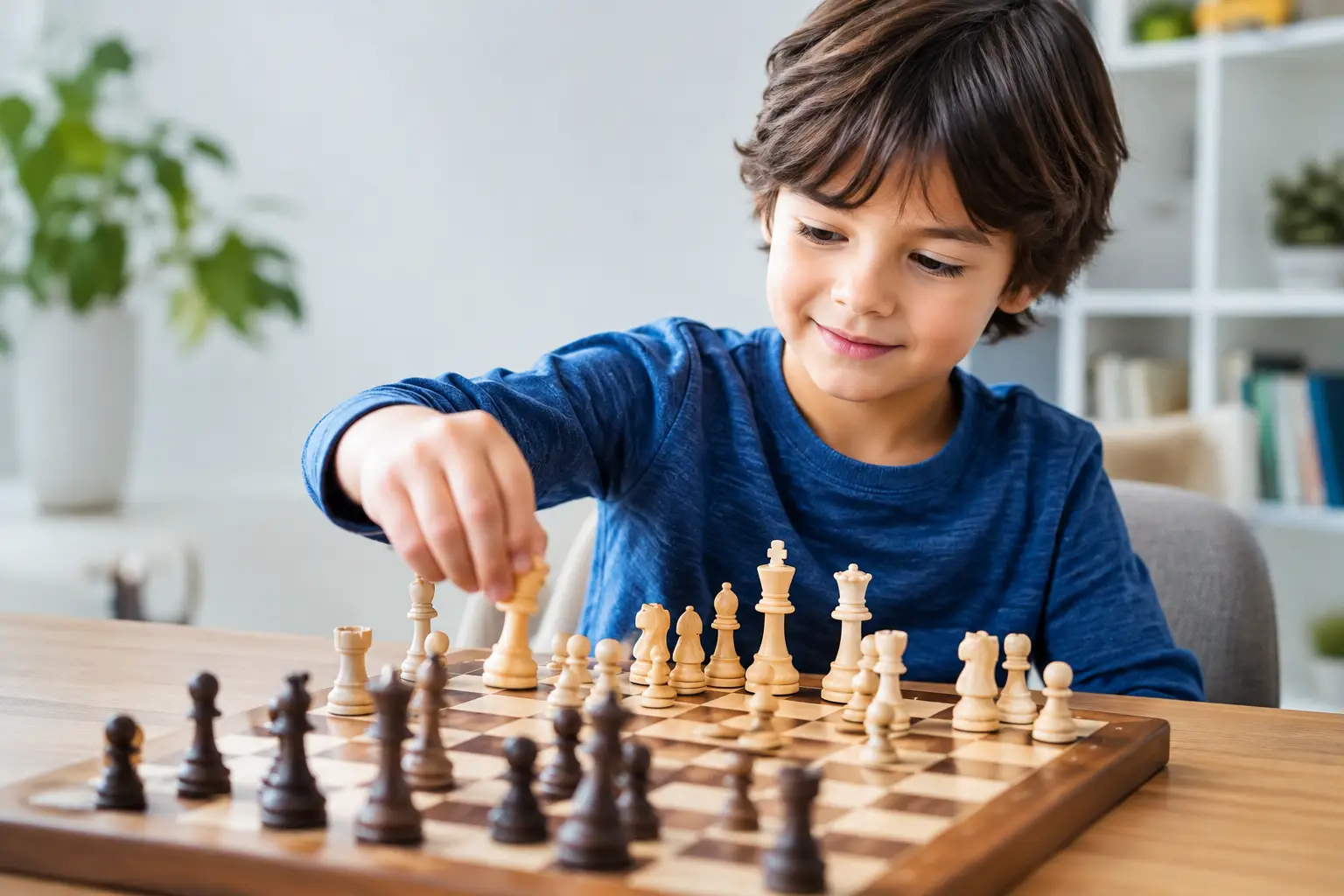
A child can lose a chess game before either player has made a real plan. It often starts with a familiar scene: one pawn moves twice, the queen races out, a knight sits on the edge, and suddenly the king has nowhere safe to go. Chess opening principles give young players a simple framework for avoiding those early problems while learning to think with purpose.
For parents, the goal is not to have your child memorize a long list of opening names. The goal is to help them start each game calmly, develop their pieces, protect their king, and reach a position where they can actually use their ideas. These habits make chess more enjoyable and build the focus and patience that carry into tournament play.
Why the Opening Matters So Much for Young Players
The opening is the first stage of a chess game, usually the first 8 to 12 moves. It sets up everything that comes next. A player who develops pieces efficiently and keeps the king safe can look for tactics, make a plan, and respond to threats. A player who falls behind in development often spends the rest of the game trying to fix preventable problems.
Children sometimes see the opening as a race to attack. That instinct is understandable. Capturing a piece or giving check feels exciting. But strong chess teaches a better lesson: prepare first, then attack when the position supports it.
This is especially valuable for beginners. When a child knows what to do in the opening, they are less likely to freeze after the first move. They have a reliable sequence of priorities, not a script that must be memorized perfectly.
The 4 Core Chess Opening Principles
1. Fight for the center
The four central squares - d4, e4, d5, and e5 - are the most important real estate on the board. Pieces placed near the center can move in more directions and influence more of the game. A knight in the center is usually active; a knight trapped near the corner is usually not.
For White, moves such as e4 or d4 often claim space in the center. For Black, the answer is usually to challenge that space rather than simply watch it happen. Young players do not need to memorize every response. They need to ask, “Who controls the center, and how can I help my pieces do that?”
A center pawn move also opens lines for the queen and bishops. That leads naturally to the next priority: bringing out the pieces.
2. Develop minor pieces early
Development means moving pieces from their starting squares to useful squares. In the opening, knights and bishops usually come out before the queen and rooks. A useful beginner goal is to develop both knights and both bishops, when possible, without moving the same piece repeatedly for no reason.
This principle prevents a common mistake: moving one favorite piece again and again while the rest of the army stays home. A child may move a knight three times because it seems to be attacking something. Meanwhile, the opponent develops three new pieces and takes control of the board.
There are exceptions. Sometimes a piece must move again because it is attacked, or because there is a clear tactical reason. Chess is not about following rules blindly. It is about understanding the reason behind them. In most quiet positions, bringing out a new piece is more useful than making a second move with an old one.
3. Keep the king safe by castling
Castling is one of the most important moves a beginner can learn to value. It moves the king away from the center and brings a rook closer to the action. In many games, castling early is the difference between a comfortable position and a sudden attack against an exposed king.
Kids sometimes delay castling because they want to move more exciting pieces. Others forget that castling is only possible when the squares between the king and rook are clear, the king is not in check, and the king does not cross or land on an attacked square.
A helpful question after developing a few pieces is: “Can I castle soon?” If the answer is no, your child can look at what still needs to move. Usually, it is a bishop or knight blocking the path.
4. Do not bring the queen out too early
The queen is powerful, which makes her tempting. But an early queen move often gives the opponent an easy target. If the other player attacks the queen with a developing move, the queen must move again while the opponent improves another piece.
That does not mean the queen should never move in the opening. There are sound openings where she comes out early, and sometimes a queen move wins material or prevents a threat. The key is purpose. Before moving the queen, a child should ask whether the move develops a real attack, protects something important, or simply invites the opponent to chase her around.
A Simple Opening Check for Every Game
Young players benefit from a short routine they can repeat before making each early move. A coach may gradually add more advanced questions, but this basic check is enough to create much better habits:
- Have I moved a center pawn or challenged my opponent’s center?
- Can I develop a knight or bishop to a useful square?
- Is my king ready to castle, or what is stopping it?
- Does my move leave a piece hanging?
The last question matters at every level. An opening can look excellent until a child overlooks a knight, bishop, or pawn that is attacked. Encourage your child to pause for a few seconds and scan the whole board before moving. That small pause builds the discipline needed for stronger chess.
Common Opening Mistakes and What to Do Instead
Moving too many pawns is one of the most frequent beginner mistakes. Pawn moves can be helpful, especially when they claim the center or open a line for a bishop. But every extra pawn move delays piece development. Instead of pushing several side pawns, a child should usually develop a knight or bishop after one or two center pawn moves.
Another common mistake is hunting pawns with a single piece. A child may see a pawn that looks free, move a knight deep into enemy territory, and then discover the knight has no safe route back. Before taking a pawn in the opening, ask: “Can this piece be attacked, and where will it go next?”
Early checks can also distract beginners from sound development. A check is only useful if it creates a real problem. If the opponent blocks it easily and gains time, the checking piece may have helped the other side. Teach children that check is a question, not automatically a good move.
Finally, some young players copy moves from videos without knowing why they work. Opening knowledge is useful, but memorization alone is fragile. If an opponent plays an unexpected move, a child who understands the principles can still find a sensible response.
When Principles Have Exceptions
Chess opening principles are guides, not laws. Advanced players sometimes move the same piece twice, postpone castling, sacrifice a pawn, or develop the queen early. They do so because they have calculated a concrete reason.
For a developing player, that distinction is powerful. Principles are the safe default when the board feels confusing. If your child believes they have found an exception, they should slow down and check for threats, loose pieces, and the opponent’s best reply. This turns a flashy idea into a thinking exercise rather than a guess.
It also helps to remember that different openings create different types of games. Open positions often reward rapid development and king safety immediately. Closed positions may allow a little more maneuvering. Still, the same foundation holds: control space, activate pieces, and do not leave the king in danger.
How Parents Can Support Opening Progress
You do not need to be a chess expert to reinforce good opening habits at home. After a game, ask your child to show you where they developed their knights and bishops, when they castled, and whether they moved one piece too many times. These questions are more useful than simply asking who won.
Praise the process when it is done well. If your child loses but develops pieces, castles safely, and avoids hanging material, that game contains real progress. A patient coach can then help them review the specific moment where the position changed and build the next lesson around it.
At Savushkin Chess, we teach opening habits in a way children can use right away: clear goals, age-appropriate explanations, and plenty of practice in real games. The best opening is not the one with the fanciest name. It is the one your child understands well enough to play confidently, calmly, and with a plan.

Ready to see chess click for your child?
Book a free 20–30 minute trial lesson with one of our coaches — no commitment, no payment needed.