
Chess Rating Improvement: A Smart Plan for Kids
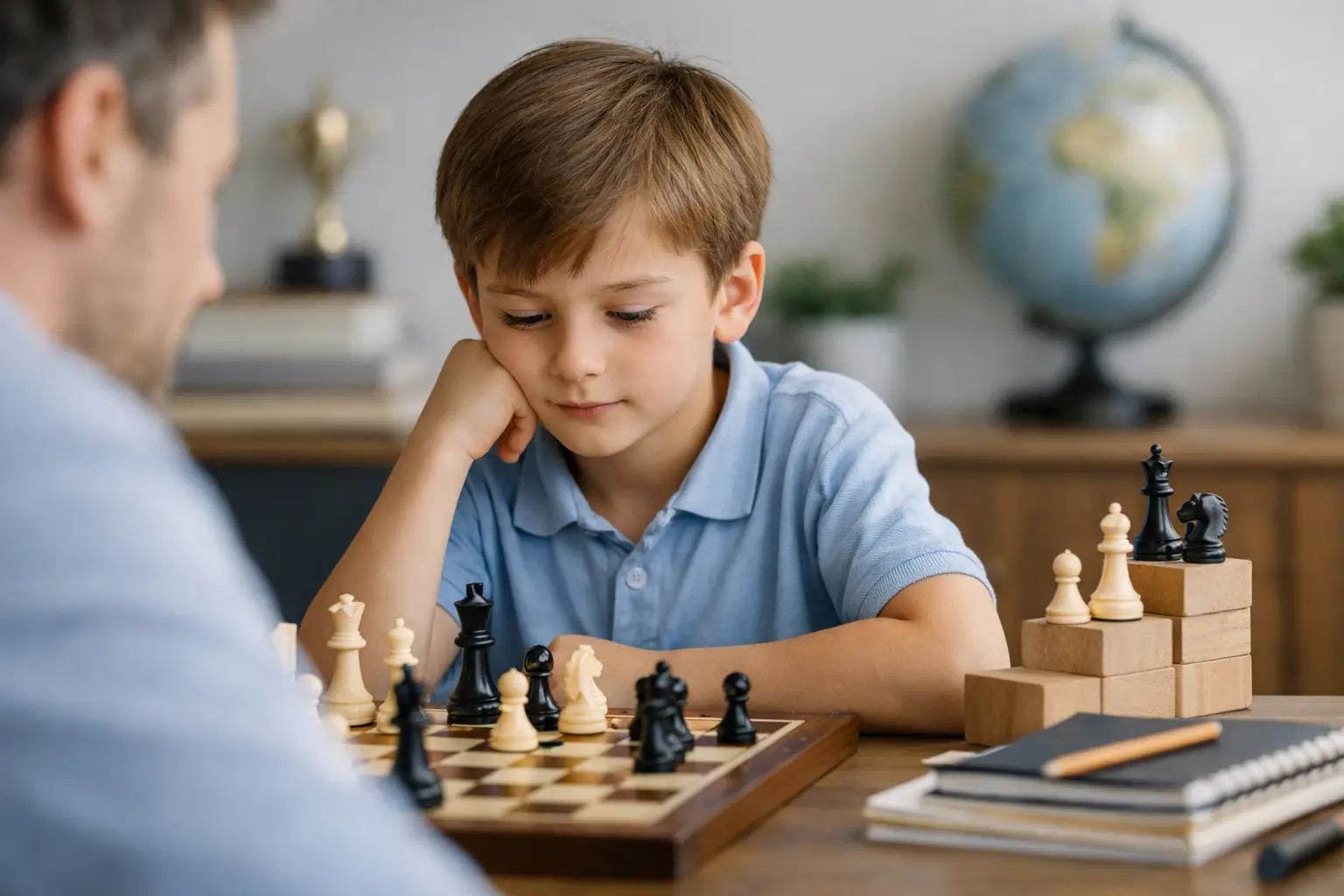
A rating can feel like a report card after a tough tournament weekend. Your child wins two games, loses three, and immediately asks why their number did not go up more - or why it went down at all. The good news is that chess rating improvement is rarely about one brilliant move or one perfect event. It comes from a steady process: stronger habits, thoughtful review, and enough real games to turn lessons into decisions.
For parents, the goal is not to make every loss feel acceptable by ignoring it. It is to help a young player learn from losses without letting a rating define their confidence. When a child has a clear plan, ratings usually follow.
What a Chess Rating Actually Measures
A chess rating estimates how a player is likely to perform against other rated players. It changes based on results, the strength of opponents, and the rating system used by a tournament or online platform. That means a child can play better chess and still see a small rating drop after a difficult event.
This is especially common when a young player begins entering stronger sections. Facing tougher opponents may lead to more losses at first, but it also exposes the exact skills that need attention. A child who only plays opponents they can easily beat may protect a rating while slowing their development.
Parents should also avoid comparing ratings across every website and tournament organization. Online rapid, online blitz, and over-the-board tournament ratings are different pools. A rating is most useful when you compare a child’s progress within the same format over several months.
Chess Rating Improvement Starts With Better Decisions
At beginner and intermediate levels, games are often decided by a small number of repeated mistakes. A player may know how each piece moves, yet still leave a queen hanging, miss a one-move checkmate, or start an attack while their king is unsafe.
The fastest gains usually come from reducing these avoidable errors. Before every move, a young player needs a simple thinking routine. Ask: What is my opponent threatening? Are any of my pieces undefended? Do I have a check, capture, or threat worth considering? This should become a habit, not a speech they recite only during lessons.
Children do not need to calculate ten moves ahead to improve. They need to pause long enough to notice what is directly in front of them. That single skill can change tournament results quickly.
Focus on Tactics Before Fancy Openings
Many children want to memorize exciting opening lines because openings feel like a shortcut to winning. A little opening knowledge is helpful, especially basic principles: develop pieces, control the center, castle early, and avoid moving the same piece repeatedly without a reason.
But opening memorization will not fix a missed fork on move 14. For most young players, tactical training provides a better return. Puzzles that teach forks, pins, skewers, discovered attacks, back-rank mates, and simple mating patterns build the pattern recognition children use in real games.
The key is quality over volume. Racing through 50 puzzles while guessing teaches less than solving 10 carefully. Encourage your child to say why a move works before making it. If they miss a puzzle, reviewing the idea matters more than immediately moving to the next one.
Learn One Endgame at a Time
Endgames can feel less exciting than attacks, but they are a major source of rating points. Young players often reach winning positions and then draw because they do not know how to use an extra pawn or activate their king.
Start with practical essentials: checkmate with a queen and king, checkmate with a rook and king, king-and-pawn endings, and the idea that the king becomes a fighting piece when queens are off the board. These are not advanced topics. They are confidence builders.
A child who knows how to convert a simple advantage plays the middle game more calmly. They no longer feel pressure to force a quick checkmate when a patient win is available.
Build a Weekly Practice Routine That a Child Can Keep
The best training plan is one a family can realistically maintain. A packed schedule does not require two-hour daily study sessions. For many children, four or five focused practice periods each week are more effective than one exhausting weekend marathon.
A balanced routine might include short tactical practice on two days, one lesson or coached review, one slower practice game, and time to revisit mistakes from a recent game. The exact schedule depends on age, attention span, and goals. A 6-year-old may thrive with 15- to 20-minute sessions, while a tournament-focused teenager may be ready for longer work.
Try to protect the quality of practice. Ten distracted minutes between homework and dinner may not help much. A calm, consistent routine with a clear task is better. Parents can support this without becoming the coach by asking simple questions: What did you practice today? What mistake are you working on? What did you do well?
Play Slower Games to Build Tournament Skills
Fast games are fun and can help children practice patterns, but blitz alone does not build reliable thinking. If a child moves instantly out of habit, they will carry that habit into important tournament moments.
Regular slower games teach time management, calculation, and emotional control. After a game, resist the urge to open an engine immediately. First ask the child to identify one moment they liked and one move they would change. This develops independent reflection.
Then review the game with a coach, parent, or stronger player. The review should not become a list of every mistake. Pick one or two themes. Maybe the child missed threats from their opponent. Maybe they traded pieces while behind in material. Maybe they played too quickly when the position became unfamiliar. A clear lesson is far more useful than a long computer analysis.
How Coaching Helps a Child Improve Faster
A good coach does more than show strong moves. They identify the reason behind repeated errors and adjust the training plan to the child’s level. One player may need help slowing down. Another may understand tactics but need tournament confidence. A third may be ready for more strategic planning and opening preparation.
Personalized instruction also creates accountability. When children know they will discuss their games, they are more likely to take their time, write down key moments, and practice with purpose. At Savushkin Chess, this kind of structured, child-centered feedback helps students connect lesson material to the games they actually play.
For parents, the strongest sign of progress is not only a rising number. Look for visible changes: your child checks for threats before moving, explains a tactical idea, stays composed after a mistake, or finishes a game they once would have given away. Those behaviors are the foundation of lasting results.
Handle Tournament Results Without Adding Pressure
Tournament days can be emotional. Children may be tired, hungry, excited, or frustrated by a single loss. Ratings add another layer of pressure if every round becomes a referendum on ability.
Set process goals before an event instead of rating goals. A helpful goal might be to use the thinking routine on every move, manage the clock, record the game carefully, or stay respectful and focused after a loss. These are actions a child can control.
After the tournament, celebrate effort specifically. “You stayed calm after that tough second round” means more than “Good job.” If the event did not go well, give your child time before analyzing. Some kids want to review right away; others need a snack, a break, and a fresh start the next day.
A rating rise is exciting, and it is fine to celebrate it. Just make sure the message stays bigger than the number: strong players are built through patience, practice, and the willingness to learn from every position.
A Simple Progress Check for Parents
Every four to six weeks, look beyond the rating and ask whether your child is improving in a few practical areas. Are they losing fewer pieces for free? Do they recognize common tactics more often? Are they using more time in critical positions? Can they explain why a move is good or bad?
If the answer is yes, keep the plan going even if the rating has been flat. Ratings often move in jumps. A child may spend several events adjusting to a new skill before the results become visible.
The most encouraging thing you can give a young chess player is permission to grow at their own pace. Keep the routine clear, the feedback kind, and the games meaningful. One well-reviewed mistake today can become the winning decision they make on their own tomorrow.

Ready to see chess click for your child?
Book a free 20–30 minute trial lesson with one of our coaches — no commitment, no payment needed.


