
Chess Tournaments: A Parent Guide for Kids
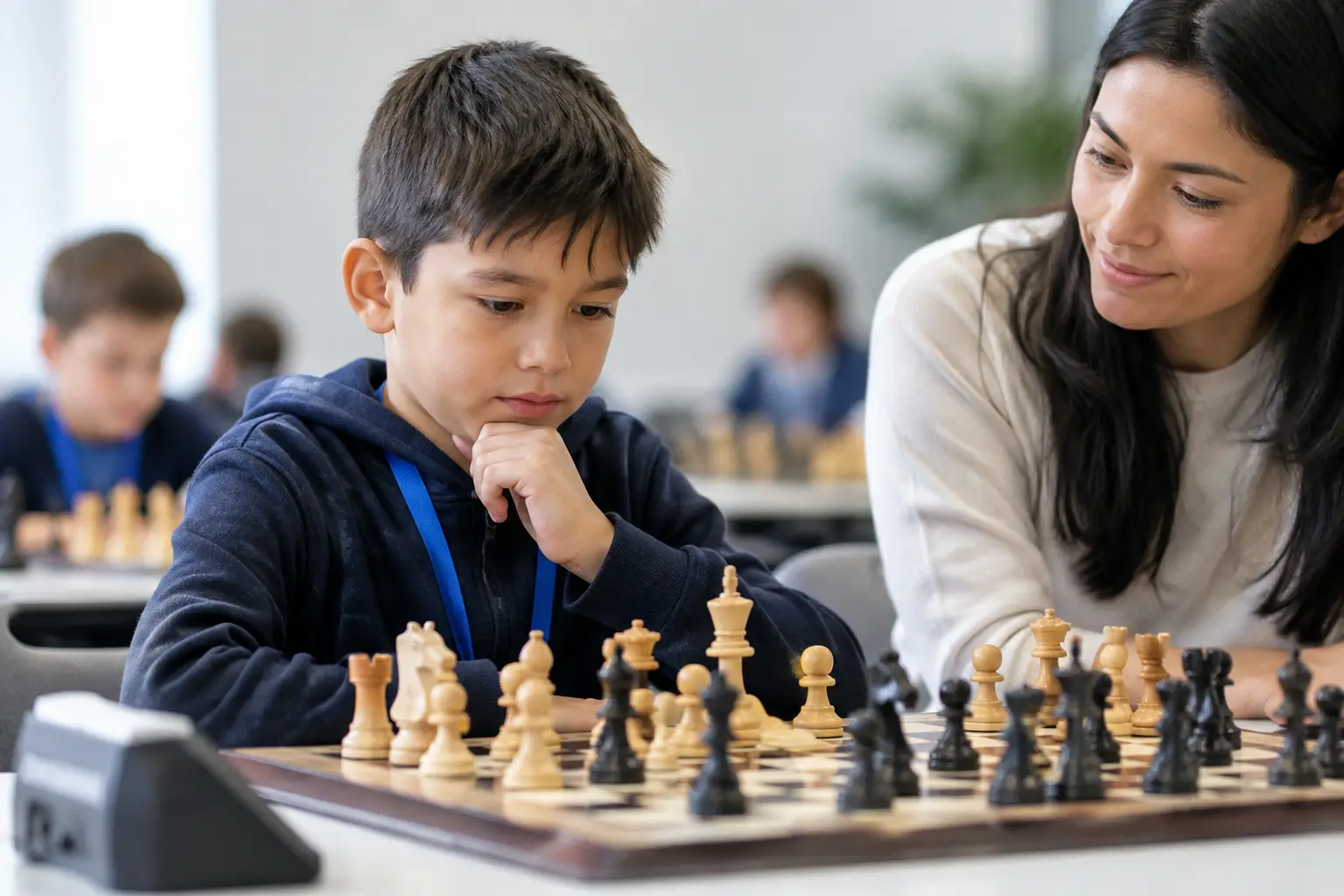
A child does not need to win a trophy for their first chess tournament to be a success. Showing up, sitting across from a new opponent, using the clock, and recovering after a tough loss are all meaningful milestones. For many children, chess tournaments are where lessons become real game experience - and where confidence grows one round at a time.
Parents often wonder when their child is ready. The answer is rarely about knowing every opening or checkmate pattern. Readiness is more about being able to play a complete game, follow basic rules independently, and handle a result without feeling defeated by it. With the right event and a calm plan, tournaments can be exciting, motivating, and genuinely fun.
Why Chess Tournaments Matter for Children
Online lessons, puzzles, and games with family members build valuable skills. A tournament adds something different: focused decision-making under real conditions. Your child has to manage their time, pay attention to the board, record a result, and make choices without a coach stepping in to help.
That independence is powerful. A child who learns to pause before moving, check for threats, and stay engaged after losing a piece is practicing more than chess. They are building patience, emotional control, and responsibility.
Tournaments also give children a clear reason to improve. A lesson about protecting the king or developing pieces has more meaning when a student can connect it to a game they played last Saturday. For competitive children, the goal may be a stronger score or rating. For beginners, the goal might simply be playing all their rounds with a positive attitude. Both are real progress.
Is Your Child Ready for a Tournament?
There is no single rating or age requirement that works for every child. Some 5-year-olds are comfortable in a beginner event; some older beginners need more practice before they enjoy the experience. What matters is the match between your child, the event format, and their current skills.
A child is usually ready for an entry-level tournament when they can set up the board, move each piece correctly, recognize check and checkmate, and understand that touch-move rules may apply. They should also know how to use a clock at a basic level, even if they are not yet fast or confident with it.
Emotional readiness matters just as much. Can your child play a game that does not go their way? Do they understand that an opponent is not being mean by taking a piece? Can they ask an adult for help if they are confused rather than walking away from the board? These skills can be taught and rehearsed before tournament day.
If your child is hesitant, start small. A school chess club event, a casual local tournament, or an online event with a shorter time control can feel less intimidating than a large regional competition. A first tournament should stretch a child, not overwhelm them.
A quick conversation before registering
Ask your child what they think a tournament will be like. Their answer may reveal worries you can address early. They may be nervous about losing, playing strangers, or not knowing where to sit. Explain the basic flow: check in, find a board assignment, play one game, report the result, then take a break before the next round.
Avoid promising that they will win. Instead, agree on goals they can control, such as using good manners, checking every move, and finishing each game. Those goals still matter whether they score four points or none.
How to Choose the Right Chess Tournament
The best first event is not always the closest or largest one. Read the details carefully, because tournament conditions vary widely.
Look first at the section. Many events divide players by age, grade, rating, or experience level. An unrated or beginner section is often a better starting point than an open section where a new player could face much stronger competition. Playing stronger opponents can be educational, but too many one-sided games may drain a beginner's enthusiasm.
Next, consider time control. A game with 30 minutes per player gives children time to think and practice habits learned in lessons. Faster events can be lively and convenient, but they often reward quick moves over careful calculation. For a child who is still learning to slow down and look for threats, a slightly longer time control is usually more productive.
Also check the event schedule. A five-round day can be exciting, yet it is a long day for younger players. Think about travel, meals, breaks, and your child's attention span. A two- or three-round event may be the smarter first step, especially for children under eight.
Finally, ask about supervision and playing conditions. Is the tournament held in a quiet school gym, a busy hotel ballroom, or online? Are parents allowed in the playing room? Is there a tournament director available for questions? Clear organization helps children feel safe and lets parents relax too.
Preparing Without Turning Chess Into Pressure
The week before a tournament is not the time to cram complicated opening lines. Children perform better when preparation is simple, familiar, and encouraging.
Review the essentials: develop pieces, protect the king, look at what the opponent is threatening, and do a quick blunder check before every move. Practice using a clock in a few friendly games so the button does not feel mysterious on game day. If your child will need to record moves, let them try notation during a relaxed practice game.
A coach can make this preparation more personal. At Savushkin Chess, tournament readiness is built around a child's current level, not a one-size-fits-all checklist. For one student, that may mean practicing calm clock use. For another, it may mean learning how to convert an extra queen into checkmate without rushing.
It also helps to play a short mock tournament at home. Set up the board, use a clock, offer a handshake before and after, and ask your child to sit through the entire game. Do not correct every move while they play. Save feedback for afterward, just as they will need to do in a real event.
The night before
Keep the routine normal. Pack water, a simple snack, pencils if required, and any tournament materials listed by the organizer. Choose comfortable layers, since playing rooms can run warm or cold. Prioritize sleep over one more practice puzzle.
A useful message is: “Your job is to think, be kind, and keep trying.” It is clear, achievable, and far more helpful than “You have to win.”
What Parents Should Do on Tournament Day
Your calmness sets the tone. Arrive with enough time to check in without rushing, find the restroom, and let your child settle. Once the round begins, resist the urge to coach from the sidelines, signal moves, or react visibly to the position. Tournament rules often prohibit outside help, and children need room to own their decisions.
Between rounds, focus on practical support. Offer a snack, water, and a chance to move around. If your child wants to talk about the game, listen first. A frustrated player may need a few quiet minutes before they are ready to analyze why a knight was left hanging.
When discussing a loss, avoid immediately asking, “What happened?” Try, “What was one moment you felt good about?” Then, if they are open to it, ask what they might try differently next time. This keeps the conversation focused on learning rather than blame.
Wins need balance too. Celebrate good play and good sportsmanship, not only the result. A child who wins because an opponent overlooks a piece has still had an experience, but they do not need to be told they are suddenly a chess genius. Steady encouragement creates healthier long-term motivation than big emotional swings.
After the Event: Turn Experience Into Progress
The most useful learning often happens after the tournament, when emotions have settled. Save game scores when possible, take a photo of the final position if permitted, or have your child explain one memorable moment. A coach can review these games and spot patterns that puzzles alone may not reveal: moving too quickly, missing checks, forgetting to castle, or losing focus after a setback.
Do not rush to enter the next event if your child is exhausted or discouraged. Some children love competition immediately. Others need a week or two of relaxed games before they want to return. It depends on personality, experience, and how demanding the first event was.
If your child enjoyed even one part of the day - a smart tactic, a friendly opponent, the feeling of using a clock, or earning their first point - there is something worth building on. Give them time, keep practice positive, and let each tournament become another small step toward confident, thoughtful play.

Ready to see chess click for your child?
Book a free 20–30 minute trial lesson with one of our coaches — no commitment, no payment needed.


