
Chess Tutor Trial Lesson Review for Parents
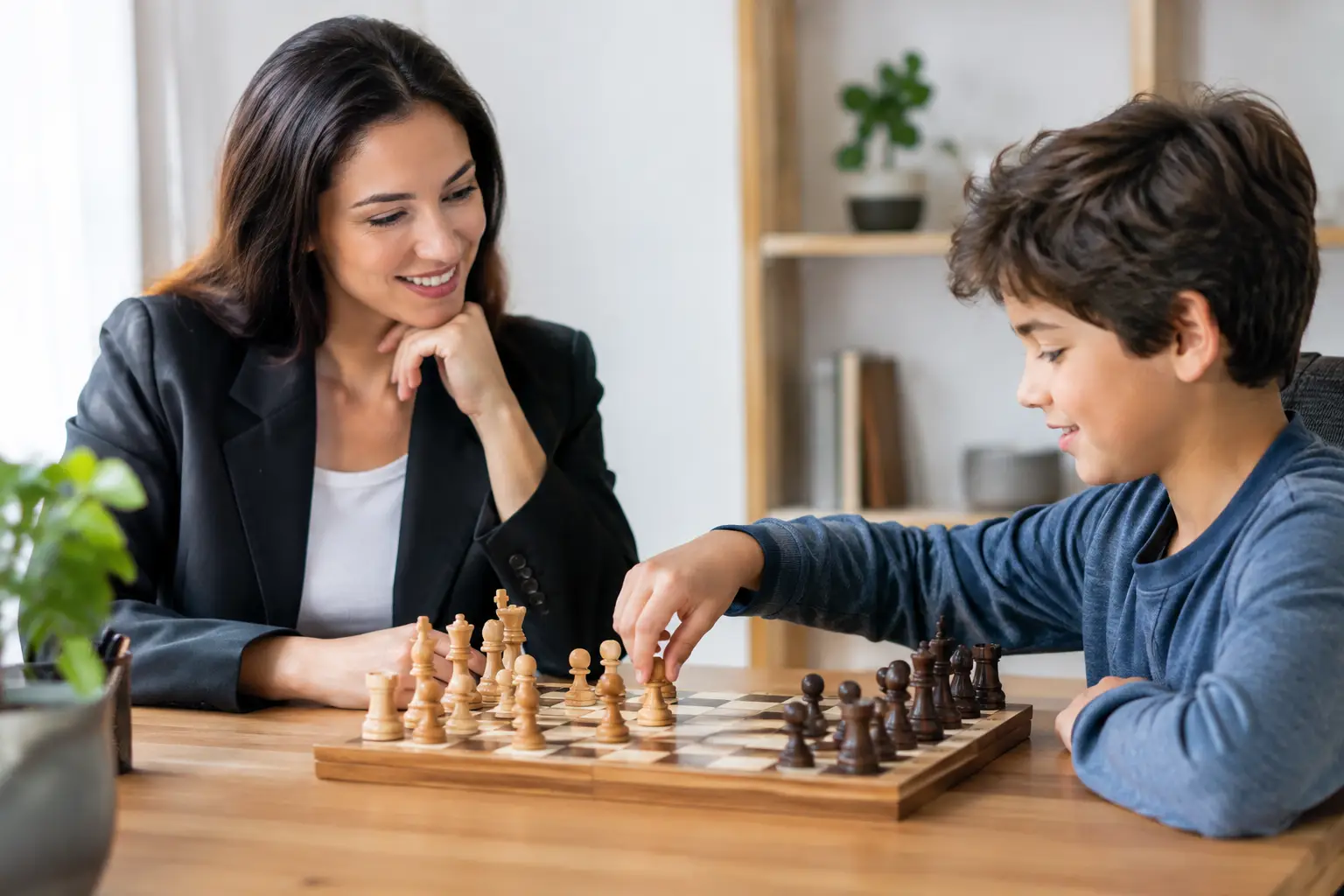
A chess tutor trial lesson review should tell a parent far more than whether their child enjoyed a friendly game. The best trial shows how a coach connects with your child, identifies their current level, and creates a clear path from curiosity to confident play. It should feel encouraging, organized, and useful from the first few minutes - not like a sales call with a chessboard in the background.
For many families, the trial is also the hardest part to judge. A child may say, “It was fun,” which matters. But parents also want to know: Did the coach actually teach? Was the lesson suited to my child’s age? Will this lead to visible progress? Here is how to review an online chess trial lesson with clear eyes and high expectations.
What a Strong Chess Tutor Trial Lesson Looks Like
A quality trial starts with observation, not assumptions. A 5-year-old who recognizes the pieces needs a very different first lesson than a 12-year-old who has played dozens of games but keeps losing pieces. Good coaching meets the child where they are.
The coach should quickly learn how your child thinks. They may ask them to set up the board, explain how a piece moves, solve a simple puzzle, or play a few moves. This is not a test your child needs to pass. It is an assessment that helps the teacher choose the right starting point.
For beginners, the lesson may focus on piece movement, board orientation, and the purpose of checkmate. For a more experienced child, the coach may look at opening habits, tactical awareness, calculation, time management, or endgame knowledge. The difference matters. Repeating material a child already knows can drain excitement, while jumping too far ahead can create frustration.
A great coach also explains ideas in language a child can use. Instead of simply saying, “Develop your pieces,” they might show why bringing knights and bishops into the game helps protect the king and create threats. The goal is not to impress a parent with complicated chess vocabulary. It is to help a child make one better decision at a time.
How to Review a Chess Tutor Trial Lesson at Home
Right after the lesson, ask your child a few specific questions. “Did you understand what the coach showed you?” is more revealing than “Did you like it?” You can also ask what their favorite part was, what felt tricky, and whether they would like to learn another idea with that coach.
Children do not need to be perfect listeners or instantly remember every lesson point. What you are looking for is engagement. Did they stay involved? Did they feel safe making a mistake? Did the coach bring them back when their attention wandered? Especially for younger children, a tutor’s ability to keep the lesson lively without making it chaotic is a major sign of teaching skill.
Then look at the practical evidence. By the end of a good trial, you should know what your child can do now, what they should learn next, and why that next step matters. A coach might say that your child understands how the pieces move but needs practice spotting attacks. Or they may recognize that your child has strong tactical instincts and is ready to build a more reliable opening routine.
Vague praise is pleasant, but it is not a plan. “Your child is talented” does not tell you how lessons will help. A helpful assessment sounds more like: “Your child is comfortable with the rules, but they often move the same piece twice early in the game. We will work on development, king safety, and simple tactical patterns over the next several lessons.” That is specific, understandable, and measurable.
The Signs Parents Should Pay Attention To
The best trial lessons balance warmth with structure. A coach should be patient when a child misses a move, but they should not simply give away every answer. Productive learning happens when children are invited to think, try, adjust, and try again.
Watch for a teacher who gives praise with a reason. “Great job” is nice. “Great job checking what your opponent’s queen could capture before you moved” teaches a lasting habit. That kind of feedback builds confidence based on effort and smart process, not just on winning.
Communication with parents matters, too. You should not need a chess background to understand what happened in the session. A strong coach can explain the child’s level in plain English, recommend an appropriate lesson length, and describe what progress may look like over time.
Lesson length should fit the child, not a one-size-fits-all system. Many younger beginners do best with focused 30-minute sessions. A child who is building competitive skills may benefit from 45 or 60 minutes, particularly when there is time for game review and deeper strategy. Longer is not always better if attention fades after 30 minutes. Consistent, focused learning wins.
Online instruction also needs to be truly interactive. The coach should share the board clearly, invite the child to make moves, ask questions, and adjust the pace. If your child spends most of the session quietly watching an adult click pieces, the lesson may be easy to run but hard to retain.
What a Trial Cannot Tell You Yet
One lesson can reveal teaching chemistry and establish a starting point. It cannot honestly promise a tournament trophy, a rating jump, or instant concentration at home. Chess progress is built through repeated lessons, practice games, puzzles, review, and a child’s growing ability to handle setbacks.
That does not mean parents should accept unclear promises. It means you should look for realistic expectations. A responsible tutor will describe progress as a sequence: first, understand the board and basic safety; then, recognize simple tactics; then, learn to plan and review games. For advanced students, the sequence may include opening preparation, calculation, positional judgment, and tournament routines.
Your child’s motivation is another factor. Some children want chess to be a fun challenge after school. Others want to compete, study seriously, and prepare for tournaments. Both goals are worthwhile, but they call for different pacing. The right program can grow with the child rather than forcing every student into the same competitive track.
Questions Worth Asking Before You Commit
A free trial should leave room for straight answers. Before choosing a package, ask how the learning plan will be personalized, how often the coach will share progress updates, and what your child should practice between lessons. Find out whether the same coach will work with your child consistently, especially if building trust and routine is important for them.
It is also reasonable to ask how the program handles a child who loses interest, struggles with focus, or wants to move faster. A thoughtful school has options. It may shorten sessions, add more game-based activities, adjust homework, or introduce tournament preparation when the student is ready.
Pricing transparency matters just as much as coach quality. You should understand the lesson duration, package structure, scheduling policy, and what is included before paying. No payment and no commitment during a trial gives families space to decide based on the lesson itself, not pressure.
At Savushkin Chess, the trial assessment is designed to make that decision clearer. The focus is on seeing the child’s current skills, understanding their goals, and recommending a realistic next step - whether they are learning their first moves or working toward stronger tournament play.
The Best Result Is a Child Who Wants to Return
A successful trial is not necessarily the one where your child solves every puzzle or wins a game against the coach. It is the one where they finish with a new idea, a little more confidence, and genuine interest in coming back.
When a coach combines clear instruction, patient encouragement, and a plan parents can understand, chess becomes more than another screen-based activity. It becomes a weekly practice in focus, resilience, and thoughtful decision-making. Let the trial show you not only what your child knows today, but how excited they are to grow tomorrow.

Ready to see chess click for your child?
Book a free 20–30 minute trial lesson with one of our coaches — no commitment, no payment needed.


