Chess Tutoring Versus Academy for Your Child
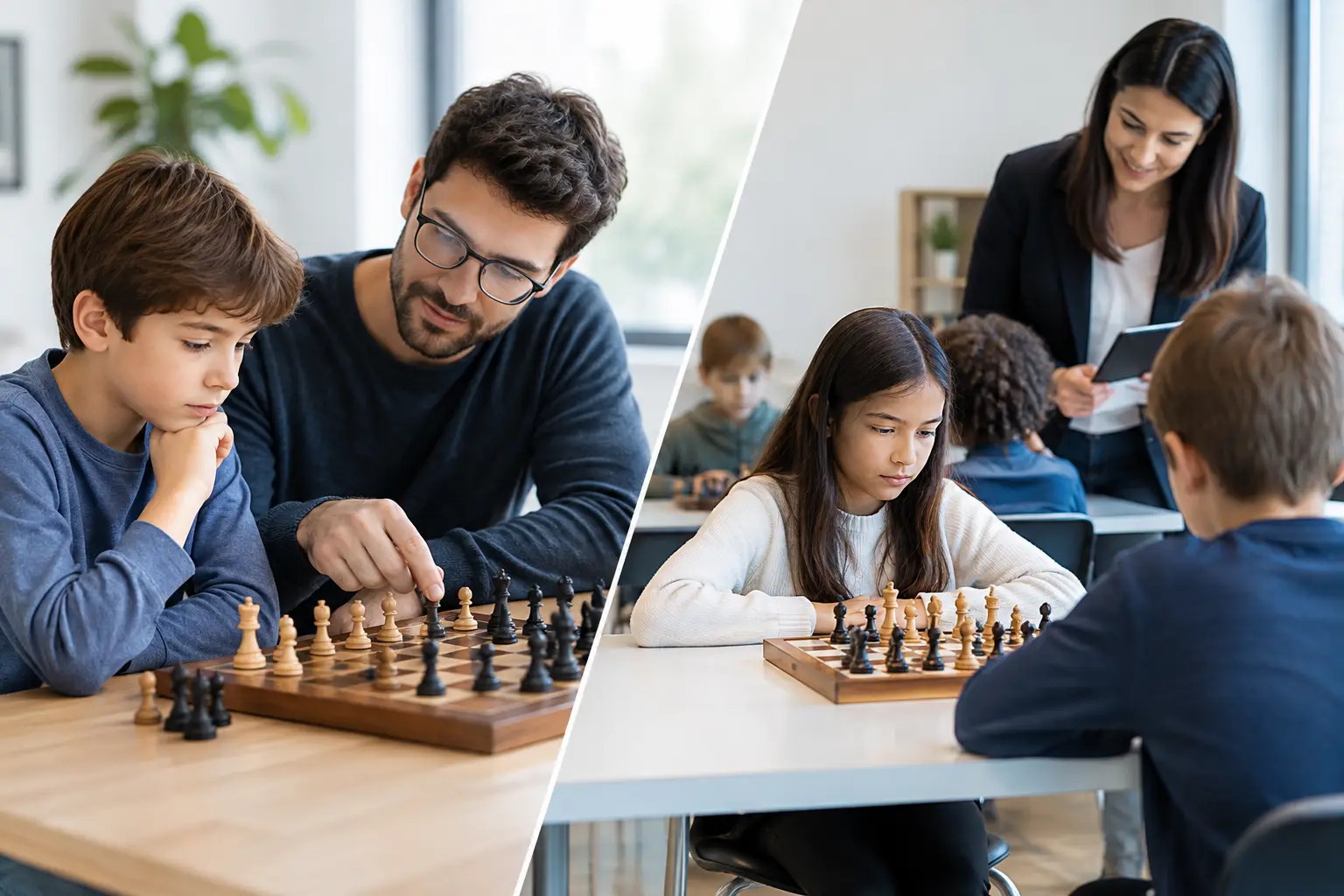
A child can enjoy chess in a group class and still need help understanding why a move works. Another child may thrive with individual attention but miss the excitement of playing peers. That is why the chess tutoring versus academy decision is less about finding one “best” option and more about matching the learning format to your child’s age, goals, confidence, and schedule.
For parents, the practical question is simple: will this program help my child stay engaged, build real skills, and make visible progress? Both formats can do that. The difference is how instruction, feedback, and game experience are delivered.
What Chess Tutoring Gives Your Child
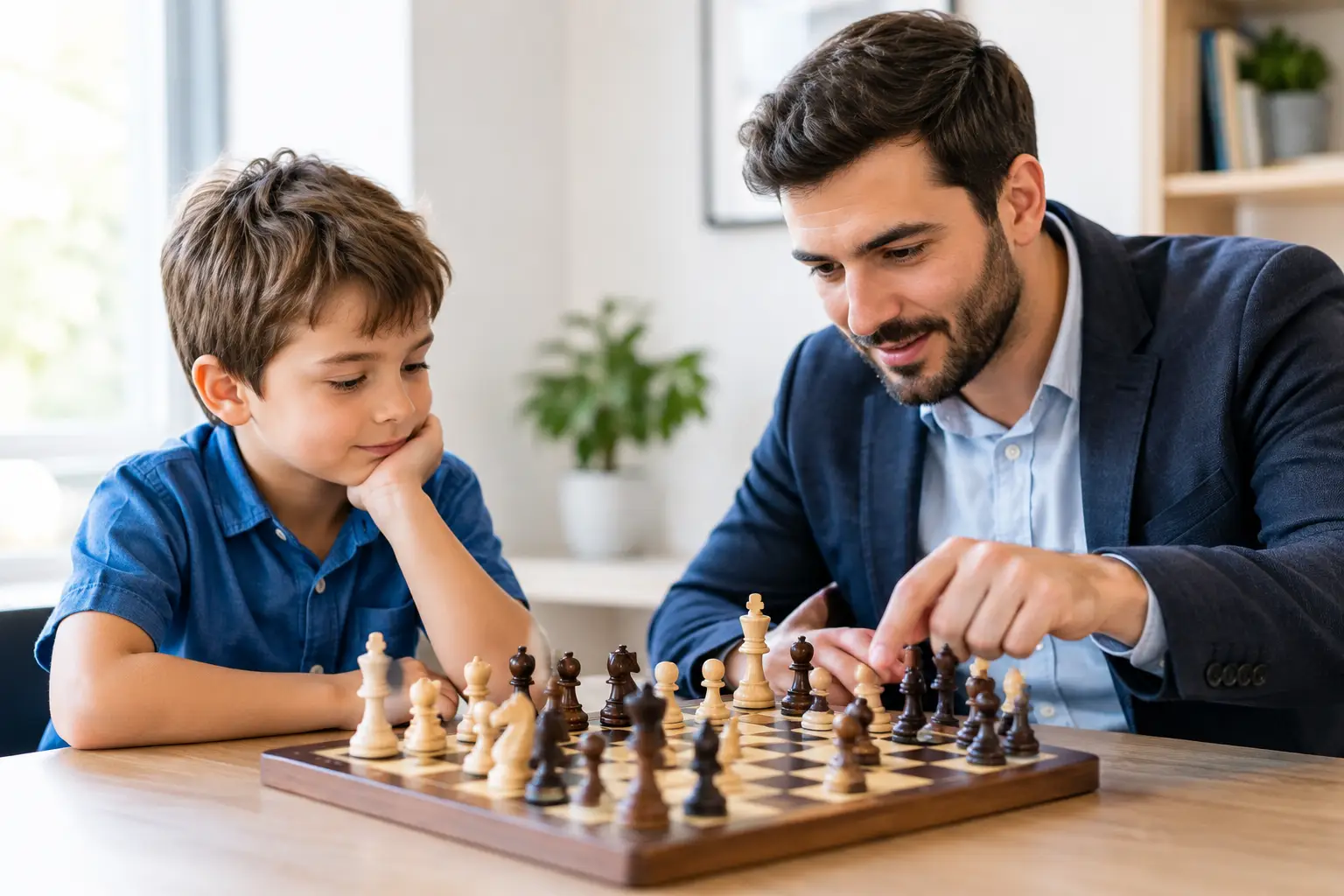
Chess tutoring usually means one-on-one lessons with a coach. The lesson can begin exactly where the child is today, whether that means learning how the pieces move, stopping one-move blunders, or preparing openings for tournament games.
The greatest advantage is personal attention. A good coach can notice that a child understands the rules but rushes through checks, or that they calculate well but become discouraged after a loss. Instead of moving on because the group schedule says it is time, the coach can slow down, rephrase the idea, and give the child a position that makes the lesson click.
This matters especially for beginners. Children do not all learn at the same pace, and early confusion can turn a promising activity into a frustrating one. In a private lesson, a coach can build fundamentals in a clear order: board orientation, piece movement, check and checkmate, safe captures, simple tactics, and thoughtful decision-making. The child gets to ask questions without worrying about holding up classmates.
For more experienced players, tutoring offers a different kind of value. The coach can review the child’s own games, identify patterns in mistakes, and create a plan around those patterns. A player who repeatedly misses forks needs different work from a player who reaches good positions but does not know how to make a plan. That level of adjustment is difficult in a larger class.
Tutoring also works well for busy families. Online lessons can be scheduled around school, sports, and family routines, with 30-, 45-, or 60-minute formats depending on a child’s focus and level. A focused 30-minute session may be ideal for a young beginner, while an older tournament player may benefit from more time to analyze games and practice deeper calculation.
Where Tutoring Has Limits
Private coaching is not automatically the right answer for every child. Some children are energized by a room full of peers, friendly competition, and shared activities. One-on-one lessons also require a coach who knows how to keep a child involved rather than simply lecture through positions.
Cost can be another consideration. Individual instruction typically costs more per lesson than a group program because the coach’s time is devoted to one student. Families should weigh that price against the value of a customized plan, direct feedback, and flexible scheduling. Faster progress can make personalized instruction a better fit, but only if the child is ready to participate consistently.
What a Chess Academy Can Offer
A chess academy generally teaches students in groups. It may meet in person or online, and it often follows a set curriculum by level or age. Children learn concepts together, solve puzzles, play practice games, and may take part in club events or internal tournaments.
The social side can be powerful. For a child who wants chess friends, seeing other students wrestle with the same puzzle can make learning feel normal and exciting. Group classes can also introduce children to sportsmanship: waiting their turn, winning graciously, recovering after a loss, and learning that mistakes are part of improvement.
Academies can be a strong choice for children who already know the basics and enjoy the energy of group learning. Regular classes create routine, and a well-organized academy can give students a clear pathway from beginner groups to more competitive levels. If tournament participation is a goal, playing a variety of peers is valuable practice.
Group learning may also be more budget-friendly. Since the coach teaches several students at once, families often pay less per class. That can make it easier to give chess a try before committing to a more individualized program.
The Challenge of a Set Pace
The biggest trade-off is that a group must move together. If your child already understands the lesson, they may spend time waiting. If they need extra explanation, the class may move on before the idea feels secure. Even excellent academy coaches have limited time to diagnose every student’s thinking during one session.
Group placement matters, too. A six-year-old who is brand new to chess may not feel comfortable in a class filled with older children who already know tactics and notation. On the other hand, an advanced player can lose motivation if every lesson repeats material they mastered months ago.
Before enrolling, ask how the academy evaluates students, how often groups are adjusted, and whether children receive individual feedback. A published curriculum is helpful, but parents also need to know what happens when their child needs a different pace.
Chess Tutoring Versus Academy: How to Choose
Start with your child, not the label on the program. A quiet child is not necessarily better suited for tutoring, and a social child is not automatically better in a group. Watch how your child responds to learning challenges. Do they ask many questions? Do they focus better with direct encouragement? Do they come alive when competing with friends?
Age and experience provide useful clues. Young beginners often benefit from short, interactive one-on-one lessons because the coach can keep the pace playful and immediately correct misunderstandings. Older children who know the basics may enjoy an academy environment, especially if they want regular games against peers. Serious tournament players frequently benefit from a blend: personal coaching for targeted improvement and group play for practical experience.
Your family’s goal should guide the choice as well. If the goal is a positive introduction to chess, look for a patient teacher and lessons your child will want to attend. If the goal is accelerated improvement, personalized coaching and game analysis may be more effective. If the goal is confidence in competition, ask how the program prepares students for timed games, tournament rules, losses, and post-game review.
It also helps to consider what progress will look like after the first few months. Strong programs do more than say a child is “doing well.” They can explain which skills the child has learned, what comes next, and where practice at home would help. Progress might show up as fewer rushed moves, better checkmate recognition, stronger concentration, more confident play, or readiness for a first tournament.
Questions Parents Should Ask Before Choosing
A trial lesson or class observation can reveal more than a polished program description. Pay attention to whether the coach speaks to the child at their level, gives encouragement without empty praise, and has a clear next step when the child makes a mistake.
Ask how the program handles these five practical areas:
- Student assessment and level placement
- Class size or the amount of one-on-one coach time
- The plan for beginners, intermediate players, and tournament students
- Feedback for parents about skills and progress
- Scheduling, make-up lessons, and what is included in the price
Clear answers matter. Parents should not have to guess whether their child is being challenged, whether a coach is following a real plan, or whether the format will fit family life. A free trial assessment can be especially useful because it replaces assumptions with a coach’s direct view of your child’s current level and learning style.
A Flexible Path Often Works Best
The choice does not have to be permanent. A child might begin with individual lessons to build confidence and core skills, then add group events when they are ready to play more peers. Another child may love an academy class but use occasional private coaching before a tournament or after reaching a plateau.
At Savushkin Chess, the focus is on giving children a structured, coach-led path that still feels encouraging and fun. The right lesson length, pace, and goals should reflect the child in front of the board, not a one-size-fits-all schedule.
The best chess program is the one your child will attend with curiosity, leave with confidence, and return to ready to think one move more carefully than before.

Ready to see chess click for your child?
Book a free 20–30 minute trial lesson with one of our coaches — no commitment, no payment needed.