
Children Chess Tactics Kids Can Use in Real Games
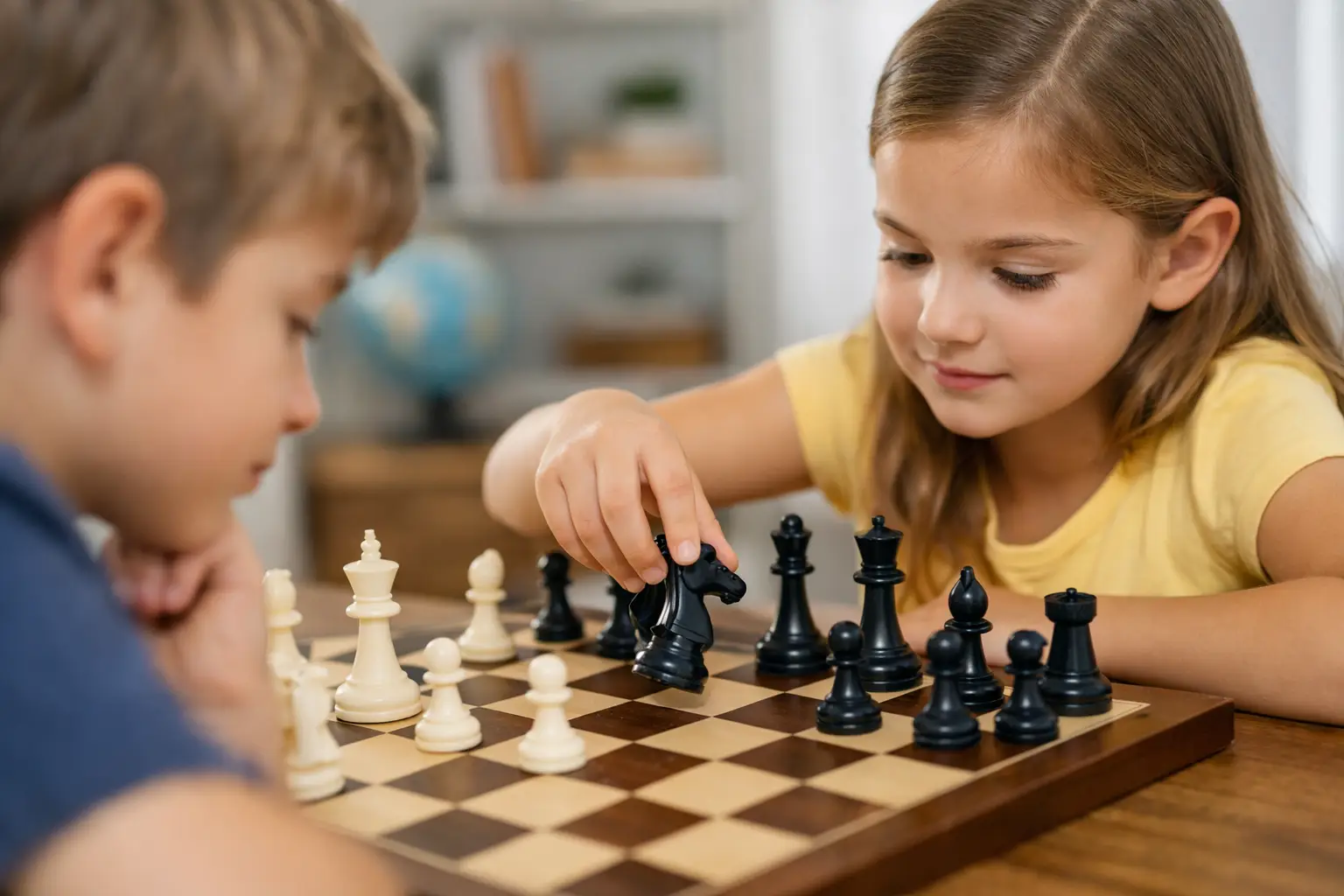
A child can know how every chess piece moves and still miss a queen sitting unprotected. That is where children chess tactics make a real difference. Tactics teach kids to pause, notice what has changed, and find the move that creates an immediate advantage - not by guessing, but by following a clear thinking process.
For parents, the encouraging part is that tactical skill is not reserved for naturally gifted players. It grows through short, consistent practice and patient guidance. A beginner may start by spotting a piece that can be taken for free. A more experienced child may learn to combine threats, calculate a few moves ahead, and recognize patterns during tournament games.
What Are Children Chess Tactics?
Chess tactics are short sequences of moves that win material, deliver checkmate, or create a decisive advantage. Unlike a long-term strategy, such as controlling the center or improving a weak pawn structure, a tactic is usually something concrete happening right now.
For a young player, the simplest question is: "What is attacked, and what is not defended?" That question alone prevents many common mistakes. It also helps children see opportunities that they used to overlook.
Tactical training supports more than chess results. It asks a child to slow down before moving, compare options, and accept that the first move they see may not be the best one. Those are valuable habits for a fast-moving game and for everyday problem-solving.
The First Tactical Habit: Check, Capture, Threat
Before making a move, encourage your child to look for checks, captures, and threats. Coaches often call this a tactical scan. It gives children a reliable routine when the board feels crowded or time is running low.
A check forces the opponent to respond, so it deserves attention first. Next, children should look at captures: Can they take an opponent's piece safely? Finally, they should identify threats, including a move that attacks a queen, traps a piece, or creates a mating threat on the next turn.
This routine is especially helpful for children who move too quickly. Rather than saying, "Slow down," give them a job to do before every move: scan checks, captures, and threats for both sides. The last part matters. A child who only looks for their own attack may miss an opponent's simple checkmate or hanging piece.
At first, this can feel slow. That is normal. With regular practice, the scan becomes automatic, much like looking both ways before crossing a street.
Four Core Tactics Every Young Player Should Know
Children do not need to memorize dozens of advanced combinations right away. A strong foundation comes from recognizing a small group of patterns repeatedly. The goal is not to name every tactic perfectly. The goal is to see it on the board when it matters.
- Fork: One piece attacks two or more enemy pieces at once. Knight forks are often the easiest for children to remember because a knight can jump into a square that attacks a king and queen simultaneously.
- Pin: A piece cannot move because a more valuable piece is behind it. For example, a knight may be pinned to the king, meaning it cannot legally move if doing so would expose the king to check.
- Skewer: This is the reverse of a pin. A valuable piece, often the king or queen, is attacked first. When it moves away, a less valuable piece behind it can be captured.
- Discovered attack: Moving one piece reveals an attack from another piece behind it. This can be particularly exciting for kids because one move can create two problems for the opponent at the same time.
Each pattern should be taught with real positions, not just definitions. A child may understand the word "fork" but fail to recognize it unless they have solved several examples with knights, pawns, and queens. Repetition builds pattern recognition, which is why a skilled player can spot a tactic in seconds while a beginner needs time to search.
Why Kids Miss Tactics in Their Own Games
Most missed tactics are not caused by a lack of intelligence or effort. They happen because children focus on the move they want to play rather than the whole position. A child sees a chance to attack the opponent's king, gets excited, and forgets that their queen is under attack.
Another common issue is incomplete calculation. A young player might see, "I can take that bishop," but stop there. The next question needs to be, "What can my opponent take after I do?" Teaching this response is one of the fastest ways to reduce unnecessary losses.
Board vision can also be a factor. Younger children may not yet notice a bishop attacking across a long diagonal or a rook controlling an open file. Digital boards can help because they are clean and easy to see, but physical boards have their own value for children who learn best by touching and moving the pieces. It depends on the child. The best format is the one that keeps them focused and willing to practice.
A Better Way to Practice Chess Tactics at Home
A long worksheet or an hour of puzzles can turn tactics into a chore. For most children, ten to fifteen focused minutes is more productive than a much longer session filled with rushed guesses.
Start with puzzles that feature one clear idea. Ask your child to explain what they notice before they move a piece. If they solve the puzzle, ask why the opponent cannot simply take back. If they miss it, avoid giving the answer immediately. A useful prompt is: "What is your opponent threatening after that move?"
When a puzzle is too hard, step back rather than pushing through frustration. Success should feel earned, not accidental. A child who solves three age-appropriate puzzles thoughtfully will gain more than one who clicks through twenty difficult positions without understanding them.
It also helps to connect puzzles to actual games. After a game, review one missed opportunity and one moment where your child handled a threat well. Keep the review short and specific. Saying, "You noticed the knight fork before it happened," is far more useful than saying, "You need to be more careful."
Children Chess Tactics for Different Ages and Levels
A 5-year-old beginner and a 14-year-old tournament player should not receive the same tactical exercises. Young beginners benefit from simple one-move captures, basic checkmates, and the idea of protecting their pieces. They are building attention and board awareness before they are ready for multi-move combinations.
Children around elementary school age can usually begin working on forks, pins, skewers, and basic mating patterns. At this stage, it is helpful to mix puzzles with mini-games, such as finding all the pieces attacked by a knight or playing a position where the goal is to win a loose piece.
More advanced players need calculation practice. They should learn to consider candidate moves, picture the opponent's best response, and calculate until the tactical result is clear. Yet even strong young players should continue reviewing simple patterns. Under tournament pressure, basic tactics are often the ones missed.
Encourage Thinking, Not Just Fast Answers
Parents do not need to be chess experts to support tactical growth. The most helpful role is to create a calm routine and praise good thinking. Ask questions that guide observation: "Which piece is not protected?" "What changed after your opponent moved?" "If you make that move, what is their strongest reply?"
Try not to measure progress only by puzzle ratings or wins. Those can be motivating, but they move up and down. A more dependable sign of improvement is hearing your child pause during a game and say, "Let me check for threats first." That small habit shows that tactical thinking is becoming part of their process.
At Savushkin Chess, coaches build tactical work into a child's individual learning plan so puzzles connect to the skills needed in real games. The right pace matters: challenge keeps learning exciting, while clear wins build confidence.
The next time your child loses a piece, resist the urge to fix the game for them. Ask what they could look for before their next move. One thoughtful question, followed by one small tactical discovery, can make the board feel less confusing and much more fun.

Ready to see chess click for your child?
Book a free 20–30 minute trial lesson with one of our coaches — no commitment, no payment needed.


