Group Chess Classes vs Private Lessons
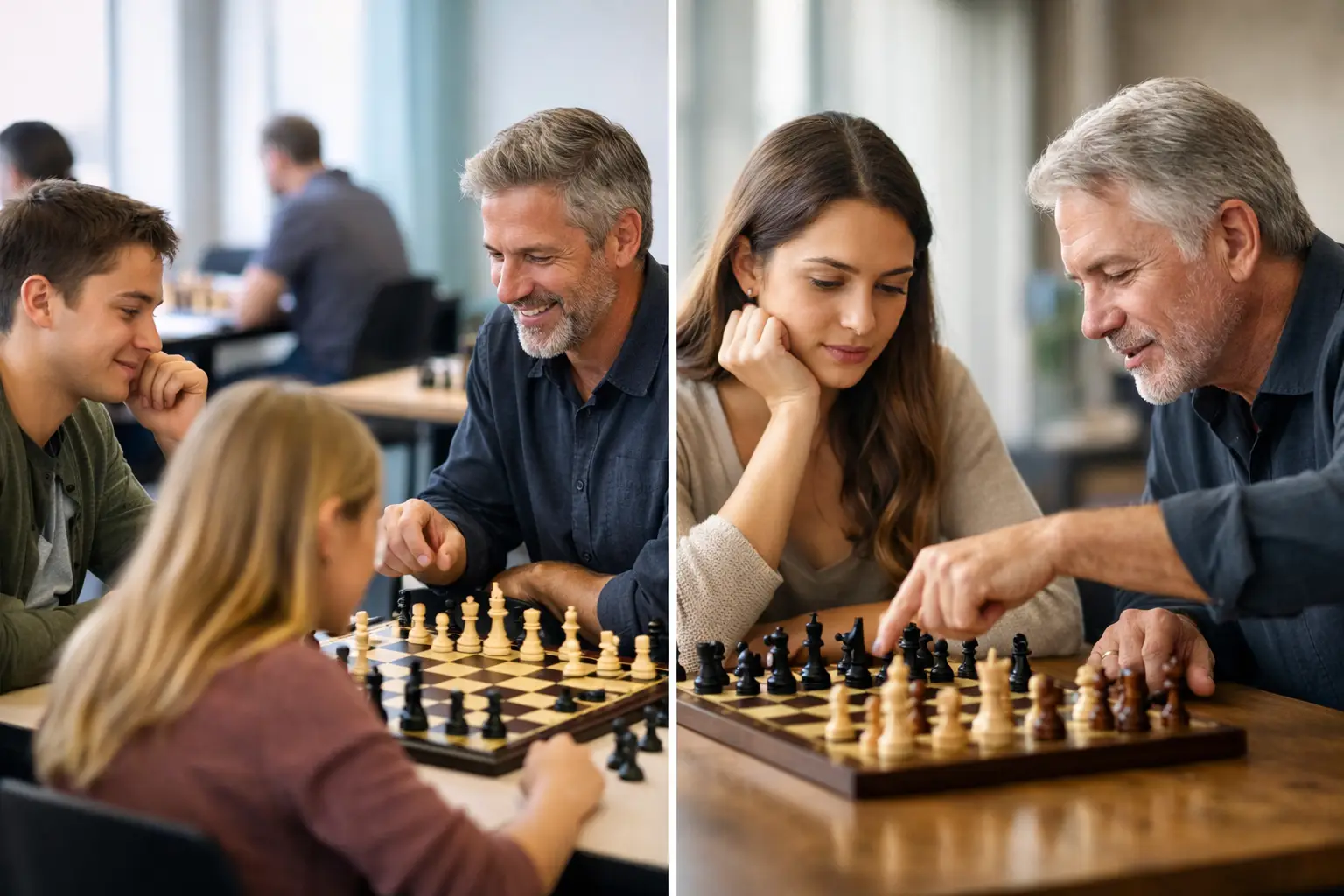
If your child is excited about chess, the next question usually comes fast: should they join a group, or would one-on-one coaching help them more? When parents compare group chess classes vs private lessons, they are usually trying to balance three things at once - progress, cost, and whether their child will actually enjoy showing up each week.
That is the right way to think about it. The best format is not the one that sounds more impressive. It is the one that matches your child’s age, personality, current level, and goals.
Group chess classes vs private lessons: the real difference
At a glance, the difference seems simple. Group classes teach several students at once, while private lessons focus on one child. But for families, the real distinction is deeper.
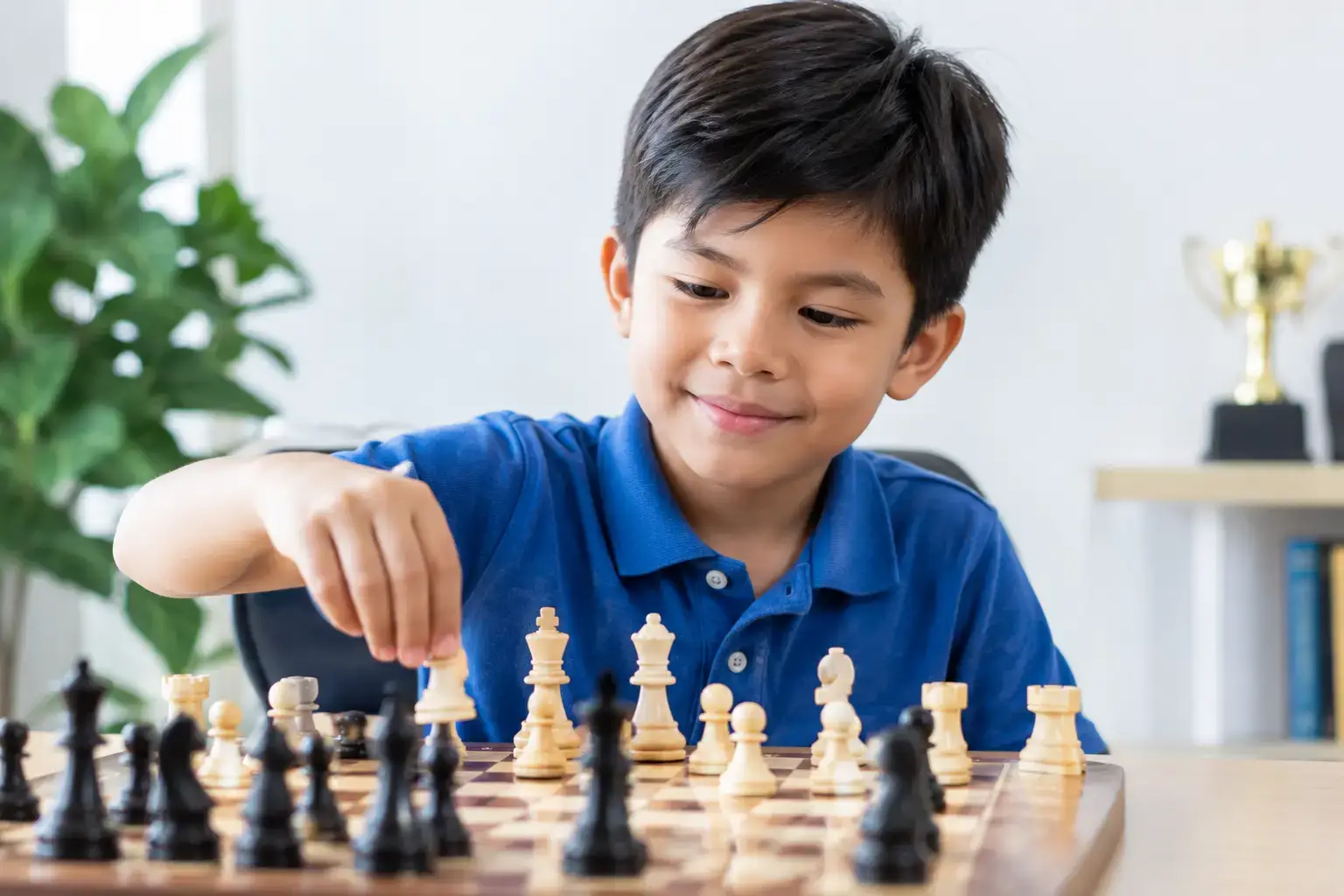
Group classes create a shared learning environment. Kids hear ideas, solve positions together, and often feel motivated by seeing peers improve. For beginners especially, this can make chess feel social and fun instead of intense. A child who might feel nervous alone with a coach can relax in a group and enjoy the energy.
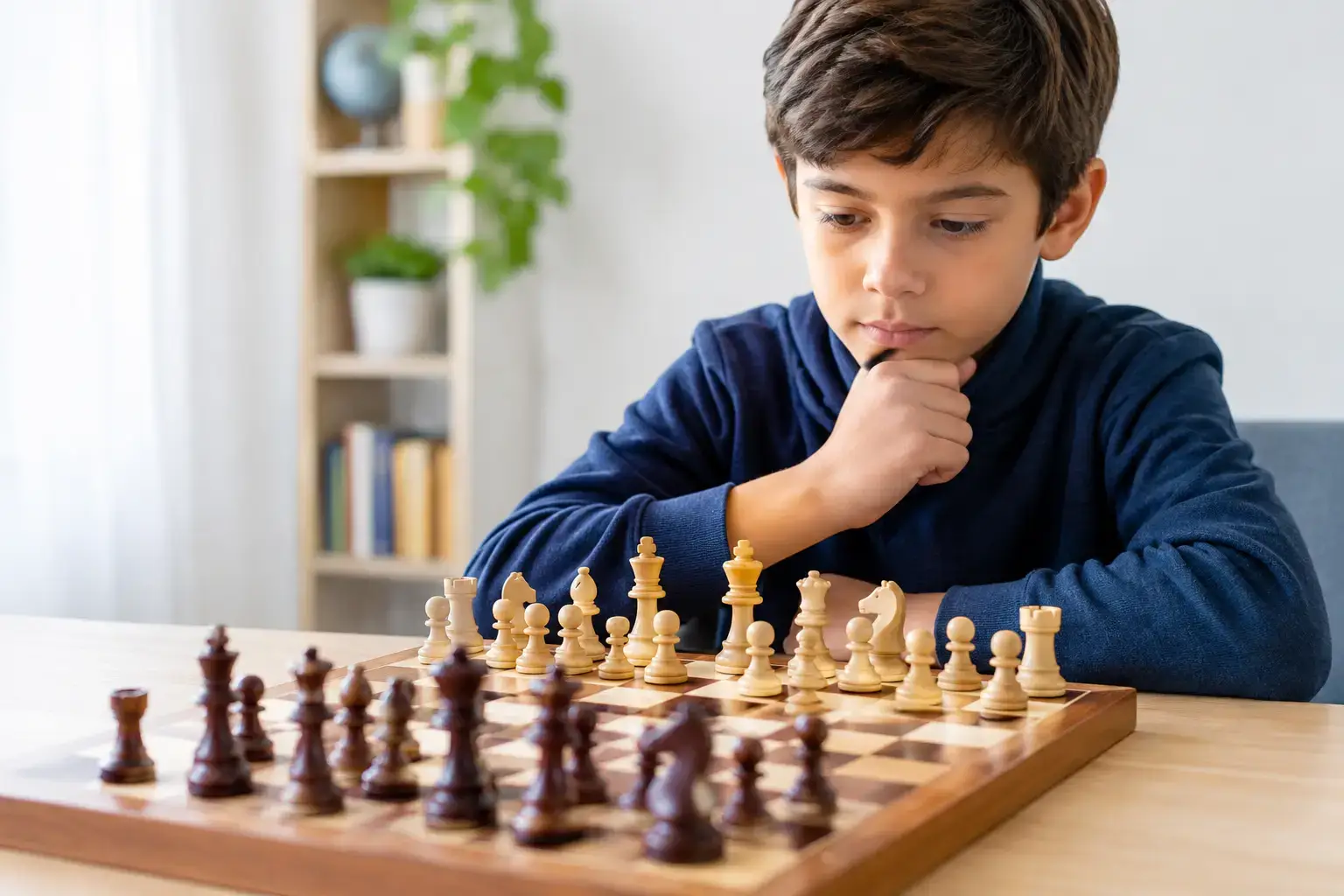
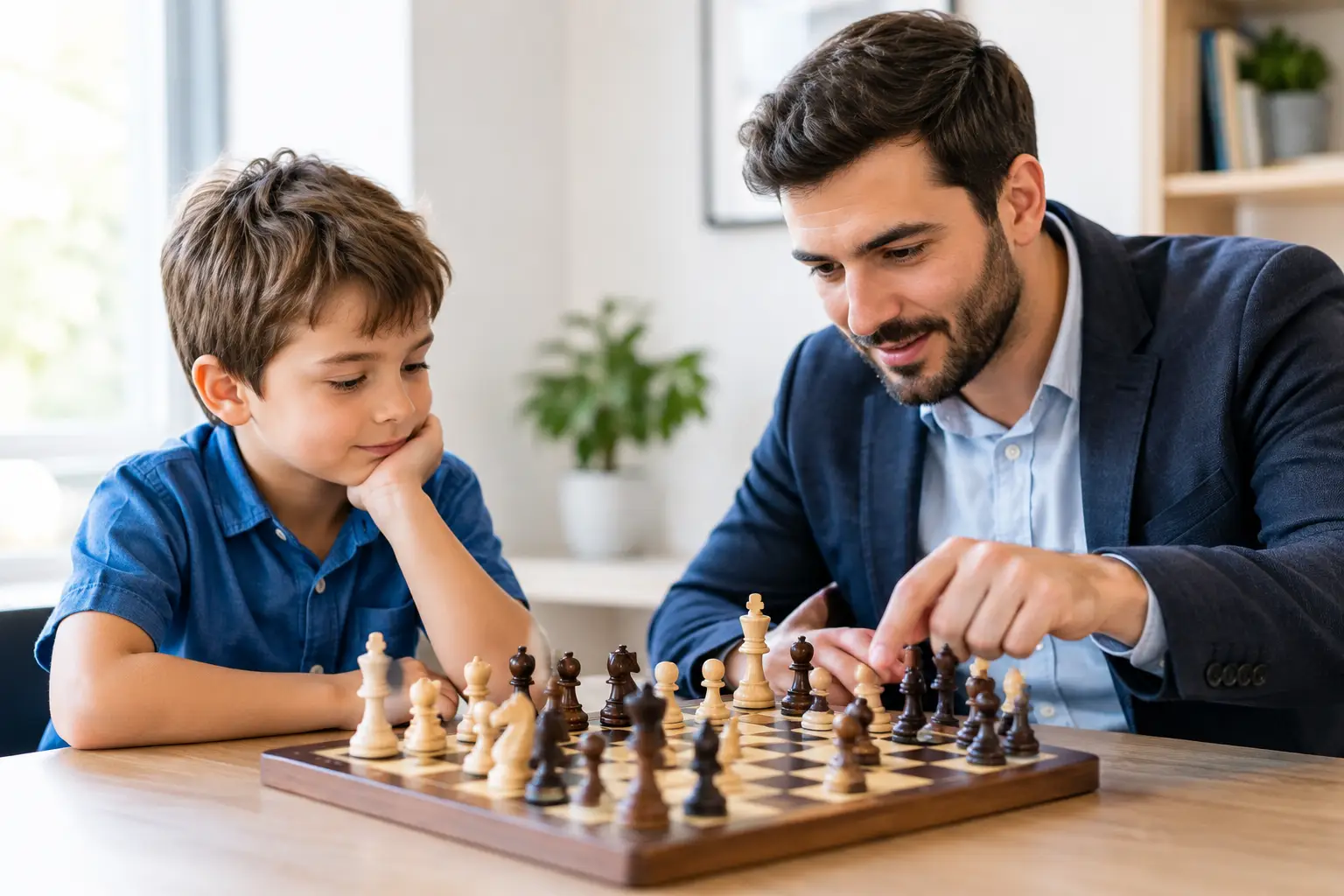
Private lessons are different from the first minute. The coach can adjust pace, fix habits immediately, revisit confusing concepts, and spend the full lesson on the student’s exact needs. If a child learns quickly, struggles with focus, or has specific tournament goals, that personalized structure can make a big difference.
So the better question is not which format is better overall. It is better for whom.
When group classes make the most sense
For many children, group chess is a strong starting point. If your child is brand new to the game, a well-run group class can introduce the basics in a friendly, low-pressure way. They learn piece movement, simple tactics, checkmate patterns, and opening principles while getting used to the rhythm of instruction.
The social side matters more than many parents expect. Children often stay engaged longer when they feel part of a group. They like answering questions, watching other kids solve puzzles, and realizing they are not the only ones making mistakes. That can build confidence early.
Group classes also work well for children who need variety and energy in order to stay focused. A lesson that includes coach explanation, interactive questions, and practice with classmates can feel lively. For some kids, that keeps attention much better than a quiet one-on-one setting.
Budget is another practical factor. Group classes are usually more affordable than private instruction, which makes them a smart option for families who want consistent chess education without committing to the higher price of individual coaching.
That said, not all group classes are equal. If the class is too large, too mixed in skill level, or too loosely structured, progress can slow down. One child may be bored while another is lost. The strongest group programs avoid this by keeping levels organized and lessons coach-led, not chaotic.
When private chess lessons are the better fit
Private coaching shines when a child needs instruction that is more targeted than a group can offer.
Maybe your child is a true beginner but feels shy speaking up in class. Maybe they already know the basics and need help turning scattered knowledge into real over-the-board results. Maybe they play tournaments and keep losing the same kind of positions. These are situations where one-on-one lessons can move things forward faster.
In private lessons, there is no waiting for other students to catch up. The coach can notice exactly where your child hesitates. They can stop after one move and ask the right question. They can change the plan mid-lesson if attention drops or if a concept needs reinforcement. That kind of real-time adjustment is hard to match in a group.
Private lessons are also especially useful for children with very specific goals. If your child wants to prepare for tournaments, improve rating performance, strengthen calculation, or build a disciplined thinking process, individualized coaching gives them a clearer path.
For younger children, especially ages 4 to 7, private lessons can be a great fit when attention span is short and pacing needs to be carefully managed. A patient coach can keep the lesson active, focused, and age-appropriate without expecting the child to keep up with a room full of peers.
What parents often get wrong
One common mistake is assuming private automatically means better. It often means faster personalization, but only if the child is ready for that format. Some kids do better when learning feels shared and playful. If your child resists direct correction or gets tired in one-on-one academic settings, a group may actually produce stronger long-term engagement.
The other mistake is assuming group means basic. A structured group class can be excellent, especially when students are carefully matched by level and the coach keeps everyone involved. Group learning does not have to mean watered-down learning.
Another thing parents sometimes miss is that progress in chess is not just about content. It is also about consistency. A child who happily attends a good group class every week may improve more than a child who has private lessons but feels pressured and starts dreading them.
How to choose based on your child’s personality
If your child loves interacting with other kids, enjoys games and discussion, and is motivated by a class atmosphere, group lessons are often a natural fit. These children tend to feed off the energy of a shared lesson.
If your child is highly focused, asks lots of specific questions, or gets frustrated when the class moves too slowly, private coaching may be the stronger option. The same is true for children who need more encouragement, more repetition, or a more customized pace.
Personality matters just as much as rating level. A social beginner and a shy beginner may need completely different formats even if their chess knowledge is identical.
How to choose based on goals
If the goal is introduction, enjoyment, and steady foundational growth, group classes are often ideal. They help children learn the rules, recognize patterns, and play regularly without making chess feel too serious too soon.
If the goal is accelerated improvement, tournament preparation, or correcting specific weaknesses, private lessons usually offer more value. A coach can build an individualized plan instead of teaching to the middle of the group.
Some families also move through both formats over time. A child may begin in a group class to build comfort and interest, then switch to private coaching once they are ready for more advanced work. Others do the reverse - private lessons first to build basics, then group classes for regular practice and community.
That flexibility is often the smartest approach.
Group chess classes vs private for different ages
Age changes the equation.
For younger kids, the right answer depends heavily on attention span and confidence. Some children thrive in a playful small group. Others need a coach’s full attention to stay on task. If a child is very young and still building listening habits, private lessons can provide a gentler, more focused start.
For elementary-age students, both formats can work very well. This is often the best stage to look closely at personality, not just age. A motivated 8-year-old might do great in either setting depending on how the lesson is structured.
For older kids and teens, goals usually matter most. If they want to compete, analyze games seriously, and make measurable gains, private coaching becomes increasingly valuable. If they simply enjoy chess and want a productive enrichment activity, group classes may be the better balance.
The best choice is usually the most structured one
Whether you choose group or private, structure matters more than marketing language. Parents should look for clear levels, coach quality, a child-friendly teaching style, and visible progression. If lessons feel random, improvement usually is too.
A strong program should make it easy to understand what your child is learning, how lessons are paced, and what comes next. You should not have to guess whether your child is improving.
This is one reason many families prefer coach-led online programs with individualized attention built into the process. At Savushkin Chess, for example, families often start with an assessment so the lesson format fits the child instead of forcing the child to fit the format.
So which should you pick?
If your child is social, new to chess, and likely to stay engaged in a shared setting, a quality group class is a smart choice. If your child needs personalized pacing, has specific goals, or would benefit from focused support, private lessons are often the better investment.
And if you are still unsure, that is normal. The right fit usually becomes obvious once you see how your child responds to real instruction. The best chess program should leave them learning, growing, and asking when the next lesson is.

Ready to see chess click for your child?
Book a free 20–30 minute trial lesson with one of our coaches — no commitment, no payment needed.