
A Guide to Chess Lesson Plans for Young Players
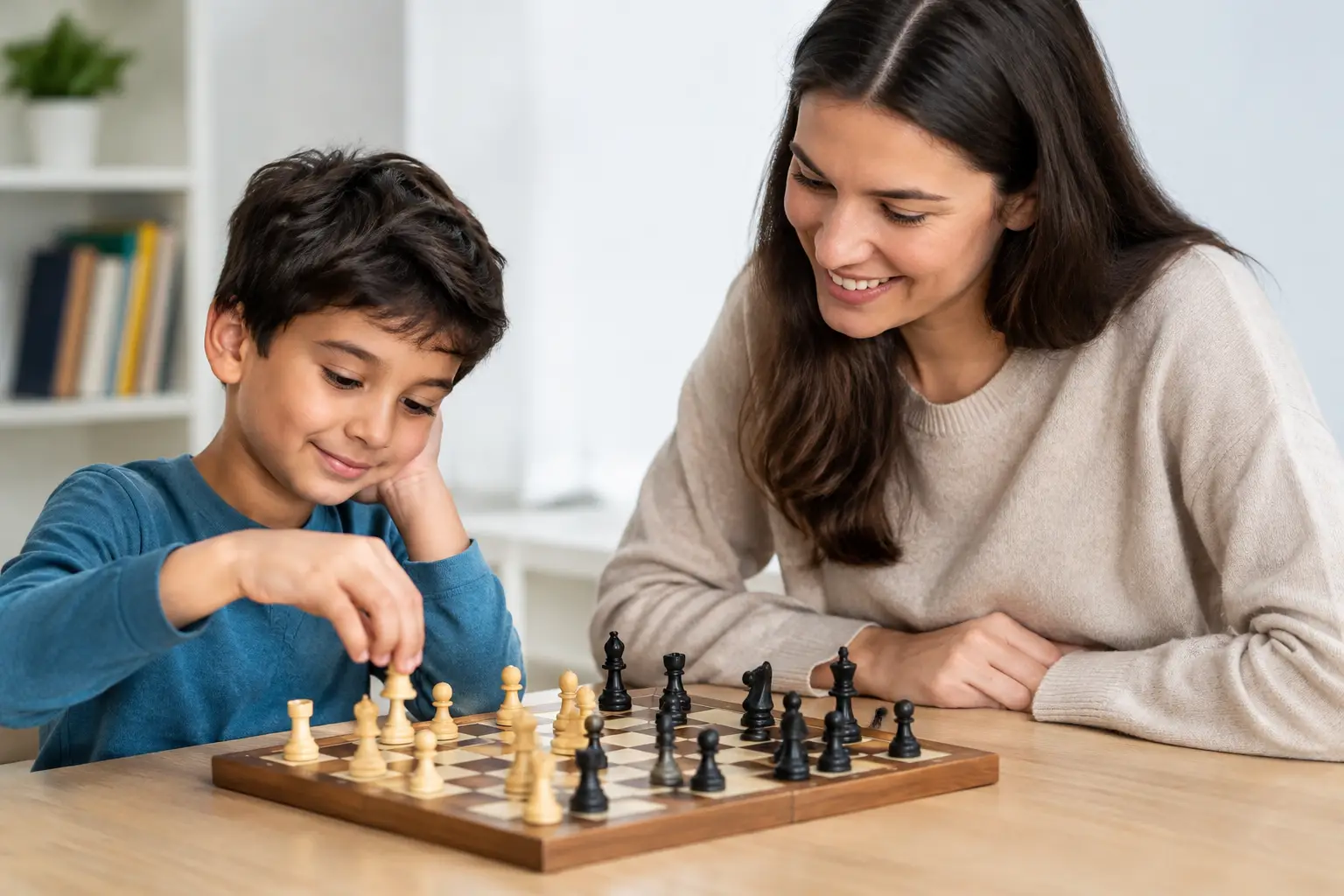
A child who knows how the pieces move is not necessarily ready to play chess well. They may still rush moves, miss simple threats, or lose interest when a game feels too hard. A thoughtful guide to chess lesson plans helps parents and coaches turn early curiosity into real progress - without making chess feel like another school subject.
For children, the best lesson plan is not a stack of worksheets or a long lecture about openings. It is a clear path: learn one useful idea, practice it in a manageable way, play, receive encouragement, and see what comes next. That structure gives young players confidence while building the patience and strategic thinking parents hope chess will develop.
Start With the Child, Not the Curriculum
A good chess plan begins with an honest assessment. Age matters, but experience, attention span, and confidence matter just as much. A focused 7-year-old who has played for a year may be ready for tactics and tournament games. A curious 11-year-old beginner may need the same foundations as a younger child, simply taught in a more mature way.
Before planning several lessons, find out what the child can already do. Can they set up the board correctly? Do they know every piece's movement? Can they recognize check, checkmate, and stalemate? Do they understand why controlling the center matters, or are they moving pieces at random?
This starting point prevents a common mistake: moving too quickly because a child can name the pieces. Chess progress depends on understanding, not memorization. It is better to spend an extra lesson on safe king moves than to introduce an opening the student cannot use yet.
For many young beginners, 30-minute lessons are ideal. Older children and tournament-minded players often benefit from 45 or 60 minutes, especially when there is time for game review. The right length depends on how well the child stays engaged, not on a rigid rule.
Build Chess Lesson Plans in Clear Stages
The strongest chess lesson plans follow a progression. Each stage should prepare a child for the next one, while leaving enough time for review. Children forget skills that they do not use, so new material should always connect to a real board position or game.
Stage 1: Board Basics and Confidence
The first goal is comfort. Young players should learn the board coordinates, how each piece moves, the value of the pieces, and the special rules of castling, promotion, and en passant when they are ready. They also need to know the difference between giving check and delivering checkmate.
Keep these early lessons active. Instead of explaining the knight for ten minutes, ask the child to find every square the knight can reach. Use mini-challenges: Can the rook capture all the coins on the board? Can the bishop escape its corner? Can the king find a safe square?
At this stage, short games are more useful than full games. King-and-pawn races, rook-versus-pawn positions, and simple checkmate patterns teach the purpose of the pieces without overwhelming a beginner.
Stage 2: Good Habits Before Fancy Moves
Once a child can play legally, teach decision-making habits. The most useful beginner routine is simple: look for checks, captures, and threats before making a move. Then ask, “What is my opponent trying to do?”
A lesson on opening principles belongs here. Children do not need to memorize long opening lines. They need to understand why they should develop pieces, fight for the center, castle early, and avoid moving the same piece repeatedly without a reason.
This is also the right time to introduce basic tactical ideas such as forks, pins, skewers, and discovered attacks. Present one theme at a time, then let the child solve a few positions and use the idea in a short training game. A tactic feels exciting when a child spots it themselves.
Stage 3: From Tactics to Real Games
Many children can solve a puzzle but struggle to use the same pattern during a game. That is why lesson plans should include guided play. After a tactical lesson, play a game with one clear focus: look for knight forks, protect loose pieces, or pause before every capture.
Game review is where lasting improvement happens. Rather than pointing out every mistake, choose one or two moments that matter. Ask the child what they were thinking. Start with what they did well, then explore a better option together.
A child who blunders a queen does not need a long speech. They need a repeatable habit: before moving, check whether the piece will be safe on its new square. Small routines create stronger players.
Stage 4: Strategy, Endgames, and Tournament Readiness
As students improve, lessons can move beyond one-move tactics. They should learn how pawn structure affects a game, why open files matter for rooks, and how to make a plan when there is no immediate attack.
Endgames deserve regular attention, not a last-minute unit. King-and-pawn endings, opposition, passed pawns, basic rook endgames, and simple checkmates give children a practical edge. Young players often reach winning endgames and then give away the result because they have never practiced them.
For children preparing for tournaments, add clock skills, scorekeeping when appropriate, opening preparation, and emotional recovery after a loss. Tournament readiness is not only about chess knowledge. It is also about sitting calmly, managing time, and starting the next game with a clear mind.
A Practical Guide to Chess Lesson Plans: The Lesson Formula
Every lesson does not need to look identical, but a predictable rhythm helps children settle in quickly. A 45-minute lesson might include a five-minute warm-up, 10 minutes reviewing the previous skill, 10 to 15 minutes introducing one new idea, 10 minutes of guided practice, and a short game or recap.
For a 30-minute beginner lesson, keep the focus even tighter. One concept, a few examples, and a game or challenge is plenty. Trying to cover checkmate, opening rules, and knight forks in one session may leave a child remembering none of them.
A useful plan also includes a small take-home task. This could be three puzzles, one short online game using a specific rule, or practicing a checkmate pattern with a parent. Homework should reinforce confidence, not create stress. If a child is already busy with school and activities, five purposeful minutes can be more valuable than a long assignment they avoid.
Keep Parents Informed Without Turning Chess Into Pressure
Parents do not need to become chess experts to support progress. They do need to know what their child is learning and what improvement looks like. A brief update after lessons can be powerful: “This week, Maya learned to spot undefended pieces,” or “Noah is working on slowing down before captures.”
Look for progress beyond ratings and trophies. Is your child staying focused longer? Are they handling losses with more composure? Do they explain their choices instead of guessing? These are meaningful wins, especially for younger players.
At the same time, avoid comparing children too closely. One student may love puzzles but hesitate in games. Another may play confidently but need help with calculation. Personalized instruction works because it responds to the player in front of the coach, not a generic timeline.
When a Lesson Plan Needs to Change
Even a well-designed plan should be flexible. If a child is bored, confused, or suddenly making repeated mistakes in a topic they seemed to understand, slow down. Return to practical examples. Add more games. Change the activity rather than assuming they are not capable.
The opposite can happen too. A child who solves every puzzle immediately may need more challenge, longer games, or tournament-focused goals. Acceleration works best when it is based on consistent understanding, not one exciting lesson.
At Savushkin Chess, this is why individualized coaching starts with seeing how a child thinks and plays. The most effective plan is one that gives young players enough structure to grow and enough encouragement to keep coming back to the board.
The next great chess lesson does not have to be complicated. Give your child one idea they can use today, one chance to practice it, and one reason to feel proud of the progress they made.

Ready to see chess click for your child?
Book a free 20–30 minute trial lesson with one of our coaches — no commitment, no payment needed.


