How Kids Can Avoid Chess Blunders in Games
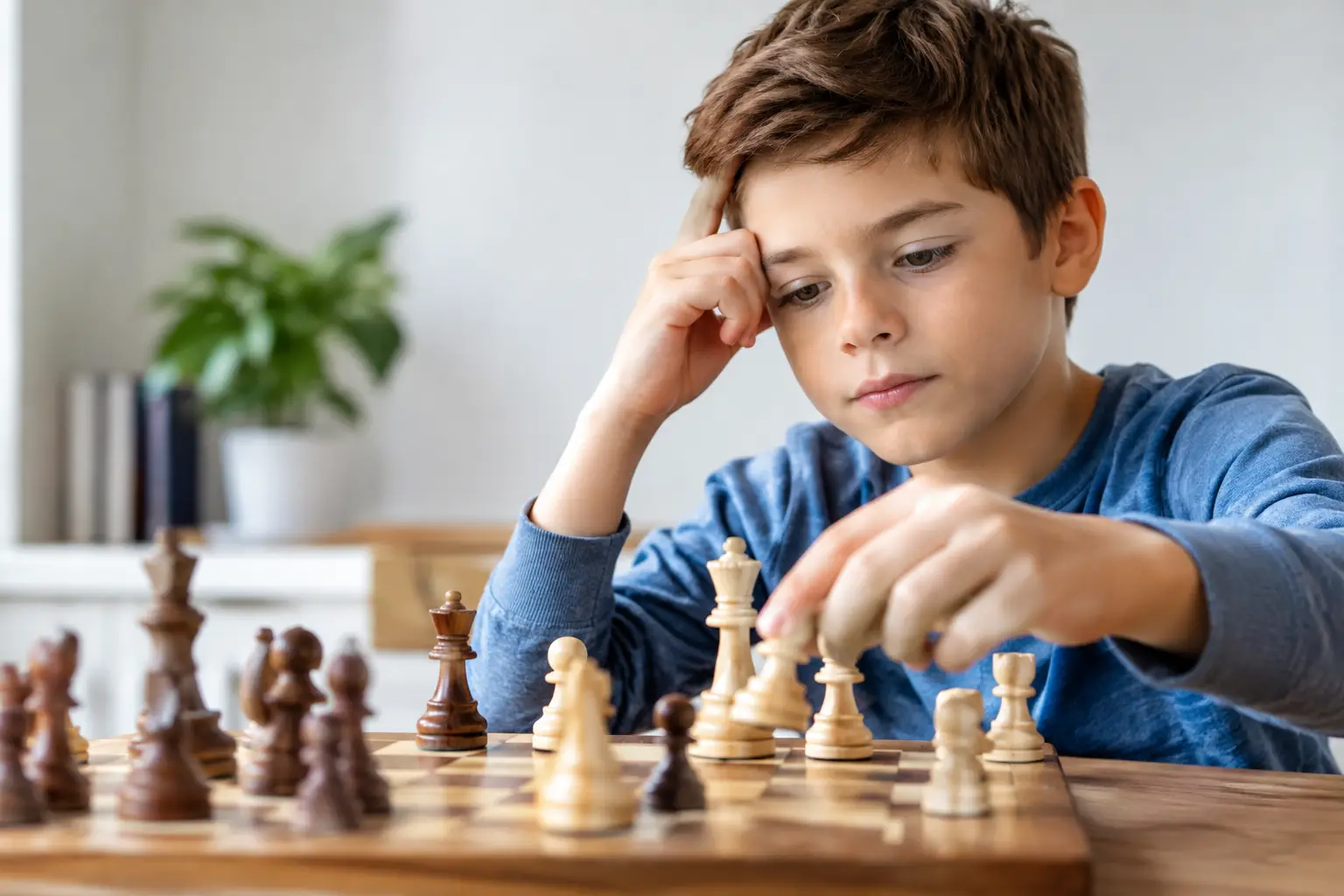
A child can spend ten minutes finding a clever plan, then lose a queen in one second because they did not notice an opponent's bishop. That moment is frustrating, but it is also normal. To avoid chess blunders, young players do not need to memorize hundreds of advanced tactics. They need a calm, repeatable way to look at the board before they move.
For parents, the goal is not to eliminate every mistake. Chess is learned through mistakes. The goal is to help your child make fewer one-move oversights, understand what went wrong, and stay confident enough to try again. With the right habits, blunders become valuable feedback instead of game-ending disasters.
What Is a Chess Blunder?
A blunder is a move that seriously worsens a player's position, often by losing a valuable piece, missing checkmate, or allowing a simple tactic. For beginners, the most common blunder is leaving a piece where it can be captured for free. A player moves a knight, for example, and forgets that it was protecting their queen.
Not every bad move is a blunder. Choosing a less active square for a bishop may be a small mistake. Missing a complicated five-move combination is often part of the learning process. A blunder is usually more immediate: a piece is hanging, a king is exposed, or the opponent has a direct threat that was not noticed.
That distinction matters for children. If every imperfect move is called a blunder, chess starts to feel like a test they cannot pass. Good coaching helps kids see the difference between a simple safety check and the deeper strategic decisions that come with experience.
Why Young Players Blunder
Children rarely blunder because they do not care. More often, they are excited by their own idea. They see a check, an attack, or a chance to win a pawn, and their attention narrows. They stop looking at what the opponent can do next.
Speed is another reason. Online chess can make children feel that they must move immediately, especially in short games. A child who knows the rules may still need help developing the patience to pause. This is why longer time controls are useful while a beginner is building habits. A five-minute game can be fun, but a 15-minute game gives a player time to think.
Some blunders also come from incomplete board vision. Younger children may see the pieces near the action but miss a rook across the board or a bishop on a long diagonal. Board vision improves with guided practice, not with pressure.
A Simple Routine to Avoid Chess Blunders
Before every move, encourage your child to use the same short routine. It should take only a few seconds in a relaxed game, but it builds a strong foundation for every level of chess.
1. Check the opponent's last move
Ask: “What changed?” Did the opponent attack a piece? Open a line toward the king? Leave something unprotected? Children often focus on the move they want to make before they understand the move that just happened.
A useful parent prompt is: “What is their piece looking at now?” This question is clearer than asking a child to “calculate.” It directs attention to the board without giving away the answer.
2. Look for checks, captures, and threats
Next, have your child scan for the opponent's most forcing options: checks, captures, and threats. If the opponent can checkmate, win a queen, or take an undefended piece on the next move, that needs attention first.
This does not mean a child must fear every attack. It means they learn to recognize urgent situations. At beginner level, many games are decided simply by noticing which pieces are protected and which are not.
3. Choose a candidate move
Now your child can consider their own plan. Maybe they can develop a piece, castle their king, attack an enemy piece, or protect something that is under pressure. Encourage them to find two possible moves when time allows.
Comparing two moves is powerful. It slows down impulsive play and teaches children that chess is about choices, not guessing the one “magic” answer.
4. Do one final safety check
Before touching the piece, ask one last question: “After I move, what can my opponent take?” This is the habit that prevents a large share of beginner blunders.
They should check three things: Is the moved piece safe? Did it leave another piece undefended? Does the move expose their king or queen? At first, this may feel slow. With practice, it becomes automatic.
Teach Piece Safety Before Fancy Tactics
A child who can spot a fork is making progress. A child who consistently keeps their queen safe will win far more games. Early improvement comes from piece safety, development, and king protection before it comes from complicated opening lines.
Make sure your child understands the basic values: pawns are worth about one point, knights and bishops about three, rooks about five, and queens about nine. These numbers are not a complete guide to chess, but they help children see why trading a queen for a pawn is usually a problem.
Then introduce the idea of defenders. A piece is not necessarily safe just because it is attacked. If it is protected, a capture may be unfavorable for the opponent. This is where a coach can help a child move beyond “attacked means bad” and learn to count attackers and defenders accurately.
Use Games as Learning Moments, Not Lectures
After a loss, children may already know that something went wrong. A long review can feel discouraging, especially after a close game. Instead, choose one turning point and explore it together.
Try questions such as: “Which piece was left unprotected?” “What did your opponent threaten before they won that piece?” or “What would you check before making this move next time?” Keep the conversation specific and kind.
It also helps to review wins. A child may win because the opponent blundered, but still miss several threats along the way. Looking at both wins and losses builds honest confidence. The message is simple: winning is enjoyable, and every game has something to teach.
Avoid correcting moves while your child is playing. Let them own their decisions. If they know you will immediately point out every missed move, they may become anxious or stop taking healthy risks. Save coaching for after the game, unless you are doing a planned practice exercise together.
Practice the Right Way
Random games alone will not always fix recurring blunders. Children improve faster when practice is focused. A short session of finding hanging pieces, checking whether a king is safe, or solving one-move tactics can make a real difference.
For a beginner, ten focused minutes is often more valuable than an hour of rushed games. Start with positions that have one clear idea. Ask your child to identify every attacked piece before searching for the best move. As they improve, add simple forks, pins, skewers, and back-rank threats.
Tournament-minded players need a slightly different balance. They should still use the safety routine, but they also need practice managing the clock. In a longer game, pausing before critical moves is worth the time. In faster games, the routine must become efficient. The answer is not to tell a child to “play faster,” but to practice recognizing danger patterns until the scan becomes natural.
At Savushkin Chess, coaches often use this kind of structured repetition because children gain confidence when they know exactly what to do at the board. Personalized feedback matters: one player may need help slowing down, while another may need to improve how they visualize long-range pieces.
What Parents Can Say During Practice
The language around mistakes matters. Replace “How did you miss that?” with “Let’s find what changed on the board.” Replace “You should have seen it” with “What would you check next time?” These small shifts keep chess challenging without making it feel harsh.
Praise the process when you see it. If your child pauses, checks an opponent's threat, and then makes a solid move, point that out even if they later lose the game. That is real progress. Good decisions made consistently lead to stronger results over time.
A blunder does not define a young player's ability. It is a signal that one part of their thinking routine needs more practice. Give your child permission to pause, look again, and trust the process. The next time they spot the threat before moving, they will feel the difference for themselves.

Ready to see chess click for your child?
Book a free 20–30 minute trial lesson with one of our coaches — no commitment, no payment needed.