
How Long Chess Improvement Takes for Kids
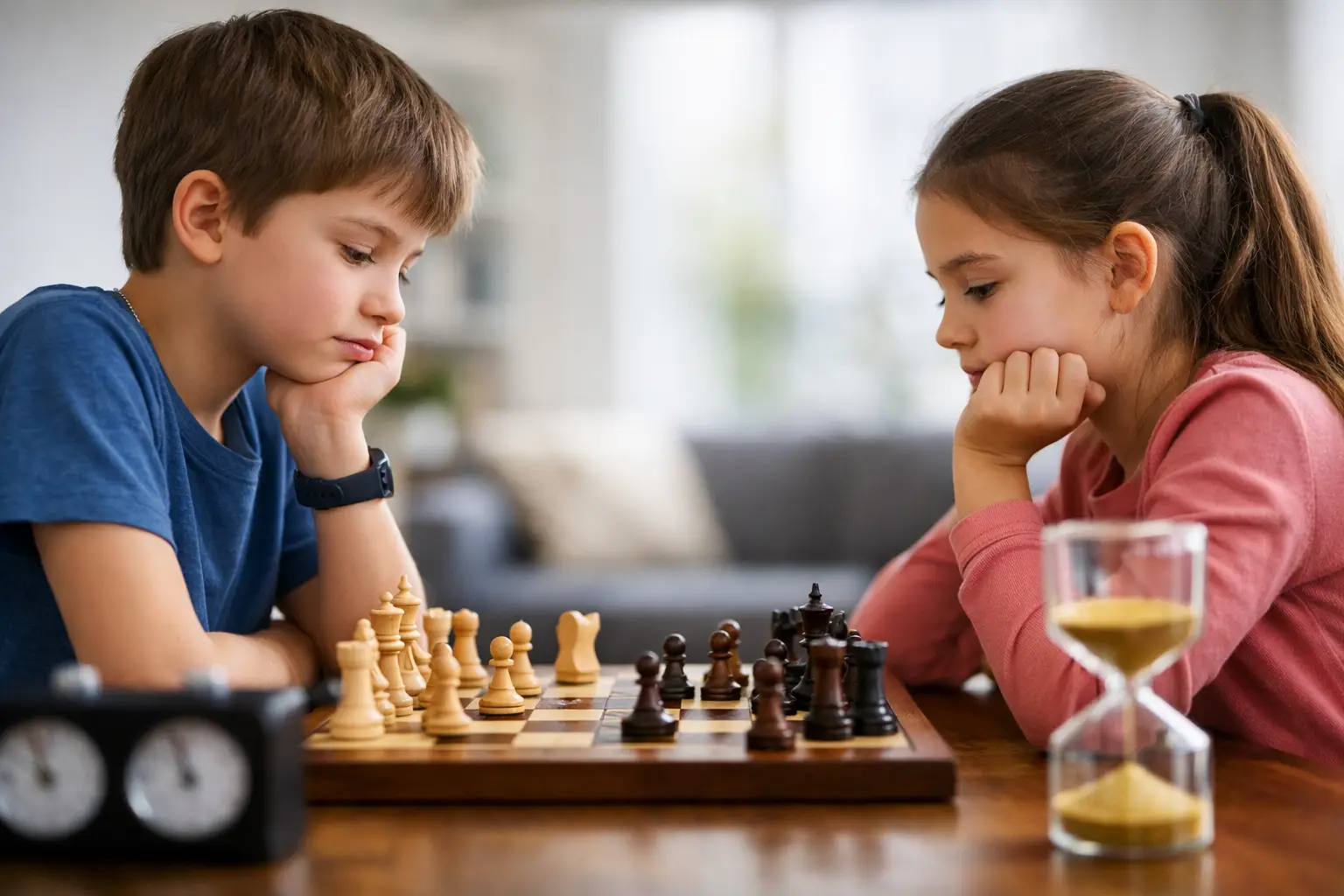
A child can learn how the pieces move in a few lessons, then surprise the family with a clever checkmate two weeks later. That is exciting progress, but it is not the whole story. Parents often ask how long chess improvement takes, especially when they are deciding whether lessons and practice are paying off. The honest answer is: children can show meaningful gains quickly, while confident, consistent chess skill develops over months and years.
Chess is not a worksheet with one finish line. A child may make rapid progress in tactics, then need more time to learn patience, planning, and how to recover after a mistake. With the right structure, encouragement, and regular play, those small gains build into real confidence at the board.
How Long Chess Improvement Takes at Each Stage
Every child starts from a different place. Age, attention span, previous experience, and interest all matter. Still, these milestones give parents a practical picture of what progress often looks like.
The first 4 to 8 weeks: comfort with the basics
For a complete beginner, the first goal is not tournament wins. It is feeling comfortable in the game. A child should begin to recognize the board, move each piece correctly, understand check and checkmate, and know why protecting the king matters.
During this stage, many children also learn a few simple opening principles: develop pieces, control the center, castle early, and avoid moving the same piece again and again without a reason. They may still hang a queen or miss an easy capture. That is normal. The real sign of progress is that they start noticing the mistake after it happens and want to understand it.
A younger child may need more repetition, shorter lessons, and games built around one idea at a time. An older beginner may absorb the rules faster, but still need help turning knowledge into good decisions during a real game.
Two to six months: fewer mistakes and better thinking
This is where chess begins to look more purposeful. With regular instruction and practice, children often start pausing before they move. Instead of grabbing the first available piece, they ask useful questions: Is my king safe? What is my opponent threatening? Can I win material? What happens if I move here?
Parents may notice that games last longer and that their child is less likely to lose a major piece for free. Basic tactical patterns, such as forks, pins, skewers, and simple checkmates, become easier to spot. The child may also begin using a basic opening plan rather than making random first moves.
Progress at this point is rarely perfectly straight. A child may play a wonderful game on Tuesday and make several avoidable mistakes on Saturday. That does not mean the learning disappeared. Chess improvement happens through repetition, review, and the gradual development of better habits.
Six to 12 months: a stronger independent player
After several months of consistent work, many children can play complete games with a clear plan. They understand more than the rules. They can explain why a move is good, recognize common threats, and use basic endgame skills such as promoting a pawn or checkmating with a queen and king.
This is also a realistic time for interested children to begin trying casual events or beginner tournaments. Tournament readiness does not mean a child will win every game. It means they can use a clock, follow the rules, handle a loss respectfully, and learn from the experience.
For competitive children, the first tournament can be a powerful motivator. For others, it may be better to keep games low-pressure until confidence grows. A good learning plan meets the child where they are, rather than pushing a competitive goal before they are ready.
One year and beyond: deeper strategy and competitive growth
A year of steady coaching and practice can create a very different player from the child who first learned the moves. They may calculate more carefully, understand pawn structure, make better plans in the middle game, and recognize when to trade pieces or simplify into an endgame.
At this stage, improvement depends even more on the quality of practice. Playing many fast games can be fun, but it will not always correct recurring mistakes. Reviewing games, solving age-appropriate puzzles, studying key positions, and receiving personal feedback make a bigger difference.
For children who want to compete, progress can include rating goals and stronger tournament performances. For children who simply enjoy chess, success may look like greater focus, confidence, and the ability to think through a challenge without giving up. Both outcomes are valuable.
What Speeds Up or Slows Down Chess Progress?
The biggest factor is consistency. One focused lesson each week, plus a few short practice sessions, usually produces more lasting improvement than a burst of activity followed by a month away from chess. Children do not need to practice for hours every day. In fact, that can make the game feel like a chore.
For most beginners, 10 to 20 minutes of purposeful practice several times a week is enough to support lessons. A child might solve a few puzzles, replay one part of a recent game, or play a slower game while using a simple thinking routine. The goal is attention, not screen time.
Coaching quality matters, too. A child who is given random openings and advanced puzzles before understanding basic threats can feel overwhelmed. A structured coach builds skills in the right order, adjusts the pace, and turns mistakes into lessons rather than criticism.
Motivation is another major variable. Some children fall in love with chess quickly. Others need stories, mini-challenges, friendly games, and clear wins along the way. Fun is not separate from improvement. When children enjoy the process, they are more likely to keep practicing long enough for the learning to stick.
A Simple Weekly Routine That Works
A practical routine should fit family life. For a beginner, one live lesson each week, two or three short puzzle sessions, and one thoughtful game is a strong starting point. The game does not need to be serious or silent. It simply needs to be slow enough for the child to think before moving.
After the game, ask one or two friendly questions instead of analyzing every move. “What was your favorite move?” and “Did you notice a moment you would play differently next time?” help children reflect without feeling judged. If they want more help, a coach can review the game and identify the one or two ideas that will make the biggest difference next week.
Avoid comparing siblings, friends, or online ratings too early. Chess progress is personal. One child may become tactically sharp quickly, while another develops remarkable patience and defensive skill. Both are building the habits that lead to stronger play.
How Parents Can Recognize Real Improvement
Winning more often is one signal, but it is not the only one. A child is improving when they can stay engaged longer, explain a basic plan, remember to check for threats, and recover calmly after a blunder or loss.
Look for better decisions, not perfect games. If your child used to move instantly and now takes a moment to check whether a piece is protected, that is a meaningful step. If they lose but can point out the move that changed the game, they are learning how chess players grow.
Clear communication from a coach helps parents see this progress. At Savushkin Chess, personalized lessons can give families a clearer view of what a child is learning now, what comes next, and how practice can support that path between sessions.
When Progress Seems to Stall
Almost every child reaches a plateau. They may keep making the same mistake, lose interest for a week, or feel frustrated when opponents become stronger. This is not a reason to quit or immediately add more work.
First, simplify. Return to one skill: spotting an opponent’s threat, protecting loose pieces, or practicing a basic checkmate. Then make the next goal small and visible. A child who sees improvement in one area often regains momentum quickly.
It also helps to check whether the format still fits. A four-year-old may do best with shorter, highly interactive lessons. A serious 12-year-old may be ready for longer analysis and tournament preparation. The right lesson length and challenge level can change how much a child gets from the same amount of time.
Chess rewards children who keep showing up, thinking one move further, and learning from the games that do not go their way. Give your child a steady routine, patient guidance, and room to enjoy the game. The stronger player will emerge one thoughtful move at a time.

Ready to see chess click for your child?
Book a free 20–30 minute trial lesson with one of our coaches — no commitment, no payment needed.


