
How to Build Chess Habits for Lasting Progress
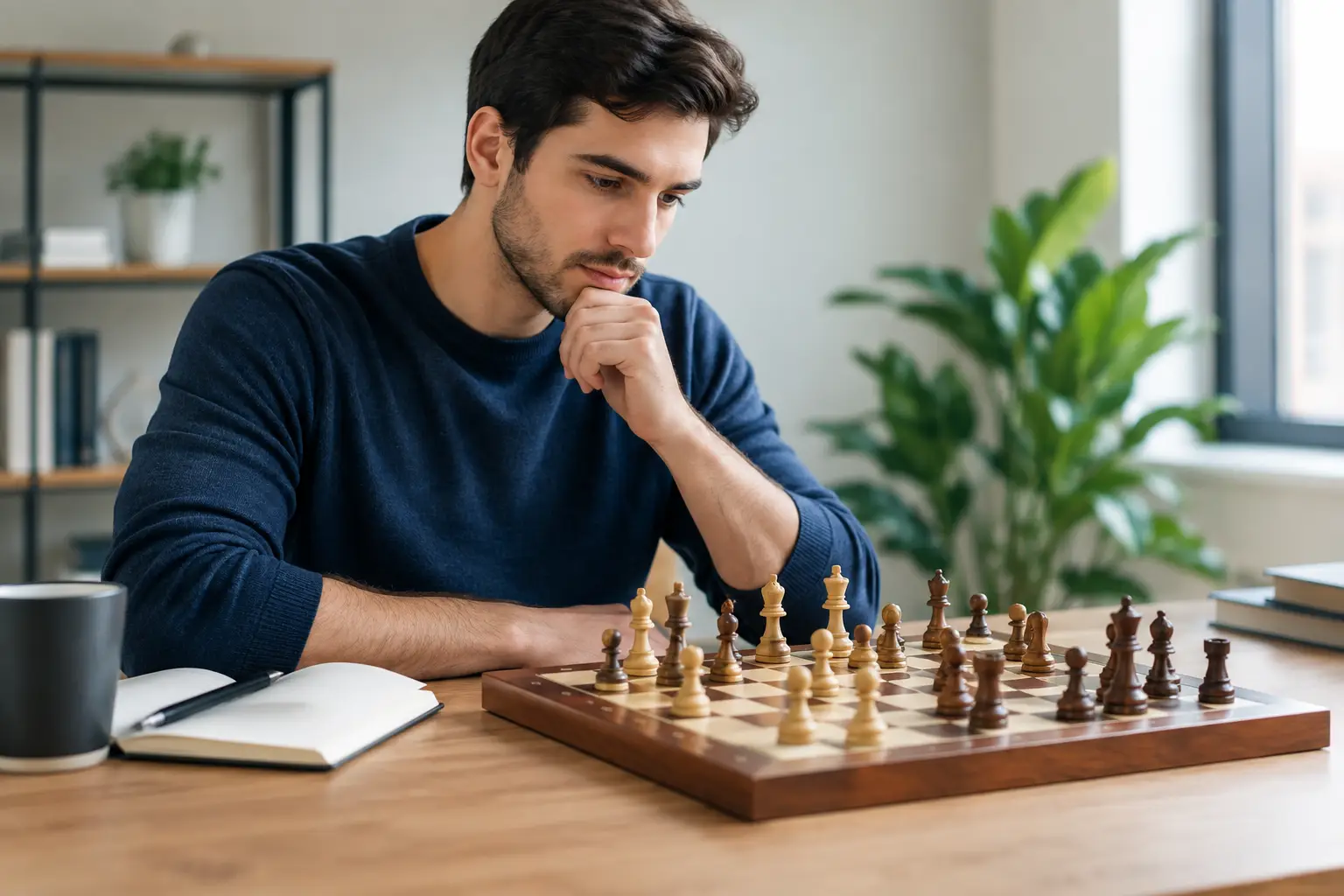
A child does not improve at chess because they played for two hours on a random Saturday. Improvement comes from the small choices that happen between lessons: setting up the board, reviewing one puzzle, pausing before moving, and finishing a game even after a mistake. If you are wondering how to build chess habits that actually last, the goal is not to create a strict training camp at home. It is to create a routine your child can enjoy, understand, and repeat.
For parents, that distinction matters. A child who feels pressured may resist chess, even when they have real potential. A child with a simple, encouraging routine is more likely to develop focus, confidence, and the patience needed to make better decisions over the board.
Start With a Routine Small Enough to Keep
The best chess routine is usually shorter than parents expect. For a beginner, 10 to 15 focused minutes three or four times a week can be far more productive than a long session once a week. Younger children, especially ages 4 to 7, often do best with brief activities that have a clear finish line. Older children can gradually add more independent practice as their attention span and goals grow.
Pick a consistent time that already fits your family schedule. It might be after homework on Tuesday and Thursday, before dinner, or on a quiet weekend morning. The timing matters less than predictability. When chess always competes with screens, snacks, and last-minute errands, it becomes easy to skip.
Give each practice session one job. A child might solve three puzzles, replay a game from a lesson, practice checkmate with a king and queen, or play one slow game. Trying to cover openings, tactics, endgames, and a full game in 15 minutes makes chess feel like homework. One clear task builds momentum.
Make the Habit Feel Like Progress, Not a Chore
Children are more likely to return to chess when they can see that they are getting better. That does not always mean winning more games right away. Progress may look like remembering to develop pieces, noticing a hanging bishop, or taking an extra moment to check whether an opponent has a threat.
Use specific praise. Instead of saying, “Good job,” try, “I liked that you checked what your opponent could capture before you moved.” This tells your child exactly what smart chess thinking looks like. It also keeps the attention on effort and decision-making rather than a single result.
A simple progress tracker can help, but keep it light. A calendar with a small chess sticker, a notebook with completed puzzles, or a list of skills learned gives children a visible record of their work. The tracker should celebrate consistency, not create pressure. Missing a day is normal. The win is returning to the routine without turning one missed practice into a reason to quit.
Match the activity to your child’s level
New players need habits that make the board familiar. They can practice naming squares, spotting which pieces are attacked, and learning basic checkmate patterns. At this stage, playing too many fast online games can create rushed moves before good habits have a chance to form.
Intermediate players need a different balance. They benefit from tactical puzzles, game review, and slower games where they can practice a thinking process. A useful question before every move is: “What is my opponent threatening?” It sounds simple, but making it automatic prevents many avoidable mistakes.
For tournament-minded players, habits should include reviewing losses calmly. A lost game is not proof that a child is failing. It is information. The goal is to identify one or two turning points: a missed tactic, an unsafe king, a rushed exchange, or time trouble. This approach turns disappointment into a practical next step.
Build a Before-Move Thinking Habit
Many young players know chess rules but move too quickly. They see a tempting capture, make it immediately, and only then notice what was left unprotected. A consistent before-move routine gives them a reliable pause button.
Teach your child to ask three questions before moving: What is my opponent threatening? Are any of my pieces undefended? What checks, captures, or threats do I have? For beginners, that may be enough. More advanced players can also consider king safety, candidate moves, and the likely response to each option.
At first, this process can feel slow. That is okay. Strong chess is not about moving quickly at home. It is about learning to think in the right order. Once the questions become familiar, your child will begin using them naturally during games.
Parents can support this without becoming the coach. During a casual game, resist the urge to point out the best move. Instead, ask, “Did you check what your opponent can do next?” That reminder protects your child’s ownership of the game while reinforcing the habit they are learning.
Keep Games Fun, but Choose Them Carefully
Playing games is essential, but not every game builds the same skills. Very fast games can be exciting and convenient, especially for kids who love competition. They also reward speed, which can make careless habits harder to change. Fast games have a place, but they should not be the entire routine.
Include at least one slower game each week when possible. Give your child time to use their before-move questions and talk through the game afterward. A 15-minute game with a quick review may teach more than five rushed games played back-to-back.
When reviewing, do not analyze every move. Start with one moment your child handled well and one moment they would change. Ask what they were thinking at the time. You may discover that the mistake was not a lack of knowledge. Perhaps they were distracted, worried about the clock, or focused only on their own plan. Those insights help shape the next practice session.
How to Build Chess Habits Around Lessons
A live lesson gives a child direction, but the week between lessons is where new ideas become reliable skills. The most effective follow-up is simple: after a lesson, ask your child to explain one thing they learned. If they can teach it back in their own words, they are much more likely to remember it.
Then choose one small action connected to that lesson. If the coach covered forks, solve a few fork puzzles during the week. If the lesson focused on opening principles, play a slow game with the goal of developing pieces and castling safely. The practice should reinforce the lesson, not introduce five unrelated topics.
This is one reason personalized coaching can make a major difference. A coach can identify whether a child needs more work on basic tactics, confidence after losses, opening habits, or tournament preparation. At Savushkin Chess, structured live lessons and individualized practice goals help families avoid the guesswork of trying to piece together a chess plan from random videos and games.
Let Your Child Have Some Choice
Structure works best when children have a voice in it. You can set the practice window, while letting your child choose whether to start with puzzles, a mini-game, or reviewing a favorite win. That small amount of control often prevents resistance.
It also helps to connect chess to what your child enjoys. A competitive child may be motivated by preparing for a tournament. A creative child may enjoy finding surprising checkmates. A child who dislikes losing may feel safer solving puzzles or practicing against a parent before entering online games. There is no single routine that fits every young player.
Watch for signs that the plan needs adjusting. If your child is consistently frustrated, shorten sessions or return to a skill they can succeed with. If they are breezing through every activity, add a more challenging puzzle set or a longer game. The right level feels engaging, not overwhelming.
Protect the Long-Term Relationship With Chess
Chess teaches resilience because mistakes are visible. A blunder can change a game in one move, and children can take that personally. Your response matters. Avoid replaying the error with frustration or asking why they “didn’t see it.” Instead, treat the board as a place to investigate: What changed? What could we look for next time?
Keep the language around results balanced. Winning is exciting, and it is fine to celebrate it. But praise the habits that make improvement possible: showing up, taking time, reviewing a game, and trying again after a loss. These are the same habits that support growth in school, sports, and other challenging activities.
A lasting chess habit does not require a perfect schedule or a child who is motivated every day. It requires a welcoming routine, clear next steps, and adults who make room for both effort and fun. Set up the board, choose one small task, and let tomorrow’s stronger player begin with today’s manageable move.

Ready to see chess click for your child?
Book a free 20–30 minute trial lesson with one of our coaches — no commitment, no payment needed.


