How to Choose Chess Coach for Your Child
A coach can make your child love chess faster - or lose interest just as quickly. That is why parents who are figuring out how to choose chess coach support should look beyond ratings, titles, or a polished profile. The best fit is not simply the strongest player. It is the coach who can teach your child in a way that builds skill, confidence, and steady progress.
For kids, especially beginners, chemistry and structure matter as much as chess knowledge. A great coach knows when to challenge, when to slow down, and how to keep lessons productive without making them feel heavy. If your child is advanced and tournament-focused, the balance shifts a bit, but even then, teaching skill still matters.
How to choose chess coach based on your child's goals
Start with the reason you want coaching in the first place. Some families want a fun, brain-building activity after school. Others want a child to move from casual play into real strategy, tournament games, and rating improvement. Those are not the same job, and not every coach is equally good at both.
If your child is brand new, look for a coach who teaches fundamentals in a clear sequence. That means piece movement, checkmates, board vision, tactics, basic opening ideas, and good thinking habits. A coach who skips straight to advanced theory can overwhelm a beginner and make chess feel confusing.
If your child already plays regularly, ask how the coach handles development beyond the basics. Do lessons include game review, calculation training, endgames, positional ideas, and tournament preparation? A stronger player usually needs more than puzzle practice. They need a plan.
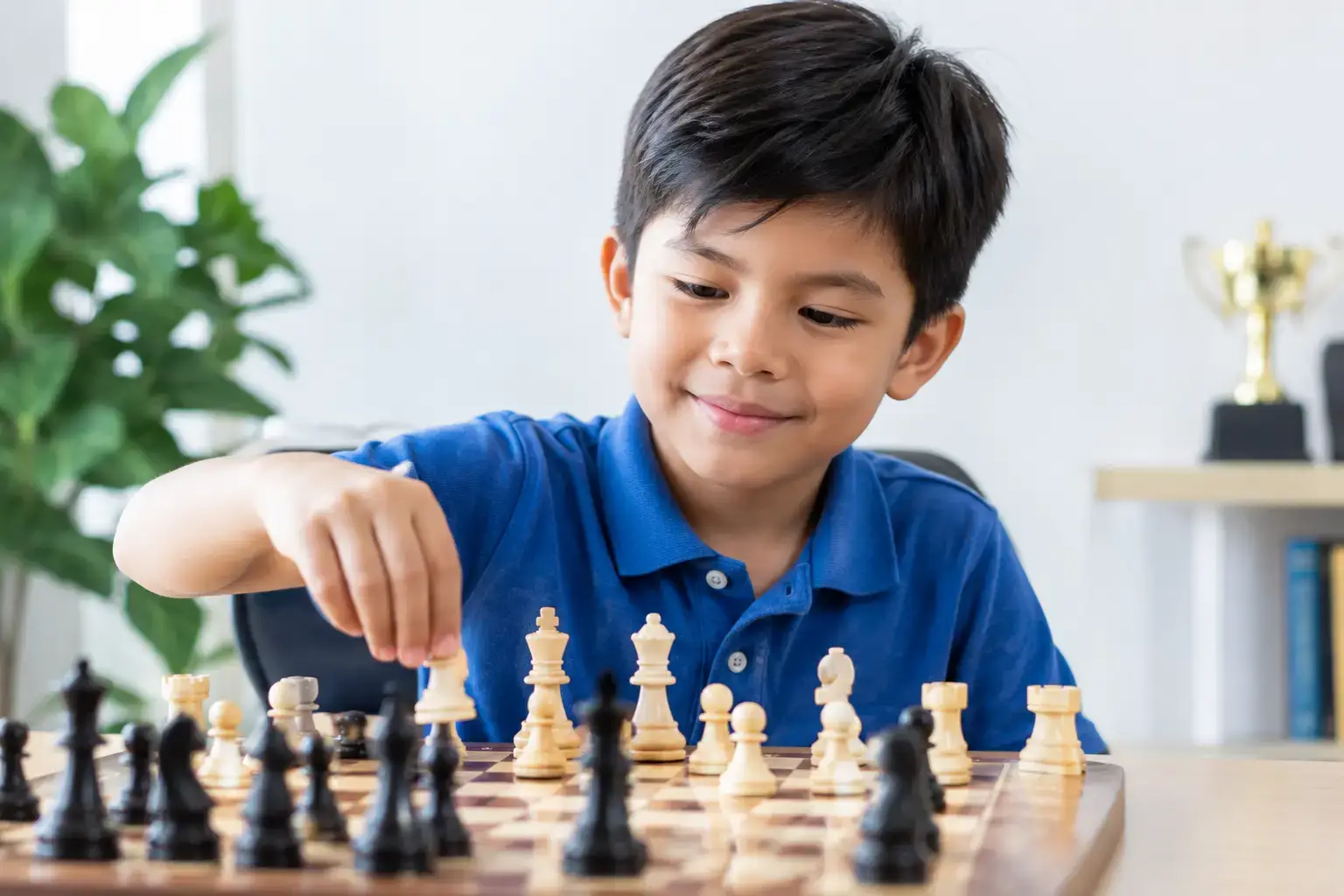
Age matters too. A wonderful coach for a focused 14-year-old may not be the right match for a playful 6-year-old. Younger children need shorter explanations, more interaction, and a coach who can keep energy high without losing structure.
What matters more than chess rating
Parents often assume the highest-rated coach is automatically the best choice. That sounds logical, but it is only part of the story. Strong players are not always strong teachers, and children do not improve just by sitting near expertise.
A good kids' coach can explain one idea three different ways. They notice when a child is guessing instead of thinking. They can correct mistakes without making the student feel discouraged. Most important, they know how to turn a lesson into visible progress over time.
That does not mean credentials are irrelevant. They matter, especially if your child is serious about competition. But coaching experience with children should carry real weight. Ask how long the coach has worked with kids in your child's age range and skill level. Ask what kind of students they usually teach. Ask what improvement tends to look like after a few months.
A credible answer will be specific. Vague promises are easy. Clear teaching methods are much more useful.
Look for a teaching style your child will respond to
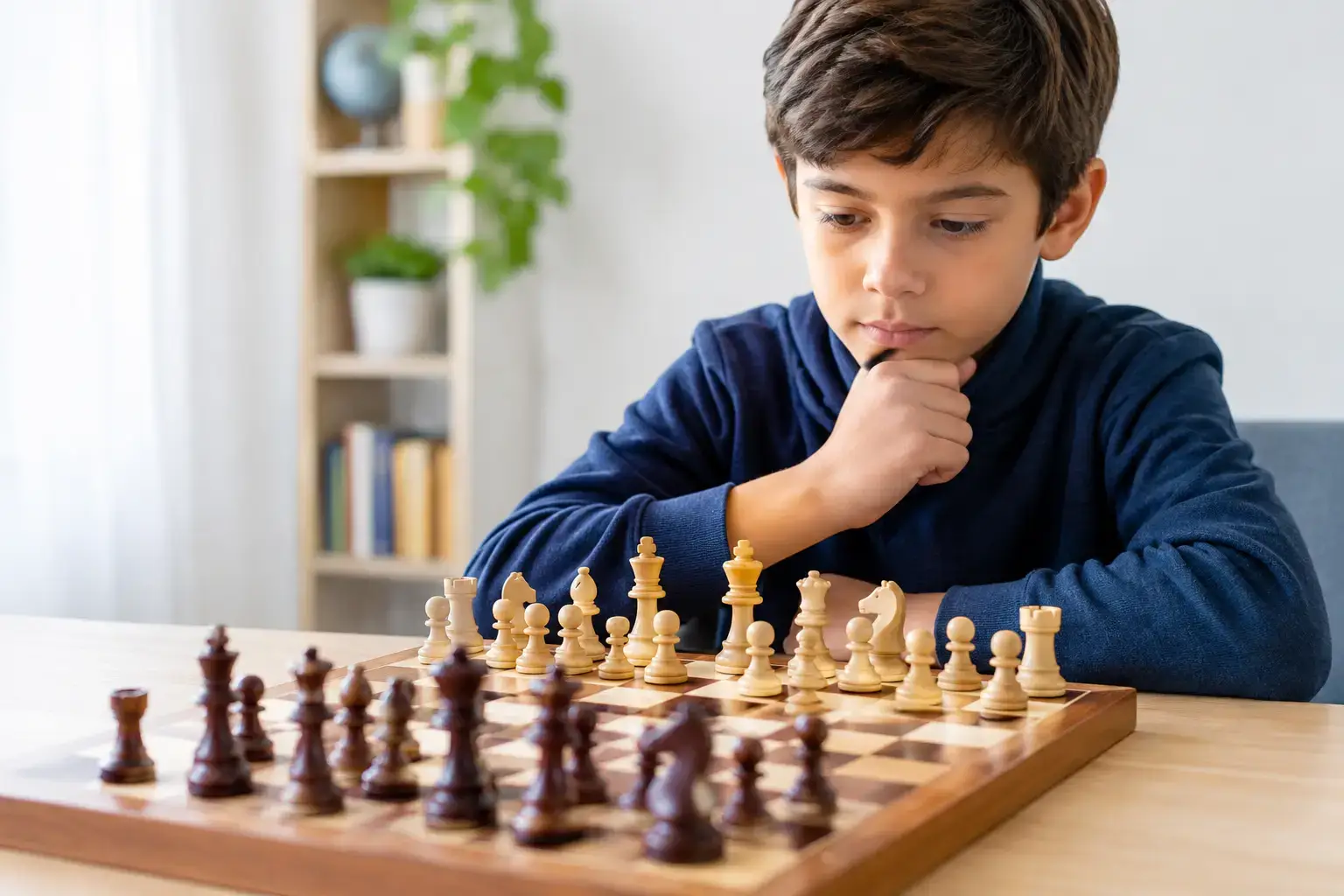
Children learn chess differently. Some want to talk through every idea. Some need visual examples. Some thrive on challenges. Others need reassurance before they take risks. The right coach adjusts.
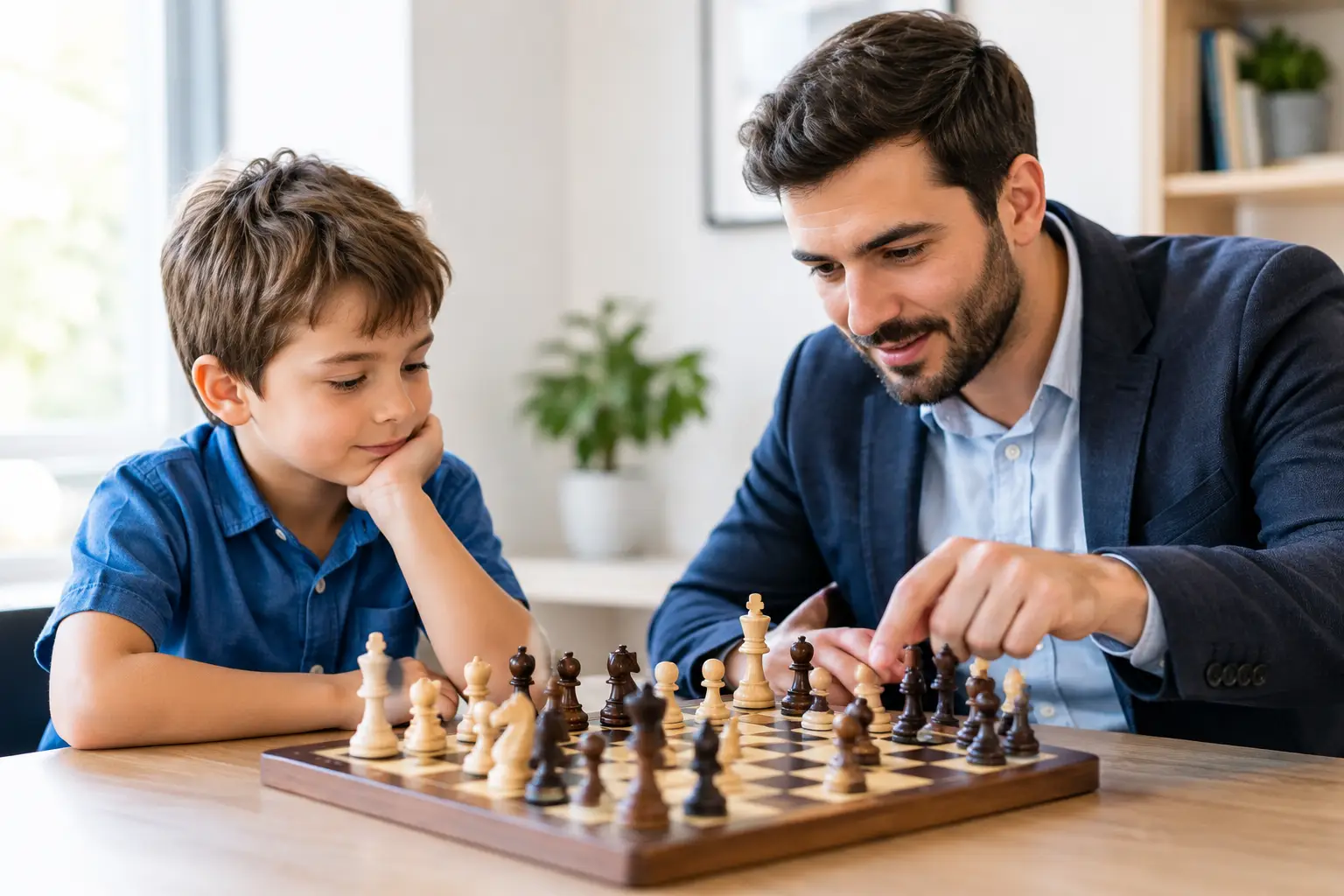
During a trial lesson, pay attention to the way the coach communicates. Do they speak at your child's level? Do they ask questions and wait for the answer, or do they do most of the talking? Are they patient when your child misses something simple? Do they keep the lesson moving?
A child-friendly coach is not the same as an entertainer. The goal is not just to keep your child smiling for 30 minutes. The goal is to make learning enjoyable while still building real skill. The best lessons feel encouraging and organized at the same time.
This is where many parents get their answer quickly. If your child finishes the lesson energized, understood, and eager to come back, that matters. If they seem tense, confused, or checked out, believe what you are seeing.
How to evaluate a trial lesson
A trial lesson should tell you more than whether the coach is nice. It should show you how they assess, teach, and plan. If you are serious about how to choose chess coach support that lasts, the trial is one of the most valuable parts of the process.
First, notice whether the coach tries to understand your child before teaching. Good coaches ask about experience, goals, tournament history, attention span, and what the child enjoys most about chess. They do not force every student into the same lesson.
Next, look for structure. Did the session have a clear focus? Did the coach explain mistakes in a way your child could understand? Did they balance instruction with participation? Even one short lesson should give you a sense of direction.
Finally, ask what happens next. A strong coach should be able to explain what your child needs to work on and what future lessons might cover. At Savushkin Chess, for example, structured progression and parent communication are central because families want straight answers about where a child is now and what comes next.
Questions parents should ask before committing
You do not need to interview a coach like a corporate hire, but you should ask enough to make a confident decision. The best questions are practical.
Ask how lessons are tailored to age and skill level. Ask how progress is tracked. Ask whether homework is given and how much. Ask how game analysis is handled. Ask what the coach expects from parents, especially for younger children.
You should also ask about consistency. Will your child work with the same coach each week? Is scheduling flexible? Are lesson lengths matched to age and focus level? A 60-minute lesson can be excellent for one student and too much for another.
And ask how the coach handles motivation. Every child hits a rough patch. Some get frustrated after losses. Some lose focus when improvement slows. A good coach has a plan for those moments instead of treating them as a character flaw.
Red flags to watch for
Some warning signs are obvious. If a coach cannot explain their teaching process, that is a problem. If they make big promises about ratings in a short timeframe, be cautious. Chess improvement is real, but it is rarely perfectly linear.
Other red flags are more subtle. One is teaching too far above the student's level. Another is lessons that feel random, with no clear progression from week to week. Some coaches are enthusiastic but unstructured. Others are very knowledgeable but too rigid for kids.
Watch out for poor communication with parents as well. You should not need a long report after every lesson, but you should know what your child is learning and whether they are moving forward. Trust grows when expectations are clear.
Online coaching can work very well - if it is organized
Many parents still wonder whether online chess lessons are effective. They can be extremely effective, especially for children, because the board, the moves, and the teaching tools are already digital. But quality depends on organization.
A strong online coach uses screen sharing, puzzles, game review, and live interaction in a way that keeps the child engaged. They know how to avoid dead time. They use the format to make lessons focused, not passive.
This also gives families flexibility. You are not commuting across town, and your child can learn from a coach who truly fits, not just the nearest local option. That said, online lessons still require the right setup. Younger children may need a quiet room, a reliable device, and occasional parent support at the start.
The best coach is the one your child will grow with
The right choice is not always the flashiest one. It is the coach who understands your child, teaches with purpose, and can guide steady improvement over time. Sometimes that means starting with a patient beginner specialist. Sometimes it means moving to a more advanced competitive coach later. It depends on where your child is now and where they want to go next.
If you keep the focus on fit, structure, and real teaching skill, the decision gets much clearer. Chess is a long game, and the best coaching relationships help children enjoy that process while building the habits that make progress possible.
A good coach does more than teach better moves. They help a child think more carefully, recover from mistakes, and feel proud of learning something hard.

Ready to see chess click for your child?
Book a free 20–30 minute trial lesson with one of our coaches — no commitment, no payment needed.