How to Learn Chess Online for Kids
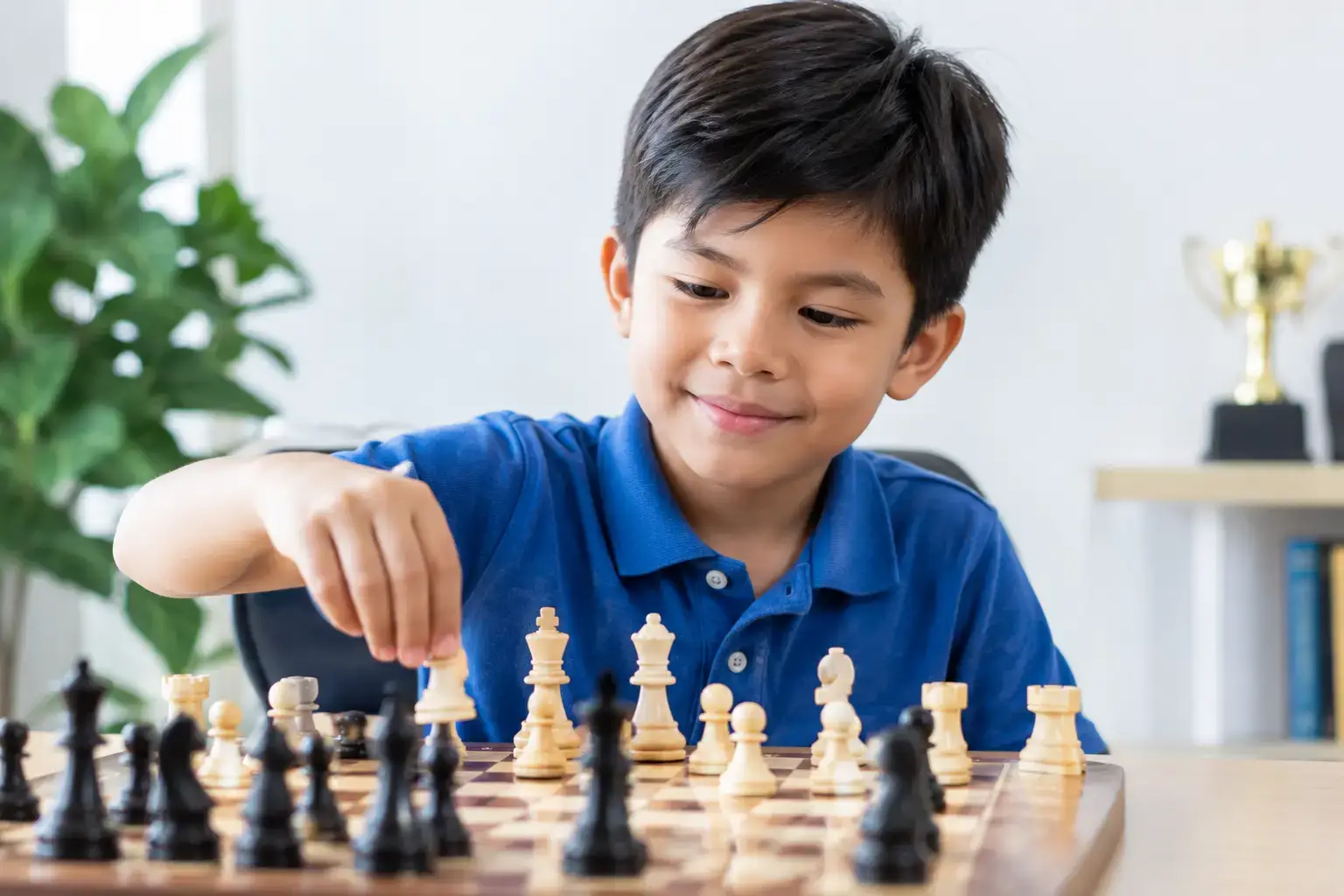
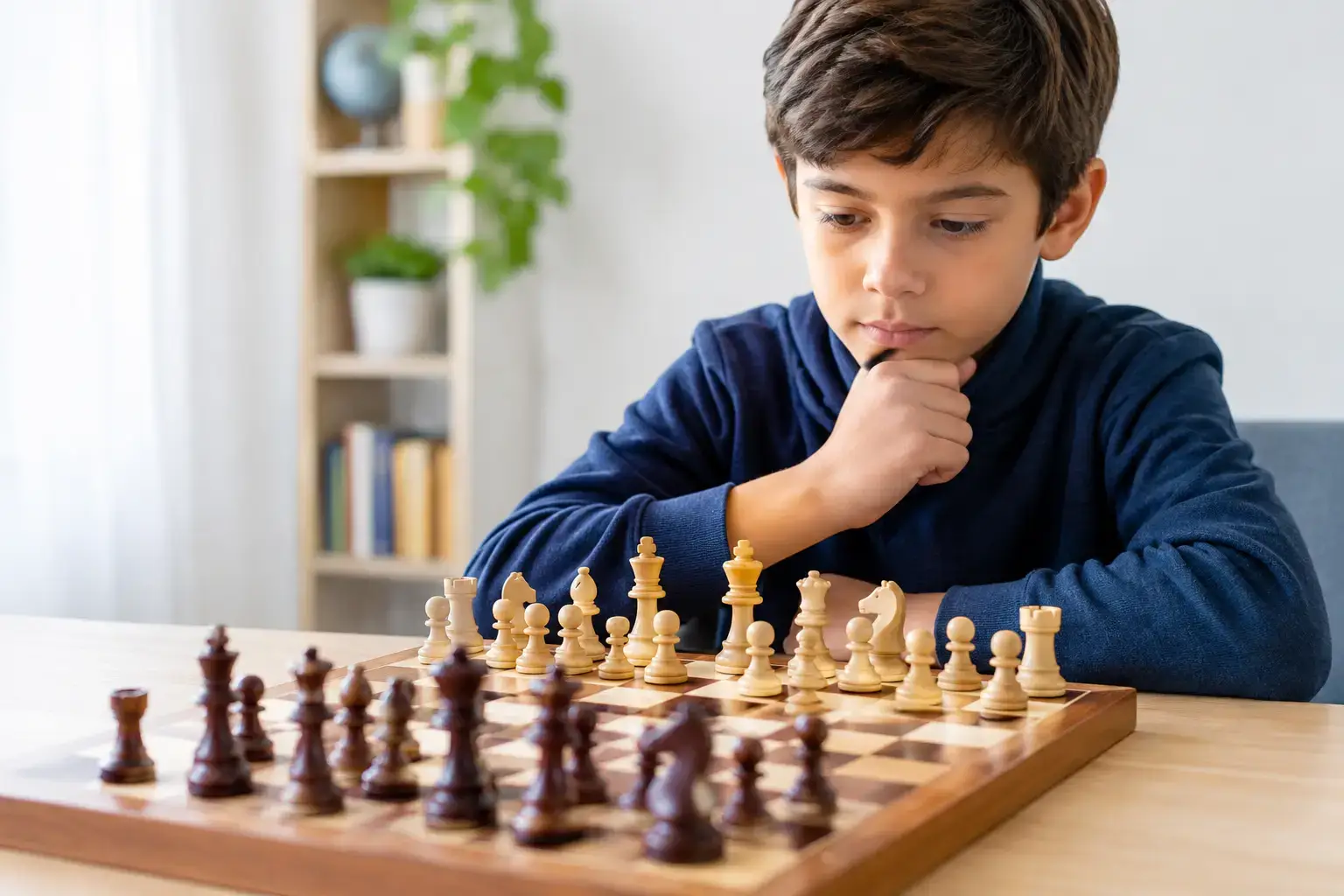
Some kids get hooked on chess after learning how the knight moves. Others need a few weeks before the game starts to click. That is why parents searching for how to learn chess online for kids usually need more than a list of websites. They need a plan that fits their child’s age, attention span, and goals.
Online chess can work extremely well for children, but not every format works for every child. A curious 5-year-old beginner needs something very different from a 12-year-old who wants to start playing tournaments. The best results usually come from combining fun, structure, and real coaching instead of expecting a child to learn everything from videos or apps alone.
How to learn chess online for kids without overwhelm
The biggest mistake parents make is starting with too much at once. Chess has rules, patterns, tactics, strategy, time management, and sportsmanship. If all of that gets thrown at a beginner in week one, the child often decides chess is confusing or boring.
A better approach is to build in layers. First comes piece movement and board awareness. Then children learn basic checkmates, simple tactics, and how to think before moving. After that, they can start understanding openings, planning, and real game analysis. Online learning works best when each step feels achievable.
For younger children, especially ages 4 to 7, short lessons and active teacher interaction matter more than volume. They need a coach who can keep the pace moving and make the lesson feel like participation, not a lecture. Older kids can usually handle longer sessions, but they still improve faster when lessons are personalized instead of generic.
Start with your child’s real level, not their age
Age matters, but starting level matters more. Some 6-year-olds already know how every piece moves and can spot a simple fork. Some 10-year-olds are total beginners. If the program starts too high, kids get frustrated. If it starts too low, they lose interest.
That is why an assessment lesson is so useful. A good coach can quickly see whether a child needs beginner fundamentals, tactical training, or help turning casual play into disciplined improvement. Parents often assume their child is either advanced or behind, when in reality they just need the next right step.
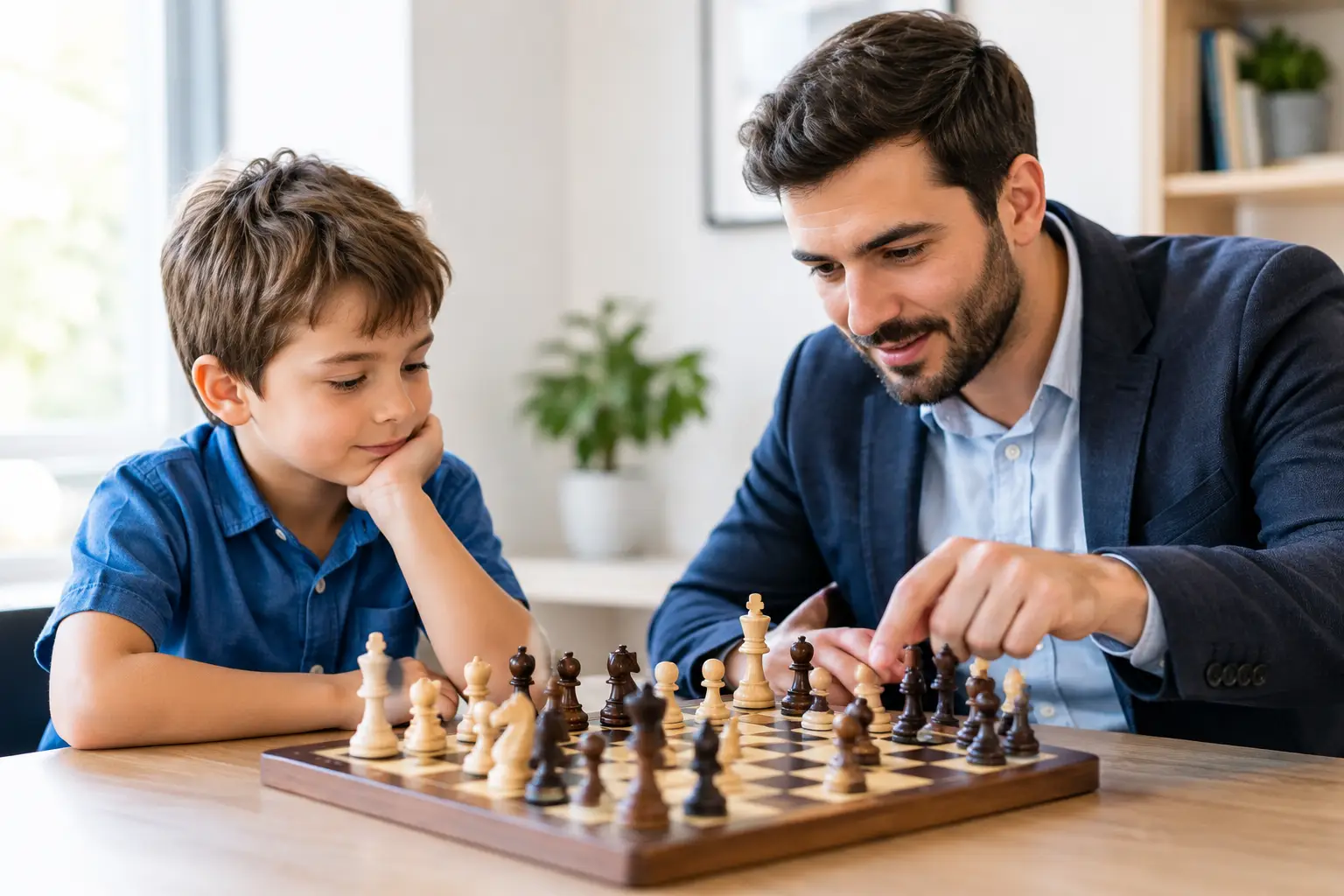
This is also where personalized instruction has a clear advantage. Group classes can be fun and affordable, but they are not always ideal for correcting individual habits. If a child rushes moves, misses threats, or struggles with focus, that problem needs direct attention. One-on-one lessons can address that much faster.
What actually works online
Parents sometimes worry that chess is harder to teach through a screen. In practice, online chess can be highly effective because the board is interactive, moves are easy to demonstrate, and coaches can review games in real time. Children can see ideas clearly, replay mistakes, and practice immediately.
Still, the format matters. Pre-recorded videos are fine for exposure, but they rarely produce steady progress on their own. Apps can help with puzzles and repetition, but they do not replace feedback. Kids improve fastest when someone is actively teaching them how to think, not just what to click.
A strong online learning setup usually includes live lessons, guided practice, age-appropriate homework, and regular game play. It should also include clear progression. Parents should be able to understand what their child is learning now, what comes next, and how progress is being measured.
The best way to learn chess online for kids at each stage
Beginners need confidence first. That means learning the rules correctly, understanding check and checkmate, and playing simple games without pressure. At this stage, success looks like comfort with the board and excitement to keep going.
Once a child knows the basics, the focus should shift to pattern recognition. This is where tactics such as pins, forks, and skewers start to matter. Kids often love this phase because they can see immediate results in their games. They start winning material, spotting tricks, and feeling more in control.
After that, stronger habits become important. Children need to slow down, check opponent threats, and make moves for a reason. This is the point where many young players plateau if they only play casual games. They may know a lot, but without guidance they keep repeating the same mistakes.
For more advanced students, online chess lessons should include deeper analysis, opening understanding, endgame technique, and tournament preparation. The child who wants to compete needs more than entertainment. They need structure, accountability, and coaching that turns effort into results.
How parents can choose the right online chess program
It helps to look past flashy claims and focus on a few practical questions. Is the teaching live or mostly self-serve? Are lessons adapted to the child, or is everyone pushed through the same material? Does the coach know how to teach children, not just play chess well?
That last point matters a lot. A strong player is not automatically a strong teacher. Kids need explanations that are clear, patient, and encouraging. They also need a coach who can balance discipline with fun. If the lesson feels too loose, progress is slow. If it feels too intense, the child may shut down.
Parents should also look for visible structure. Good programs usually have lesson lengths that fit different attention spans, a progression plan, and communication about how the child is doing. That kind of clarity builds trust because you are not left guessing whether lessons are helping.
If your child is brand new, a trial lesson is often the smartest first step. It gives you a chance to see how the coach interacts with your child and whether the format feels engaging. The right fit is usually obvious. Kids either lean in and participate, or they mentally leave the room.
Signs your child is learning well online
Progress in chess is not just about rating numbers. For some children, the first big win is sitting through a full lesson with focus. For others, it is remembering to check for threats before moving. Those changes matter because they show the child is building real thinking habits.
You may also notice stronger patience, better problem-solving, and more willingness to learn from mistakes. Chess has a way of showing children that improvement comes from practice and reflection, not just talent. That lesson carries well beyond the board.
At the same time, progress is rarely perfectly linear. A child might have a great month and then seem stuck. That does not always mean the program is failing. Sometimes it means the material has become more challenging and the child is transitioning from memorizing to understanding. Good coaching helps them push through that stage instead of getting discouraged.
Common mistakes to avoid
One common mistake is relying only on casual online games. Playing a lot can help, but without instruction, children often reinforce weak habits. They move too fast, miss basic tactics, and never learn how to review what went wrong.
Another mistake is choosing a program based only on convenience. A cheap app or large video library may look efficient, but if your child is not engaged, you are not really saving time or money. Results come from consistency, and consistency is much easier when the lessons are enjoyable and the teaching is personal.
Parents also sometimes push too hard too early. A child who enjoys one lesson a week and some guided practice may improve more than a child who gets overloaded with chess every day. It depends on personality. The goal is steady growth, not burnout.
A simple plan parents can follow
If you are still wondering how to learn chess online for kids in a way that actually lasts, keep it simple. Start with a live assessment or beginner lesson. Choose a format that matches your child’s age and attention span. Make sure there is real coaching, not just content.
Then give it enough time to work. Most children need a few weeks to settle into the rhythm of online lessons, practice, and play. During that time, pay attention to engagement as much as results. A child who enjoys learning will usually stay with it long enough to improve.
If possible, choose a program that offers a clear path from beginner skills to real game play. That progression is where online chess becomes more than a hobby. It becomes a meaningful activity that builds confidence, focus, and competitive skill at the same time.
At Savushkin Chess, that is exactly why structured, coach-led instruction matters so much. Kids do better when the learning is fun, personal, and built around clear next steps.
The right online chess experience should leave your child wanting to play one more game, solve one more puzzle, and come back ready for the next lesson. That is usually the clearest sign you are on the right track.

Ready to see chess click for your child?
Book a free 20–30 minute trial lesson with one of our coaches — no commitment, no payment needed.