
How to Memorize Chess Openings Without Cramming
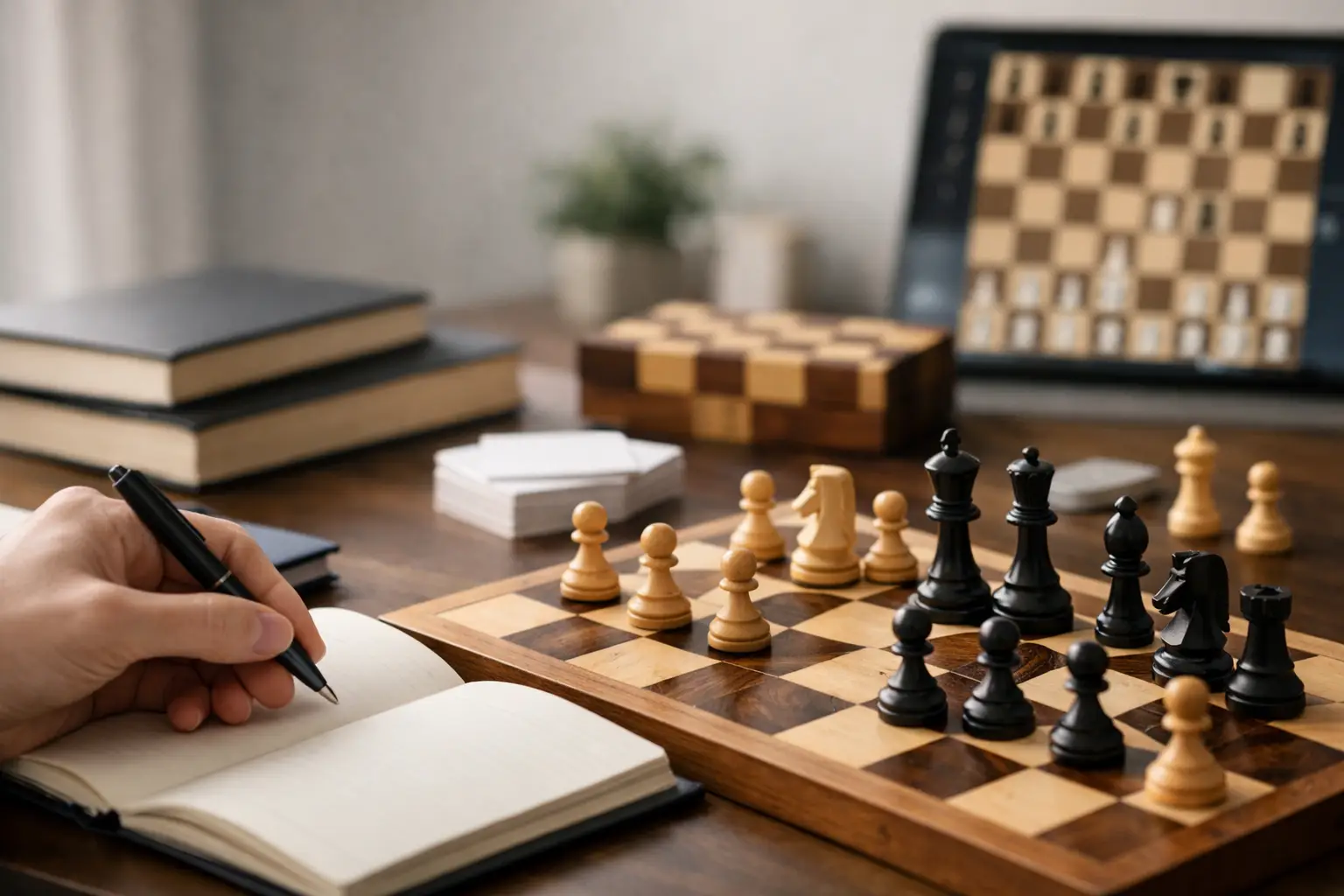
A child who can recite 12 opening moves but freezes when an opponent plays something unexpected has not really learned an opening. They have learned a script. The best way to approach how to memorize chess openings is to help your child understand the purpose behind the moves first, then build recall through short, repeated practice in real games.
For young players, this matters even more than it does for adults. Chess openings should create confidence, not pressure. A good opening routine gives children a familiar starting point, helps them avoid early mistakes, and leaves plenty of mental energy for the fun part: spotting tactics, making plans, and playing their own game.
Start With Opening Principles, Not Move Lists
Before a child learns a named opening, they should know what a good opening is trying to accomplish. The first few moves have simple jobs: fight for the center, develop pieces, protect the king by castling, and avoid moving the same piece repeatedly without a reason.
These ideas are easier to remember than a long sequence of notation. Instead of saying, “You must play this move because it is move four,” a coach might say, “This move brings out a piece and helps us get ready to castle.” That explanation gives the move a home in the child’s memory.
A useful parent question after a lesson or practice game is: “What was that move trying to do?” If your child can explain it in simple words, they are building real chess understanding. If they only say, “Because that is the opening,” slow down and return to the idea behind the move.
The trade-off is clear. Memorizing a line can produce quick results against familiar opponents, but understanding principles holds up when the game takes a different path. Young beginners need principles first. Tournament players can gradually add more specific theory as their experience grows.
How to Memorize Chess Openings in Small Chunks
Trying to learn an entire opening at once is one of the fastest ways to make chess feel like homework. A better approach is to learn one short position, play it, and add the next piece only when the first part feels comfortable.
For most beginner and intermediate children, six to 10 moves for each side is plenty. The goal is not to know every possible reply. The goal is to reach a healthy, familiar position where their pieces are developed and their king is safe.
Start with one opening as White and one dependable setup as Black. For example, a child may learn a simple e4 opening as White, then learn how to respond to 1.e4 as Black. Once those positions feel natural, they can add an answer to 1.d4. This is much easier than bouncing among five openings in a single week.
Break each opening into three mini-stories:
- The first move: What does it control, and what does it invite?
- The developing moves: Which pieces come out, and where do they belong?
- The safe king position: When does the child castle, and what should be protected afterward?
A story is memorable. “We take space in the center, bring out our knight and bishop, then castle before starting an attack” gives a child a clear picture. A line of letters and numbers does not.
Use the Board, Not Just a Screen or Worksheet
Chess notation is valuable, especially for children preparing for tournament play. But notation alone is not the best first memory tool. Kids remember patterns more effectively when they see and move the pieces.
Set up the opening on a physical board if possible. Ask your child to play the moves slowly, then reset and do it again. After two or three repetitions, take away the guide and ask them to rebuild the position from memory. Keep the tone light. A mistake is useful information, not a failed test.
Digital boards can work well, too, particularly for online lessons. What matters is active practice. Watching a video about an opening is helpful, but moving the pieces, answering a question, and playing from the position are what turn information into memory.
Parents do not need to be chess experts to support this. You can simply play the opponent’s moves from a short practice line and ask, “What comes next?” If your child gets stuck, offer a clue such as, “Which piece have we not developed yet?” That keeps the focus on thinking rather than guessing.
Repeat the Position Through Mini-Games
The strongest opening memory comes from using the opening in games. A child should not only practice the exact move order. They should see what happens when an opponent makes a different move, develops too slowly, or forgets to protect their king.
Mini-games are especially effective. Set up the position after the first four to six moves, then play a short game from there. You can also give a simple challenge: “Can you castle before move seven?” or “Can you develop both knights and both bishops without moving your queen too early?”
This gives the opening a practical purpose. Children quickly see that their opening choices affect whether their pieces are ready, whether they can spot tactics, and whether they feel calm or crowded on the board.
One important coaching point: do not restart every time the child makes a move that is different from the memorized line. Ask whether the move follows opening principles. Sometimes a different move is perfectly playable. Teaching children to recover from surprises builds stronger players than teaching them to panic outside a script.
Review at the Right Time
Short reviews spaced over several days work better than one long study session. Ten focused minutes on Monday, Wednesday, and Saturday is often more useful than an hour of cramming before a tournament.
A simple weekly rhythm can look like this: review the opening setup once, play two practice games using it, then briefly look at one mistake or question that appeared. The next week, repeat the familiar line before adding anything new.
After a real game, avoid asking, “Did you remember all your moves?” Instead, try these parent-friendly questions: “Did you get your king safe?” “Which piece was hardest to develop?” “When did the game stop feeling familiar?” These questions help children connect opening study to their own experience.
For competitive players, keep a small opening notebook or digital file. It does not need to contain pages of theory. One diagram, the main idea, common moves, and one lesson from a recent game can be enough. As the child improves, this personal reference becomes far more valuable than a giant list of opening variations.
Know When to Add More Theory
More theory is helpful when a child is consistently reaching the same positions, playing tournament games regularly, and asking deeper questions about the opponent’s best replies. At that stage, they may benefit from learning common traps, key tactical ideas, and a few branching variations.
But even strong young players do not need to memorize everything. Openings change quickly once an opponent chooses an unusual move. The child who understands development, king safety, pawn structure, and basic plans will usually handle that moment better than the child who only knows the “correct” next move.
A personalized coach can make this process much more efficient by choosing openings that fit a child’s level and style. At Savushkin Chess, that means building from clear principles and real-game habits, not loading a young player with theory before they are ready.
The best opening for your child is not necessarily the most famous or aggressive one. It is the one they can explain, enjoy practicing, and play with growing confidence. Give them a small position to remember today, then let real games teach them why it matters.

Ready to see chess click for your child?
Book a free 20–30 minute trial lesson with one of our coaches — no commitment, no payment needed.


