
How to Prepare for a Chess Tournament for Kids
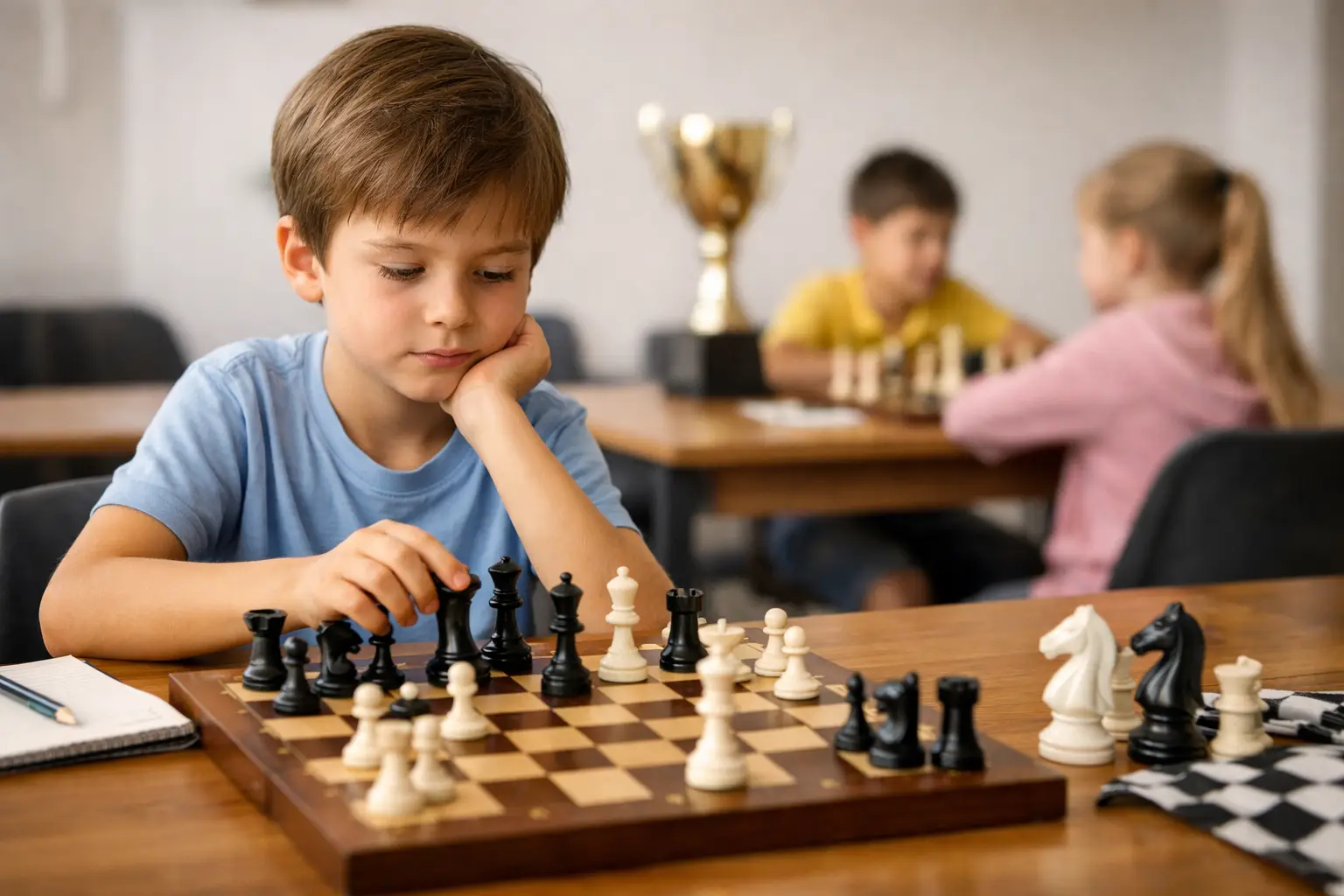
A child can know how every piece moves and still feel completely different when the clock starts, a parent is waiting outside the playing room, and the opponent is sitting across the board. Knowing how to prepare for chess tournament play is not just about studying more openings. It is about helping your child arrive rested, organized, calm, and ready to think one move at a time.
For young players, a tournament is a big learning moment. They get to test their skills, handle pressure, make decisions independently, and discover what to practice next. The goal is not to demand a perfect score. The goal is to help them play their best chess and leave wanting to improve.
Start Preparing a Week Before the Tournament
The final week is for sharpening familiar skills, not cramming complicated new ideas. A child who suddenly tries to memorize five new opening lines may feel more confused at the board, not more prepared. Keep practice focused on the patterns they already know and can use confidently.
A good weekly plan includes short, purposeful sessions. Review a few opening principles: control the center, develop pieces, castle early, and avoid moving the same piece repeatedly without a reason. Practice simple tactics such as forks, pins, skewers, and basic checkmate patterns. Then play a few slower practice games where your child has time to pause and think.
After each game, ask simple questions instead of immediately pointing out mistakes: “What was your plan?” “Was there a piece your opponent could attack?” “Did you look for checks, captures, and threats?” This builds the habit tournament players need most - thinking before moving.
If your child works with a coach, the week before an event is a great time to review their personal tournament priorities. For one player, that may mean using the clock more carefully. For another, it may mean remembering to castle. Clear, individual goals are far more useful than a long list of things to fix.
How to Prepare for a Chess Tournament Without Overtraining
More practice is not always better. Young players need enough repetition to feel ready, but they also need sleep, movement, and normal family time. An exhausted child may know the right move and still miss it because their focus is gone.
In the last two days before the event, keep chess light. Solve a few enjoyable puzzles, play one short training game, or review a favorite game they played well. Avoid turning every conversation into a chess lesson. Confidence grows when children feel supported, not watched.
It also helps to set a process goal rather than a result goal. “Try to win every game” puts a heavy burden on a child, especially at their first tournament. Better goals include taking a moment before each move, checking whether any pieces are hanging, using good sportsmanship, and recording moves if the tournament requires it.
A loss can still be a successful game if your child stayed focused, followed their thinking routine, and learned something useful. That is how strong tournament habits are built.
Make Sure You Understand the Event Format
Tournament logistics can feel confusing the first time, so read the event information early. Find out the start time, check-in process, location, number of rounds, time control, and whether players need a chess clock or a standard tournament set.
Many scholastic tournaments use a Swiss format. This means children are paired against opponents with similar scores as the day goes on. Losing an early game does not mean the day is over. Your child will continue playing and may have a very good next round.
Time control matters, too. A game with 10 minutes per player feels very different from a game with 30 minutes plus an increment. If your child has not used a clock before, practice at home with the same or a similar setting. They do not need to play fast. They need to learn that the clock is part of the game and that they should make thoughtful moves at a steady pace.
Parents should also prepare children for the playing-room rules. Usually, players must stay quiet, keep phones away, raise a hand if there is a problem, and avoid discussing a game while it is still in progress. These expectations are easier to follow when a child hears them calmly before tournament day.
Pack for a Smooth Game Day
A rushed morning can make a child nervous before Round 1 even begins. Pack the night before and leave extra time for traffic, parking, and check-in. If the organizer provides boards and clocks, your child may not need to bring equipment, but it is still wise to confirm.
A simple tournament bag should include:
- A water bottle and easy snacks, such as fruit, cheese, crackers, or a sandwich
- A light layer or sweater, since tournament rooms can be chilly
- Any required chess set, clock, pencils, scorebook, or notation sheets
- Hand sanitizer, tissues, and any necessary medications
Choose snacks that provide steady energy. A large amount of candy or a sugary drink may create a quick boost followed by a crash. Between rounds, encourage water, a snack, and a brief walk rather than nonstop blitz games on a phone.
Comfort matters, too. Children should wear clothes they can sit in for several hours. A tournament is not the day to break in stiff shoes or wear something distracting.
Give Your Child a Simple Thinking Routine
At a tournament, children do not need a complicated speech in their heads. They need a repeatable routine they can use when the board gets tense.
Before each move, teach them to stop and ask: What did my opponent’s last move change? Do I have any checks, captures, or threats? Is one of my pieces undefended? Then they can choose a move and make it with confidence.
This will not prevent every blunder. Even experienced players miss things. But it gives a young player a reliable reset button when they feel rushed or unsure.
It is also helpful to explain that a bad move is not the end of the game. Many children become upset after losing a queen or missing a tactic, then make several more quick mistakes. Encourage them to take a breath, look for the best move available now, and keep playing. Comebacks happen, and resilience is one of the most valuable lessons chess can teach.
What Parents Should Say Before and Between Rounds
Parents have a powerful role in tournament preparation, even if they do not play chess themselves. The best support is calm, practical, and focused on effort.
Before the first round, try: “Have fun, take your time, and use your thinking routine.” That message tells your child they are safe to compete without feeling that every result is being judged.
After a win, celebrate their effort without making the result the only thing that matters. Ask what they were proud of. After a loss, resist the urge to analyze immediately. Your child may be disappointed, tired, or simply hungry. Start with, “I love watching you compete. Do you want a snack or a quick break?”
Save deeper game analysis for later, when emotions are lower. If they can remember the key position, ask what they think happened. A coach can then help turn that moment into a clear lesson at the next session. At Savushkin Chess, this kind of review is part of helping children connect tournament experience to their next stage of progress.
After the Tournament, Keep the Momentum Positive
Whether your child earns a medal, scores half a point, or has a difficult day, end the event with something positive. A favorite lunch, a relaxed ride home, or simply recognition for showing up and competing can make a difference.
Within a day or two, review only one or two lessons. Maybe they needed to slow down in the opening. Maybe they handled the clock well but missed a fork. Maybe they showed excellent sportsmanship after a tough loss. Specific feedback gives children a path forward without making chess feel like a report card.
The strongest young players are not the ones who never lose. They are the ones who learn how to recover, stay curious, and come back to the board with a little more confidence than before.

Ready to see chess click for your child?
Book a free 20–30 minute trial lesson with one of our coaches — no commitment, no payment needed.


