
How Kids Chess Attention Span Grows With Practice
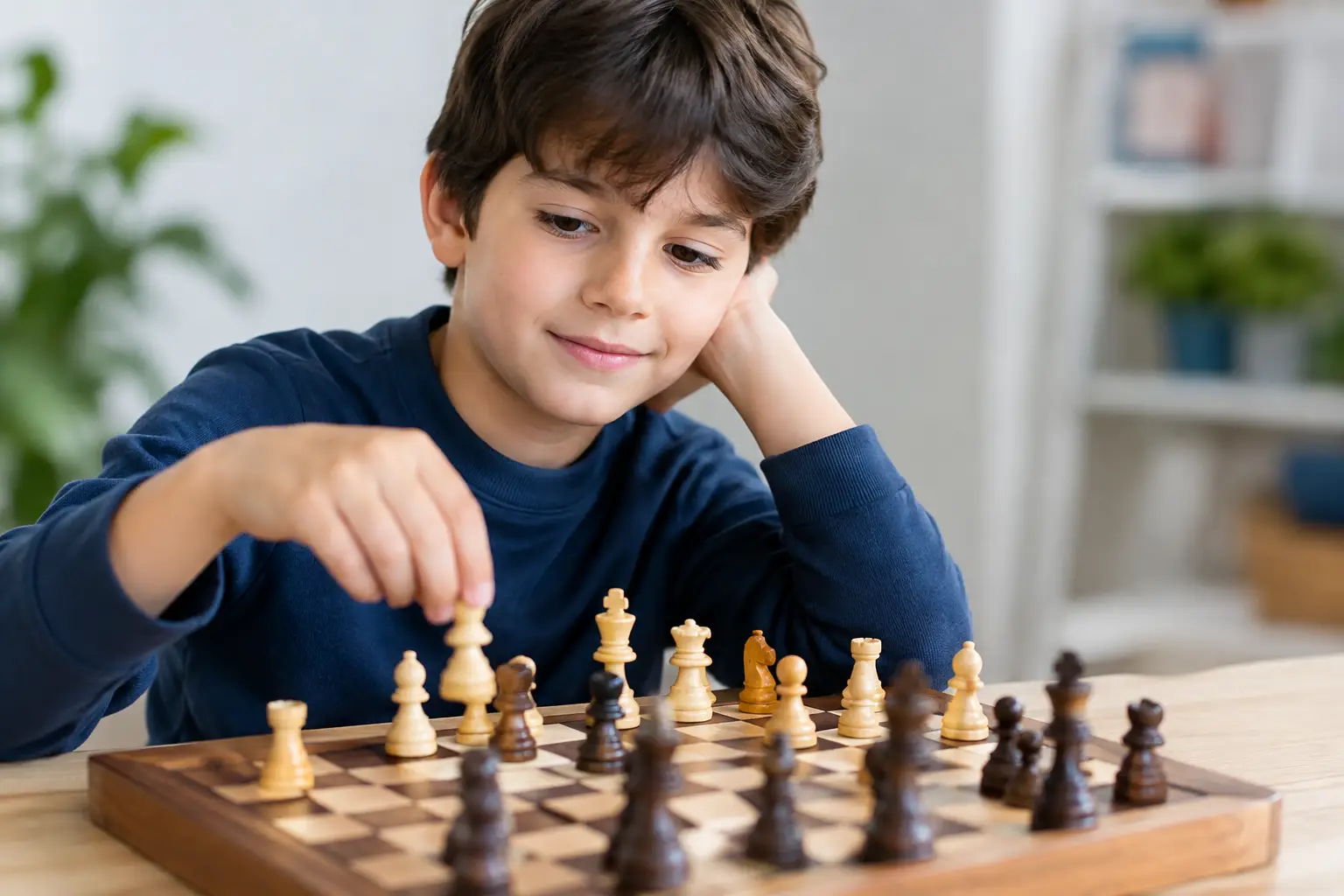
A child may spot a checkmate in one move, then look away while the opponent is still thinking. That is not a contradiction. Kids chess attention span is built in small, repeatable moments: waiting for a turn, noticing a threat, checking a move, and returning to the board after a mistake.
For parents, chess can be a genuinely useful way to practice focus because the feedback is immediate. A rushed move often has a visible consequence. A careful move may win material, avoid a trap, or create a plan. But chess is not a magic switch that makes every child focused in every setting. It works best when the game is taught at the right pace, with clear goals and enough encouragement to keep a child willing to try again.
Why chess asks children to pay attention
Chess gives attention a purpose. Instead of telling a child, “Focus,” the game gives them a question they can answer: What is my opponent attacking? Is my king safe? What changed after that move?
Each turn asks children to pause before acting. They must hold the board position in mind, follow a rule, and consider a result that will happen one or two moves later. For a young beginner, that might simply mean remembering that the bishop moves diagonally. For an experienced player, it can mean comparing several candidate moves and predicting an opponent’s strongest reply.
That progression matters. Attention grows when the challenge is demanding enough to be interesting but not so difficult that a child gives up. A child who is overwhelmed by every piece on the board is not practicing concentration effectively. They are trying to survive the game.
Chess rewards the pause
Many children naturally want to move as soon as they see something exciting - especially a capture or a check. A coach can turn that impulse into a dependable habit by using a short pre-move routine: look at the whole board, find checks and threats, then choose a move.
At first, this may take only ten seconds. Over time, the routine becomes more automatic. The goal is not to make a child slow for the sake of being slow. It is to help them recognize that a thoughtful pause often leads to a better decision.
What a realistic kids chess attention span looks like
Parents sometimes worry when a child cannot sit through a full game immediately. That is normal. Chess attention is not measured only by whether a child stays perfectly still or plays a long tournament game without a break.
A more useful question is: Can your child return to the task after distraction, use one coaching cue, and stay engaged a little longer than before? Progress might look like finishing a ten-minute puzzle session, checking whether a piece is defended before moving, or recovering after losing a queen instead of quitting the game.
Age, temperament, sleep, school demands, and interest all affect focus. A four- or five-year-old may do best with short games, visual activities, and frequent changes of pace. An older child may be ready for a longer lesson but still need clear milestones. Even tournament-minded players can lose concentration when a position becomes frustrating or unfamiliar.
That is why lesson length should fit the child, not just the calendar. A productive 30-minute session can be far more valuable than an hour spent restless and discouraged. As stamina and confidence improve, longer sessions and more complex games can make sense.
How to build attention through chess without making it feel like homework
The fastest way to lose a child’s interest is to turn every chess game into a lecture. Children need correction, but they also need momentum, wins they can understand, and room to make choices.
Start with one focus goal per game
Before a game, choose one simple target. For a beginner, it might be, “Before every move, check if your king is in danger.” For a child who rushes captures, try, “Ask what the other piece can take back.”
One goal is memorable. Five goals usually become noise. After the game, revisit that same goal with one specific example from the board. This helps children connect attention to an outcome instead of hearing vague reminders to concentrate.
Use short positions, not only full games
A full chess game can be a lot to process, especially for new players. Short puzzles and mini-games reduce the mental load while keeping the lesson active. A child can practice finding a checkmate in one, winning a hanging piece, or defending against a simple threat in just a few minutes.
These quick successes build pattern recognition. When children recognize a familiar idea, they spend less energy searching randomly and more energy thinking clearly. Later, those patterns help them stay organized during longer games.
Make review encouraging and specific
After a loss, avoid asking, “Why weren’t you paying attention?” That question can make a child feel blamed rather than coached. Instead, point to the moment that mattered: “You saw the check, but we missed that the knight was defending the queen. What could we check next time?”
This approach teaches responsibility without shame. It also shows children that attention is a skill they can improve, not a trait they either have or do not have.
The role of a coach in attention development
A good chess coach does more than explain openings and tactics. They notice when a child is guessing, when they are stuck, and when the lesson needs a change of pace. In a live lesson, a coach can ask a child to explain their thinking, then guide them back to the board with a clear next question.
Personalized instruction is especially useful when attention challenges show up in different ways. One child may talk constantly but still understand the position. Another may become quiet and avoid making decisions. A third may play too quickly because they fear being wrong. Each child needs a slightly different approach.
At Savushkin Chess, structured live lessons are designed to meet children where they are, from first moves through tournament preparation. The strongest progress usually comes from consistent coaching, a clear learning plan, and lessons that feel achievable rather than intimidating.
How parents can support focus between lessons
You do not need to become your child’s chess coach. In fact, many families get better results by keeping home practice simple and positive. Set aside a predictable time once or twice a week for a short game, a puzzle, or a review of one lesson idea.
Create a low-distraction setup when possible. Put away unrelated screens, keep snacks and toys off the board, and agree on a natural stopping point before beginning. For younger children, “two mini-games” may be a better plan than “play until someone wins.”
It also helps to praise the process you want repeated. Say, “I liked how you stopped to look for my threat,” even if the move was not perfect. This tells your child that careful thinking counts. Winning feels great, but a child who only receives praise for winning may start rushing or avoiding difficult opponents.
When a child is tired, upset, or clearly done, it is okay to stop. Pushing through every difficult moment does not automatically build discipline. Sometimes the better lesson is ending calmly, naming what went well, and returning with fresh energy next time.
When chess may not be the right focus tool
Chess is helpful for many children, but it is not the best fit for every child at every moment. Some children need more movement built into learning. Others may have attention, sensory, or emotional needs that deserve support beyond a chess lesson. Chess coaching should complement professional guidance when needed, not replace it.
There are also days when a child simply needs a lighter activity. The aim is steady growth, not perfect concentration. If chess becomes a daily conflict, reduce the pressure, shorten the sessions, or return to playful games that rebuild confidence.
A child does not need to sit silently for an hour to become a focused chess player. They need repeated chances to notice, pause, decide, and learn from what happens next. Give them a board, a manageable challenge, and patient encouragement, and those small moments of attention can begin to add up.

Ready to see chess click for your child?
Book a free 20–30 minute trial lesson with one of our coaches — no commitment, no payment needed.


