One on One Online Chess Coaching for Kids
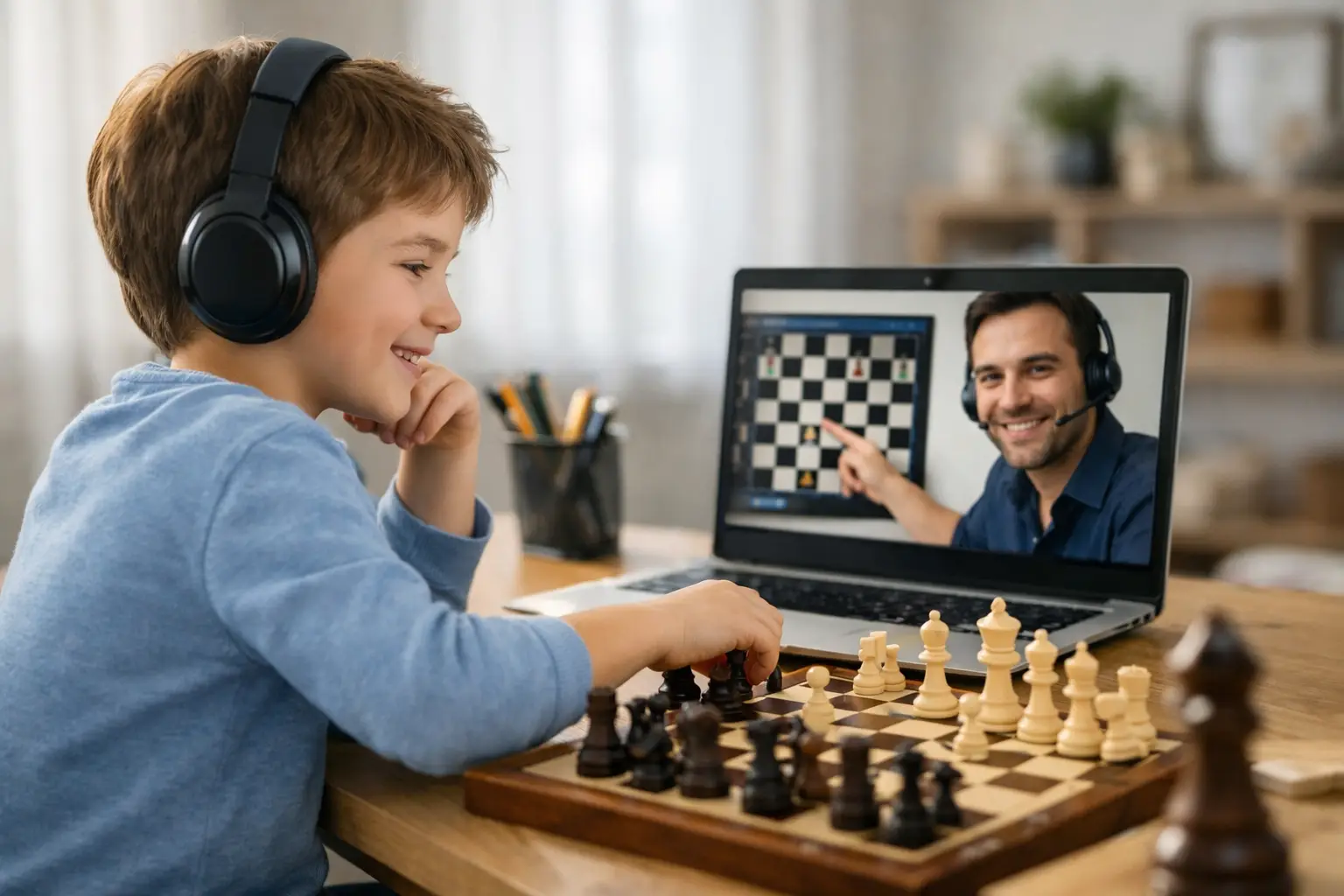
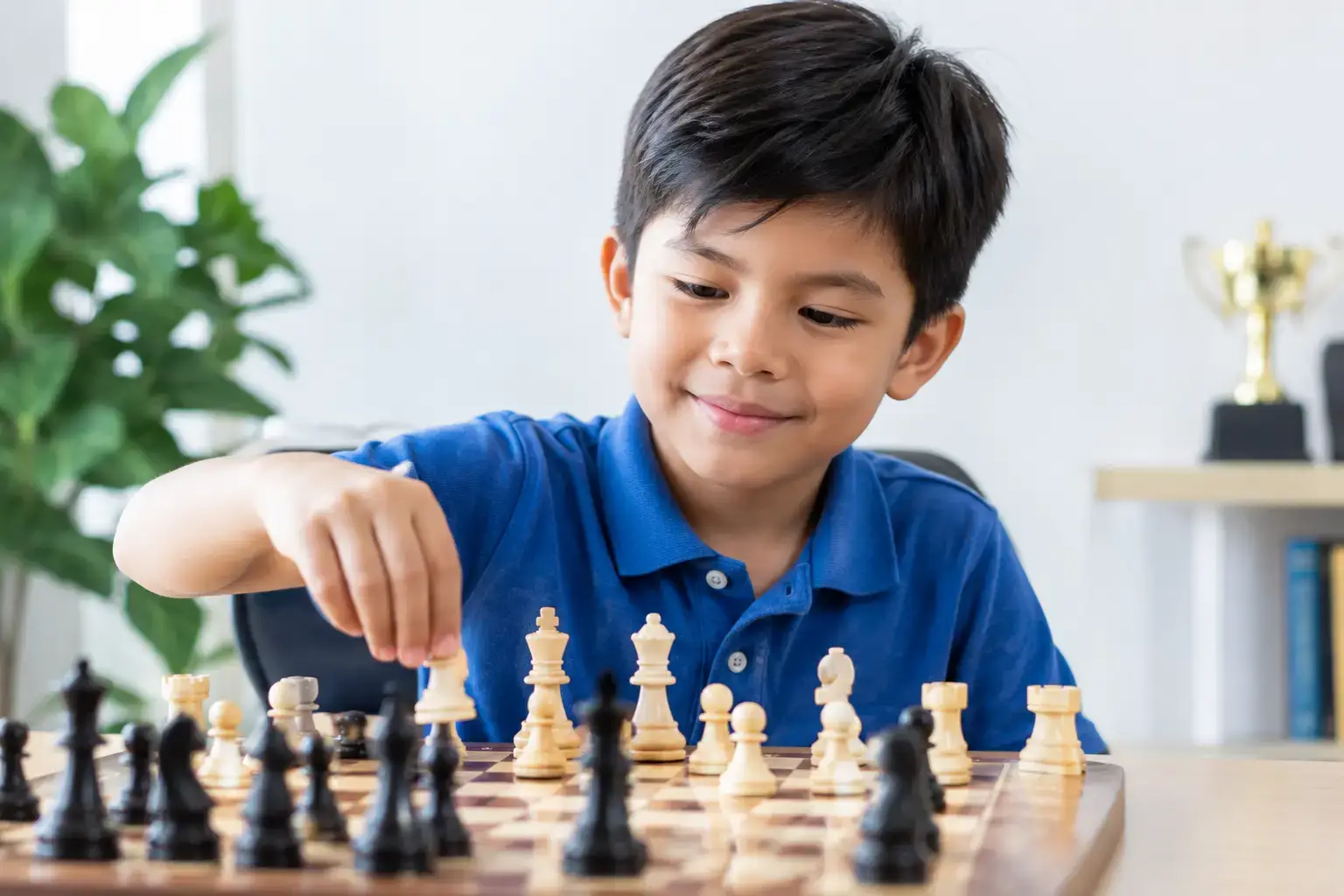
A child who loves puzzles can lose interest in chess fast if every lesson feels too hard, too slow, or too generic. That is why one on one online chess coaching for kids works so well. It gives each child the right pace, the right coach support, and a plan that fits how they actually learn.
For parents, that matters. Chess is not just about moving pieces correctly. It is about helping a child learn how to focus, think ahead, recover from mistakes, and enjoy steady progress. When lessons are personalized, those benefits show up much faster and with a lot less frustration.
Why one on one online chess coaching for kids stands out
In a group setting, even a strong coach has to split attention across several students. That can be great for social learning, but it also creates limits. One child may already know the basics while another is still learning how each piece moves. One is eager to attack, another freezes under pressure, and a third gets distracted halfway through the lesson.
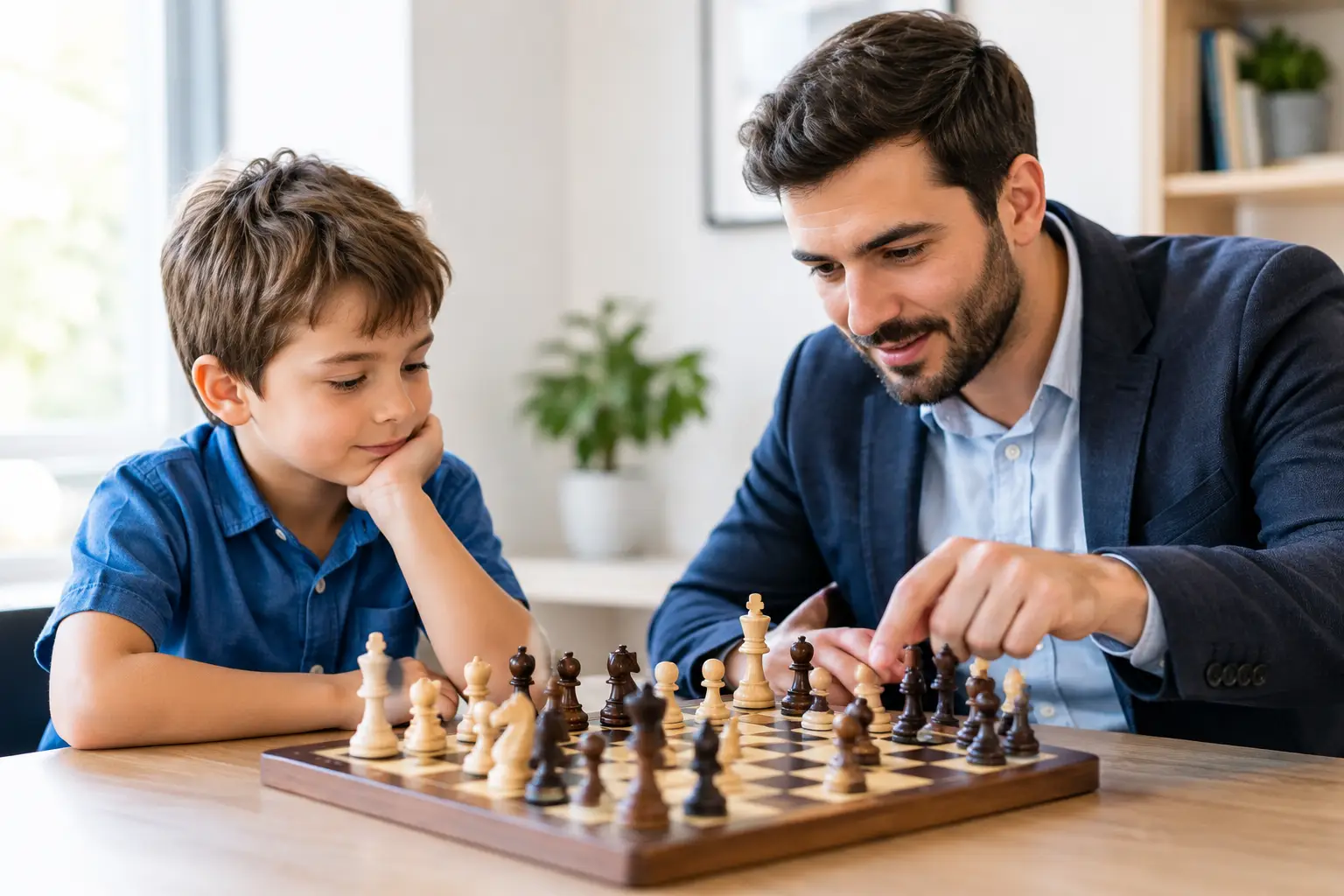
Private coaching changes that completely. The coach can see exactly where a child is struggling and adjust on the spot. If a beginner needs extra time with checkmate patterns, the lesson can stay there. If a more advanced player is ready for opening ideas, calculation practice, or tournament prep, the coach can move forward without waiting for the rest of a class.
That kind of attention is especially helpful for kids ages 4 to 16 because development varies so much. A seven-year-old beginner and a twelve-year-old tournament player do not need the same lesson structure, even if both are smart and motivated. Personalized coaching respects that difference instead of forcing every student into the same track.
The biggest benefits parents actually notice
Parents usually ask about rating improvement or tournament results first, and that makes sense. But the early wins often show up in everyday behavior before they show up on a score sheet.
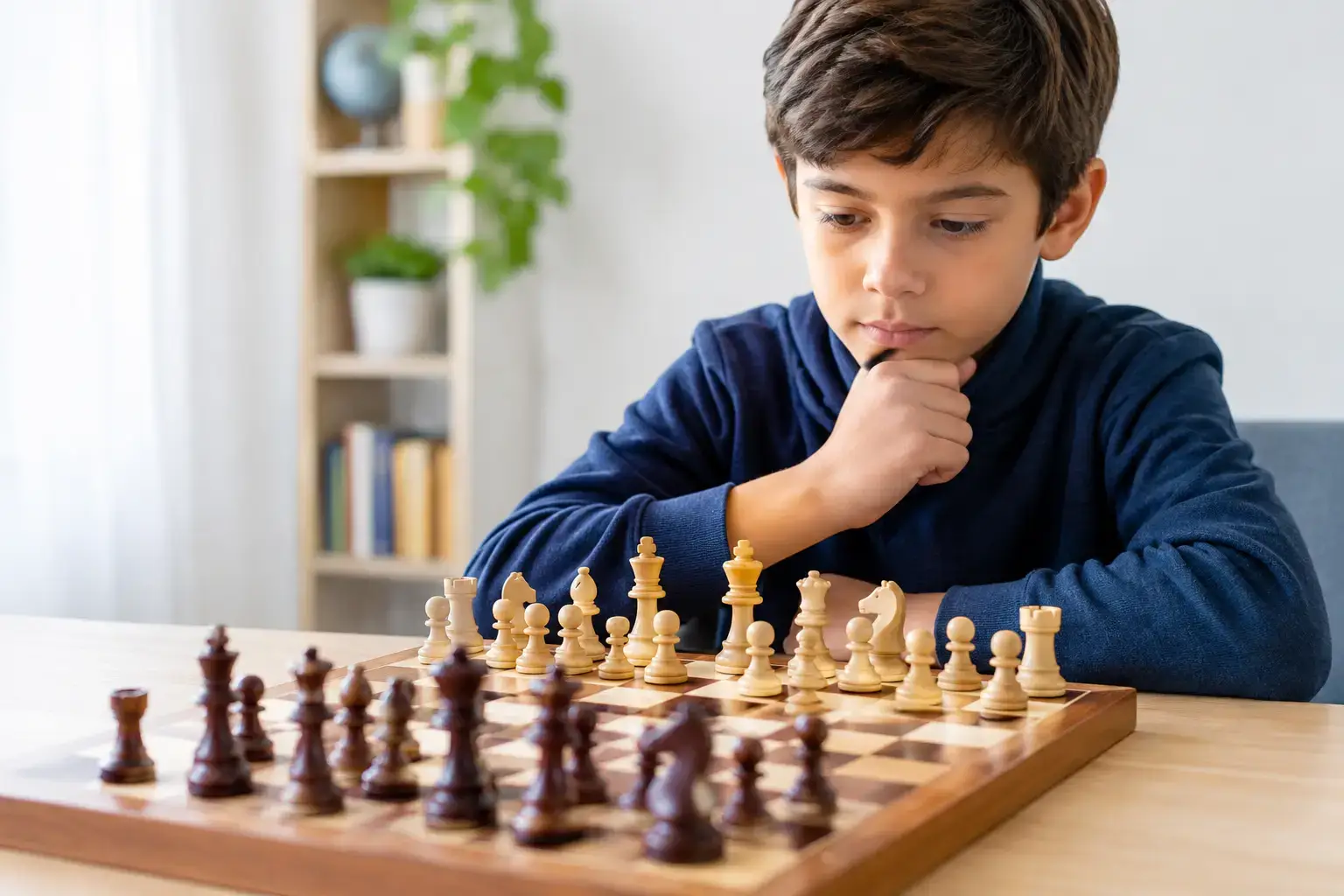
A child in private chess lessons often becomes more patient during problem solving. They start checking their work instead of rushing. They get more comfortable hearing feedback because the lesson environment is supportive, direct, and focused on growth. When a coach is skilled with children, the student learns that mistakes are not failures. They are part of the training.
Confidence is another major benefit. In a one-on-one lesson, kids are not comparing themselves to classmates. They are building skill step by step, with a coach who knows exactly what they can do today and what they are ready to learn next. That creates momentum.
The online format also helps many families stick with lessons longer. There is no commute, no scramble after school, and no need to rearrange the whole evening around an activity. For busy parents, convenience is not a small detail. It is often the reason a good activity becomes a lasting one.
What a strong online chess lesson looks like
Not all private instruction is equal. A good one-on-one chess lesson for kids should feel structured, engaging, and age-appropriate from the first few minutes.
For younger children, that usually means shorter explanations, lots of interaction, and regular practice through guided play. For older students, lessons may include deeper analysis, tactical calculation, notation, opening principles, and post-game review. In both cases, the best sessions are active. The child is not just watching a coach talk. They are solving, responding, playing, and thinking out loud.
A quality coach also builds progression into the process. That means each lesson connects to a larger plan. Instead of random tips from week to week, the student works through a learning path that covers core fundamentals, pattern recognition, strategy, and real game application.
That structure matters because chess improvement can feel uneven. Kids often learn one concept quickly and then need time to apply it in real games. A thoughtful coach knows when to push, when to review, and when to slow down so understanding becomes consistent performance.
How kids improve faster with personalized coaching
The main reason children improve faster in private lessons is simple: less wasted time. A coach can spot weak points immediately and address them before they become habits.
If a student keeps hanging pieces, the lesson can focus on board vision and blunder-check routines. If they get strong positions but do not know how to finish the game, the coach can work on conversion and basic endgames. If nerves affect tournament performance, preparation can include practical decision-making under time pressure.
This is where one on one online chess coaching for kids becomes more than just tutoring. It becomes targeted development. The child is not only learning chess concepts. They are learning how to use those concepts in the situations that actually come up in their own games.
That said, private coaching is not magic by itself. Progress still depends on consistency, coach quality, and the child’s willingness to participate. Some students thrive with one lesson a week plus practice games. Others need a little more repetition or a shorter lesson format to stay engaged. The best setup depends on age, attention span, current level, and family schedule.
What parents should look for in a coach
The strongest chess coaches for kids are not just good players. They are good teachers.
That sounds obvious, but it is a real difference. A coach may have an impressive competitive background and still struggle to teach a beginner in a way that feels clear and encouraging. Children need instruction that is organized, patient, and responsive. They also need a coach who can make lessons enjoyable without turning them into pure entertainment.
Parents should look for a few signs. First, the coach should be able to explain how lessons are tailored to the child’s age and level. Second, there should be a clear sense of progression rather than vague promises. Third, communication with parents should be straightforward. You should know what your child is learning, where they are improving, and what the next steps are.
A trial lesson can reveal a lot. You can often tell quickly whether a coach knows how to connect with your child, keep their attention, and challenge them in the right way. That first session should feel welcoming, but it should also feel purposeful.
Is online coaching right for every child?
Usually, yes, but the format works best when it matches the child’s temperament and needs.
Many kids do surprisingly well online because chess naturally fits the screen. Boards are easy to share, positions are easy to highlight, and game review can be very clear in a digital setting. For children who are already comfortable learning online, it often feels natural almost immediately.
Still, there are trade-offs. Very young children may need shorter sessions and more parent support at the beginning. Some students who are highly social may still benefit from occasional group play or tournaments in addition to private lessons. And kids who are already advanced might need a coach who can go beyond basic instruction and prepare them for stronger competition.
That is why flexibility matters. The right lesson length, the right teacher, and the right progression plan can make all the difference. Many families start with a trial because it gives them straight answers without pressure.
From first lesson to tournament readiness
One of the most encouraging parts of private chess coaching is seeing how quickly a child can move from curiosity to real competence. A beginner can start by learning piece movement and basic checkmates, then grow into tactical thinking, opening ideas, and full-game analysis. A more experienced student can sharpen strategy, improve consistency, and prepare for competitive play with far more intention.
That path is easier when the coaching model is built around kids rather than adapted from adult instruction. At Savushkin Chess, that child-centered approach is a big part of what makes lessons effective. Students get structure, personal attention, and coaches who know how to balance results with encouragement.
Parents do not need flashy promises. They need a program that is clear, supportive, and built to help their child keep moving forward. That is what good private coaching offers.
If your child is excited about chess or simply needs the right teacher to become excited about it, personalized lessons can be a smart next step. The right coach does more than teach the game. They help a child enjoy improving at something that rewards patience, effort, and smart thinking.

Ready to see chess click for your child?
Book a free 20–30 minute trial lesson with one of our coaches — no commitment, no payment needed.