Online Beginner Chess Lessons for Kids
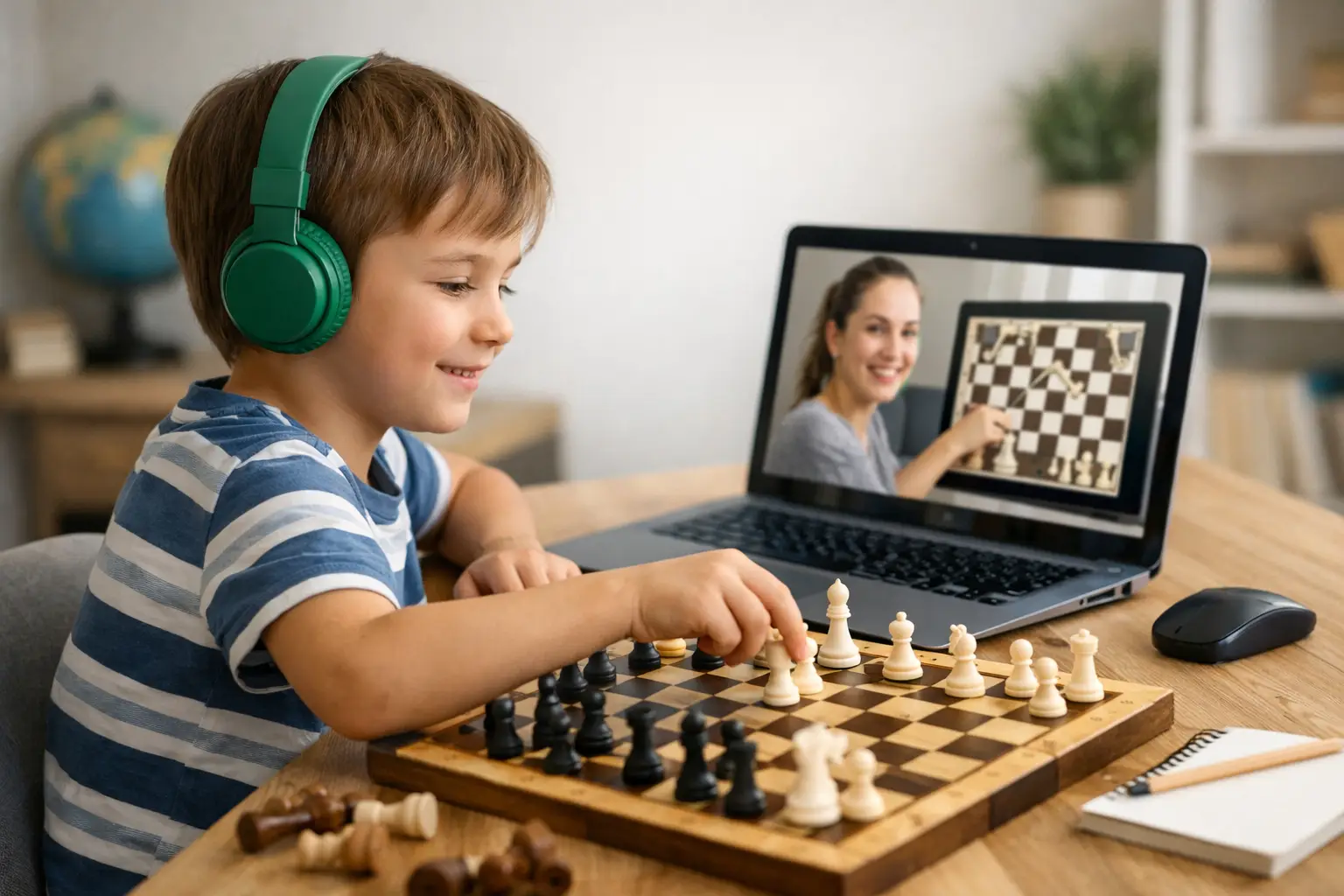
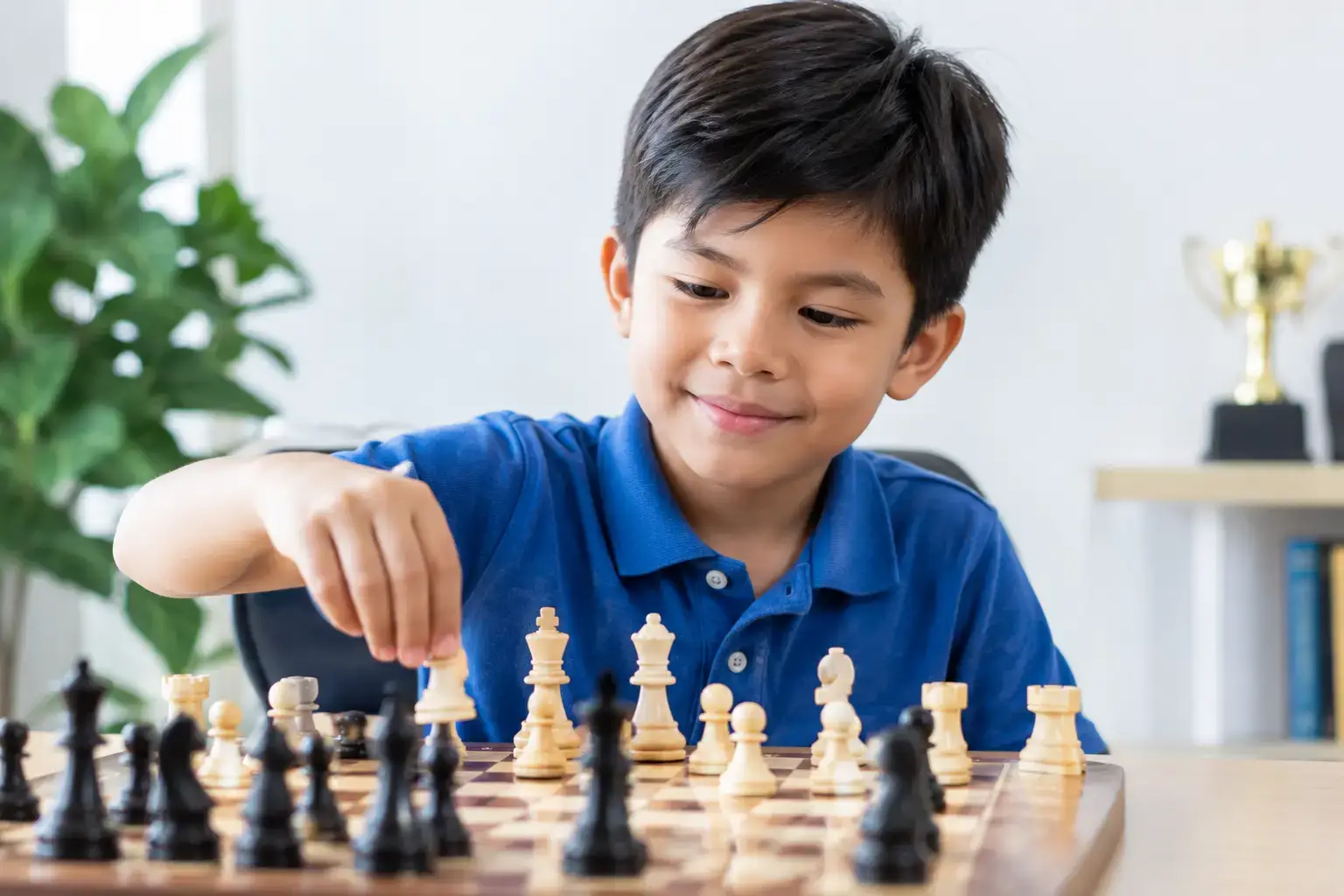
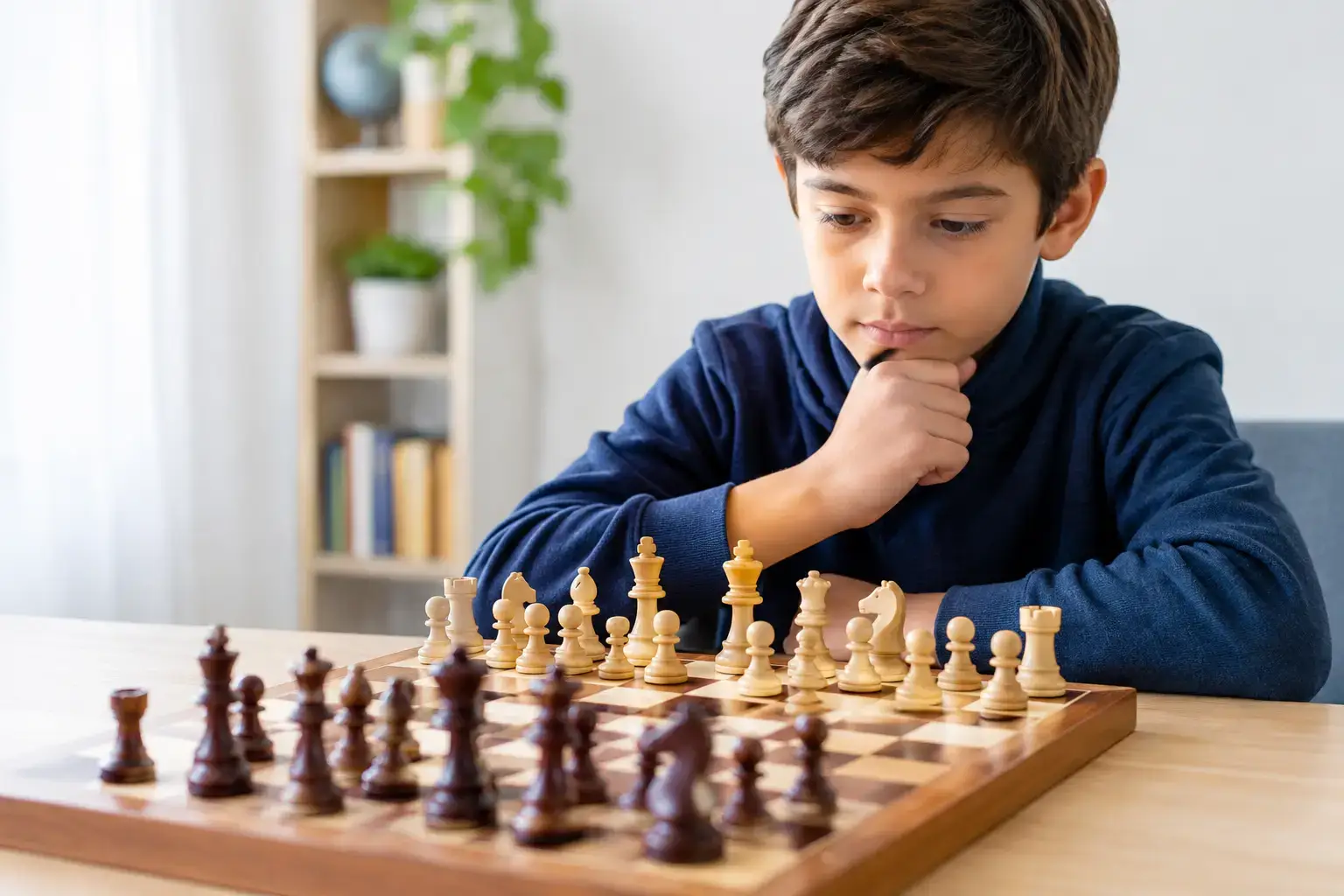
If your child is curious about chess but still mixes up how the knight moves, that is not a problem - it is the starting line. Online beginner chess lessons for kids work best when they meet children exactly where they are, then guide them forward with structure, patience, and plenty of wins along the way.
For parents, the challenge is not whether chess is valuable. Most already know it can help with focus, planning, patience, and confidence. The real question is simpler: what kind of lesson actually helps a beginner child stick with it, enjoy it, and improve?
What online beginner chess lessons for kids should actually teach
A true beginner program is not just a few piece-movement explanations on a screen. Good teaching starts with the basics, but it does not stop there. Children need to understand how the board works, how each piece moves, what check and checkmate mean, and how to spot simple threats. Just as important, they need to start playing real positions quickly enough that chess feels alive rather than overly theoretical.
That balance matters. If lessons move too slowly, kids get bored. If they move too fast, they memorize ideas without understanding them. The strongest beginner lessons give children a clear path: learn the rules, recognize patterns, practice simple tactics, and begin making decisions in real games.
For younger students, especially ages 4 to 7, teaching has to be visual, interactive, and upbeat. For older beginners, a coach can usually move more directly into planning, calculation, and early game habits. The age of the child changes the pace, but the goal stays the same: build understanding that holds up in play.
Why live instruction often beats self-paced apps
Apps can be helpful for extra practice. They are convenient, colorful, and easy to start. But for many beginners, especially kids, self-paced tools only go so far.
A child may solve puzzles in an app and still freeze in an actual game. They may know the names of the pieces but not understand why they keep losing their queen. They may also develop bad habits that go unnoticed because nobody is there to correct them in real time.
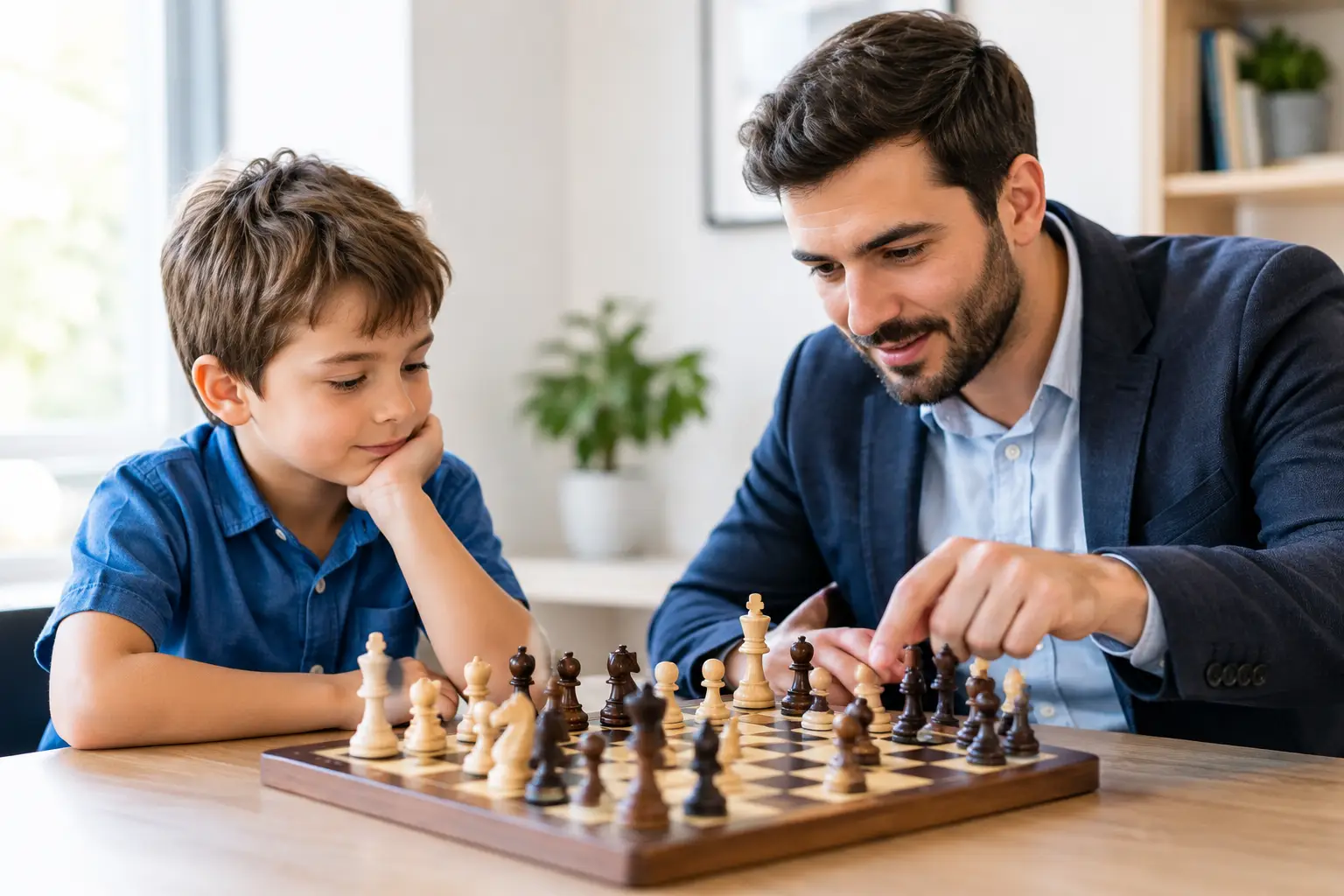
Live online lessons change that. A coach can spot confusion immediately, explain an idea in a way that fits the child, and keep the lesson moving when attention starts to drift. That feedback loop is where real progress happens.
There is also an accountability factor. Children are much more likely to stay engaged when a real teacher knows their name, tracks their progress, and celebrates improvement. For many families, that is the difference between a short-lived interest and a skill that actually grows.
What parents should look for in a beginner chess program
Not every online chess class is built for children, and not every child-friendly class is structured well enough to produce results. The best fit usually comes down to teaching quality, lesson design, and communication.
A strong beginner program should feel organized from the start. That means the coach assesses the child’s level instead of guessing, sets age-appropriate goals, and builds lessons in a sequence that makes sense. Beginners do better when concepts are introduced one step at a time, then revisited through guided practice and game play.
Parents should also look for signs that instruction is genuinely kid-centered. A great chess coach for adults is not automatically a great chess coach for children. Kids need encouragement, pacing, and explanation that fits their age and temperament. Some children are bold and impulsive. Others are careful but hesitant. Good coaching responds to that difference.
Communication matters too. Parents do not need a lecture after every class, but they should understand what their child is learning, where progress is happening, and what comes next. Trust builds quickly when expectations are clear and there is no mystery around the process.
The biggest beginner mistake: too much information at once
Many new chess students struggle not because chess is too hard, but because the teaching tries to cover too much too early. Openings, tactics, endgames, strategy, notation, tournament rules - all of that matters eventually. A beginner does not need all of it in week one.
The first stage should be simpler and more practical. Children need to learn how to protect pieces, notice attacks, develop pieces sensibly, and avoid one-move blunders. They need repetition, not overload.
This is where structured coaching makes a real difference. Instead of flooding the child with random chess facts, a good coach focuses on what will help them play better now. That creates confidence, and confidence keeps beginners engaged.
How progress should look in the first few months
Parents sometimes expect dramatic improvement overnight, especially if their child seems excited after the first lesson. Enthusiasm is a great sign, but skill still builds step by step.
In the early weeks, progress usually looks like cleaner fundamentals. The child stops making illegal moves, starts recognizing checks faster, and understands the value of protecting pieces. Soon after, you may notice better board awareness. They begin spotting forks, noticing hanging pieces, and thinking before moving.
Then comes a more meaningful shift: the child starts playing with intention. They may not have advanced strategy yet, but they understand simple plans. Develop pieces. Castle early. Watch for threats. Look for captures. That is the stage where beginner lessons start turning into real chess development.
Some children move quickly into casual online games or beginner tournaments. Others need more time. It depends on age, maturity, and practice habits. The right program respects that without lowering standards.
Online beginner chess lessons for kids and family schedules
One reason online instruction works so well for families is that it removes a lot of friction. There is no commute, no waiting room, and no need to give up an entire evening for one activity. That convenience is not just nice to have. It makes consistency more realistic.
Consistency is one of the biggest factors in beginner success. A child who has focused lessons every week with a clear coach-led plan will usually outperform a child who learns in bursts, even if both are equally bright. Small, steady progress adds up fast in chess.
Lesson length matters here too. Younger beginners often do best with shorter sessions that keep energy high. Older children may benefit from longer lessons that allow more time for play analysis and deeper explanation. There is no single perfect format for every family. What matters is choosing a schedule your child can sustain without turning chess into another stressful obligation.
When one-on-one lessons make the most sense
Group classes can be a fun introduction, and they can work well for some beginners. But one-on-one instruction has clear advantages when the goal is faster, more personalized progress.
A private coach can adjust instantly to the child’s pace, revisit confusion without holding up a class, and build lessons around the student’s strengths and weaknesses. If a child loses focus easily, gets frustrated after mistakes, or needs a confidence boost, individual attention can be especially valuable.
This is also the better path for children who want visible improvement, not just exposure. At Savushkin Chess, that is why personalized instruction is such a central part of the learning model. It gives beginners a clearer track from first moves to real game readiness.
What a good first lesson should feel like
The first lesson should be welcoming, focused, and easy to follow. A child should leave feeling challenged but not overwhelmed. Parents should leave with a clear sense of what the coach noticed and what the next steps are.
That first session is not about proving talent. It is about finding the right entry point. Some children arrive knowing almost nothing. Others already play casually and need help turning instinct into skill. A useful assessment catches that difference early so the lessons start in the right place.
The best first lessons also build momentum. When a child finishes class excited to show a tactic, replay a position, or try another game, that is a strong sign the teaching approach is working.
Chess is one of those rare activities that can be both serious and joyful. Kids can learn discipline while still having fun. They can make mistakes, fix them, and come back stronger the next week. That is why the best beginner lessons do more than teach the rules - they help children feel capable, curious, and ready for the next challenge.

Ready to see chess click for your child?
Book a free 20–30 minute trial lesson with one of our coaches — no commitment, no payment needed.