Online Chess Strategy Classes for Kids
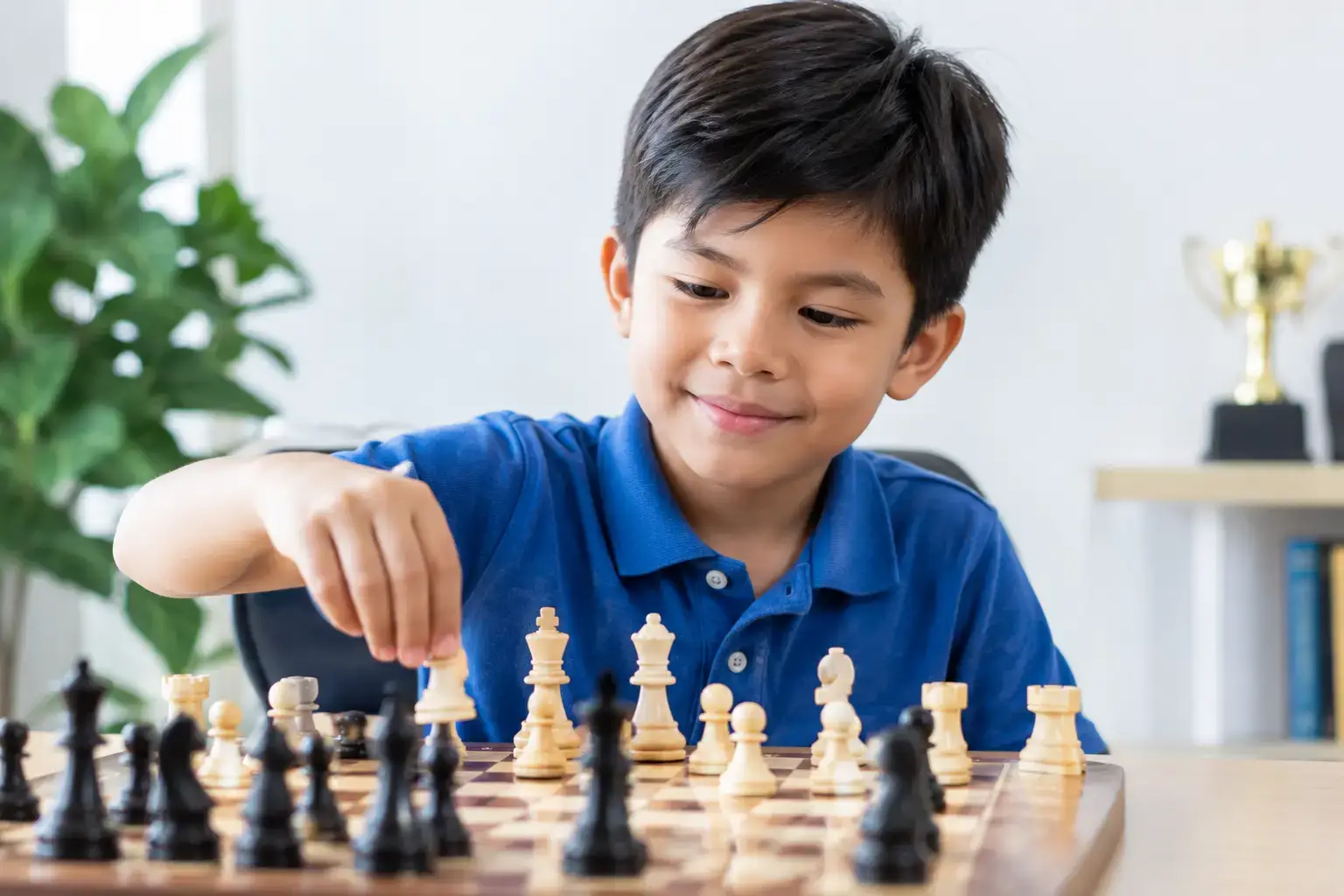
Some kids love chess the moment they learn how the pieces move. Others need a little more time before the game starts to click. That is exactly why online chess strategy classes for kids can make such a big difference. When lessons are taught live, at the right level, and with a coach who knows how to keep children engaged, chess becomes more than a screen activity - it becomes a skill-building habit.
For parents, the real question is not whether chess is good for kids. Most already know it can help with focus, patience, and decision-making. The better question is whether an online class will actually teach strategy in a way a child can understand, enjoy, and use in real games. That depends less on the format itself and more on how the class is designed.
What makes online chess strategy classes for kids work?
A strong class does more than explain openings or show a few puzzles. It gives children a clear path. Beginners need structure. Intermediate players need correction. Advanced kids need practical strategy they can test in competition. If those needs get mixed together without a plan, progress slows down fast.
The best online classes keep things simple and purposeful. A coach might spend one lesson on piece activity, another on basic tactics, then move into planning, endgames, and tournament decision-making. That step-by-step progression matters because children do better when each new idea builds on something they already know.
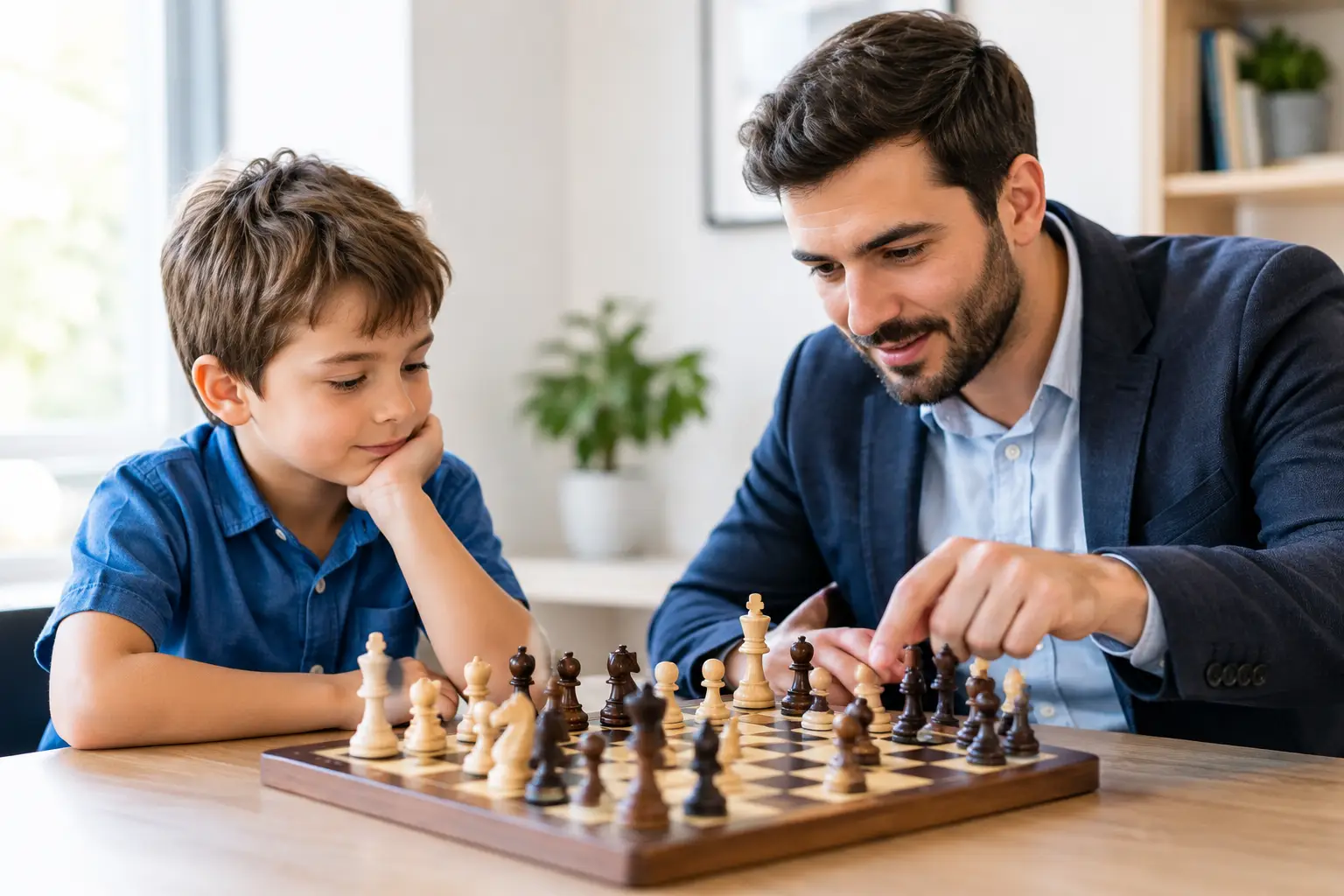
Live instruction also changes the experience. Recorded videos can be useful for review, but they cannot respond when a child is confused, distracted, or ready for more challenge. In a live class, a coach can pause, ask questions, check understanding, and adjust the lesson on the spot. For younger kids especially, that interaction often determines whether they stay engaged.
Why strategy matters more than memorization
Many children start chess by memorizing moves. That is normal. They learn how the knight moves, how to castle, maybe a short opening sequence. But strategy is what helps them make good choices after the memorized part ends.
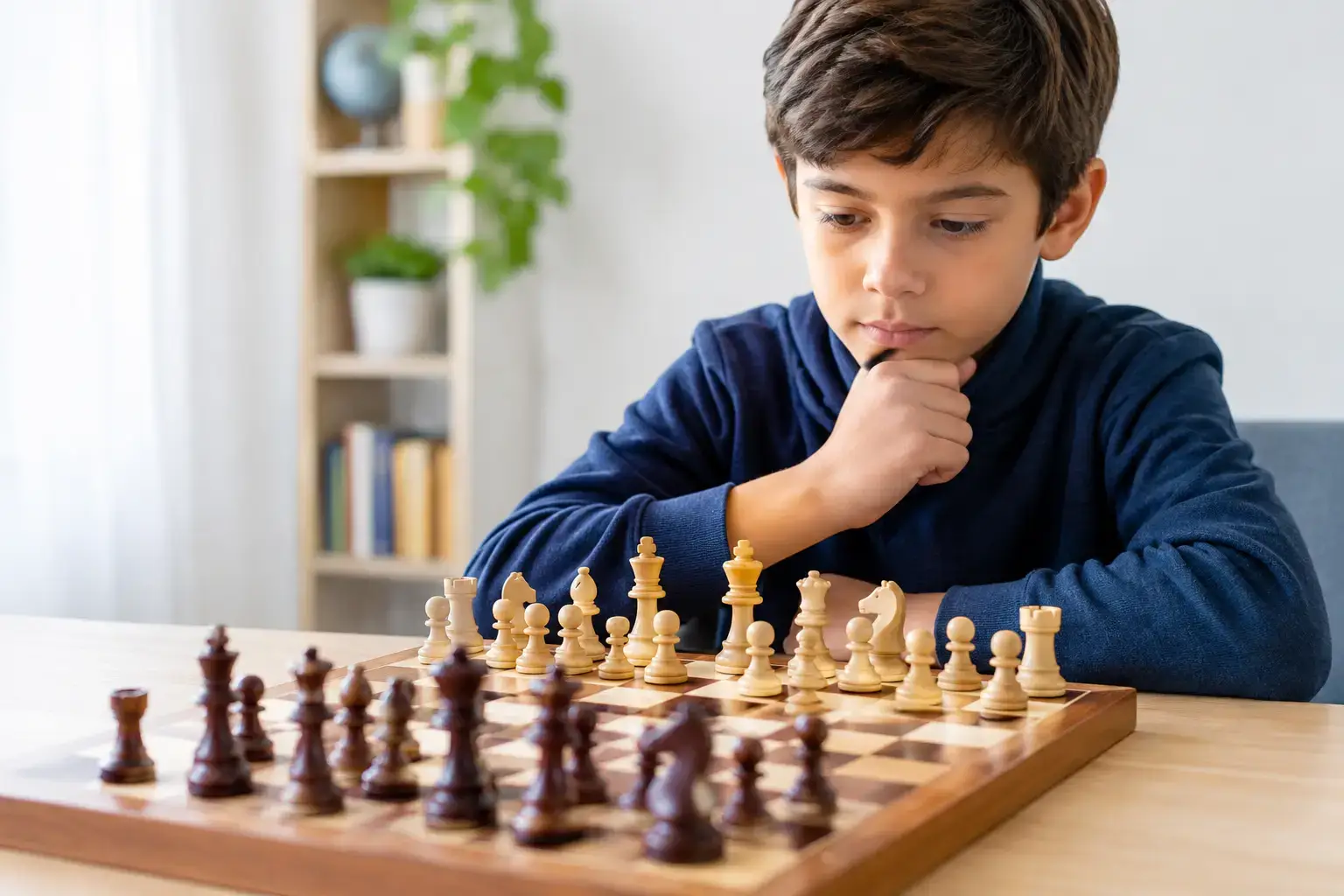
A child who understands strategy starts asking better questions. Which piece is doing nothing right now? Who controls the center? Should I trade or keep pieces on the board? Is my king safe enough to attack? Those are the habits that turn random moves into thoughtful play.
This is also where many parents see a difference between casual chess exposure and serious instruction. A child may know the rules for months and still struggle to improve because nobody has shown them how to think through a position. Good strategy classes teach that process in a way kids can repeat.
There is a trade-off, though. If strategy lessons are too abstract, children tune out. If they are too shallow, kids stay stuck playing move-by-move without a plan. The right coach finds the middle ground - concrete examples, age-appropriate explanations, and plenty of chances to practice.
What parents should look for in online chess strategy classes for kids
Not every program that says it teaches strategy actually does. Some classes are little more than supervised play. Others are so advanced that younger students feel lost after ten minutes. A good fit usually comes down to four things: level placement, teaching style, lesson structure, and communication.
Level placement matters because kids learn faster when they are challenged but not overwhelmed. A complete beginner should not be dropped into a lesson designed for tournament players. At the same time, a child who already competes needs more than basic checkmates and rules review.
Teaching style matters just as much. Children respond to coaches who are patient, energetic, and clear. Strong coaches know when to explain, when to ask, and when to let a student find the answer. They can keep a six-year-old focused without making the lesson feel forced, and they can push a serious twelve-year-old without draining the fun out of the game.
Lesson structure is where real progress shows up. Parents should be able to see that lessons are building somewhere. That might mean moving from fundamentals into tactical themes, then into positional planning, game analysis, and tournament preparation. Without that progression, kids can stay busy without getting better.
Communication is often overlooked, but it matters. Parents do not need a full coaching report after every class, yet they should understand what their child is learning, where the strengths are, and what comes next. That clarity builds trust and helps families stay consistent.
How live online lessons fit real family life
One reason families choose online chess is simple: it works with modern schedules. There is no commute, no need to rush across town after school, and no lost time in a waiting room. A child can log in, learn with a coach, and get back to homework, dinner, or soccer practice.
That convenience only helps if the lesson quality stays high. Fortunately, chess is one of the subjects that adapts especially well to online teaching. Coaches can share boards, review positions, analyze mistakes, and play training games in real time. In many cases, online instruction is not a compromise at all. It can actually be more efficient.
For parents with younger children, shorter sessions often work best at first. Thirty minutes can be enough to build momentum without causing fatigue. Older or more experienced players may benefit from 45- or 60-minute lessons, especially when they are analyzing full games or preparing for tournaments. It depends on the child, not just the curriculum.
The difference between fun and real progress
Kids should enjoy chess. That part matters. If lessons feel dry or stressful, many children will quit before they ever reach the rewarding stage where strategy starts making sense. But fun alone is not enough.
The strongest programs combine engagement with visible progress. A child should feel proud of learning a new idea, spotting a tactic, or playing a more thoughtful game than last week. Those small wins build confidence. Over time, that confidence can turn into a genuine love for improvement.
This is where personalized coaching stands out. Some children need repetition. Others are ready to move quickly. Some are motivated by puzzles and challenge. Others need encouragement and a slower pace. A child-centered approach respects those differences while still keeping standards high.
At Savushkin Chess, that balance is a big part of the model: clear progression, live coaching, and lessons that meet children where they are while steadily moving them forward.
When kids are ready for competition
Not every child who takes chess lessons wants to play tournaments, and that is perfectly fine. Chess can be a valuable enrichment activity on its own. But for kids who do want to compete, strategy classes become even more important.
Tournament games ask more from a player than casual games do. Children need opening understanding, not just memorized moves. They need time management, emotional control after mistakes, and the ability to make a plan in unfamiliar positions. Those skills are teachable, but they usually do not develop by accident.
A good online program helps children transition into competition gradually. That might mean analyzing practice games, learning how to record moves, reviewing common tournament situations, and building resilience after losses. Parents often appreciate this stage because it gives their child a clear sense of direction.
Signs a class is the right fit
You usually do not need months to tell whether a class is working. Within a short period, parents can often see meaningful signs. Their child is more willing to think before moving. They can explain simple strategic ideas in their own words. They look forward to lessons. They recover from losses more calmly. They start playing with purpose instead of just reacting.
Progress will not always be perfectly linear. Kids can have great weeks and then frustrating ones. That is normal in chess. What matters is whether the overall trend is moving forward and whether the instruction feels supportive, structured, and clear.
For families considering a first lesson, a trial or assessment can be especially helpful. It gives the coach a chance to evaluate level and learning style, and it gives parents a chance to see whether the teaching approach feels right - no guesswork, no fine print, just a clearer starting point.
Chess has a way of rewarding steady effort. The right online class does not just teach a child how to win more games. It teaches them how to slow down, think ahead, and keep improving one smart decision at a time.

Ready to see chess click for your child?
Book a free 20–30 minute trial lesson with one of our coaches — no commitment, no payment needed.