
Online Chess Success Stories for Kids That Last
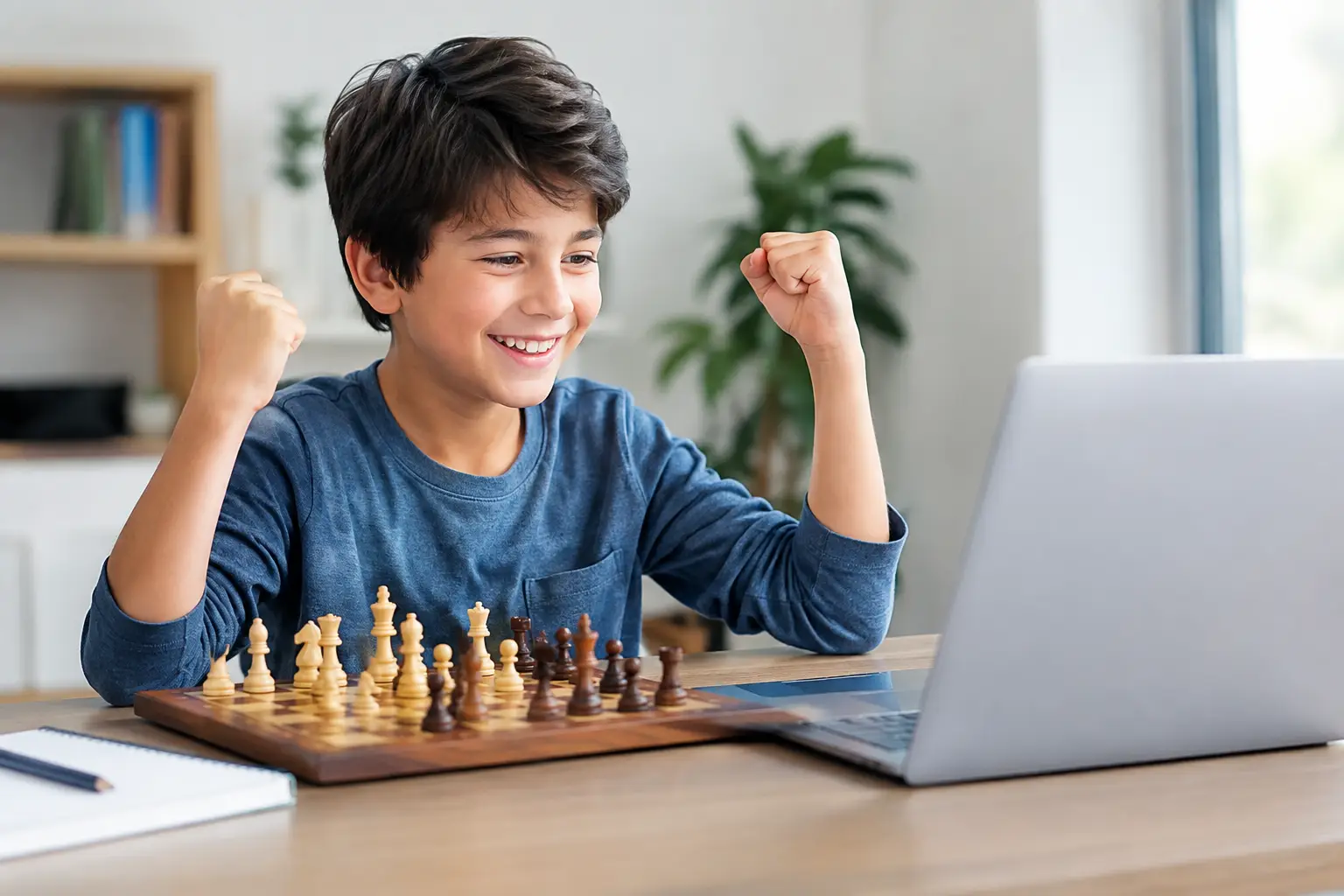
A tournament medal can be exciting. So can the moment a child checkmates a parent for the first time. But an online chess success story for kids rarely begins with a big win. It usually begins with something quieter: a child who sits a little longer, thinks before moving, and starts to believe, “I can figure this out.”
For parents, that is the kind of progress worth watching. Chess is not only about learning how the pieces move. With the right coaching, it gives children a structured way to practice focus, patience, decision-making, and resilience. Online lessons can make that growth possible without turning the family schedule upside down - but only when the learning experience is personal, engaging, and built around clear next steps.
What an Online Chess Success Story for Kids Really Means
Every child starts from a different place. One may be five years old and still learning to wait for a turn. Another may know basic tactics but freeze when the clock starts. A third may be talented, motivated, and ready for tougher competition, yet unsure how to turn scattered online games into consistent improvement.
That is why success should not be measured by rating alone. A rating can be useful, especially for children who want to compete, but it is only one signal. Real progress often shows up first in the child’s habits: they check whether a piece is defended, notice an opponent’s threat, or recover calmly after losing a queen.
For a beginner, success may mean confidently completing a full game without reminders. For an intermediate player, it may mean recognizing a fork, planning an opening, or reviewing mistakes without becoming discouraged. For a tournament-minded player, it may mean managing time, preparing for common positions, and competing with more confidence.
The common thread is not a single result. It is growth that a parent can see and a child can feel.
Why Some Kids Progress Faster Online Than Others
Online chess is convenient, but convenience alone does not create results. Children can play dozens of quick games online and still repeat the same mistakes. They need feedback at the moment it matters, along with lessons that make sense for their current level.
A child who loses a rook may simply hear, “Be more careful.” That is not enough. A patient coach can help them see the pattern behind the mistake: perhaps they moved too quickly, did not scan for attacks, or forgot to ask what the opponent was threatening. Then the coach can give the child a simple routine to use before every move.
That structure is especially valuable for younger students. Kids ages 4 to 8 often learn best through short, interactive activities, visual examples, and frequent encouragement. Older children may be ready for deeper tactical puzzles, opening principles, notation, and tournament preparation. Treating both groups exactly the same can make lessons either overwhelming or boring.
One-on-one instruction gives the coach room to adjust. If a child understands the concept quickly, the lesson can move forward. If they need another example, there is time to slow down without embarrassment. The goal is not to rush children through a curriculum. It is to help them build a foundation they can actually use in a real game.
The difference between playing and learning
Playing chess is valuable. It builds experience and makes the game exciting. But playing without reflection can also reinforce rushed decisions.
Learning adds a second step: looking back. Why did that move work? What was missed? What should the child look for next time? When children begin answering those questions for themselves, they become more independent thinkers at the board.
A strong online program balances both sides. Lessons introduce a skill, practice makes it familiar, and real games test whether the skill holds up under pressure. That cycle is where confidence becomes durable.
The Building Blocks Behind Meaningful Progress
The best success stories are usually not dramatic overnight transformations. They are the result of small skills stacking up over time.
First comes comfort with the board. Children need to know how every piece moves, understand check and checkmate, and feel safe making mistakes. Early wins matter here, because a child who enjoys chess is far more likely to stay with it.
Next comes awareness. Before thinking about advanced openings, young players need to spot hanging pieces, basic threats, and simple checkmates. They learn to pause and ask useful questions: Is my king safe? What is my opponent attacking? Can I capture something for free?
Then comes planning. As children improve, chess stops feeling like a series of random moves. They learn why development matters, why controlling the center helps, when to trade pieces, and how to create a plan in the middle game. At this stage, the coach’s job is not to hand over every answer. It is to teach the child how to find answers.
Finally, children who want to compete need game readiness. Tournament chess brings new challenges: clocks, nerves, longer games, unfamiliar opponents, and the disappointment of a tough loss. Preparation should include practical habits, not just more theory. A player should know how to settle in, manage time, record lessons from a game, and come back ready to improve.
How Parents Can Recognize Progress at Home
Parents do not need to become chess experts to notice whether lessons are working. Look for changes in how your child approaches the game.
Are they more willing to think before moving? Can they explain why a move is good or bad? Do they stay engaged for longer than they did a month ago? Are they starting to use chess language naturally, such as “check,” “defend,” “trade,” or “fork”?
It is also worth paying attention to emotional progress. Chess can be humbling. A child who once quit after a loss may begin asking for a rematch. A child who rushed through every game may learn to take a breath and reset. Those moments matter because they carry beyond chess.
Parents can support this without adding pressure. Ask about one interesting moment from the lesson or game. Celebrate effort, careful thinking, and good sportsmanship alongside wins. If your child is frustrated, resist the urge to solve the position immediately. A simple question such as, “What do you think your opponent is threatening?” can help them practice the habits they are learning.
When Tournament Goals Make Sense
Not every child needs to play tournaments, and that is completely fine. Chess can be a meaningful enrichment activity even when it stays casual. It can improve focus, create a healthy challenge, and give children a screen-based activity that requires real thinking.
For some kids, though, competition becomes a powerful motivator. They enjoy testing themselves, tracking progress, and meeting other young players who share their interest. The right time to consider tournaments depends on the child’s confidence, attention span, and interest - not on a parent’s timeline.
A good first tournament experience should feel prepared, not intimidating. Children benefit from understanding the basics before they arrive: how clocks work, what sportsmanship looks like, what happens after a loss, and why one game never defines them. Early events are for learning as much as winning.
This is where a coach-led plan can make a real difference. Rather than sending a child into competition with only a few online games behind them, coaching can help them build the habits that make competition more enjoyable and productive.
A Clear Path Helps Children Stay With Chess
Children thrive when they can see progress. They do not need a complicated system, but they do need to know what they are working on and why. Clear goals turn chess from “something I do sometimes” into a skill they are proud to build.
At Savushkin Chess, that begins with understanding the child, not fitting the child into a one-size-fits-all lesson. A free trial assessment can show whether a student needs help with fundamentals, tactics, game strategy, or tournament preparation. From there, personalized live lessons give families a clear path forward, with coaching that stays encouraging and appropriately challenging.
The strongest online chess success stories are not just about gifted players or trophies. They are about children who learn to slow down, think clearly, recover from setbacks, and enjoy the process of getting better. Give your child patient guidance, room to grow, and a goal they can reach one move at a time.

Ready to see chess click for your child?
Book a free 20–30 minute trial lesson with one of our coaches — no commitment, no payment needed.


