
A Parent Guide for Chess Enrichment at Home
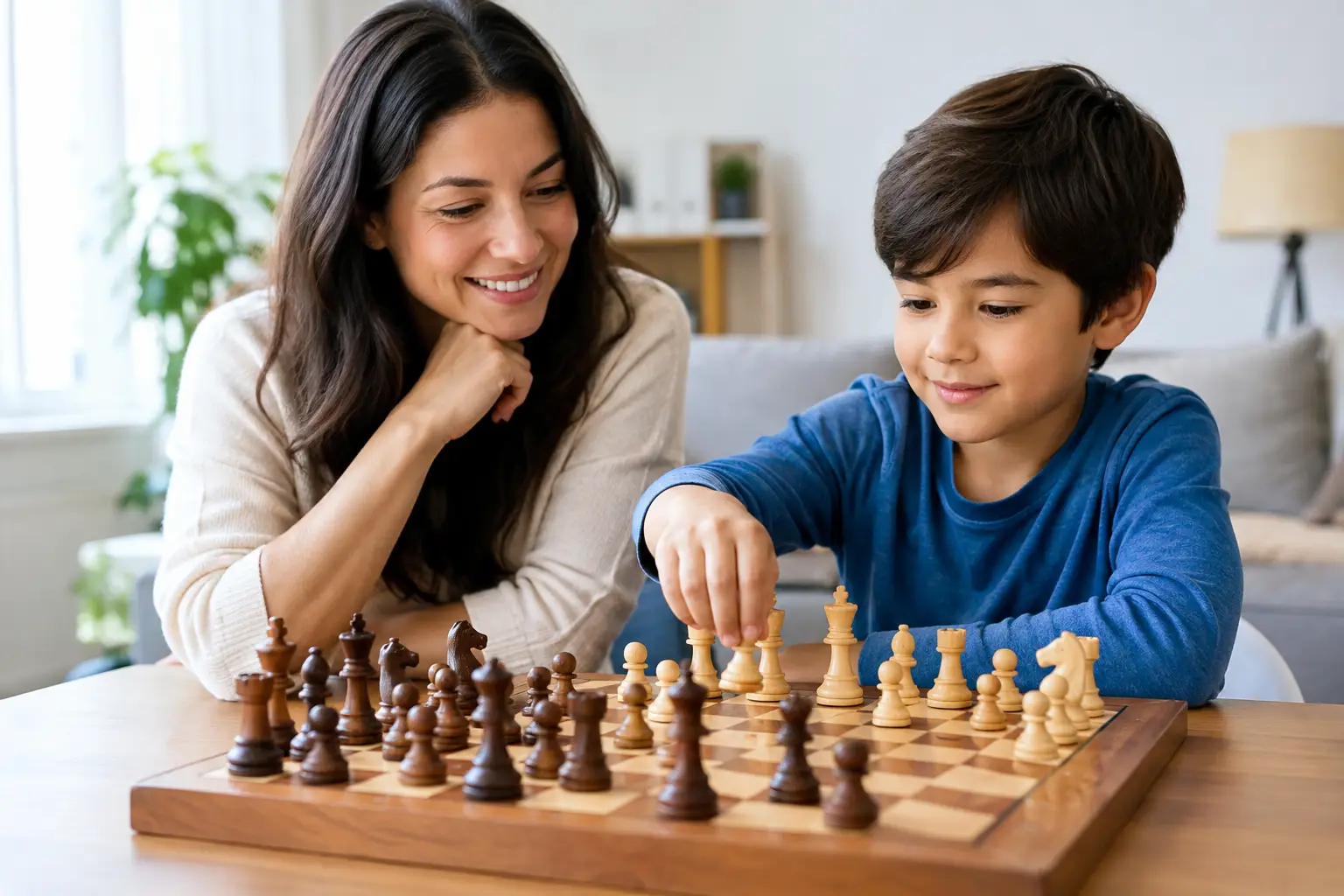
A child who asks to play “one more game” has already found something valuable. The next question is how to turn that excitement into lasting growth without making chess feel like another school assignment. This parent guide for chess enrichment helps you create the right balance: enough structure for real progress, enough fun to keep your child engaged, and clear expectations for what chess can realistically build over time.
Chess is not a shortcut to perfect grades or instant concentration. It is, however, a challenging and rewarding activity that gives children regular practice making choices, recovering from mistakes, planning ahead, and staying calm when a position gets difficult. Those are skills that matter far beyond the board.
Start With Your Child, Not a Rating
Chess enrichment looks different for a curious 5-year-old than it does for a tournament-minded 13-year-old. A beginner may need help learning how the pieces move and remembering to look for checks. A more experienced player may be ready to study opening principles, tactical patterns, and time management.
The best starting point is not asking, “How quickly can my child improve?” Ask what makes them interested in chess right now. Some children love the story of the pieces. Some enjoy winning. Others like puzzles, competition, or simply having a game they can share with a parent or friend.
That motivation should shape the plan. If your child is new to chess, early lessons should feel active and achievable. If they already know the rules, they may benefit from more challenging games and focused feedback. Pushing advanced material too soon can make a child feel behind. Keeping a ready player on only basic drills can make them lose interest.
What Chess Enrichment Should Actually Build
A strong chess program does more than teach children to memorize moves. It gives them a repeatable way to think before acting. Over time, children can learn to pause, notice what changed on the board, compare options, and choose a move for a reason.
For younger students, progress may look like sitting through a complete game, following rules independently, or spotting a simple attack. For older students, it may look like avoiding rushed moves, explaining a plan, reviewing a loss without frustration, or preparing for a local tournament.
Parents often notice growth in four connected areas:
- Focus: Chess asks children to stay with one problem rather than switch tasks every few seconds.
- Patience: Good moves often come after a child resists the urge to play the first move they see.
- Confidence: A child learns that improvement comes from practice, not from getting every answer right immediately.
- Responsibility: Players begin to recognize that their choices on the board have consequences, good or bad.
These benefits are real, but they develop through consistent experience. A single lesson or tournament will not transform a child’s habits. A supportive routine can.
Create a Routine That Fits Family Life
The most effective chess routine is one your family can actually maintain. For many beginners, one live lesson per week plus two short practice sessions is a better fit than a long, exhausting study block on Sunday afternoon.
Think in small windows of attention. A 6-year-old may do well with 10 to 15 minutes of puzzles, a mini-game, or a review of one idea from a lesson. An older child may be ready for 20 to 30 minutes of puzzle work, game review, or independent play. The goal is not to fill every free moment with chess. The goal is to make thoughtful practice familiar.
Keep the routine simple. Choose a regular lesson time, protect it as much as possible, and use the days between lessons for light reinforcement. After a lesson, ask your child to show you one new idea. Before a game, remind them to check for threats. After a game, ask what they were proud of before discussing what went wrong.
That last part matters. Children are far more willing to learn from mistakes when they do not expect a lecture after every loss.
The Parent’s Role: Encourage, Don’t Become the Coach
You do not need to be a strong chess player to support your child. In fact, one of the most helpful things a parent can do is protect the learning environment from unnecessary pressure.
Avoid taking over during games. It is tempting to point out a hanging piece or suggest a move when you can see the answer. But chess only develops decision-making when the child gets to make decisions. Let the coach teach the concepts and let your child experience the results of their own choices.
Instead of asking, “Why did you make that move?” try, “What were you thinking about there?” The first question can sound like criticism. The second invites reflection. You can also ask, “Did you notice anything your opponent was threatening?” or “What would you try differently next time?”
Praise effort that leads to growth, not only wins. A child who slows down before moving, finishes a difficult game, or calmly reviews a mistake is building the habits that eventually produce stronger results.
Choosing Coaching That Keeps Children Moving Forward
Online chess lessons can be especially practical for busy families, but quality matters. A good coach does not simply play games with a child for an hour. They assess the student’s level, explain ideas in age-appropriate language, assign the right amount of challenge, and communicate progress clearly to parents.
Look for a program that offers a real assessment rather than placing every child into the same lesson path. Beginners need a foundation in rules, piece safety, checkmate patterns, and basic tactics. Intermediate players need to connect those skills into better planning and game analysis. Competitive students need more targeted work on openings, calculation, emotional control, and tournament preparation.
Lesson length depends on age and attention span. Thirty minutes can be excellent for a young beginner. Forty-five or 60 minutes may make more sense for an older child who is ready to analyze games in depth. More time is not automatically better if the child is mentally checked out halfway through.
At Savushkin Chess, personalized live lessons are built around the student’s current level and next goal, whether that means learning the first checkmate or preparing to compete with confidence. The right fit should feel structured, encouraging, and clear to both the child and the parent.
Make Practice Feel Like Play, Not Punishment
Chess has plenty of room for fun. Play short games with a specific mission, such as developing pieces before moving the same piece twice. Try simple checkmate challenges. Let siblings play mini-games using only a few pieces. Set up a position and ask, “Can you find the move that wins the queen?”
Variety keeps practice fresh, especially for younger children. But avoid changing activities so often that nothing sticks. If your child is learning forks, spend several sessions recognizing and using forks before moving to a different tactical theme. Repetition is not boring when a child can see that they are getting better.
Screens can be useful for online lessons and puzzle practice, but balance them with physical boards whenever possible. Moving real pieces helps many children slow down and visualize the position. It also makes chess easier to share as a family activity.
Know When Competition Helps
Tournaments can be exciting, but they are not required for every child. A student who is still learning the rules may need more friendly games before facing a long competitive event. Another child may be ready for competition and benefit from learning how to manage nerves, time pressure, and a tough loss.
A good first tournament goal is not “win a trophy.” It might be finishing every game, using the clock carefully, or remembering to check for opponent threats before each move. When success is defined only by the final score, children can miss the progress that matters most.
If your child wants to compete, start with realistic expectations. Tournament chess can expose gaps in skill, and that is useful information, not a failure. The strongest young players are not the ones who never lose. They are the ones who learn how to return to the board with a better plan.
Let Chess Grow With Your Child
The most successful chess enrichment is steady, personal, and enjoyable. Some children will fall in love with tournament play. Others will use chess as a favorite weekly challenge that builds confidence and concentration. Both paths are worthwhile.
Stay curious about what your child is learning, celebrate the small breakthroughs, and give them room to think for themselves. A well-supported child does not just learn how to find a strong move. They learn that patience, practice, and a second look can change the whole position.

Ready to see chess click for your child?
Book a free 20–30 minute trial lesson with one of our coaches — no commitment, no payment needed.


