
Parent Questions About Chess Lessons, Answered
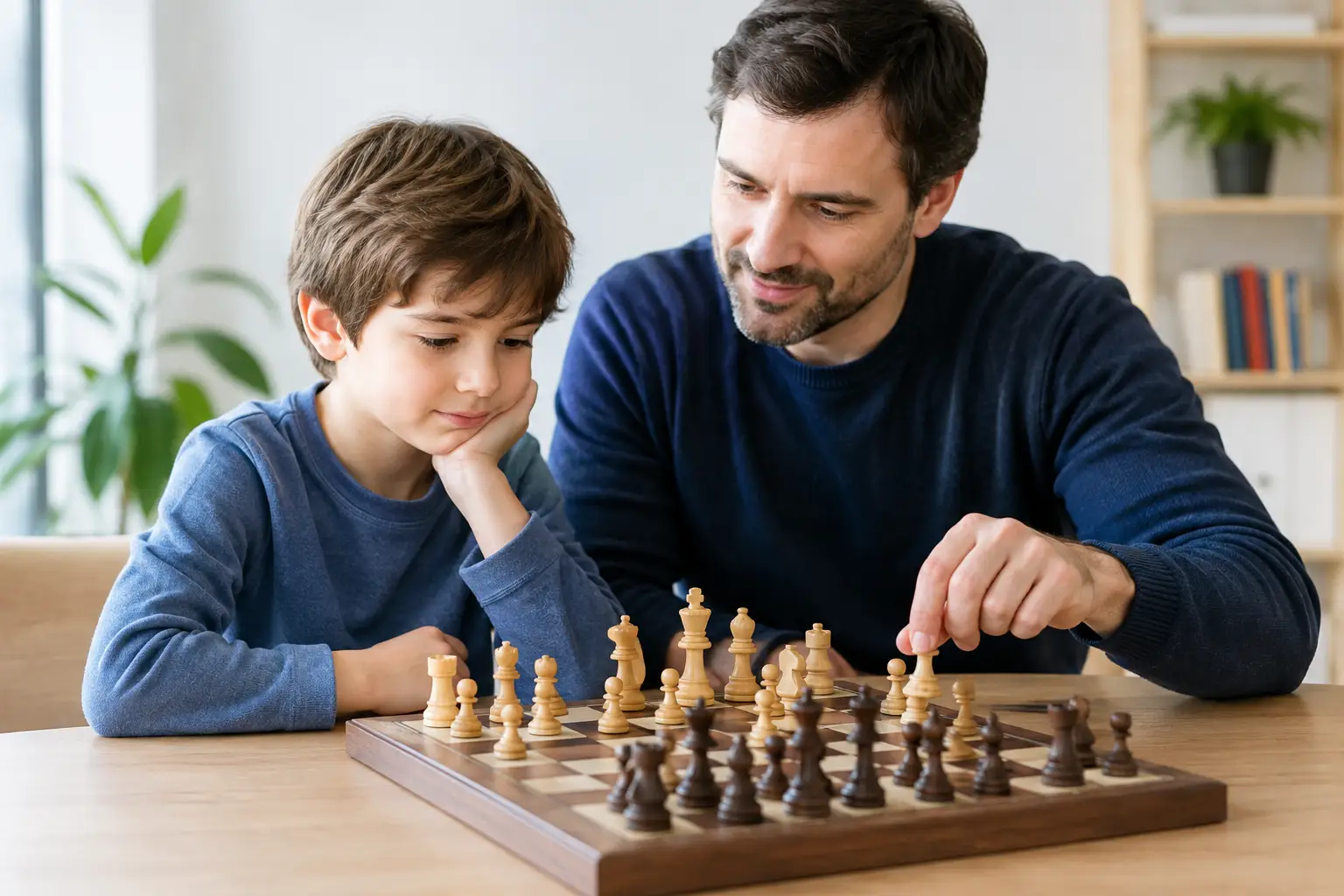
A child comes home excited after winning a game, then freezes when an opponent attacks their queen the next day. That mix of enthusiasm, frustration, and possibility is exactly why parent questions about chess lessons matter. Families want more than a screen-time activity. They want to know whether coaching will help their child enjoy the game, grow at the right pace, and build skills that carry beyond the board.
The short answer is that the right chess lesson can do all three. But results depend on the child’s age, starting point, coach fit, and the consistency of the learning plan. Here are straight answers to the questions parents ask most often.
What age should my child start chess lessons?
Many children are ready to begin around age 4 or 5, especially if lessons are short, visual, and playful. At this stage, the goal is not to memorize openings or sit through long lectures. It is to learn how the pieces move, take turns, notice threats, and feel proud of small wins.
Older beginners can often move faster through the basics, but they still benefit from a patient, structured approach. A 10-year-old may learn piece movement in one lesson and begin simple checkmate patterns soon after. A younger child may need more repetition, stories, and mini-games before full games feel manageable.
Readiness matters more than age alone. A child does not need to be naturally “good at chess” to start. Curiosity, a willingness to try, and the ability to focus for a short period are enough. A trial assessment is useful because it shows a coach how your child responds to instruction, rather than guessing based on age or grade level.
How long should an online chess lesson be?
For many young beginners, 30 minutes is a strong starting point. It is long enough to teach one clear idea, practice it, and finish with encouragement before attention fades. Children who are comfortable online and already playing games may do well with 45-minute lessons.
A 60-minute lesson can be valuable for older or more advanced players, particularly when they are reviewing tournament games, studying tactics, or preparing for competition. More time is not automatically better, though. A focused 30-minute lesson with a clear goal beats an hour of distracted instruction.
The best format can change as your child develops. A child who starts with shorter lessons may later be ready for longer sessions once chess becomes a favorite activity and their concentration grows.
Will my child enjoy chess if they are a complete beginner?
They can, provided the first lessons feel achievable. Beginners should not be dropped into a complicated game and expected to understand everything at once. Good coaching breaks chess into manageable steps: board orientation, piece movement, simple captures, checks, and basic ways to protect valuable pieces.
Fun is not the opposite of progress. In fact, children tend to stay motivated when they can see progress. Winning a mini-game with pawns, spotting a one-move checkmate, or remembering to castle at the right time gives a child a real sense of accomplishment.
It also helps when the coach adjusts to the child. Some children love a challenge and want to race through puzzles. Others need time to talk through their choices. A strong coach keeps the lesson moving without making a child feel rushed or embarrassed by mistakes.
What will my child actually learn in chess lessons?
Early lessons usually focus on the rules and habits that make real games possible. Children learn the value of pieces, how to look for safe captures, why they should check what an opponent can do next, and how to recognize checkmate.
As their foundation strengthens, lessons become more strategic. They may study opening principles, tactical patterns such as forks and pins, endgames, planning, and game analysis. Competitive players can work on time management, tournament preparation, and reviewing the decisions that changed a game.
The broader benefits are real, but they should be described honestly. Chess does not turn every child into a grandmaster or guarantee better grades. What it can teach, through regular practice, is how to pause before acting, concentrate under pressure, recover after a mistake, and make a plan with limited information. Those are valuable habits for school and daily life.
How quickly should we expect progress?
Parents often want a clear timeline, and that is reasonable. Still, chess progress is not perfectly linear. A beginner may make fast gains in the first few weeks because there is so much to learn. Then they may plateau while they are learning to apply new ideas in real games.
Look for practical signs of development instead of judging every lesson by wins and losses. Is your child using the board vocabulary correctly? Are they noticing when a piece is attacked? Do they pause to check their opponent’s threat? Are they more willing to finish a game after losing material?
For a child taking weekly lessons, visible improvement often appears within a month or two. Stronger strategic understanding takes longer because it requires repetition across many different positions. Regular lessons, a few short practice sessions, and supportive feedback create better results than occasional marathon sessions.
How much practice is needed between lessons?
Consistency matters more than volume. For a beginner, two or three short practice periods each week can be enough. Ten to fifteen minutes of puzzles, a quick game, or reviewing one idea from the lesson is far more sustainable than asking a child to practice for an hour every day.
Parents do not need to become chess teachers. The most helpful role is to create a simple routine and show interest without adding pressure. Ask, “What was the trick in your puzzle today?” or “What did your coach want you to look for before moving?” Those questions invite your child to explain their thinking.
Try not to analyze every loss at home. Children need room to enjoy the game and make their own discoveries. If a game was frustrating, encourage a short break, then help them identify one thing they did well and one question to bring to their next lesson.
Are online chess lessons effective for kids?
Yes, when the lessons are live, interactive, and tailored to the child. Online instruction gives a coach the ability to share a board, highlight key squares, demonstrate positions, and watch how a student thinks in real time. It also saves busy families from travel time and makes consistent scheduling easier.
The trade-off is that online lessons require an engaging coach and a workable home setup. A quiet space, reliable internet, and a device with a comfortable screen make a difference. Younger children may need a parent nearby at the beginning to help with logins or attention, but they should gradually take ownership of the lesson.
For safety and confidence, parents should know who is teaching their child, how communication works, and what progress updates they will receive. Clear parent communication is not an extra. It is part of a quality learning experience.
Does my child need to play tournaments?
No. A child can gain plenty from chess lessons without entering a tournament. Some students play because they enjoy solving problems and challenging family members. Others want structured coaching but are not interested in competition yet.
For children who are excited to compete, tournaments can be a motivating next step. They introduce clock management, sportsmanship, preparation, and the experience of playing unfamiliar opponents. The timing should fit the child, not the parent’s calendar. Entering too early can feel overwhelming; waiting too long can leave an eager player without a goal.
A coach can help determine readiness by looking beyond rating or age. Can the child complete a full game? Do they understand basic tournament behavior? Can they handle a loss without giving up? Those signs matter as much as chess knowledge.
How do I choose the right chess coach?
Chess strength matters, but teaching skill matters just as much. A coach should explain ideas in a way your child understands, not simply show impressive moves. Ask how lessons are personalized, how progress is tracked, and how the coach responds when a student is discouraged or distracted.
Look for a clear pathway rather than vague promises. Families should understand what their child is working on now, what comes next, and how lesson length or frequency may change over time. At Savushkin Chess, that starts with getting to know the student through a no-pressure trial assessment, then building a plan around their goals and current level.
The right coach makes chess feel serious enough to create progress and enjoyable enough that your child wants to return. Give your child a chance to try, ask what they liked, and watch for the small signs that matter most: more focus, more confidence, and a growing habit of thinking before they move.

Ready to see chess click for your child?
Book a free 20–30 minute trial lesson with one of our coaches — no commitment, no payment needed.


