Personalized Chess Training for Children
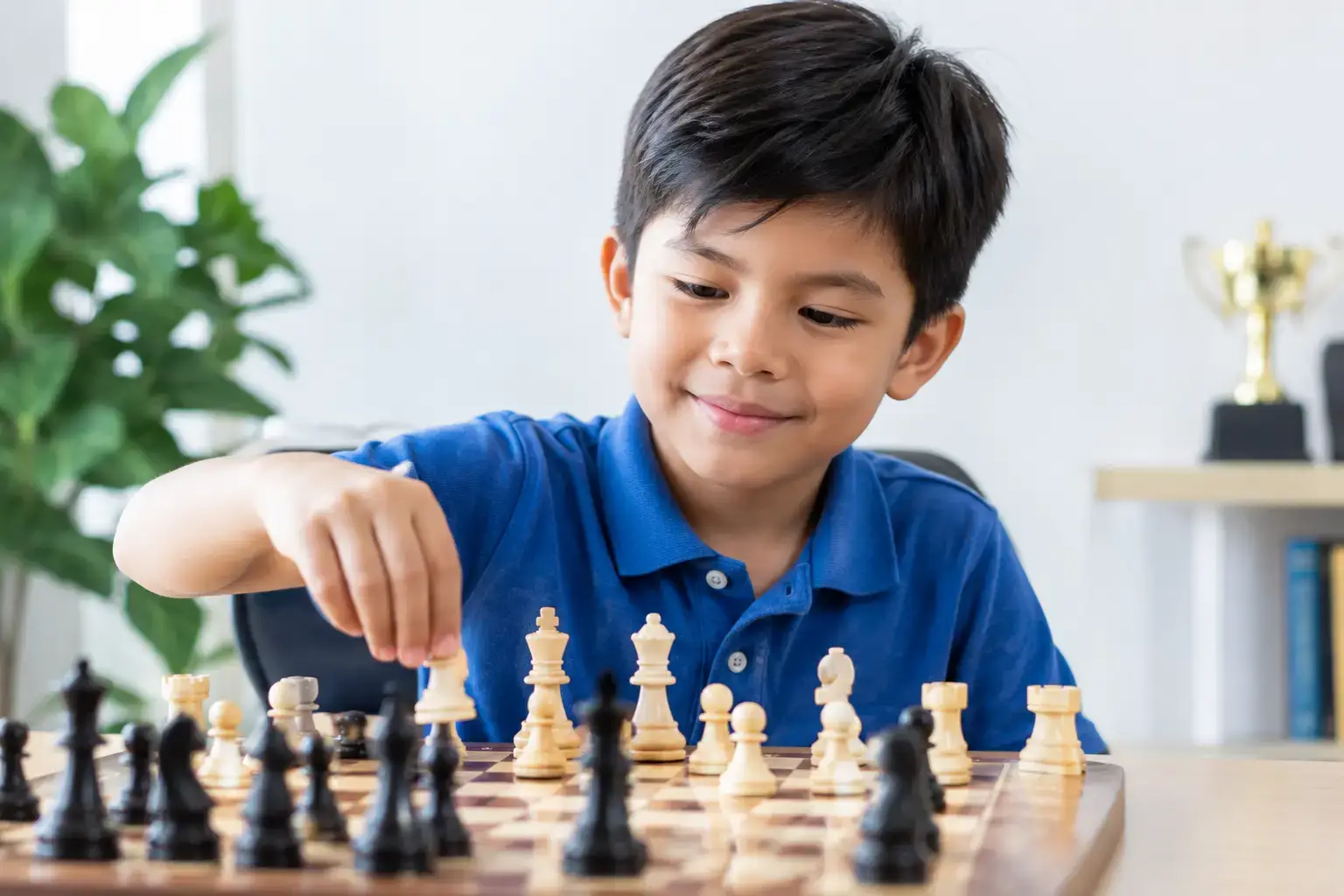
One child wants to attack on move three. Another is still learning how each piece moves. Put them in the same lesson, and one gets bored while the other gets overwhelmed. That is exactly why personalized chess training for children works so well. It meets kids where they are, keeps lessons fun, and turns chess from a confusing board game into a skill they can actually build step by step.
For parents, the appeal is practical. You are not just looking for screen time with a chessboard on it. You want focus, structure, progress, and a teacher who knows how to connect with your child. The best chess instruction does all of that at once. It gives kids a clear path forward while making sure they enjoy the process enough to stick with it.
Why personalized chess training for children works
Children do not learn chess at the same pace, and they definitely do not stay motivated for the same reasons. A six-year-old beginner might need short, visual lessons and lots of repetition. A ten-year-old who already plays online may need help slowing down, thinking ahead, and learning how to handle real competition. A teenager preparing for tournaments needs something different again - deeper strategy, game review, and a plan for steady rating growth.
That is where personalized instruction makes a real difference. Instead of moving through a generic curriculum at one speed, a coach can adjust the lesson to fit the child in front of them. If a student is strong tactically but weak in endgames, the plan changes. If attention drops after 30 minutes, lesson length matters. If confidence is the issue, the coach can build in early wins and simpler decision-making before increasing difficulty.
This kind of training is not about making things easier. It is about making them appropriate. Kids learn faster when the challenge level is right. Too hard, and they shut down. Too easy, and they stop caring.
What a personalized chess program should include
A good program starts with assessment, not assumptions. Before a child can improve, the coach needs to understand current skill level, learning style, and goals. That might mean identifying whether the student is a complete beginner, a casual player, or already competing in scholastic events. It also means noticing how the child learns best - through explanation, puzzles, examples, or live play.
From there, the training plan should be clear. Parents should be able to understand what their child is working on and why. Maybe the first stage is piece movement, board awareness, and simple checkmates. Maybe it is opening principles, blunder reduction, and tactical patterns. Maybe it is tournament prep, notation, and post-game analysis. The details will vary, but the progression should make sense.
Strong personalized chess training for children also includes regular feedback. Kids need encouragement, but parents need clarity too. If a child is improving, you should know how. If progress is slower than expected, you should hear what the coach is adjusting. That kind of communication builds trust and helps families stay committed.
Age matters more than many parents expect
A lot of chess content online treats kids as one big group. In practice, teaching a four-year-old and teaching a fourteen-year-old are completely different jobs.
With younger children, the focus is usually on attention, enjoyment, and basic recognition. They need a coach who can keep energy high, give simple instructions, and turn learning into interaction. Long lectures do not work. Abstract ideas need to be tied to what they can see and do right away.
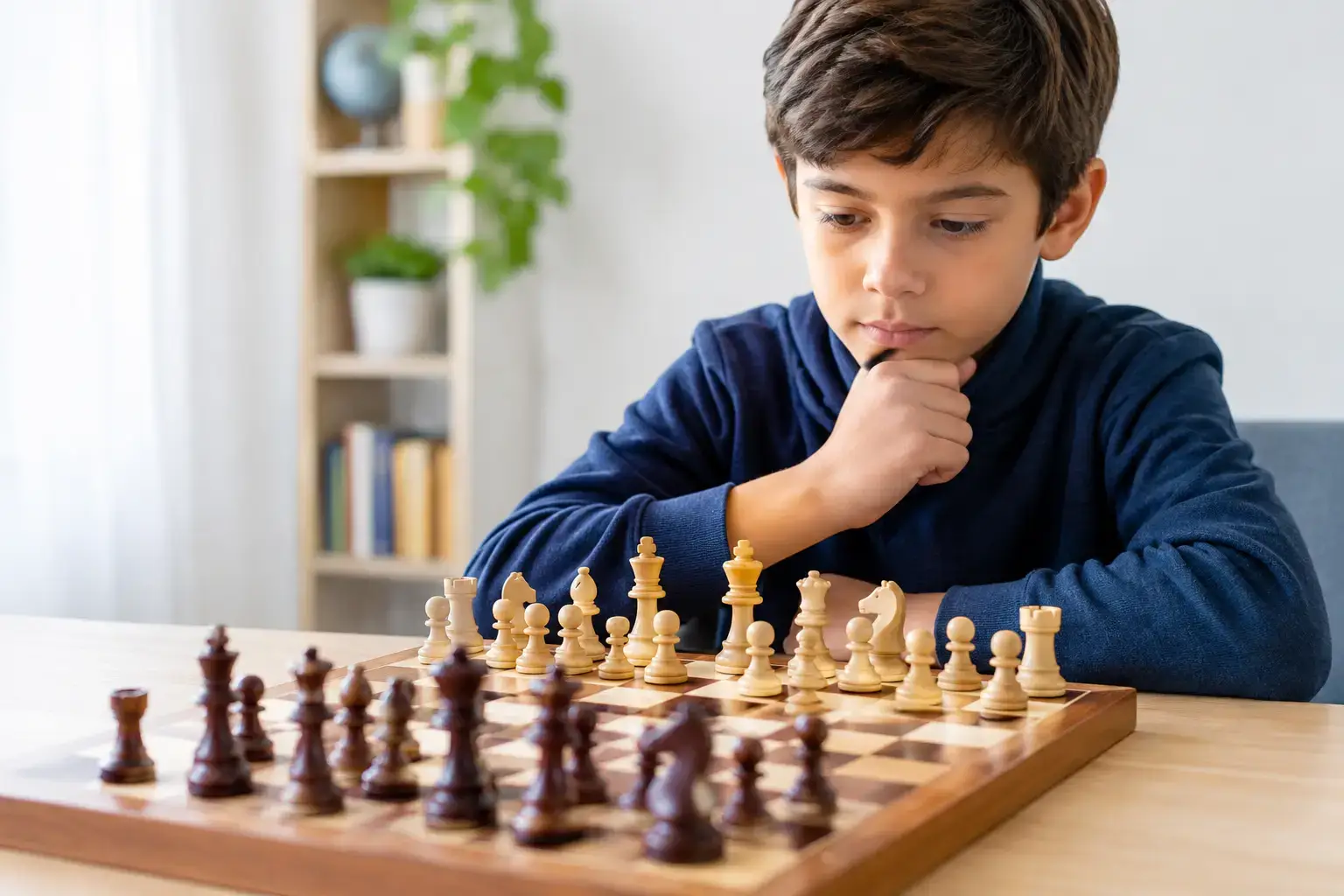
Elementary-age students often hit a great growth phase. They can handle more structure, begin spotting patterns, and start understanding cause and effect on the board. This is where many children begin developing real chess habits, both good and bad. Personalized coaching helps reinforce careful thinking before impulsive play becomes a habit.
Older students usually need a more analytical approach. They may be ready for opening ideas, positional planning, tournament routines, and self-review. They also tend to care more about results, which means motivation can rise or fall based on performance. A coach who balances challenge with encouragement is especially valuable here.
One-on-one vs. group lessons
For many families, this is the biggest question. Group chess classes can be a solid starting point. They are often social, affordable, and useful for broad exposure. For a child who is just getting curious about chess, a good group environment can be a positive first step.
But there are trade-offs. Group lessons usually move at one pace, even when students do not. That means some kids wait while others catch up, and some fall behind while the lesson moves on. Instructors have less time to correct individual mistakes, review personal games, or adapt to attention span and confidence level.
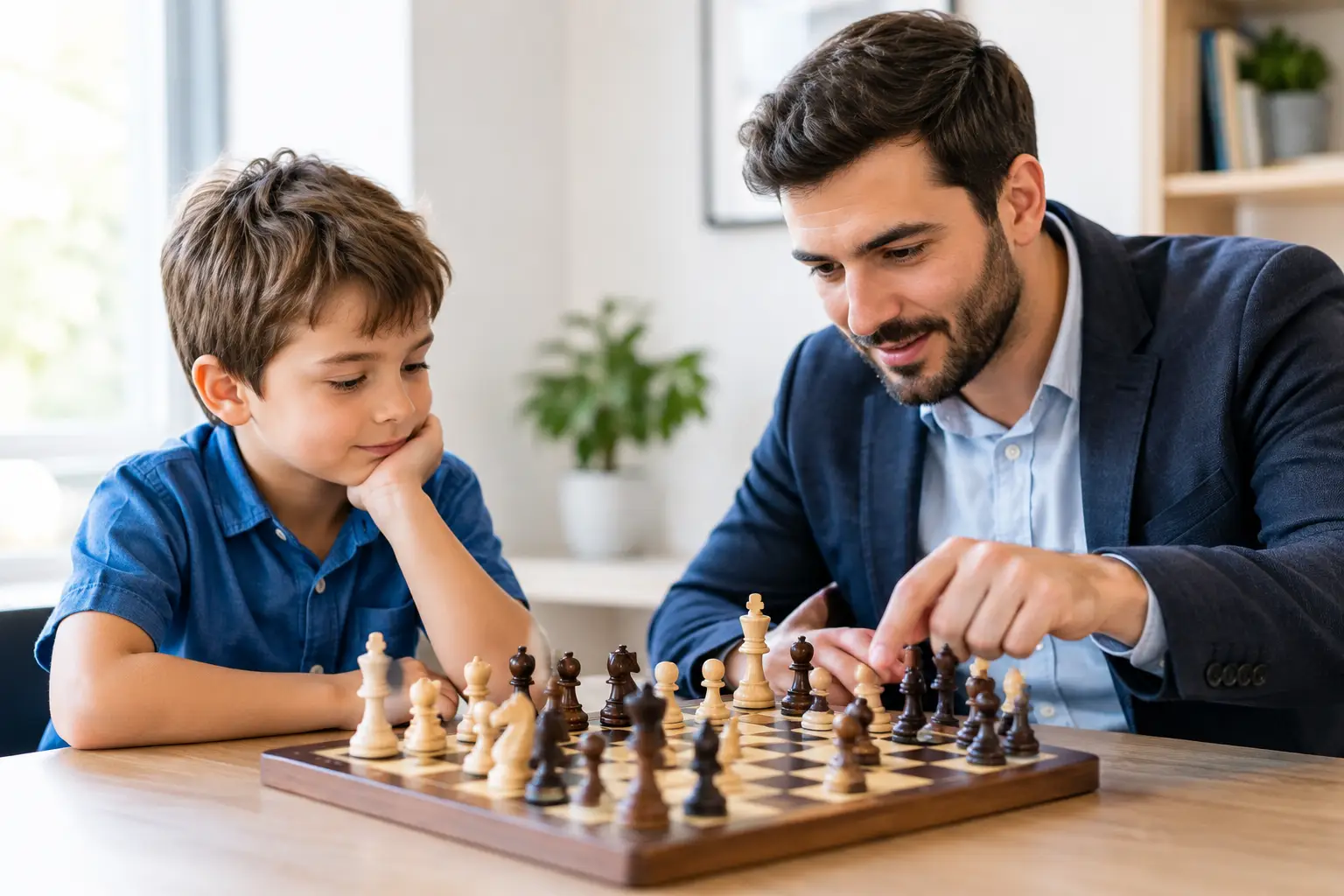
One-on-one coaching is usually where progress becomes more visible. The coach can spot patterns immediately, correct thinking in real time, and build lessons around the student's exact needs. That does not mean every child needs private lessons forever. It means personalized instruction is often the fastest route to real improvement, especially for children who either need extra support or are ready to advance quickly.
Signs your child may benefit from personalized chess training
Some children are obvious candidates. They love chess, ask to play constantly, and want to compete. Others are less obvious but may benefit just as much. A child who enjoys puzzles but gets frustrated easily might thrive with patient coaching. A student who loses focus in larger classes may do better in a structured one-on-one setting. Even a beginner who has never had a lesson can make strong early progress when the teaching is tailored well.
Parents often notice the need for personalization when progress stalls. Their child knows the rules but keeps making the same mistakes. They play fast and miss simple threats. They enjoy chess, but not enough to sit through generic instruction that does not feel connected to their level. Those are all signs that targeted coaching could help.
What results should parents realistically expect?
Good chess coaching can produce real results, but the timeline depends on the child. Some students show immediate improvement in focus, confidence, and board awareness within a few weeks. Others build more gradually, especially if they are very young or brand new to structured learning.
The strongest early signs are often not rating jumps. They are better habits. Your child starts checking opponent threats before moving. They understand why controlling the center matters. They can finish a game without giving away pieces for free. They become more patient, more thoughtful, and more willing to learn from mistakes.
For competitive players, personalized chess training for children can also lead to stronger tournament performance over time. But even here, results are rarely linear. A student may learn a lot before it shows up consistently in game outcomes. That is normal. In chess, better decisions come first. Better results follow.
How to choose the right chess coach
The best coach for your child is not always the one with the highest rating. Strong players are not automatically strong teachers, especially with kids. What matters most is the combination of chess knowledge, teaching skill, patience, and structure.
Look for a coach who can explain concepts in a child-friendly way and adapt when something is not clicking. Ask how lessons are personalized, how progress is tracked, and how parents are kept informed. If your child is young, engagement matters a lot. If your child is advanced, depth and planning matter more. In both cases, consistency matters most.
It also helps to start with a low-pressure first step. A trial lesson or assessment can reveal a lot. You get to see how the coach connects with your child, whether the lesson feels organized, and whether your child leaves excited to come back. That first impression counts.
At Savushkin Chess, this child-centered approach is exactly what families respond to. The goal is not just to teach moves. It is to build skill, confidence, and momentum in a way that fits each student.
Personalized online chess lessons fit modern family life
Online instruction makes personalized coaching much easier to access. Families no longer need to settle for whoever happens to teach nearby. They can choose a coach who fits their child's age, level, and personality, while still keeping lessons convenient and consistent.
That convenience matters more than it may seem. Kids improve through regular practice and steady coaching, not occasional bursts of effort. When lessons fit naturally into the week, families are more likely to stay with the process long enough to see meaningful growth.
The right chess program should feel structured but not stressful, ambitious but still fun. When a child gets coaching that matches their level and keeps them engaged, chess becomes more than an activity. It becomes a place where they learn how to think, how to stay calm under pressure, and how to keep improving one smart move at a time.

Ready to see chess click for your child?
Book a free 20–30 minute trial lesson with one of our coaches — no commitment, no payment needed.