Private Chess Lessons Comparison for Parents
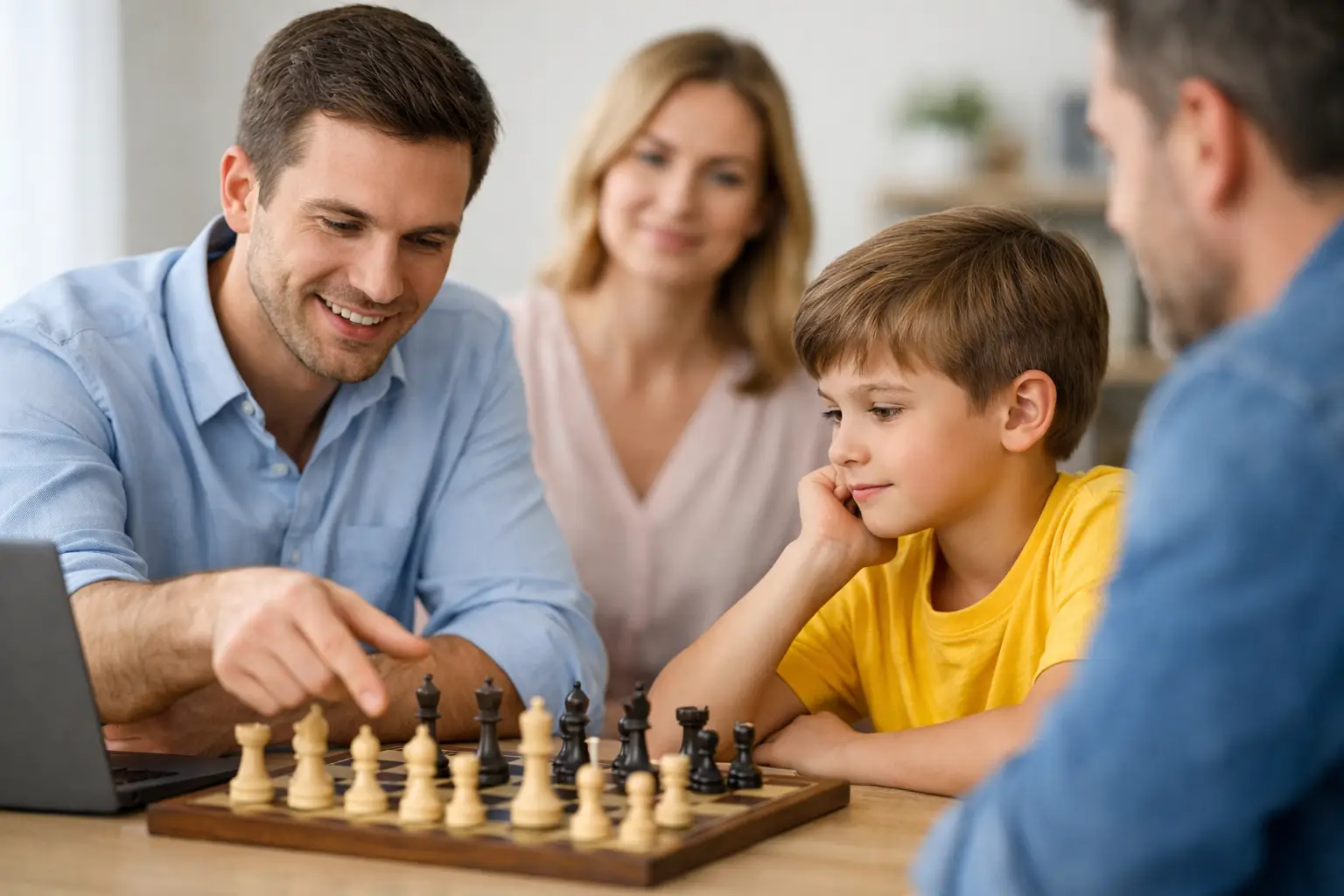
A child can enjoy chess on an app for weeks and still freeze when an opponent makes an unexpected move. That is where personal instruction can make the difference. A thoughtful private chess lessons comparison helps parents look beyond a coach’s rating or a low advertised price and focus on what actually helps a child learn: the right pace, clear structure, encouraging feedback, and lessons that lead to confident play.
For some families, a weekly 30-minute lesson is exactly right. For a tournament-minded player, a longer session with game analysis may be worth the added investment. The best choice depends on your child, not on a one-size-fits-all package.
Start With Your Child’s Real Goal
Before comparing coaches or lesson packages, decide what you want chess to do for your child right now. A complete beginner may need a friendly introduction to the board, pieces, and basic rules. A child who already knows how the pieces move may need help turning random moves into a simple plan. An experienced young player may be ready to study tactics, openings, endgames, and tournament preparation.
This matters because the best coach for a beginner is not always the best coach for a competitive player. Younger children often benefit from short, active lessons with frequent questions, visual examples, and small wins. Older children can usually handle deeper analysis, homework between sessions, and more detailed feedback from their own games.
A strong program should adjust the learning plan as your child improves. Early lessons may focus on check, checkmate, piece value, and safe moves. Later, the coach should introduce tactical patterns, calculation, positional ideas, and practical decision-making under time pressure. Progress should feel connected, not like a series of unrelated puzzles.
Private Chess Lessons Comparison: Private vs. Group Classes
Group chess classes can be social, energetic, and less expensive per session. They are a good fit for children who enjoy learning alongside friends and need general exposure to the game. For a beginner who is simply curious about chess, a group class can be a low-pressure starting point.
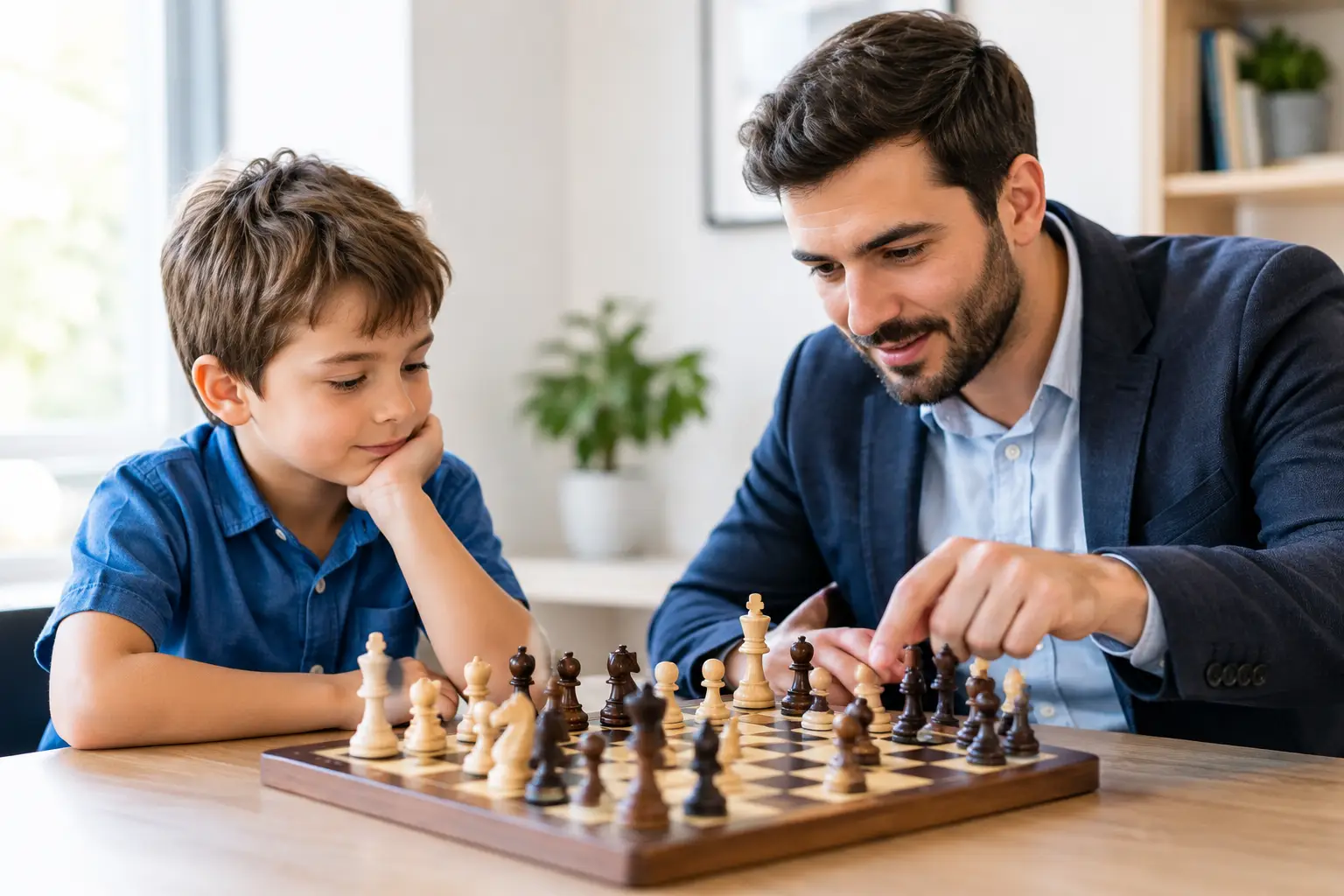
Private lessons offer something different: every minute is built around one child. The coach can slow down when a concept is confusing, move ahead when the student is ready, and choose exercises based on the child’s actual mistakes. That focused attention is especially useful when a child has uneven skills. Many young players know a few opening moves but miss basic tactics. Others solve puzzles well but struggle to manage a real game.
Private coaching is also helpful for shy children. In a group, a student may avoid speaking up when they are lost. In a one-on-one lesson, the coach can ask questions, spot hesitation, and build confidence without comparing the child to classmates.
The trade-off is simple: private instruction usually costs more than a group class. Families get the most value when the lesson includes a clear plan, game review, practical assignments, and communication about progress rather than simply playing casual games for an hour.
What to Compare in Private Chess Lessons
A coach’s playing strength matters, but teaching skill matters just as much. A very strong player is not automatically a strong instructor for children. Look for a coach who can explain ideas in plain language, stay patient after repeated mistakes, and make the lesson feel challenging without making the child feel behind.
Ask how the coach teaches beginners versus advanced students. A good answer should be specific. For example, a beginner may work through board awareness, basic checkmates, and simple tactics before studying openings. A more advanced student may review tournament games, identify recurring errors, and train calculation with a clock.
It also helps to understand how feedback is delivered. Children learn best when they hear both what worked and what to improve next. “You missed a fork” is less useful than “You protected your king well, and now let’s practice looking for knight forks before you move.” The second approach gives a child a repeatable habit.
Parents should also consider whether the coach has a consistent progression system. Personalized instruction should not mean improvising every lesson. The best lessons balance flexibility with a roadmap. Your child’s plan can change based on progress, but the coach should still know what skill comes next and why.
At Savushkin Chess, this child-centered approach includes live instruction, individualized learning plans, and a focus on helping students move from first moves to real game confidence at a pace that feels motivating.
Choose a Lesson Length Your Child Can Use Well
Lesson length is not a minor detail. A session that is too short may end just as your child begins to focus. A session that is too long can become tiring, especially for younger beginners.
Thirty-minute lessons often work well for children ages 4 to 7, brand-new players, or busy families fitting chess around school and activities. The shorter format keeps energy high and gives the coach time to teach one or two meaningful ideas without rushing.
Forty-five-minute lessons are a strong middle ground for many school-age children. There is enough time to review a previous concept, teach something new, solve positions together, and play part of a practice game. This format often suits children who have the basics and are ready for steady progress.
Sixty-minute lessons are often best for older students, serious learners, and tournament players. Longer sessions allow for detailed game analysis, deeper calculation exercises, and more time to discuss how a student thinks during a game. They can be highly productive, but only if your child can stay engaged for the full hour.
Frequency matters, too. Weekly lessons give children time to absorb concepts and practice between meetings. Twice-weekly coaching can accelerate improvement for a motivated player, but it should not turn chess into another source of pressure. A coach should help set a pace that supports enthusiasm as well as results.
Look Beyond the Lesson Price
When parents compare lesson prices, the lowest number is not always the best value. Check what is included in the package. Does the coach provide a personal assessment? Are lessons tailored to the child? Is there homework or practice guidance? Will you receive updates on what your child is learning and where they need support?
Also ask how scheduling works. Online lessons should make family life easier, not create a weekly scramble. Clear scheduling policies, reasonable rescheduling options, and a consistent coach can matter as much as the hourly rate.
Be cautious with vague promises such as guaranteed ratings or instant tournament wins. Chess improvement is real, but it takes time, practice, and a child who is willing to think through mistakes. A trustworthy coach can explain what progress may look like without making unrealistic claims.
Pricing transparency is another trust signal. Parents should know the lesson length, package terms, and what happens if their child needs a different format. Straight answers are especially valuable when you are trying something new.
Use a Trial Lesson as a Real Assessment
A trial lesson should do more than show whether your child likes chess. It should help you see how the coach responds to your child’s personality and current level. During the session, notice whether the coach asks questions instead of doing all the talking. Does your child get chances to make decisions? Does the coach explain mistakes calmly and celebrate genuine effort?
Afterward, you should have a clearer picture of where your child is starting and what a reasonable next step looks like. For a beginner, that may mean building a reliable foundation. For a stronger player, it may mean identifying tactical blind spots or preparing for tournament games.
Your child’s reaction matters, but do not judge a coach only by whether the lesson felt easy. The right lesson is enjoyable and appropriately demanding. A child should leave feeling capable, curious, and ready to try again.
Match the Coach to the Next Stage, Not Just Today
Parents sometimes wait until a child is frustrated before seeking help. A better time is when interest is present. A child who keeps replaying games, asks why a move was bad, or wants to beat a sibling is showing the kind of curiosity coaching can develop.
For beginners, choose warmth, clarity, and structure. For players who have plateaued, choose a coach who reviews their actual games and identifies patterns in their thinking. For tournament players, choose instruction that includes time management, emotional recovery after losses, opening preparation, and practical endgame skill.
The best private chess lessons do not make children dependent on being told the next move. They teach them how to pause, look for threats, consider options, and make a decision with confidence. That habit carries beyond the chessboard.
A short trial assessment can give your family more useful information than pages of promises. Watch how your child responds to the coach, ask what the first few lessons would cover, and choose the setting where progress feels both clear and genuinely fun.

Ready to see chess click for your child?
Book a free 20–30 minute trial lesson with one of our coaches — no commitment, no payment needed.