Private Tutoring Versus Chess Camps for Kids
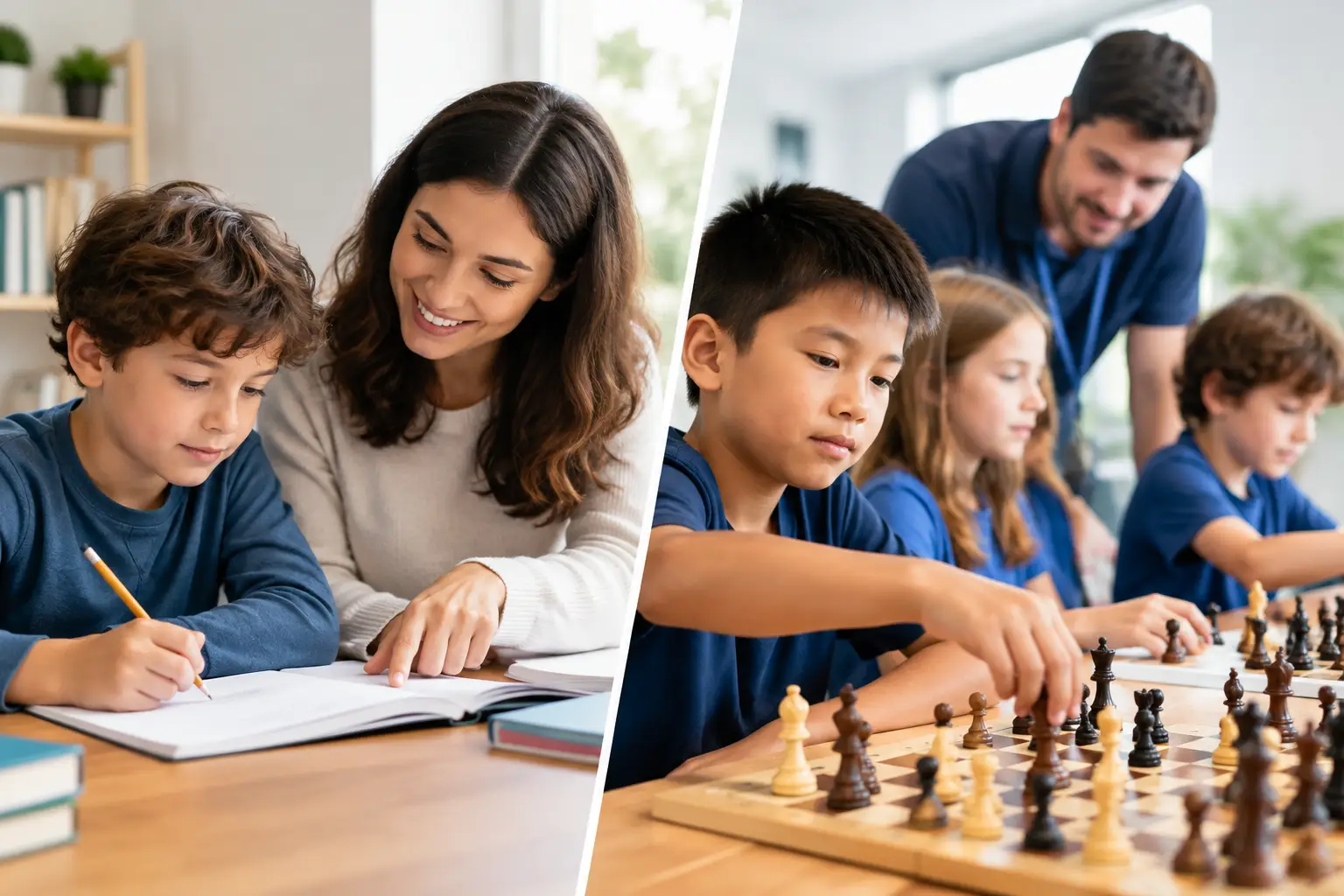
A child comes home from a chess camp excited about a new checkmate pattern, then sits down for a tournament game and does not know when to use it. Another child enjoys weekly lessons but has never had the chance to play a room full of new opponents. That is why private tutoring versus chess camps is not a simple choice between two good activities. Each format builds different parts of a young player’s development.
For parents, the best answer depends on where your child is now, how they learn, and what you hope chess will give them. A complete beginner may need patient, individual guidance before a busy camp feels fun. A child who already knows the basics may benefit from the energy, challenge, and social practice that a camp can provide.
Private Tutoring Versus Chess Camps: The Real Difference
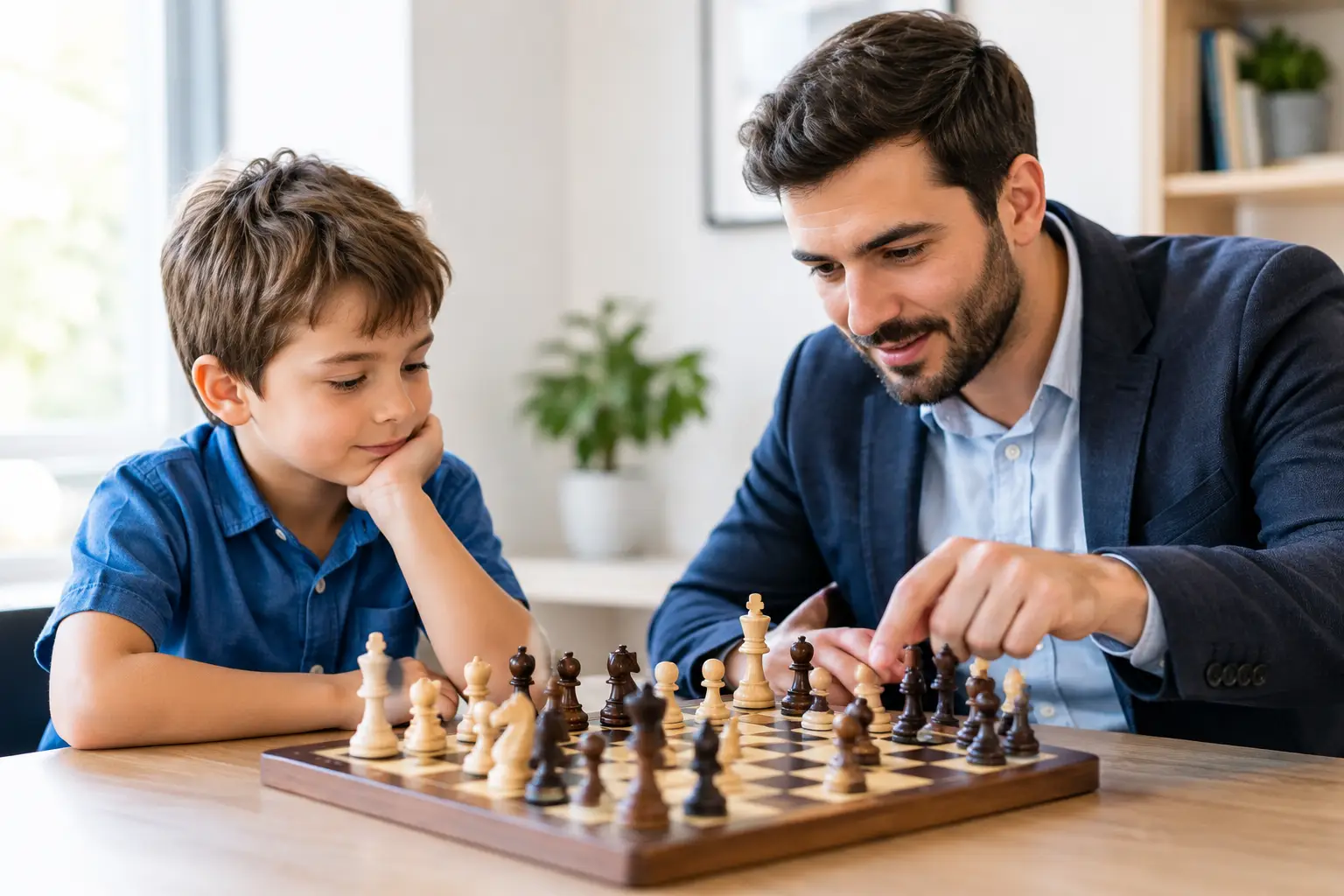
Private chess tutoring is built around one child’s needs. A coach can see whether a student is rushing, missing threats, struggling to sit through a 45-minute lesson, or ready for more advanced strategy. The next lesson can change immediately based on that information.
Chess camps are built around a group experience. Children typically learn a shared topic, solve puzzles, play games, and participate in activities over several concentrated days. A strong camp can make chess feel exciting and social, especially for children who love friendly competition.
Neither format is automatically better. The question is whether your child needs personal correction and a steady plan, or a lively group environment and a burst of chess activity.
What Private Chess Tutoring Does Best
It meets your child at their actual level
Children can be the same age and have completely different chess needs. One seven-year-old may know every piece move but hang a queen in every game. Another may understand basic tactics but need help creating a plan in the middle game. In a private lesson, the coach does not have to teach to the middle of a group.
That matters for confidence. When lessons are too easy, children lose interest. When they are too difficult, chess starts to feel like another school subject where they are always behind. Personalized instruction keeps the challenge realistic and rewarding.
It creates a visible progression
A good coach does more than show interesting positions. They build skills in order: piece movement and checkmate patterns, safe opening habits, tactics, calculation, endgames, game analysis, and tournament preparation. Parents can understand what their child is working on and why it comes next.
This structure is especially valuable for beginners. Young children often need repetition before an idea becomes a habit. A coach can return to the same concept in fresh ways until the child recognizes it independently during a game.
It gives immediate feedback
The strongest learning often happens right after a mistake. If a child overlooks an opponent’s threat, a private coach can pause, ask the right question, and help them find the move themselves. That approach develops thinking rather than memorization.
In a group of 10 or 20 students, even an excellent instructor cannot review every move from every game. Camps may offer general feedback, but private coaching provides the detailed attention that helps a child understand their own decision-making.
It fits family schedules more easily
A weekly 30-, 45-, or 60-minute online lesson can be easier to manage than a full week of camp. Families can choose a pace that works around school, sports, travel, and other commitments. For many children, regular short lessons also lead to better retention than a large amount of information packed into a few days.
Where Chess Camps Shine
Chess camps offer something tutoring cannot fully replicate: a shared chess atmosphere. Children see peers solving puzzles, talking about games, and getting excited about a clever move. For a child who thinks they are the only one interested in chess, that can be a powerful motivator.
Camps make practice feel social
A well-run camp mixes instruction with games, team activities, challenges, and casual play. Children may make friends, learn how to win and lose graciously, and become more comfortable playing unfamiliar opponents. Those are meaningful benefits, particularly for students preparing to enter their first in-person tournament.
The concentrated format can also spark momentum. A child who has been playing casually at home may return from camp eager to practice every day. That burst of enthusiasm is real and worth considering.
Camps expose children to different styles
Playing many opponents in a short period teaches flexibility. Your child may face aggressive attacks, quiet positional players, fast movers, and careful thinkers. They learn that one opening or favorite trick will not solve every game.
Still, the quality of that experience varies. Some camps group students by age rather than playing strength, which can leave beginners overwhelmed or experienced players underchallenged. Before enrolling, ask how the camp handles different levels and how much actual supervised play children receive.
When Private Tutoring Is the Better Choice
Private tutoring is usually the stronger starting point when a child is new to chess, easily discouraged, or showing uneven fundamentals. It is also ideal when there is a specific goal, such as preparing for a school tournament, improving rating results, or fixing recurring mistakes.
It can be especially helpful for children who need a calmer learning environment. Not every child enjoys raising a hand in a group, and not every child learns well in a fast-moving room. A patient coach can turn hesitation into confidence without making the child feel singled out.
For advanced young players, private lessons offer deeper analysis. A coach can review the student’s own tournament games, identify patterns in their losses, and assign practice that targets those exact gaps. A camp may introduce useful ideas, but it rarely has enough time to build a plan around one player’s games.
When a Chess Camp May Be the Better Fit
A camp can be a great choice for a child who already knows the basics, enjoys group activities, and wants more playing experience. It also works well as a low-pressure introduction to chess for a social child who is curious but not yet ready for ongoing lessons.
Consider a camp if your child needs motivation more than technical correction. The excitement of a themed challenge, a friendly tournament, or a room full of chess-loving peers can help them see chess as a game they want to pursue.
Just set expectations carefully. A week of camp can inspire progress, but it does not usually replace consistent instruction and practice. Children may learn several new ideas without having enough time to turn them into dependable game skills.
The Best Option May Be Both, at Different Times
Private tutoring and chess camps do not have to compete. Many families use tutoring as the foundation and camps as an energizing supplement. The coach builds core skills over time, while camp gives the child a chance to test those skills, meet other players, and enjoy chess in a different setting.
This combination can work particularly well before tournament season. A student can sharpen tactics and time-management habits with a coach, then gain extra game practice at camp. Afterward, the coach can help them review what happened and turn the experience into the next set of goals.
At Savushkin Chess, this is why an initial assessment matters. Before choosing a format, it helps to know whether a child needs help with the rules, confidence, tactics, focus, or competitive preparation. Straight answers make it easier to spend your time and budget where they will have the most impact.
Four Questions to Ask Before You Choose
- Does my child need individual attention to build confidence or correct basic mistakes?
- Will a group setting motivate them, or will it make them hesitant to ask questions?
- Are we looking for steady, measurable improvement or a fun, concentrated chess experience?
- Does the program match our child’s current skill level and our family’s schedule?
A child does not need to become a tournament champion for chess to be worthwhile. The right learning environment can help them slow down, think ahead, recover from mistakes, and enjoy the satisfaction of solving a problem on their own. Choose the format that makes your child eager to sit down at the board again next week.

Ready to see chess click for your child?
Book a free 20–30 minute trial lesson with one of our coaches — no commitment, no payment needed.