What Age Is Best to Learn Chess?
A lot of parents ask this right after their child shows interest in the game - or right before signing up for lessons. What age is best to learn chess? The honest answer is not a single number. It depends on the child’s attention span, interest level, and how the game is introduced.
That said, there is a very practical answer parents can use. Most children can begin learning chess in a meaningful way between ages 5 and 7. Some are ready at 4, especially with short, playful instruction. Others start later and progress very quickly because they have stronger focus, patience, and problem-solving skills. In other words, the best age is not just about being young. It is about being ready.
What age is best to learn chess for most kids?
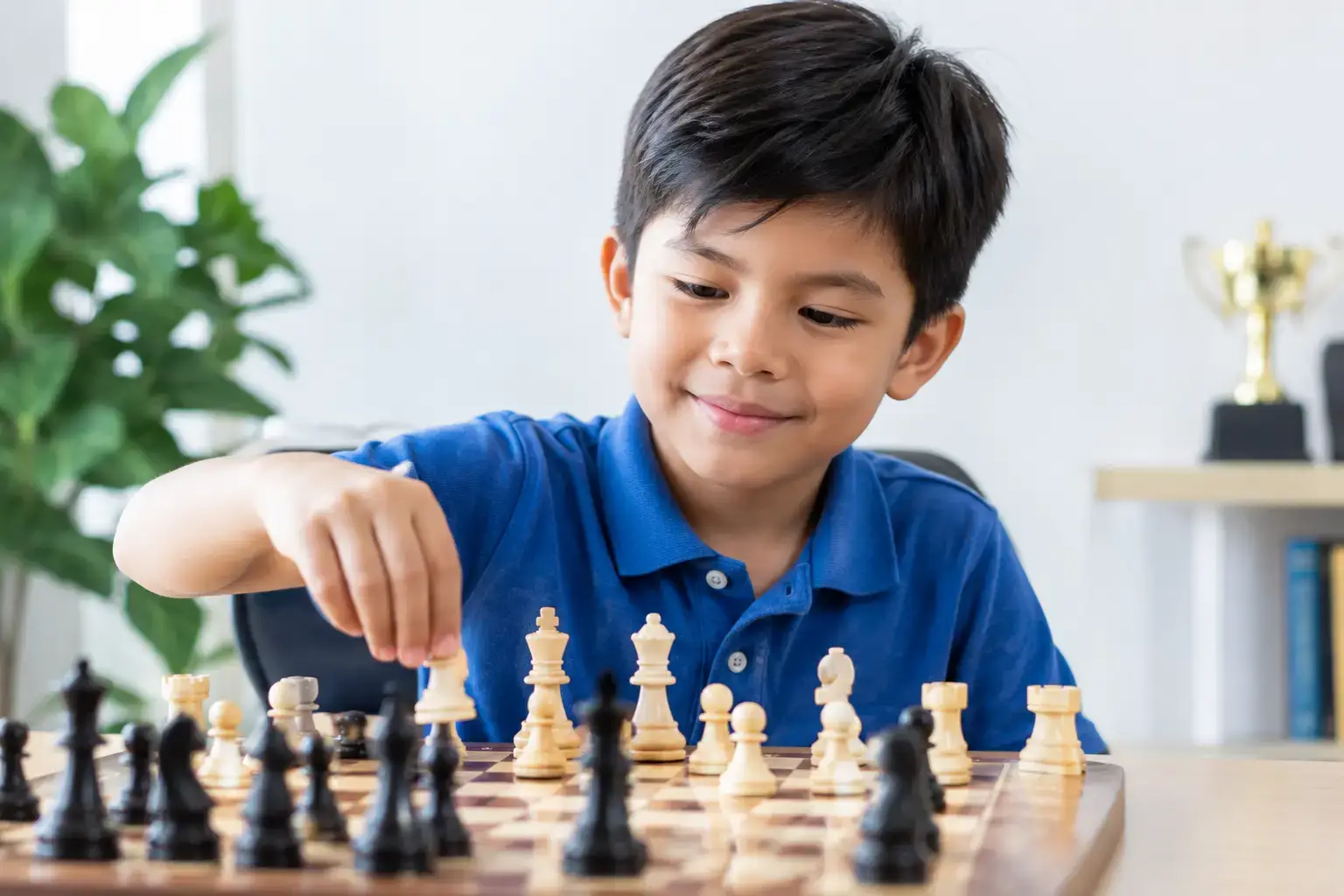
For most families, ages 5 to 7 is the sweet spot. At this stage, many children can recognize patterns, follow simple rules, sit for short lessons, and start thinking one move ahead. They are also young enough to absorb the game naturally, without feeling pressure.
This is often the age when chess feels exciting rather than academic. Kids enjoy learning how the pieces move, spotting checkmate ideas, and playing mini-games built around one or two concepts. With the right coach, they can make real progress while still feeling like they are playing.
Age 4 can also work, but expectations should be different. A 4-year-old usually needs shorter sessions, more repetition, and a teacher who knows how to keep the lesson active and engaging. Some children this age thrive. Others are simply not ready yet, and that is completely normal.
Starting at 8, 9, or 10 is still absolutely a good time to learn. In fact, older beginners often understand strategy faster because they can focus longer and process explanations more clearly. They may not have as many years ahead to build tournament experience, but they can still become strong players.
Why there is no single perfect starting age
Parents often worry that if their child does not start early, they will fall behind. That can happen in highly competitive environments, but for most children, early exposure matters less than consistent, high-quality instruction.
A child who starts at 6 with no structure may drift. A child who starts at 9 with a clear learning plan, strong coaching, and regular practice may improve much faster. Chess rewards pattern recognition, discipline, and confidence. Those skills develop at different speeds.
Interest matters too. If a child is curious about chess, asks questions, and wants to play again after losing, that is a great sign. If they resist every lesson and cannot stay engaged for even a few minutes, it may be better to wait a bit or adjust the teaching style.
The goal is not to start as early as possible at any cost. The goal is to start when learning can be positive, steady, and fun.
Signs your child is ready to learn chess
Readiness is usually easier to spot than parents expect. A child does not need to be advanced academically to begin. They just need a few basic building blocks.
First, they should be able to follow simple multi-step directions. If you can say, “Move this piece here, then touch the clock,” and they can manage that, it helps a lot. Second, they need enough focus to stay with one activity for at least 15 to 20 minutes, especially at the beginner stage. Third, they should show some comfort with taking turns and dealing with small mistakes.
Emotional readiness matters more than many people realize. Chess includes losing, forgetting, blundering, and trying again. Kids who can handle gentle correction and keep going usually do very well over time.
If your child loves puzzles, strategy games, patterns, or competition, those are encouraging signs. If they do not, that does not rule chess out. It simply means the teaching approach should be more playful and patient.
How chess learning looks at different ages
Ages 4 to 5
At this age, chess should feel light, visual, and interactive. Lessons need to be short and clear. Coaches often teach piece movement through stories, mini-challenges, and simple positions rather than full games right away.
The upside of starting young is comfort. Children can grow up with chess as a familiar activity, and many become very confident with the board early on. The trade-off is pace. Progress may come in smaller steps, and that is fine.
Ages 6 to 8
This is one of the strongest windows for beginner learning. Kids in this range are often ready for structure but still open to playful instruction. They can usually learn the rules, basic checkmates, opening habits, and simple tactics without getting overwhelmed.
This is also the age when many children begin to enjoy real game play. They can start building healthy habits early, such as checking for threats, developing pieces, and thinking before moving.
Ages 9 to 12
Older beginners often surprise parents. They may start later, but they can absorb concepts quickly and ask better questions. They are more likely to understand why a move is good, not just what move to play.
This age can be excellent for children who enjoy challenge and want visible progress. If they become motivated, they can improve fast with consistent coaching and practice.
Ages 13 to 16
Teen beginners are not too late. Not even close. While they may not follow the same path as a child who started at 5, they can still build strong skills, play competitively, and enjoy the game on a serious level.
Teenagers often do well when lessons are respectful, goal-driven, and connected to measurable progress. They usually respond better to clear explanations and real game analysis than to overly simplified activities.
What matters more than age
If parents remember one thing, it should be this: teaching quality matters more than starting age.
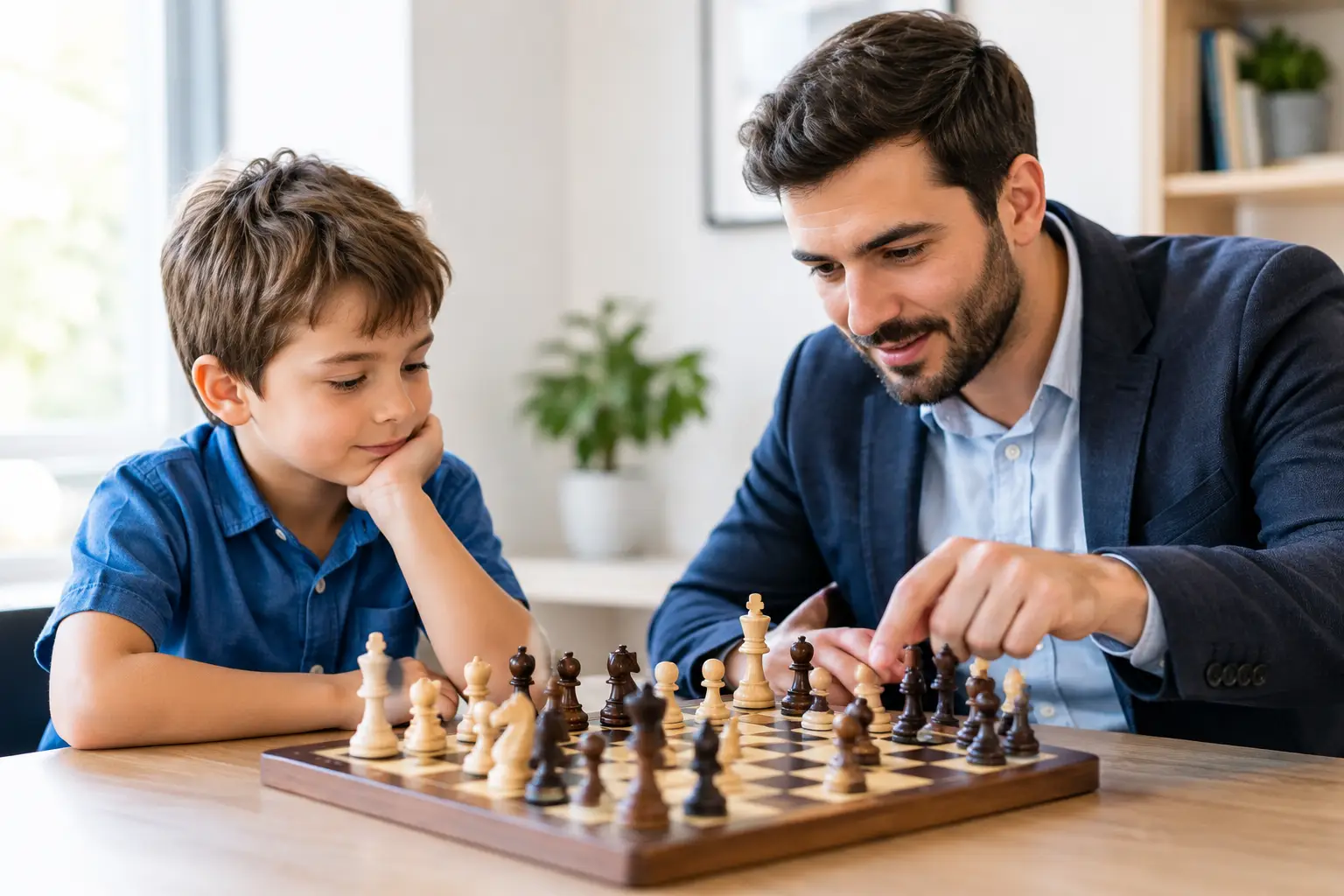
A child learns chess best when the lessons match their developmental stage. That means the coach explains clearly, keeps the student engaged, builds skills in the right order, and adjusts when something is not clicking. Good instruction can make a young beginner feel capable instead of confused.
Consistency also matters. One lesson every now and then will not create much momentum. Regular lessons, practice games, and review help children retain what they learn. Even short sessions can be powerful when they happen consistently.
And then there is confidence. Kids improve faster when they feel safe making mistakes. Chess can be humbling, especially for bright children who are not used to getting things wrong. The right learning environment teaches resilience along with strategy.
Should parents wait until a child asks for chess?
Not always. Some children discover they love chess only after a good introduction. They may never ask for it on their own because they do not yet know what the game offers.
It is reasonable to introduce chess gently, especially if your child enjoys thinking games or needs an activity that builds focus and patience. A trial lesson or low-pressure first experience can tell you more than guessing from the sidelines.
At the same time, forcing chess rarely works well. If a child shows strong resistance, it helps to step back and ask why. Sometimes the issue is not chess itself. It may be the format, the pacing, or the fear of getting things wrong.
A smart way to think about the best age
Instead of asking only, “What age is best to learn chess?” ask two better questions: “Is my child ready for structured learning?” and “Will the instruction fit how my child learns?”
That shift makes the decision much easier. A ready 6-year-old with the right coach is in a great position. So is a curious 10-year-old. Even a 4-year-old can start well if lessons are designed for short attention spans and early confidence-building.
At Savushkin Chess, this is exactly why structured, coach-led lessons matter. Children do best when the teaching meets them where they are, then moves them forward with a clear plan.
If your child is interested now, that is worth paying attention to. You do not need to chase the earliest possible start. You just need the right start - one that makes chess enjoyable, builds skill step by step, and gives your child a reason to keep coming back.

Ready to see chess click for your child?
Book a free 20–30 minute trial lesson with one of our coaches — no commitment, no payment needed.