What Parents Should Expect From Chess Tutoring
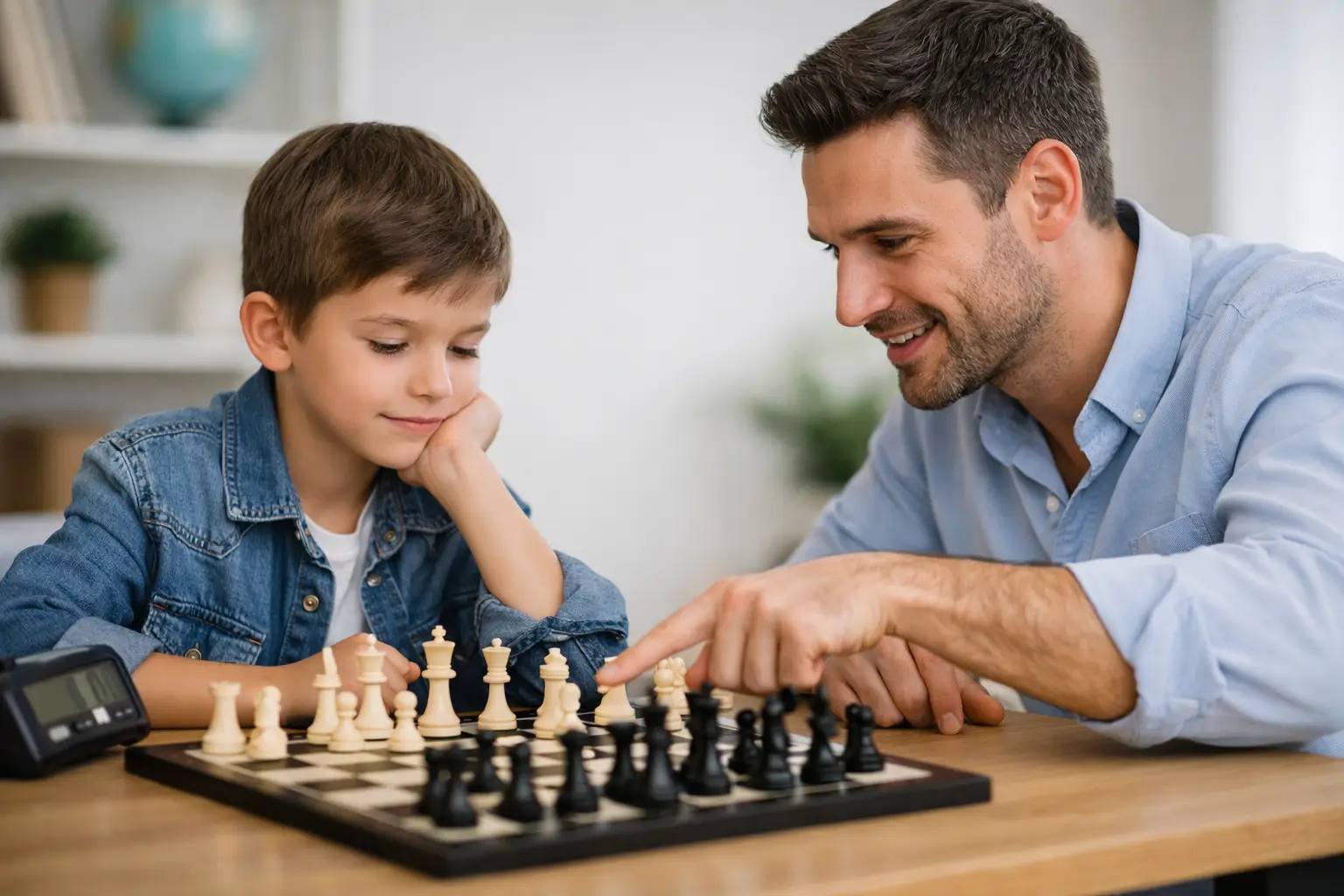
A child can know how every piece moves and still freeze when it is time to choose a move. That is where chess tutoring can make a real difference. Instead of simply giving a child more puzzles or more games to play, a good coach helps them understand what they are seeing, make decisions with purpose, and enjoy the process of getting better.
For parents, the goal is usually bigger than a stronger chess player. You may want your child to focus for longer, handle mistakes calmly, build confidence, or have a meaningful activity that fits into a busy family schedule. The right lesson format can support all of those goals while giving your child a clear path from first moves to real game play.
Chess Tutoring Should Feel Personal, Not Random
Chess improves through repetition, but children do not all need the same repetition. A complete beginner may need help remembering how the knight moves and spotting simple threats. A child who has played for a year may know basic tactics but rush through games. A tournament player may need to review openings, manage time, and learn how to recover after a tough loss.
That is why one-on-one instruction is so valuable. A coach can watch how a child thinks, not just whether the final answer is right. When a student moves too quickly, misses an opponent's threat, or becomes discouraged after losing a piece, the coach can address the habit behind the mistake.
Strong tutoring begins with an assessment. This does not need to feel like a test. It is simply a chance for the coach to see what the child already knows, how they respond to questions, and what will keep them engaged. From there, lessons should follow an individualized plan with goals that make sense for that child.
For a young beginner, a goal might be to complete a game confidently without needing reminders about the rules. For a more experienced player, it might be to recognize common tactical patterns before they appear in tournament games. Progress becomes much easier to see when lessons are built around specific next steps.
What Happens in a Good Online Chess Lesson
Parents sometimes worry that online lessons will feel passive or distracting. They should not. A live lesson works best when the coach and child are actively talking through positions, making moves, solving short challenges, and reviewing games together.
A typical session may begin with a quick check-in and a review of what the student practiced since the last lesson. The coach might then introduce one focused idea, such as protecting pieces, using a fork, developing pieces in the opening, or creating a simple checkmate pattern. The child should get chances to explain their thinking, not just listen to an answer.
Game play matters, too. Chess concepts become useful only when a child can apply them under real conditions. A coach may play a training game, pause at key moments to ask questions, or review a recent game move by move. This creates a healthy connection between lesson material and the decisions a child makes at the board.
The best teachers adjust the pace. A 4-year-old may learn most effectively through short activities, visual examples, and frequent encouragement. A focused 12-year-old preparing for competition may be ready for longer calculation exercises and deeper game analysis. Neither approach is better on its own. It depends on the child's age, experience, attention span, and goals.
The Skills Parents Can Expect Their Child to Build
Chess is not a shortcut to perfect focus or instant academic success. Every child develops differently, and no coach can promise that a few lessons will transform behavior overnight. What structured instruction can provide is regular practice with useful habits.
During a game, children learn to pause before acting. They begin asking questions such as: What is my opponent threatening? Is this piece safe? What happens if I make this move? Those questions build the habit of considering consequences rather than reacting immediately.
Over time, chess can also strengthen patience, resilience, and self-management. Losing is part of the game. A supportive coach helps a child move beyond “I lost” to “What can I learn from this position?” That shift is especially valuable for kids who are hard on themselves or reluctant to try challenging activities.
Confidence grows through visible progress. A child who once needed help setting up the board may later win with a checkmate they planned themselves. A student who rushed every move may start using a simple thinking routine before touching a piece. These are small wins, but they add up.
How Often Should a Child Take Lessons?
Consistency usually matters more than lesson length. A weekly lesson gives children time to remember a concept, play a few games, and return with questions. For many families, 30 or 45 minutes is a great starting point, particularly for younger students and beginners.
A 60-minute lesson can be a better fit for older children, advanced players, or students working toward tournament goals. Longer sessions allow more room for detailed game review and deeper strategy, but only if the child can stay engaged. More time is not automatically more effective.
Practice between lessons should be manageable. A child does not need hours of homework to improve. Playing a few thoughtful games, reviewing one lesson idea, or completing several targeted puzzles can be enough to reinforce learning. The goal is to build a steady routine without turning chess into another source of pressure.
Choosing a Chess Tutor for Your Child
Chess strength matters, especially for students who want to compete. But the strongest player is not always the strongest teacher for children. Look for a coach who can explain ideas simply, respond patiently to mistakes, and make a child feel safe asking questions.
It also helps to ask how the tutor tracks progress and communicates with parents. You should not need a complicated report after every lesson, but you should understand what your child is working on, where they are improving, and what comes next. Clear communication builds trust and helps parents encourage practice without trying to become the coach themselves.
A trial lesson is often the best way to judge fit. Watch for your child's reaction afterward. Did they feel excited to show you something? Did they understand at least one new idea? Did the coach keep them involved rather than doing all the talking? These signs tell you far more than a coach's rating alone.
At Savushkin Chess, a free trial assessment gives families a low-pressure way to see how personalized online coaching can work before making a commitment. The focus should be on finding the right starting point, not pushing a child ahead too quickly.
When Tournament Preparation Makes Sense
Not every child needs tournaments to enjoy chess. Casual players can gain plenty from lessons, friendly games, and personal goals. Tournament preparation makes sense when a child is asking for more challenge, enjoys competition, or wants to test their skills against new opponents.
A coach can prepare a student for more than opening moves and tactics. Tournament readiness includes learning how to use a chess clock, record moves when required, stay focused after an error, and show good sportsmanship. These details help a child walk into an event feeling prepared rather than overwhelmed.
Parents should keep the pressure level realistic. Early tournaments are learning experiences, not final judgments of talent. The right goal may be to complete every game, use good time management, or review one important moment afterward. Results matter, but growth matters more.
The most valuable chess lesson is often the one that makes a child want to return to the board. With patient coaching, clear goals, and the right amount of challenge, chess can become a place where your child learns to think carefully, compete kindly, and feel proud of steady progress.

Ready to see chess click for your child?
Book a free 20–30 minute trial lesson with one of our coaches — no commitment, no payment needed.