
Why Do Kids Blunder Pieces in Chess So Often?
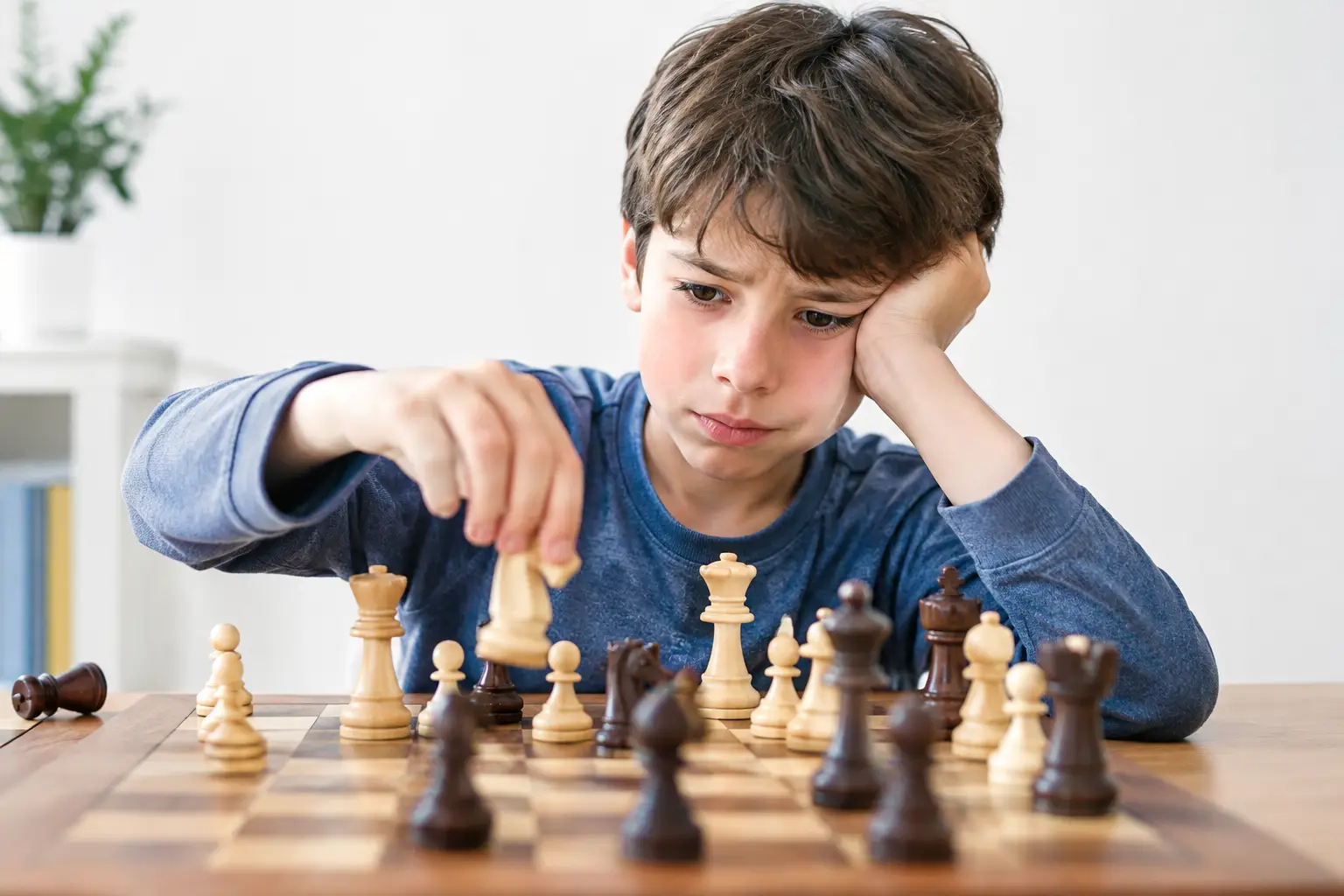
A child sees a knight that can capture a queen, gets excited, and makes the move instantly. One move later, their own queen is gone. If you have wondered, why do kids blunder pieces when they know how each piece moves, you are not alone. This is one of the most common stages of young chess development, and it is not a sign that your child lacks talent.
A blunder is usually less about intelligence and more about attention, habits, and experience. Children often see the move they want to make before they see what their opponent can do. The encouraging news is that blundering can improve dramatically with the right practice. Young players do not need to memorize hundreds of openings. They need a calm process for checking each move.
Why Kids Blunder Pieces in Chess
They play the move they notice first
Chess gives children a lot to look at: pieces, squares, attacks, checks, and possible captures. Beginners naturally focus on the most exciting idea on the board. They may spot a free pawn, an attacking move, or a check and rush to play it.
The problem is that the first move they see is not always safe. A child might move a bishop to attack the opponent's queen without noticing that the bishop was protecting their own rook. This is not carelessness in the usual sense. It is a normal thinking pattern called one-move vision: seeing their own idea clearly but not yet examining the opponent's reply.
They have not built a danger-checking routine
Knowing that a queen moves like a queen is different from recognizing a queen attack during a real game. In a lesson, a child may identify every attacked piece correctly. During a timed game, emotions and excitement can make that knowledge disappear.
Strong players use routines, often without realizing it. Before moving, they scan for checks, captures, and threats from both sides. Children need this process taught directly and practiced until it feels natural. Telling a player to “be careful” is well meant, but it is too vague to use at the board.
They are still learning to see the whole board
Young beginners often look only at the area where the action is happening. If two knights are fighting near the center, they may miss a bishop on the other side of the board attacking a loose piece. This tunnel vision is especially common after an opponent makes a surprising move.
Board vision develops through repetition. A child first learns to see one attack. Then they learn to see two attacks at once, notice defended pieces, and recognize long lines from bishops, rooks, and queens. That progress takes time, but it is very teachable.
Excitement, disappointment, and speed take over
Children can blunder after a great move and after a frustrating one. After winning a piece, they may become so excited that they move too fast. After losing a piece, they may try to win it back immediately, even if the recapture loses something bigger.
Time pressure makes this harder. Fast games can be fun and useful, but they are not the best place for a beginner to build thoughtful habits. If every game is a race, a child may learn that moving quickly matters more than checking safely. For early development, slower games and brief pauses usually produce better learning.
They do not yet understand which pieces are vulnerable
Many children understand piece values as a list: pawn, knight, bishop, rook, queen. But they may not yet apply those values while choosing moves. They might trade a rook for a knight because the knight is attacking something, or leave a queen en prise because they are focused on giving check.
They also may not recognize a “loose” piece, meaning a piece that is not defended. Loose pieces are frequent targets. Once children begin asking, “What is attacked, and what is protected?” their games become much steadier.
The Best Way to Help a Child Stop Blundering
The goal is not to make a child afraid to move. Overly cautious players can freeze, spend too long on simple choices, and lose the joy that makes chess sustainable. The goal is to create a short, repeatable pause before every move.
A helpful beginner routine is this: first, look at what the opponent's last move changed. Did it attack a piece? Did it open a line? Next, identify your own checks, captures, and threats. Finally, before committing, ask one simple question: “If I move this piece, what can my opponent capture?”
That last question catches a remarkable number of mistakes. It is short enough for a 6-year-old to remember and meaningful enough for an older tournament player to use under pressure.
Start with one-move blunder puzzles
Puzzles are useful when they match the child's current level. For a beginner, the best exercise is not a complicated six-move combination. It is a position where one piece is attacked, one capture is available, or one move hangs a queen.
Ask your child to point, not just answer. “Show me every piece White can capture.” “Which black piece attacks your knight?” “If your queen goes there, who can take it?” Pointing turns an invisible thought process into something a coach or parent can help correct.
Keep practice short and successful. Five to ten focused positions, several times a week, is often more effective than an hour of difficult puzzles that leaves a child discouraged. As their accuracy improves, add positions with two threats or a simple tactic hidden behind a capture.
Review games without turning mistakes into a lecture
After a game, most children already know they lost a piece. What they need is help finding the moment their attention slipped. Instead of asking, “Why did you do that?” try, “What was your plan here?” and then, “What did your opponent have after your move?”
This keeps the conversation curious rather than critical. A child may say, “I wanted to attack the king,” which opens the door to a valuable lesson: attacking is good, but only when your own pieces are safe enough.
Review just one or two key moments. Analyzing every error after a loss can feel overwhelming, especially for younger players. Choose the blunder that is most likely to teach a reusable habit, such as checking an opponent's threat before making a capture.
Use slower games for training
A child who blunders regularly should have opportunities to play games with enough time to think. This does not mean every game needs to be long. It means the time control should support the lesson.
For newer players, a game with 10 to 15 minutes per side often gives them time to use a safety check. If they play online, encourage them to physically sit on their hands for a moment after choosing a move. That tiny pause can interrupt the impulse to click immediately.
Rapid and blitz games can still have a place once a player is comfortable. They help pattern recognition and can be exciting. But they should not be the only form of practice when the main goal is reducing blunders.
What Parents Should Say During Practice
Parents do not need to be chess experts to support good thinking. The most helpful prompts are specific and repeatable: “What did their last move attack?” “Is that piece protected?” “Before you move, what can they take?”
Try to praise the process, not only the result. If your child pauses, checks a threat, and then makes a solid move, recognize that even if they later lose the game. Comments such as “I liked how you checked your queen before moving” help make careful thinking feel like a win.
Avoid rescuing them during a game by pointing at a hanging piece or announcing a threat. It may prevent one mistake, but it also removes their chance to notice it independently. Save coaching for after the game, when the board can become a low-pressure learning space.
When Blunders May Need More Structured Support
Every child blunders, including strong young players. The question is whether the same type of error keeps repeating despite regular play. If a child consistently misses one-move captures, struggles to explain what an opponent is threatening, or becomes upset after mistakes, personalized instruction can help them progress faster.
A patient coach can identify whether the problem is board vision, piece safety, impulsive play, tactical knowledge, or confidence. At Savushkin Chess, lessons can be adjusted to a child's age, attention span, and current playing level, so practice feels challenging without becoming frustrating.
A good coach also gives parents a clearer picture of progress. The first sign of improvement may not be an immediate rating jump. It may be a child who begins pausing on their own, notices an attacked rook before it is lost, or calmly recovers after making a mistake. Those are the habits that lead to stronger tournament play over time.
Blunders are not a reason to lower expectations or make chess less fun. They are useful clues about what a child is ready to learn next. Give your young player a simple safety check, enough time to use it, and encouragement when they think before they move. One careful pause today can become the confident habit they carry into every future game.

Ready to see chess click for your child?
Book a free 20–30 minute trial lesson with one of our coaches — no commitment, no payment needed.


