
Why Learn Chess? 8 Benefits for Growing Minds
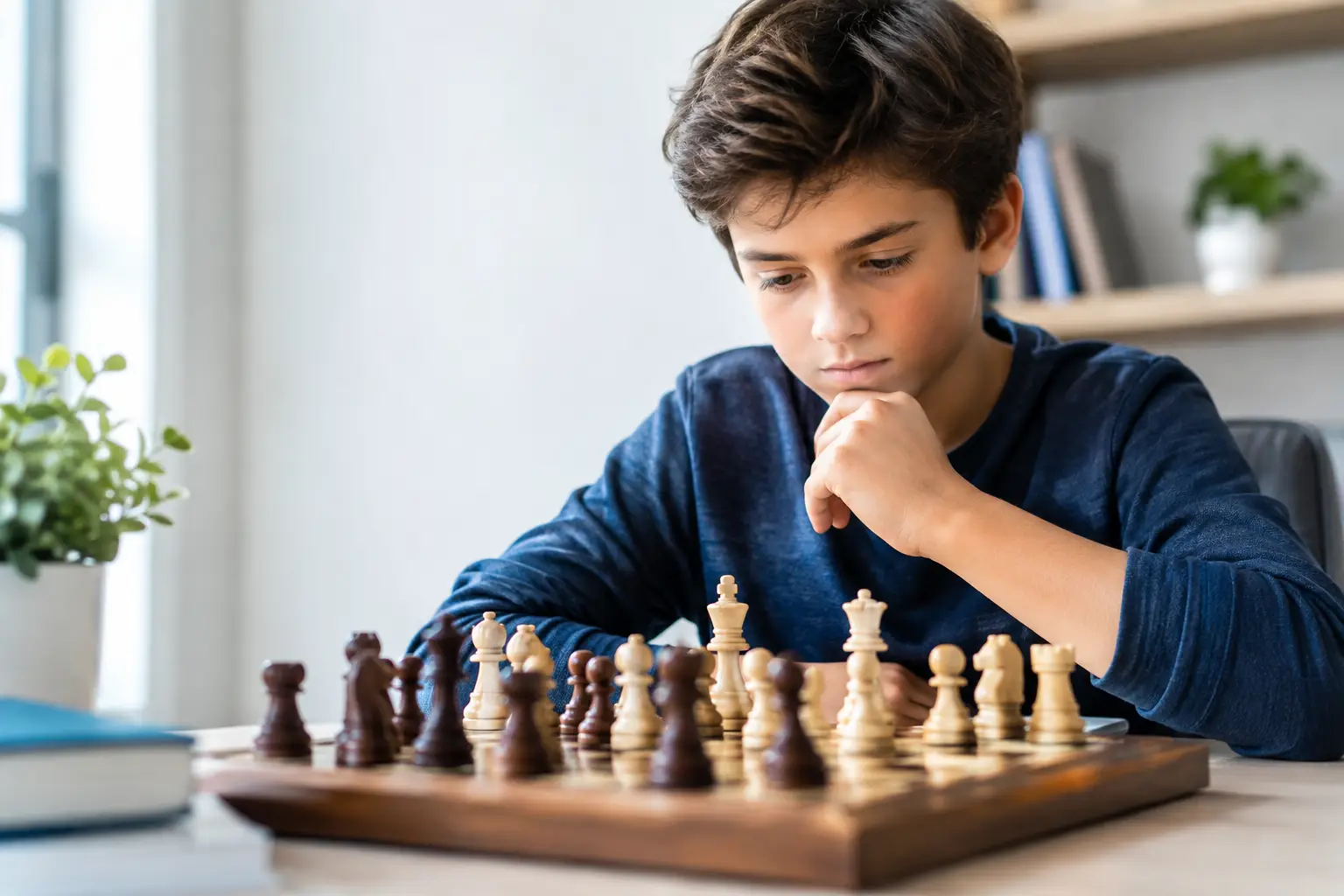
A child sits across from the board, sees a tempting move, and pauses. Instead of grabbing the first piece that looks good, they ask, “What happens next?” That small pause is one of the best answers to why learn chess. Chess gives children a fun, challenging place to practice thinking before acting - a skill that reaches far beyond the board.
For parents, chess can be much more than another after-school activity. It can be a structured way for a child to build concentration, confidence, and problem-solving habits while playing a game they can keep enjoying for years. The key is making sure the experience matches the child’s age, level, and personality.
Why Learn Chess at a Young Age?
Chess is unusual because children can begin early, but the game continues to grow with them. A 4-year-old might start by learning how the pieces move and playing short, simple games. A teenager may work on planning, tactics, tournament preparation, and handling pressure. The board stays familiar while the challenges become deeper.
That makes chess especially valuable for children who need an activity with visible progress. At first, success might mean remembering that a bishop moves diagonally. A few weeks later, it could mean spotting a checkmate threat or calmly recovering after losing a piece. Those moments give kids proof that practice changes what they can do.
Chess also creates a healthy kind of responsibility. A child cannot blame a teammate for a missed move, but they also do not have to carry the pressure of a whole team. They make a choice, see the result, and get another chance in the next game. With a supportive coach, mistakes become information rather than something to fear.
Chess Builds Focus Without Feeling Like Homework
Many parents look for activities that strengthen attention without adding another worksheet to the day. Chess does that naturally because the child has a reason to focus: they want to protect their king, win material, or find the next good move.
A game asks players to notice details, hold several possibilities in mind, and stay engaged even when the position changes. Over time, children learn to slow down and scan the board before moving. They begin to ask useful questions: Is my piece safe? What is my opponent threatening? What is my plan?
This does not mean every child will suddenly sit still for an hour. Young beginners often need shorter lessons, movement breaks, colorful examples, and plenty of encouragement. A child-centered chess program meets them where they are. For many children, 30 focused minutes with the right coach is more productive than an hour of frustration.
It Teaches Children How to Think Through Decisions
Chess is a game of choices, and every choice has a consequence. That is one of its strongest lessons.
Children quickly discover that the first move they notice is not always the best one. They learn to compare options, predict likely responses, and weigh risk against reward. Should they attack now, defend a piece, trade queens, or improve their position first? There is rarely one rule that works every time, which is exactly why the game develops flexible thinking.
The goal is not to turn children into tiny adults who overanalyze everything. It is to give them a simple decision-making routine: pause, look carefully, consider options, and choose with a reason. That routine can help with schoolwork, sports, friendships, and everyday responsibilities.
Chess Helps Children Handle Wins, Losses, and Setbacks
Few activities give such immediate feedback. A strong move feels rewarding. A rushed move can change the whole game. Children experience both, often within the same lesson.
That can be challenging, especially for competitive kids or children who are used to succeeding quickly. But chess gives coaches and parents a practical way to teach resilience. Losing a game is not a verdict on a child’s ability. It is an opportunity to review one or two key moments, understand what happened, and try a better idea next time.
A good coach protects the child’s confidence while still being honest. Rather than saying, “You played badly,” they might say, “You had a great idea in the opening. Next time, let’s check whether your queen is protected before you attack.” Specific feedback gives children a path forward.
Winning matters too. Children deserve to feel proud when their work pays off. The best chess instruction helps them celebrate progress without becoming afraid of losing. That balance is valuable in any competitive environment.
Why Learning Chess Can Build Real Confidence
Chess confidence is not just about trophies or ratings. It comes from knowing, “I did not understand this before, and now I do.” For a beginner, that may be delivering their first checkmate. For an experienced player, it may be staying composed in a difficult tournament game.
Because progress is easy to see, chess can be especially encouraging for children who need evidence that effort works. A personalized learning plan gives them achievable next steps instead of throwing them into advanced material too soon. They can build skills in order: piece movement, basic checkmates, tactics, opening principles, strategy, and competitive play.
Confidence grows fastest when children are challenged but not overwhelmed. If every game ends in confusion, the game stops being fun. If every game is too easy, the child stops learning. The right level creates that satisfying feeling of “I almost had it - now I want to try again.”
Chess Encourages Patience and Self-Control
A child may know the rules and still lose because they move too quickly. That is normal. In fact, it is one of the most common early lessons in chess.
The board rewards children who take a moment to check their ideas. They learn that excitement is not a reason to rush, and disappointment is not a reason to quit. They can be eager to attack while still checking whether the move is safe.
Parents may notice this habit slowly appearing elsewhere. A child who once blurted out the first answer may begin to pause. A child who gave up after one mistake may become more willing to reset and try again. Chess is not a magic solution for behavior or attention challenges, but it provides regular, low-stakes practice with patience and emotional control.
It Creates a Social Skill That Travels Well
Chess works online, at school, at home, in clubs, and at tournaments. Children can play with friends, siblings, grandparents, and opponents from different backgrounds. It gives them a shared language even when they have just met.
Online lessons can be particularly practical for busy families. There is no commute, and one-on-one instruction allows the coach to adjust the pace in real time. A quiet child may feel more comfortable asking questions in an individual session. A highly motivated child can move ahead without waiting for a larger class.
At the same time, children who want competition can use their skills in real games and tournaments. Tournament play is optional, not required. Some children love the excitement of timed games and rankings; others prefer learning, casual play, and personal improvement. Both paths are valid.
The Best Results Come From Structure and Fun
Simply putting a chess app in front of a child is not always enough. Apps can be useful for practice, puzzles, and quick games, but they cannot always explain why a move works, spot a child’s misunderstanding, or keep a discouraged beginner motivated.
Live instruction adds accountability and connection. A coach can celebrate a smart idea, correct bad habits early, and turn a confusing loss into a lesson the child remembers. Parents also gain a clearer picture of what their child is learning and what comes next.
At Savushkin Chess, the goal is not to rush children into advanced openings or make every lesson feel serious. It is to create clear progression through engaging, coach-led learning. Some children need playful mini-games and simple checkmate patterns. Others are ready for tactical training and tournament preparation. The instruction should fit the child, not the other way around.
Is Chess Right for Every Child?
Chess is a strong choice for many children, but the format matters. A child who loves puzzles may be excited immediately. A social child may enjoy games with friends or tournament events. A child who struggles with attention may need brief lessons, patient guidance, and plenty of interactive practice.
It is also okay if a child does not fall in love with chess on day one. Interest often grows after they understand enough to make purposeful moves. The first few lessons should feel welcoming, achievable, and fun - not like a test.
If you are considering chess for your child, start with a clear goal: perhaps better focus, a new challenge, confidence in competition, or simply a screen-time activity with real educational value. Then give them instruction that makes progress visible. When a child learns to pause, think, and try again, they are building something much bigger than a strong chess game.

Ready to see chess click for your child?
Book a free 20–30 minute trial lesson with one of our coaches — no commitment, no payment needed.


